
|
Have questions?
Contact us
Already a member? Sign in
|
Get every literary device explanation for A Study in Scarlet
Plus so much more...
Sign up for LitCharts A+
Get instant access to every literary device explanation, plus so much more...
Setting
Explanation and Analysis:
A Study in Scarlet is divided into two parts. The setting of Part 1 is late Victorian London and it is narrated by Dr. John Watson. Part 2 takes place in the United States during the founding of Salt Late City in the 1840s by Mormons and is told from the perspective of the American Jefferson Hope.
A Study in Scarlet was published in 1887, at a time when British imperialism was at its height and London was the largest and most populous city in the world. The fact that much of A Study in Scarlet takes place in London during this time highlights the close link between detective fiction (which arose as a distinct genre in the 1840s) and urban settings. Detective fiction arose in the wake of the Industrial Revolution, after many people had moved from the countryside into the city in search of factory jobs. With more people than ever before living in close quarters to one another in cities, crime rates were on the rise. There was also an increased anxiety about crime, since one came into contact with strangers so much more often in cities than they did in the countryside. Whereas before people knew their neighbors, in the city, it was possible that their neighbor or the strangers they passed on the street were criminals. The increase in crime led to the creation of the first police forces in the early 19th century and, shortly thereafter, the rise of detective fiction.
Many of the urban locations in this part of the novel are poverty-stricken and dilapidated. For example, in Part 1, Chapter 3, Watson and Holmes arrive at Number 3, Lauriston Gardens, a decaying, abandoned house where Enoch Drebber’s corpse has been found:
[The house] wore an ill-omened and minatory look. It was one of four that stood back some little way from the street […] two being empty. [They] looked out with three tiers of vacant melancholy windows, which were blank and dreary, save that here and there a “To Let” card had developed like a cataract upon bleared panes. A small garden sprinkled over with a scattered eruption of sickly plants separated each of these houses from the street.
Here, words like “ill-omened,” “vacant,” “melancholy,” “blank,” “dreary,” and “sickly,” create an ominous, suspenseful, and gloomy mood. The comparison of the “To Let” sign to a cataract suggests that this is a part of the city where crimes can happen outside the watchful eye of law enforcement, reflecting 19th-century anxieties about urban crime, particularly in poor neighborhoods.
Part 2, in contrast, takes place in Utah, away from any major cities, largely in the wilderness. Although many of the urban locations in Part 1 appear to be desolate and dangerous, the wilderness in Part 2 is depicted as actively hostile toward humanity and civilization. For example, in Part 2, Chapter 1, Doyle describes the Utah landscape in a threatening way:
In the central portion of the great North American Continent there lies an arid and repulsive desert, which for many a long year served as a barrier against the advance of civilization […] There are no inhabitants of this land of despair […] There are coyote skulls among the scrub, the buzzard flaps heavily through the air, and the […] grizzly bear lumbers through dark ravines.
Doyle’s choice to set this second part of the novel in the western United States reveals a 19th-century British view of the American West as a harsh and untamed wilderness full of danger. The landscape is described as being “a barrier against the advance of civilization,” suggesting that the Utah wilderness, and by extension the people living there, are less civilized than the English.
Monthly
Annual (Best Value)

$595USD/mo
Charged $71.40 USD every year
Quote explanations & citation info

Every PDF download
Printable PDFs for every guide
"Would not have made it through without the printable PDFs. They're like having in-class notes for every discussion!"
– LitCharts A⁺ user
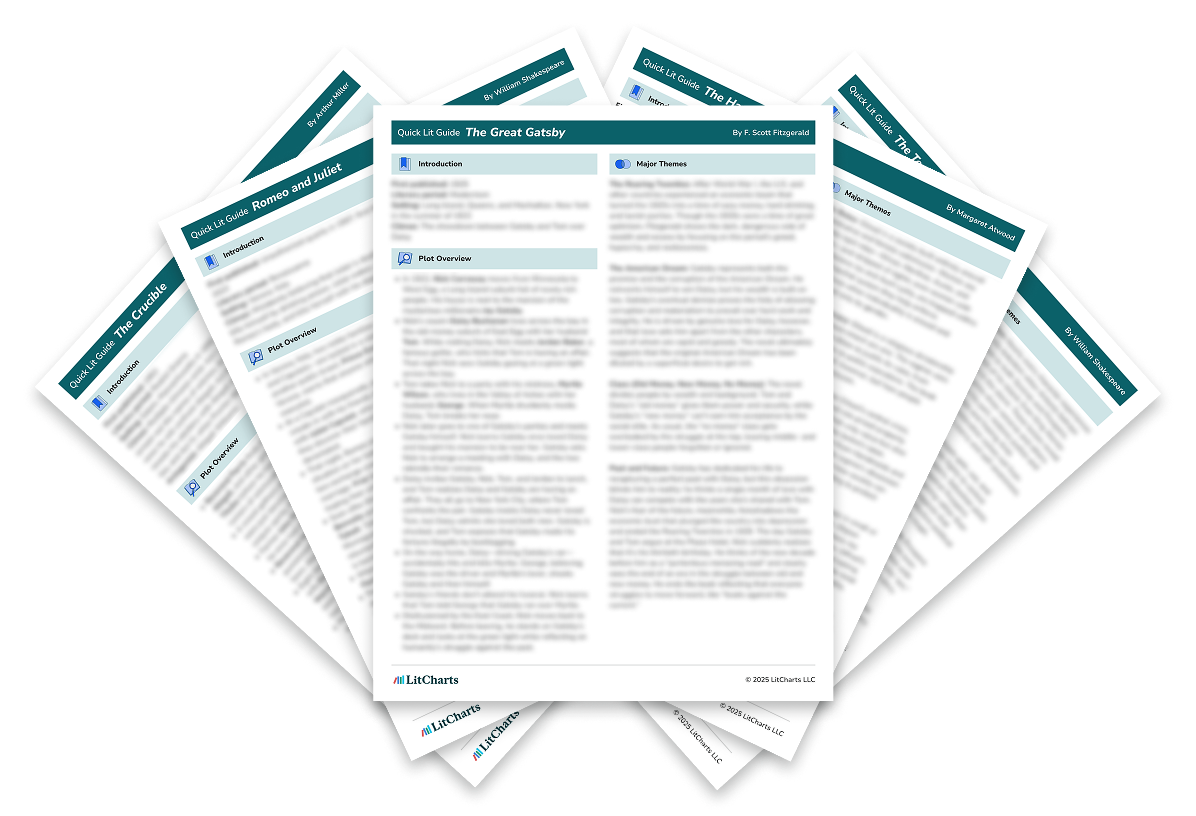
One-page Quick Lit Guides
Understand key basics—fast
Printable, one-page guides that cover the plot points, themes, and ideas you need to know.
Detailed chapter analysis
Get what happens and what it means
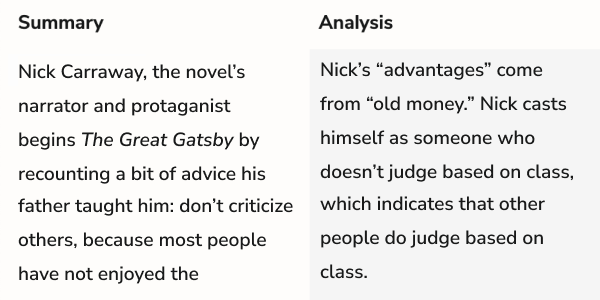
Targeted analysis next to the summary ensures you’ll understand more than just the plot.
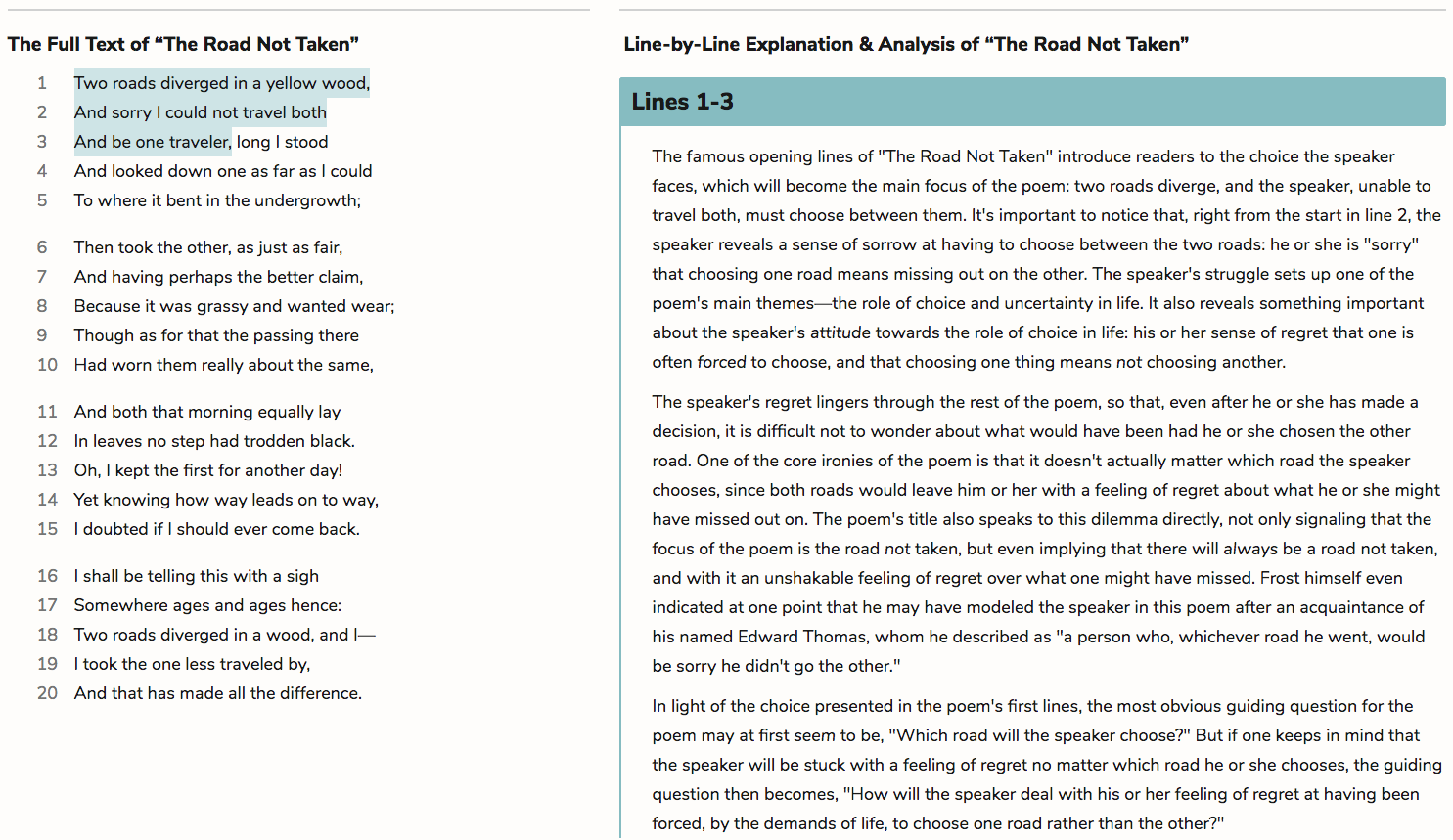
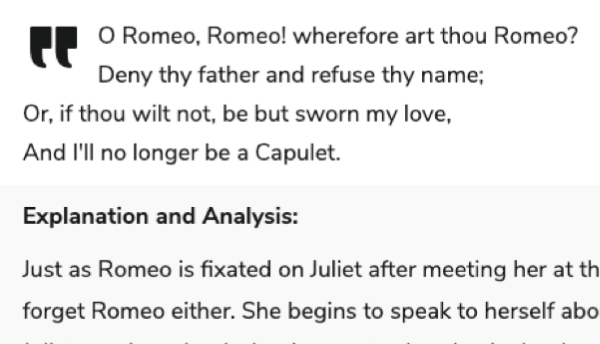
Line-by-line poetry analysis
Get the meaning in every line
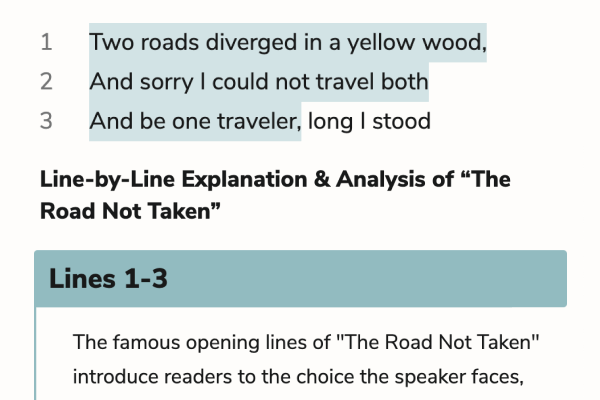
Never feel lost reading a poem again with clear and in-depth analysis of each and every line.
Literary & poetic device analysis
Decode the author’s language
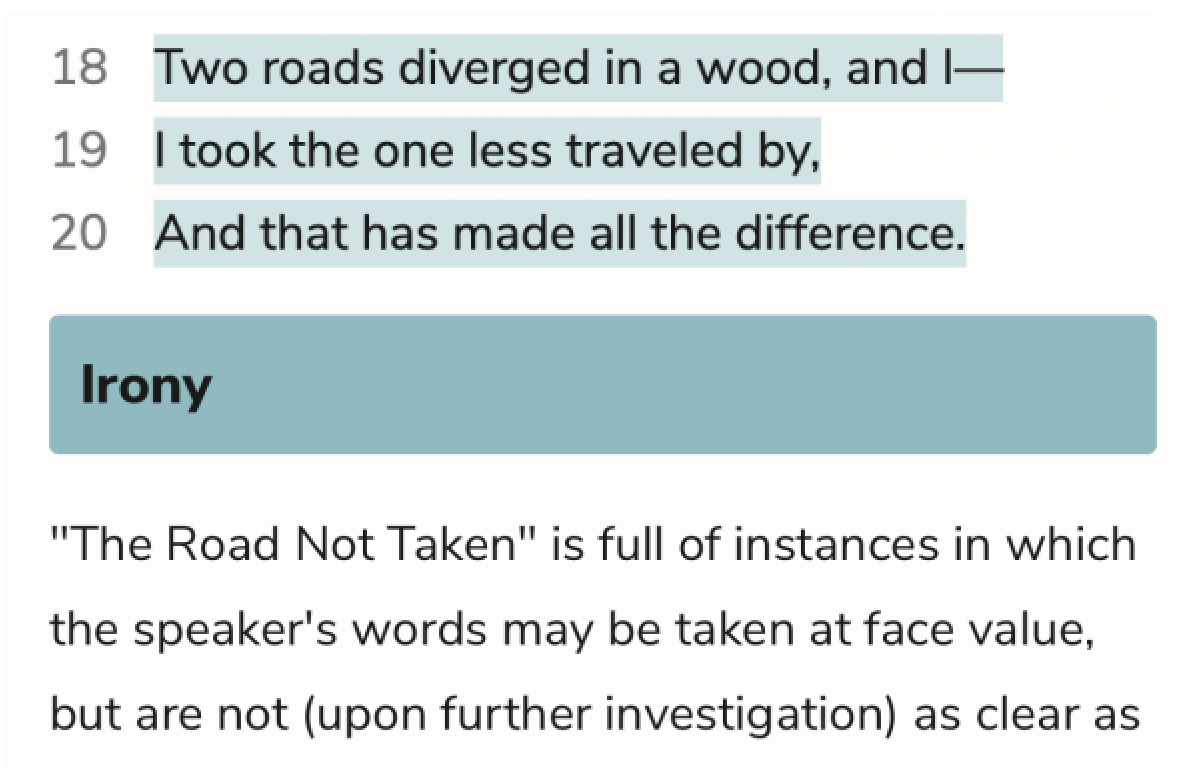
Quickly find and understand the key devices in whatever you’re reading.
Unlimited quizzes
Unlimited quizzes and feedback
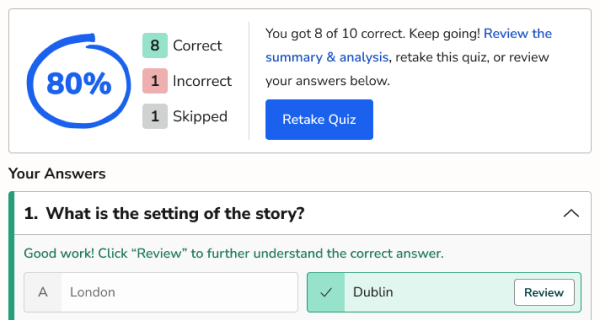
Boost your learning with quizzes that pinpoint and address knowledge gaps.
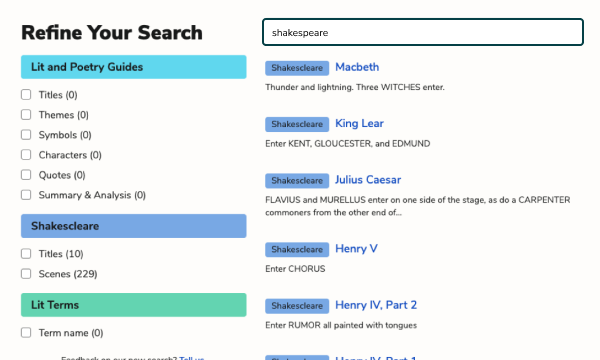
Advanced search
Find exactly what you need
Refine your search using advanced filters like genre, time period, literary movement, author context, grade level, and more.
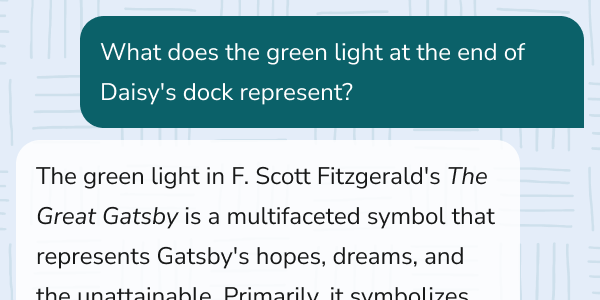
Ask LitCharts AI
Ask LitCharts AI
Instant answers to all your lit questions. Powered by LitCharts content and AI.
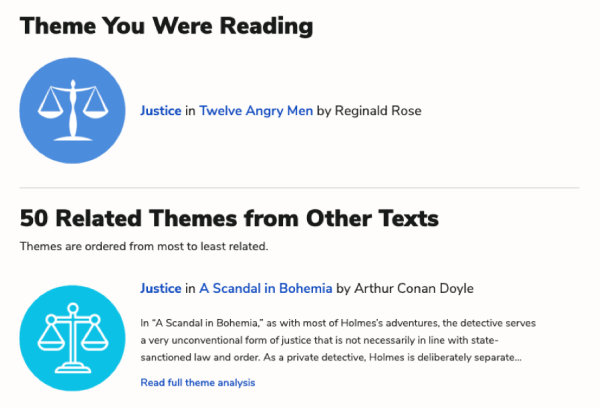
Theme comparisons across books
Compare and contrast
Identify similar themes across books, making comparisons fast and simple.
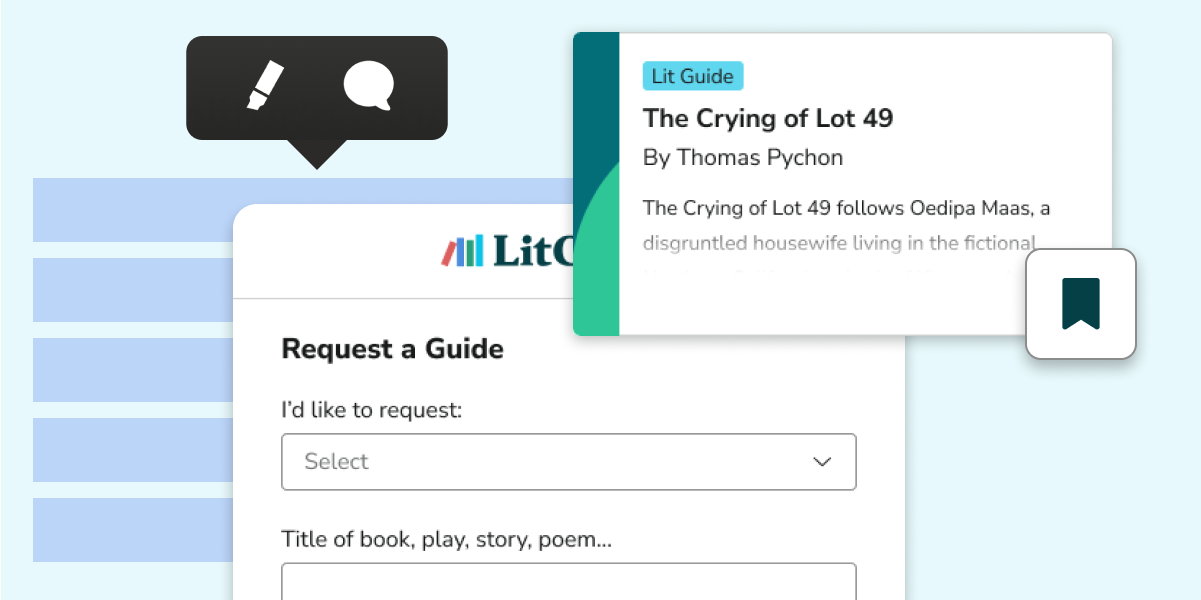
Highlight, take notes, & save guides
Make LitCharts your own
Add highlights or notes, save guides for easy access later, and request new titles.
 Teacher
$795USD/mo
Charged $95.40 USD every year
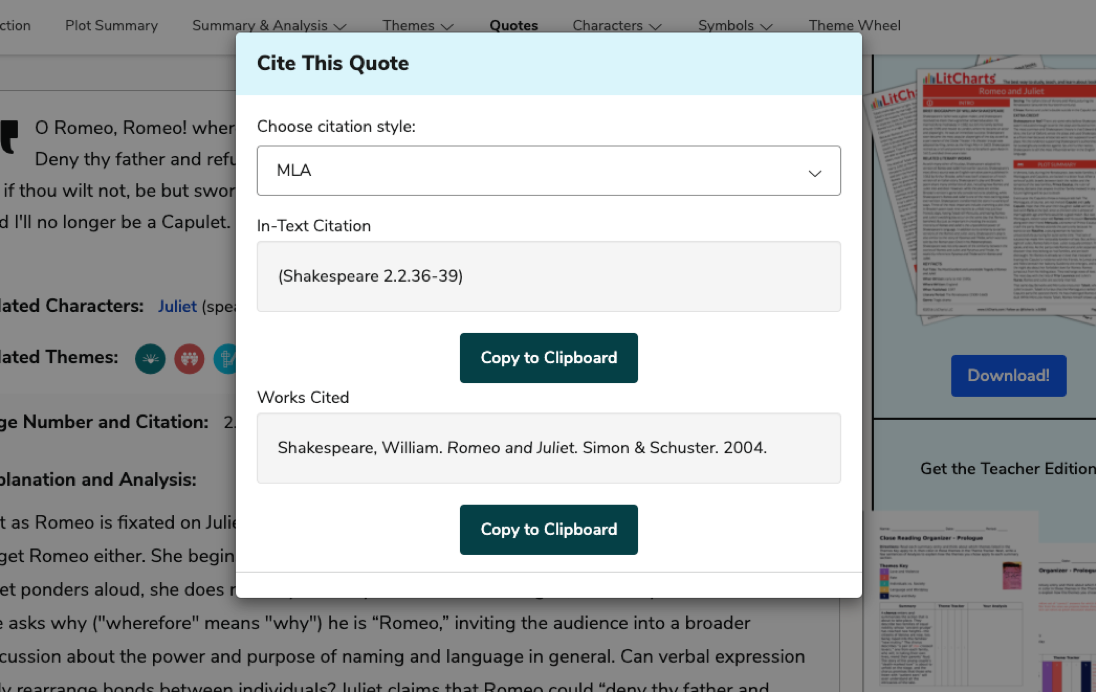
Quote explanations & citation info
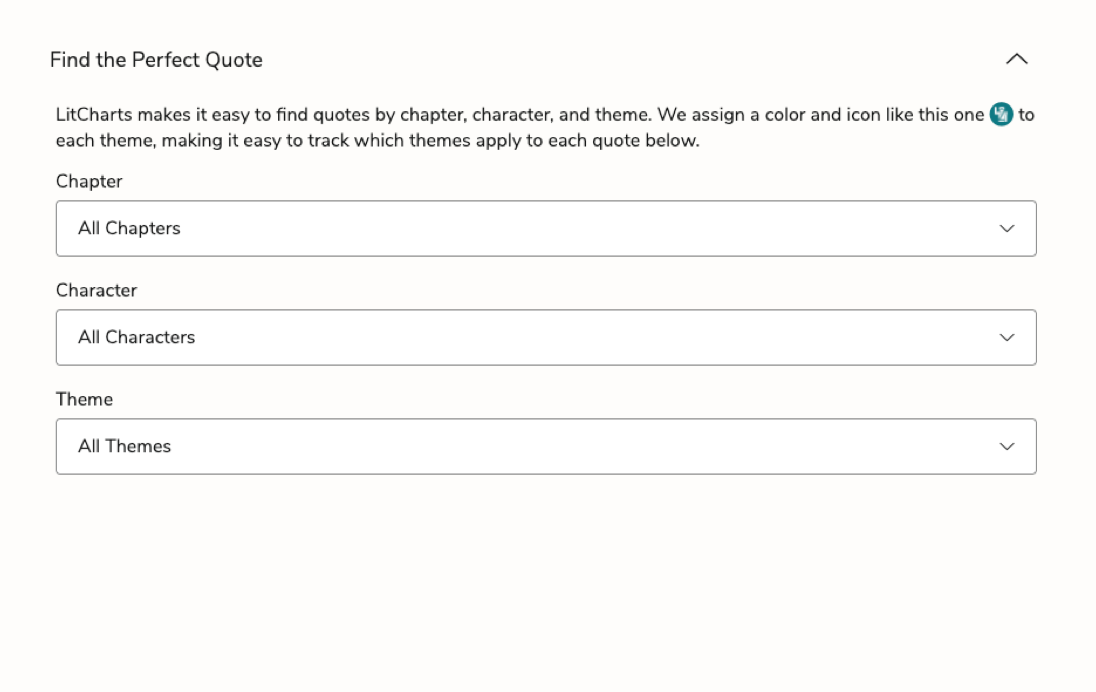
Find the perfect quote
Then understand it perfectly. And get the citation, too. For all 35,000+ quotes we cover.
Every PDF download
Printable PDFs for every guide
"Would not have made it through without the printable PDFs. They're like having in-class notes for every discussion!"
– LitCharts A⁺ user
One-page Quick Lit Guides
Understand key basics—fast
Printable, one-page guides that cover the plot points, themes, and ideas you need to know.
Detailed chapter analysis
Get what happens and what it means
Targeted analysis next to the summary ensures you’ll understand more than just the plot.
Line-by-line poetry analysis
Get the meaning in every line
Never feel lost reading a poem again with clear and in-depth analysis of each and every line.
Literary & poetic device analysis
Decode the author’s language
Quickly find and understand the key devices in whatever you’re reading.
Unlimited quizzes
Unlimited quizzes and feedback
Boost your learning with quizzes that pinpoint and address knowledge gaps.
Advanced search
Find exactly what you need
Refine your search using advanced filters like genre, time period, literary movement, author context, grade level, and more.
Ask LitCharts AI
Ask LitCharts AI
Instant answers to all your lit questions. Powered by LitCharts content and AI.
Theme comparisons across books
Compare and contrast
Identify similar themes across books, making comparisons fast and simple.
Highlight, take notes, & save guides
Make LitCharts your own
Add highlights or notes, save guides for easy access later, and request new titles.
Teacher editions
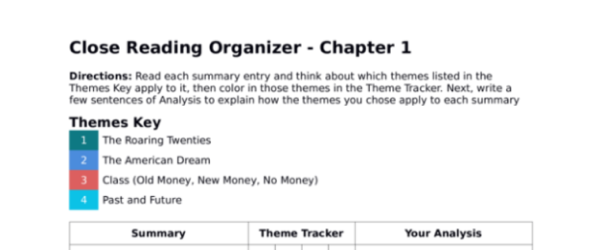
Save time with in-depth organizers
"THE best teaching resource I have ever used. My students love the handouts."
– LitCharts A⁺ User
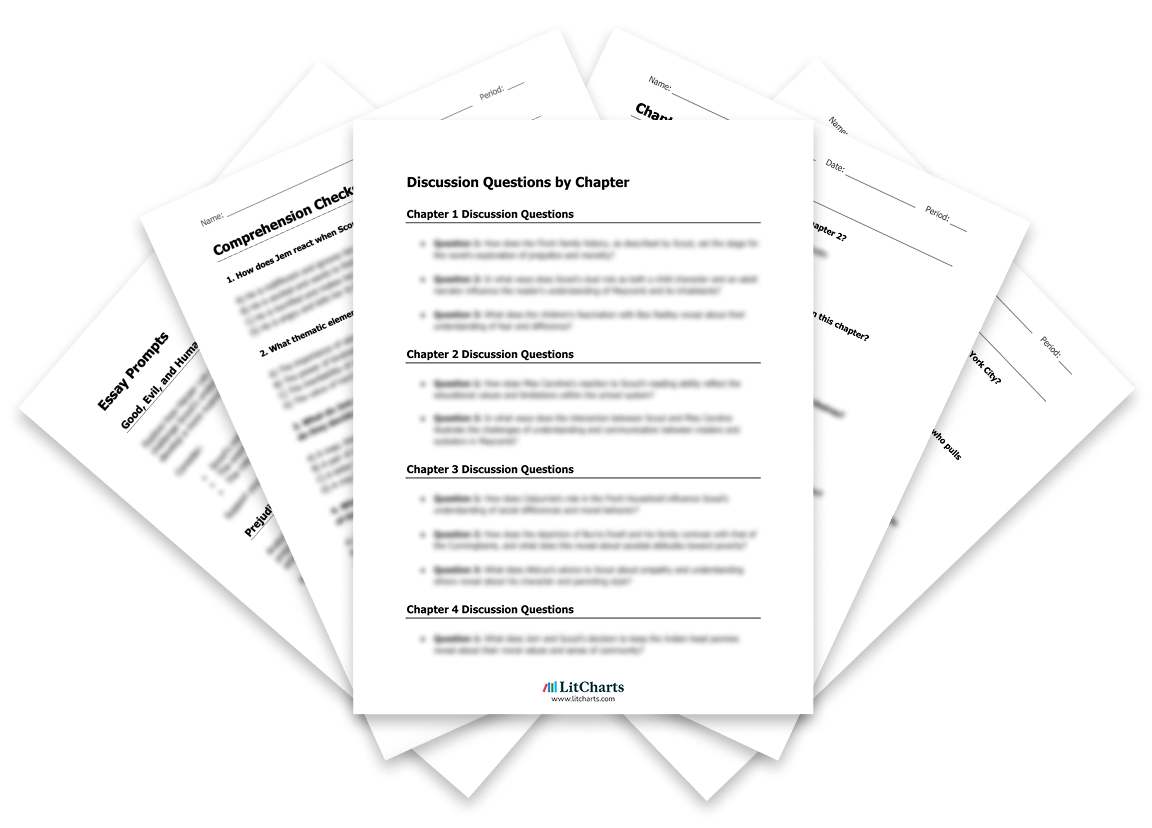
Printable classroom resources
Cut prep time in half
Essay prompts, discussion questions, and comprehension checks—easy to print and ready to use in class.
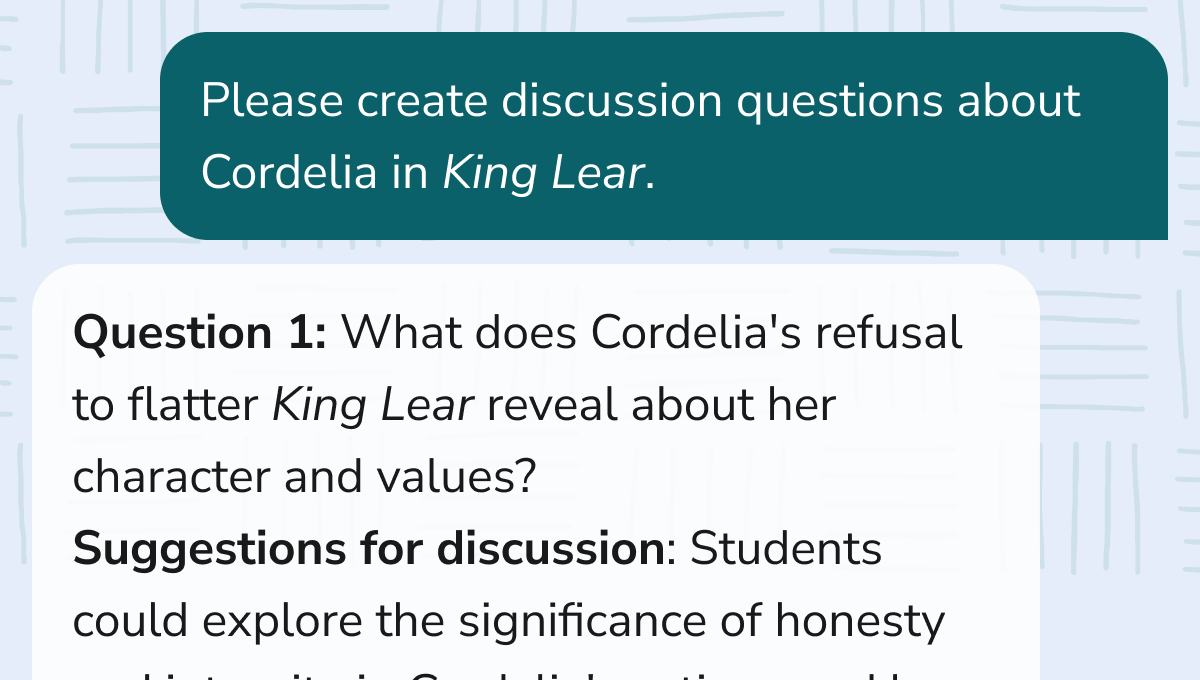
Discussion question generator
Discussion question generator
Instantly create discussion questions that get people talking, through the power of LitCharts analysis and AI.
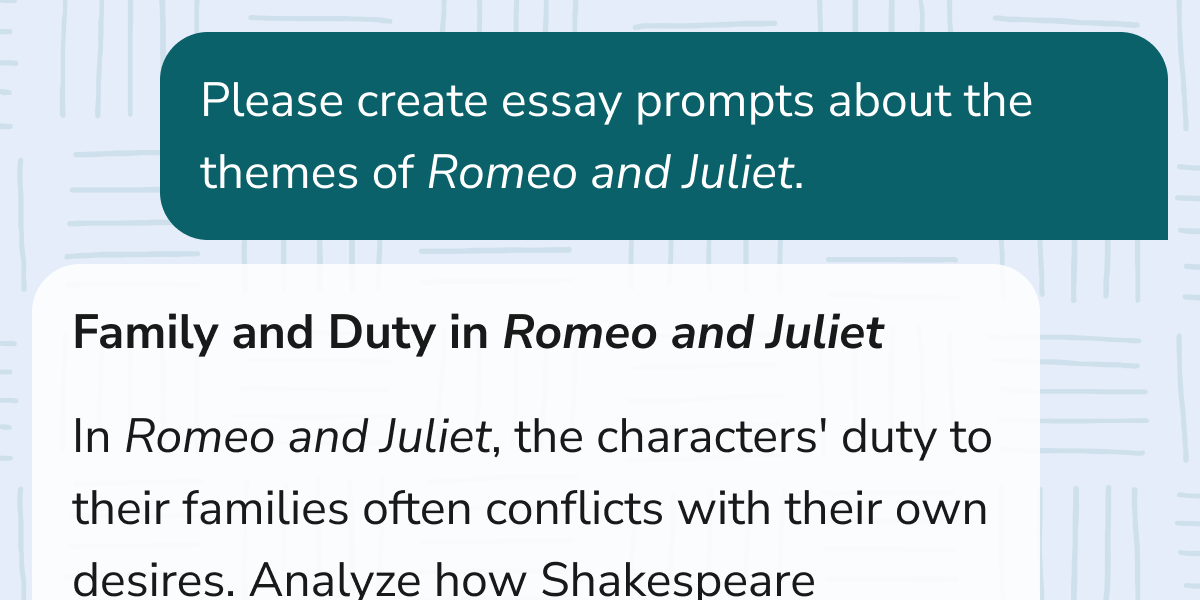
Essay prompt generator
Essay prompt generator
Quickly create thought-provoking essay prompts that will get your students writing, powered by LitCharts analysis and AI.
Quiz question generator
Quiz question generator
Effortlessly generate targeted quiz questions, powered by the world’s best literary analysis and AI.


Literature Guide PDFs
LitCharts PDFs for every book you'll read this year.
Instant PDF downloads of all 2256 LitCharts literature guides and of every new one we publish. Try a free sample literature guide.
"Would not have made it through AP Literature without the printable PDFs. They're like having in-class notes for every discussion!"



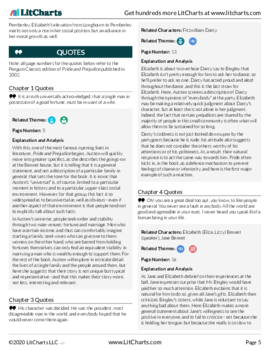


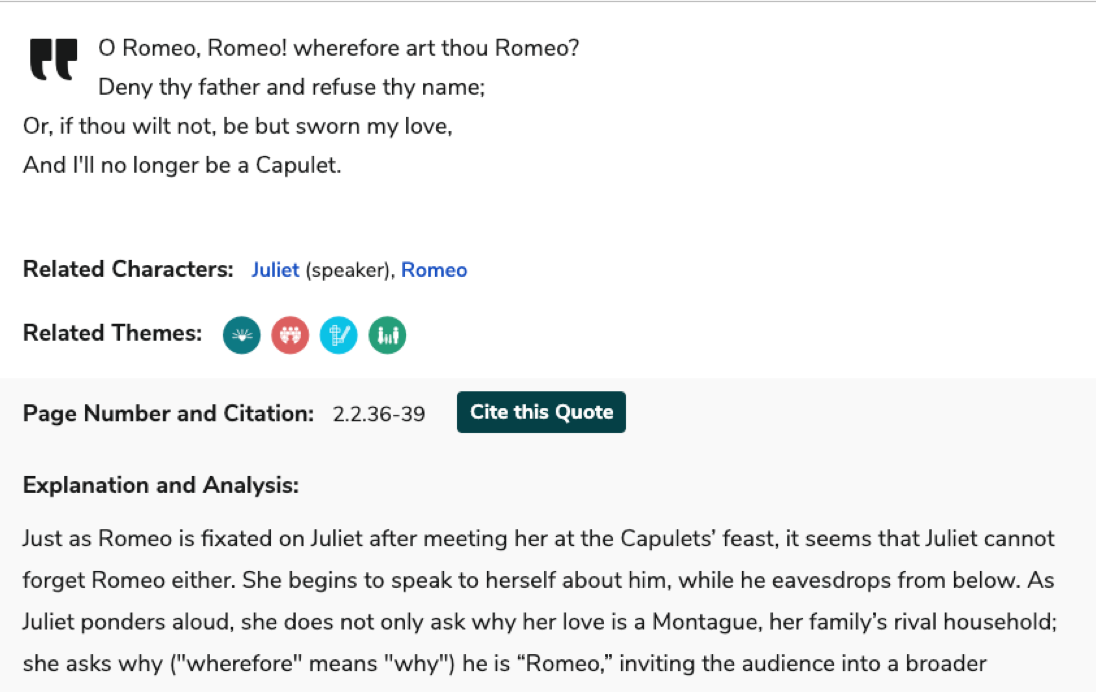
Quotes Explanations
Find the perfect quote. Understand it perfectly. Then rock the citation, too.
For all 50,308 quotes we cover.
For all 50,308 quotes we cover.


Teacher Editions
Close reading made easy for students.
Time saved for teachers.
For every book we cover.
Time saved for teachers.
For every book we cover.
Teacher Edition Contents

|
Close Reading Organizers |

|
Character Analysis Organizers |

|
Symbol Analysis Organizers |

|
Theme Analysis Organizers |

|
Quote Analysis Organizers |
Common Core-aligned
""
Try a free and complete sample Teacher Edition.


PDFs of modern translations of every one of Shakespeare's 37 plays, 154 sonnets, and 3 longer poems.
Every translation available to download as a PDF.
Try a free sample Shakespeare translation.
"Every teacher of literature should use these translations. They completely demystify Shakespeare. Students love them!"

Literary Terms and Devices
Definitions and examples for every literary term and device you need to know.
Plus a quick-reference PDF with concise definitions of all 136 terms in one place.
Plus a quick-reference PDF with concise definitions of all 136 terms in one place.
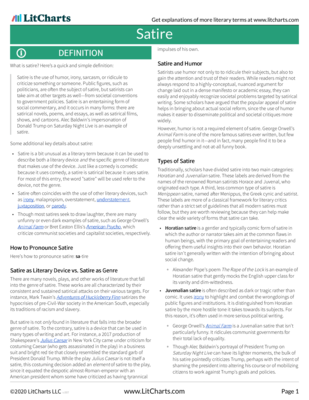
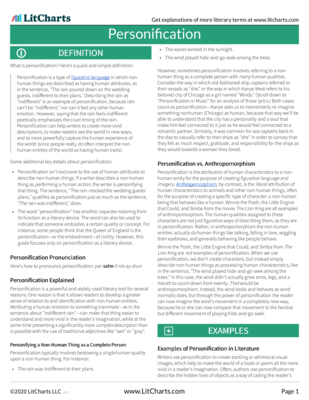
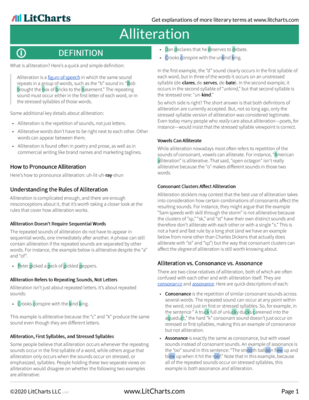
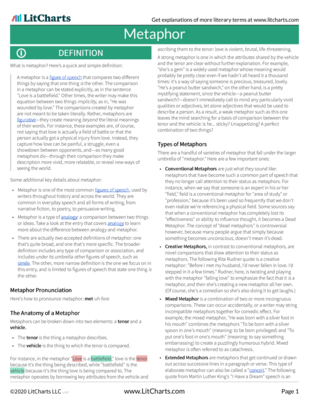
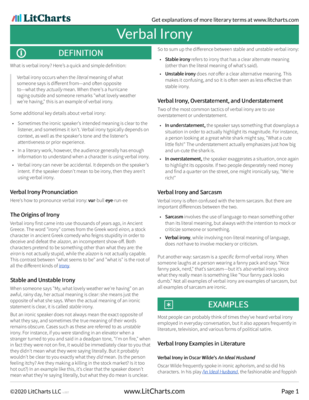
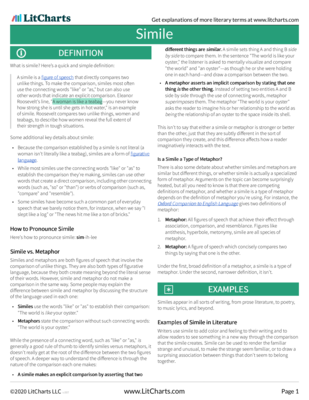
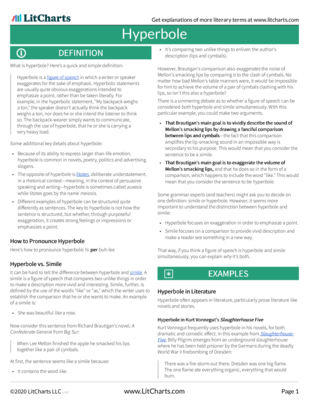
Try a free sample literary term PDF.


Advanced Search
Refine any search. Find related themes, quotes, symbols, characters, and more.
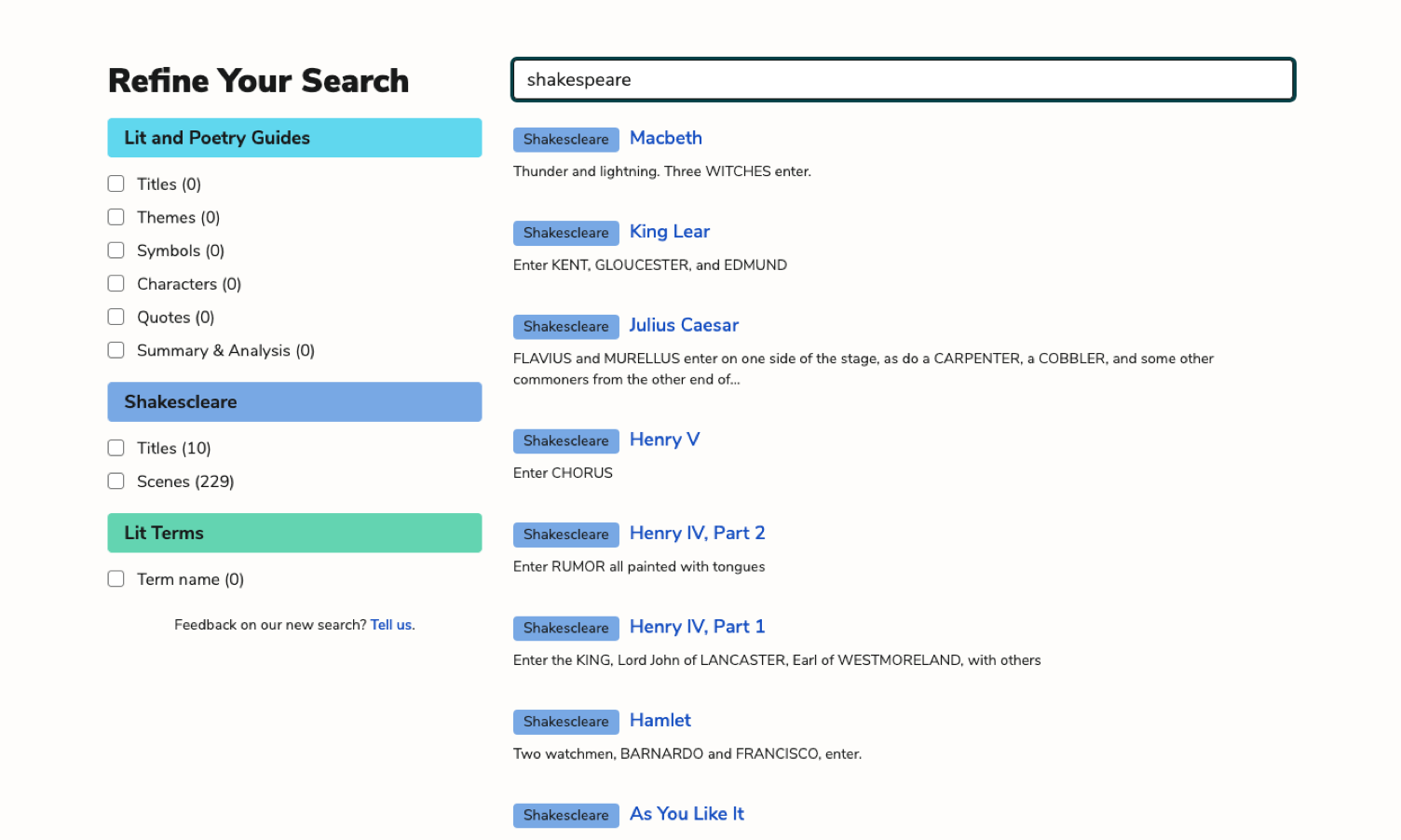
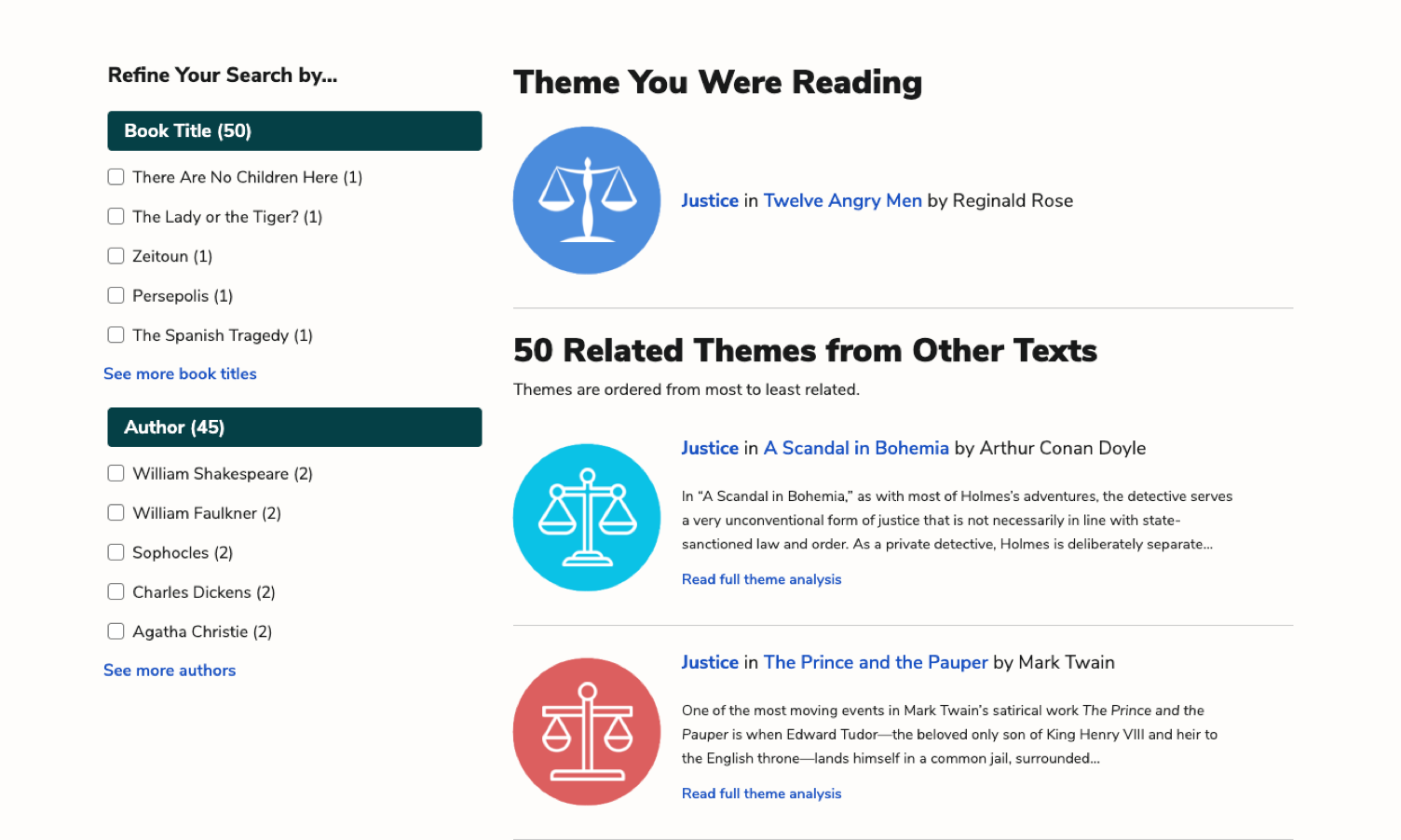
Related Themes
Comparing and contrasting texts? Find where any theme occurs across all of LitCharts in seconds.


Poetry Guides
Line-by-line explanations and analysis of figurative language and poetic devices.
For every lyric poem we cover.
For every lyric poem we cover.