
|
Have questions?
Contact us
Already a member? Sign in
|
Get every literary device explanation for A Christmas Carol
Plus so much more...
Sign up for LitCharts A+
Get instant access to every literary device explanation, plus so much more...
Simile
Explanation and Analysis—Scrooge's Transformation:
At the beginning of the tale in Stave 1, Dickens uses negative similes to establish Scrooge's character. Apparently, Scrooge is:
Hard and sharp as flint, from which no steel had ever struck out generous fire; secret, and self-contained, and solitary as an oyster.
Flint and oysters are not very palatable things to be compared to. Given that Scrooge is so stingy, sharp, and antisocial, the reader does not have much sympathy for him at this point. However, at the end of the tale in Stave 5, Scrooge employs a string of similes to celebrate his return to the present:
I am light as a feather, I am as happy as an angel, I am as merry as a school-boy. I am as giddy as a drunken man.
This self-description provides evidence of his transformation. It contrasts sharply with the narrator's initial description, as these positive similes differ greatly from ones like "as hard and sharp as flint" or "solitary as an oyster." Indeed, Scrooge has become a new man. Instead of being hard and sharp, he is soft and light. Instead of being a crotchety old man, he feels like a schoolboy. He becomes nearly inebriated with joy.
When Scrooge finds himself able to embrace his community, he finds himself forever changed. Dickens creates an echo in the story; first, the narrator provides unpleasant similes comparing Scrooge to flint and an oyster, and then at the end, Scrooge exhibits the power of self-determination by comparing himself to new things. This might seem like a small detail, but regardless of whether or not the reader consciously juxtaposes these similes, they underscore Scrooge's transformation and provide evidence of a true change of heart.
Monthly
Annual (Best Value)

$595USD/mo
Charged $71.40 USD every year
 Teacher
$795USD/mo
Charged $95.40 USD every year
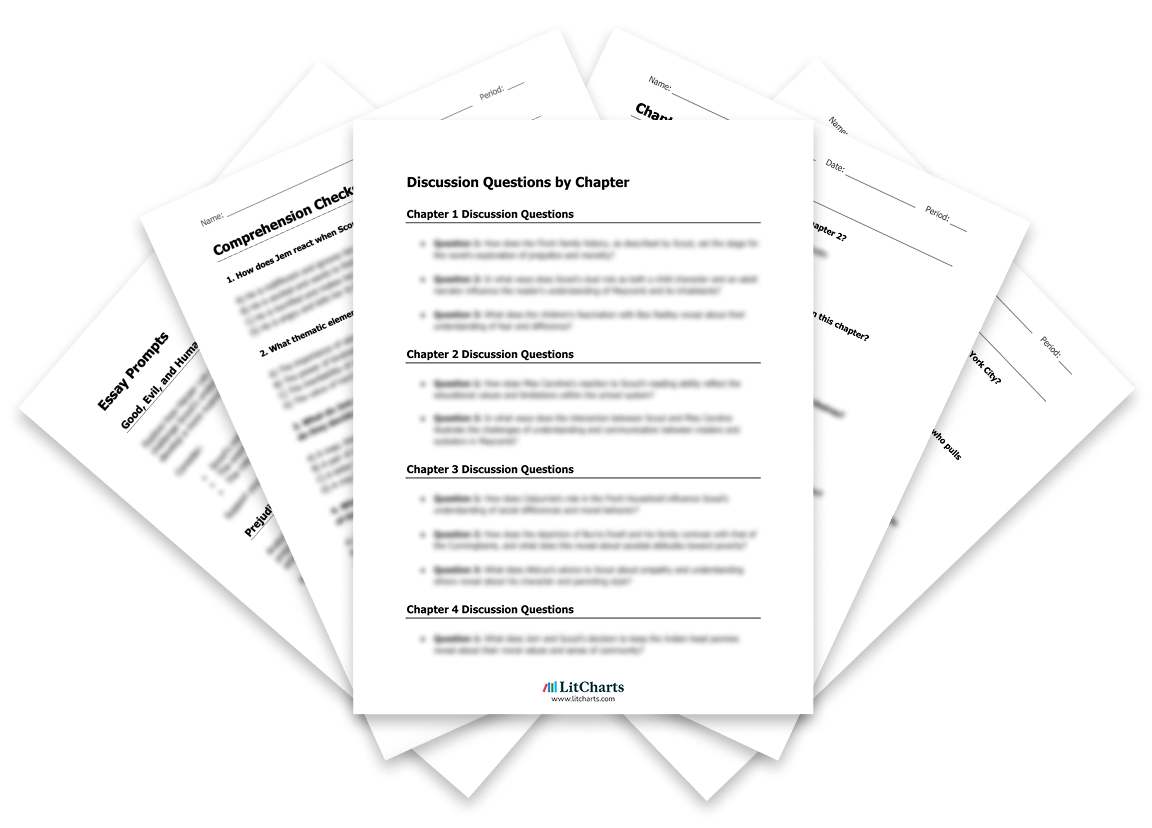


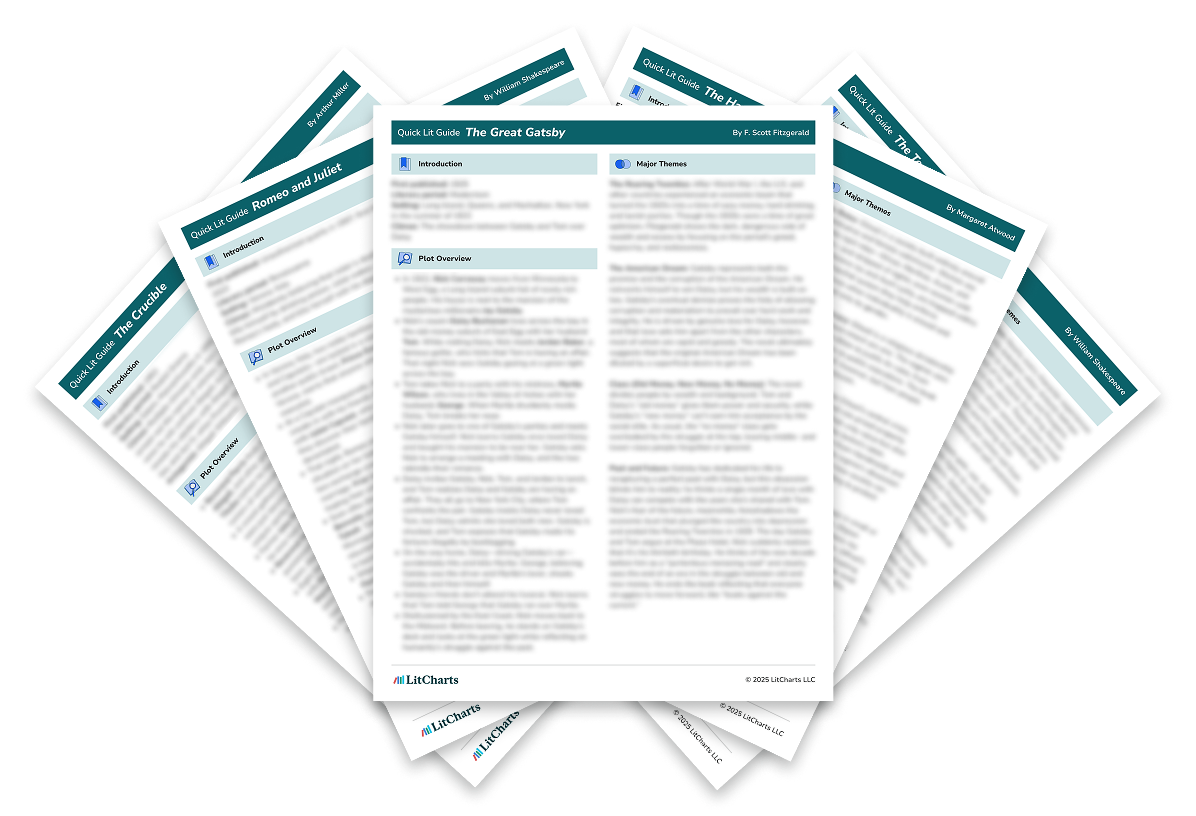
Literature Guide PDFs
LitCharts PDFs for every book you'll read this year.
Instant PDF downloads of all 2252 LitCharts literature guides and of every new one we publish. Try a free sample literature guide.
"Would not have made it through AP Literature without the printable PDFs. They're like having in-class notes for every discussion!"








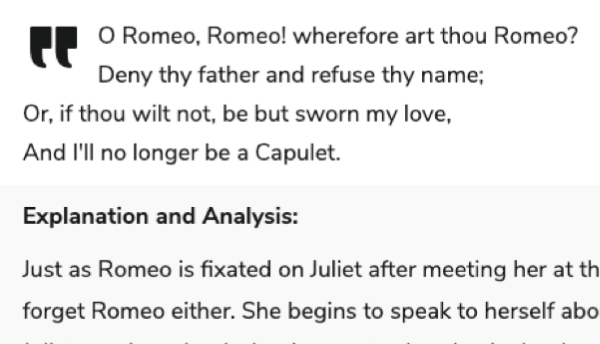
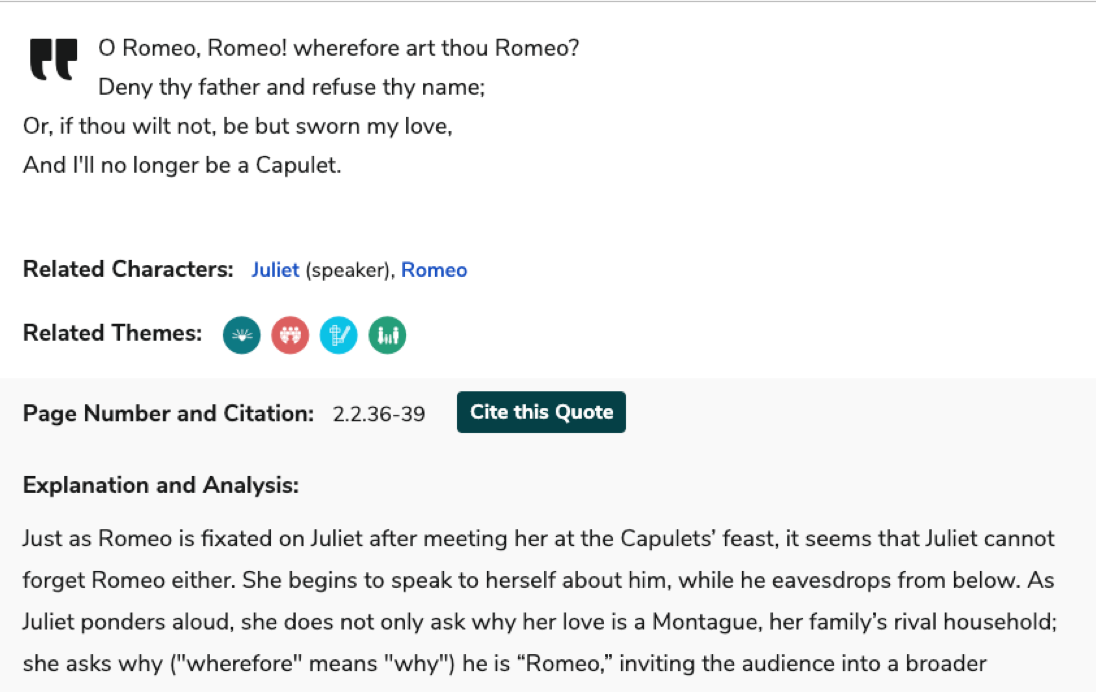
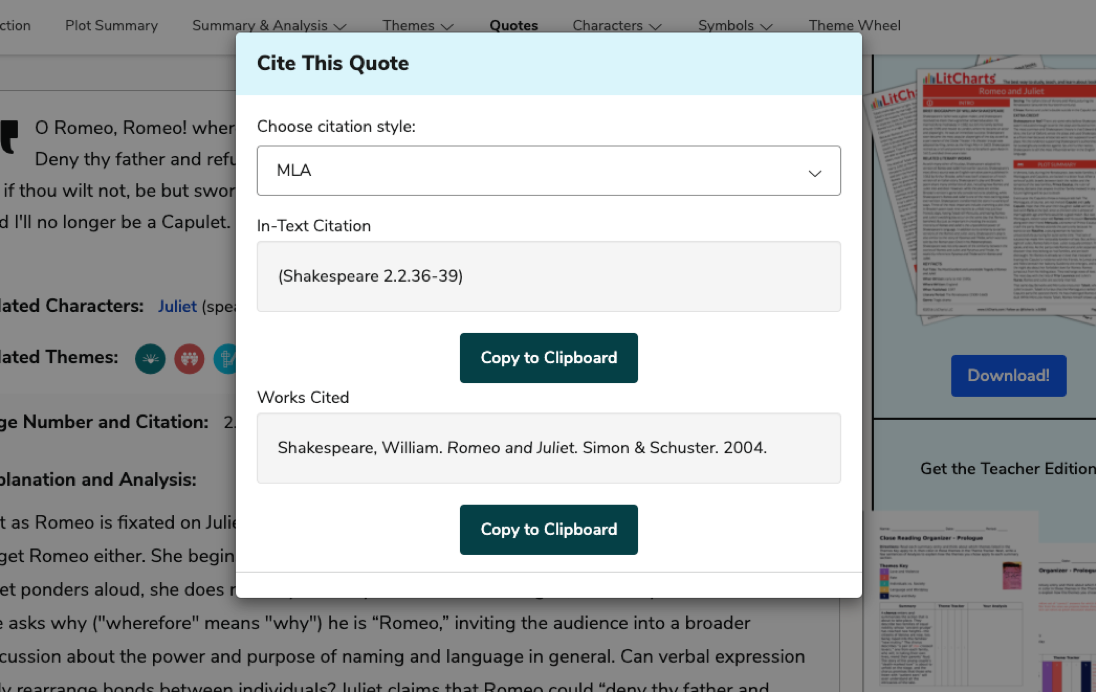
Quotes Explanations
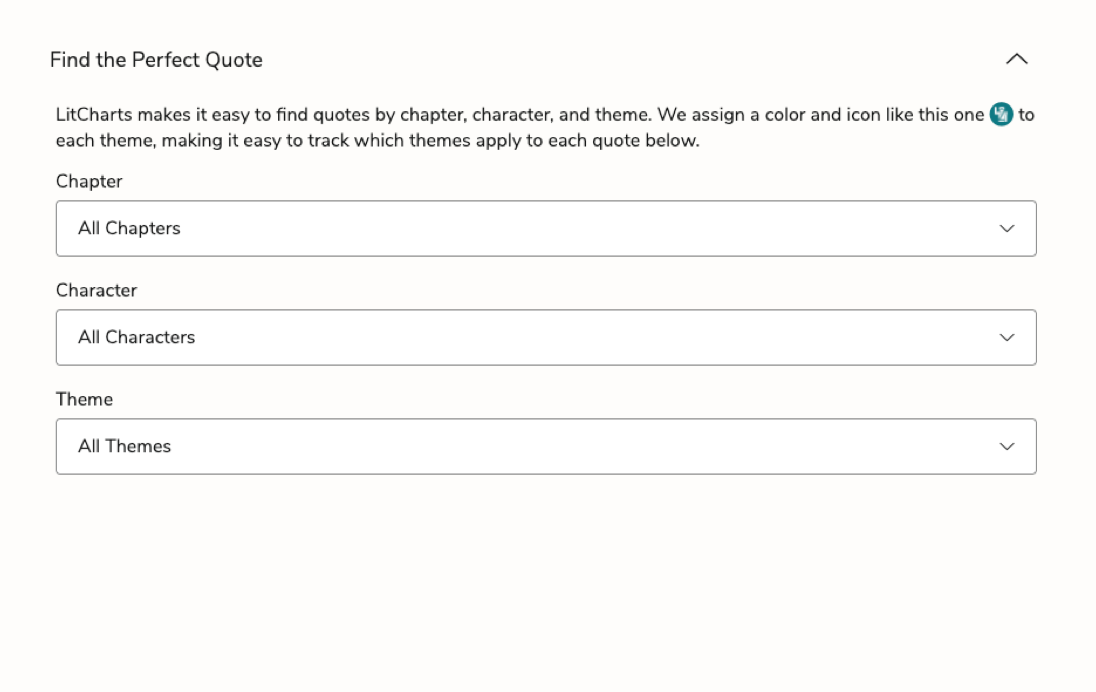
Find the perfect quote. Understand it perfectly. Then rock the citation, too.
For all 50,213 quotes we cover.
For all 50,213 quotes we cover.


Teacher Editions
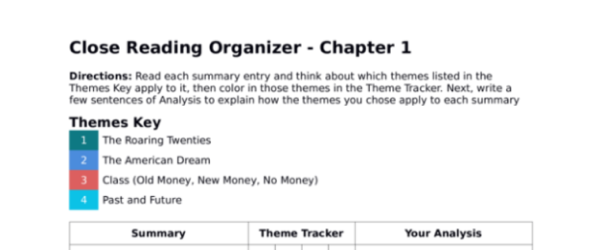
Close reading made easy for students.
Time saved for teachers.
For every book we cover.
Time saved for teachers.
For every book we cover.


Common Core-aligned


PDFs of modern translations of every one of Shakespeare's 37 plays, 154 sonnets, and 3 longer poems.

Literary Terms and Devices
Definitions and examples for every literary term and device you need to know.
Plus a quick-reference PDF with concise definitions of all 136 terms in one place.
Plus a quick-reference PDF with concise definitions of all 136 terms in one place.
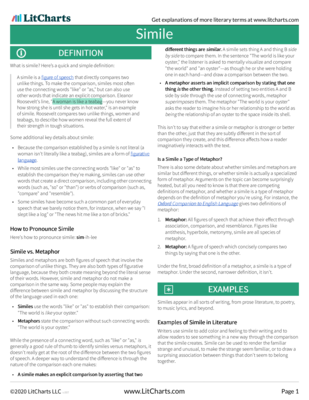
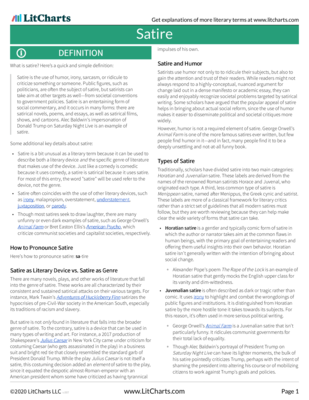
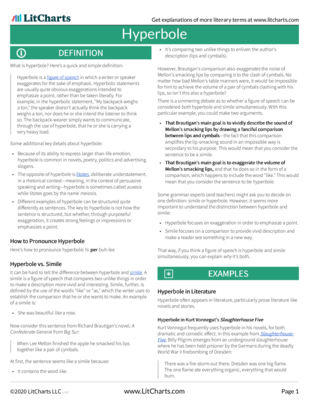
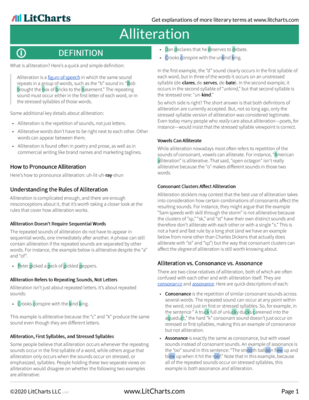
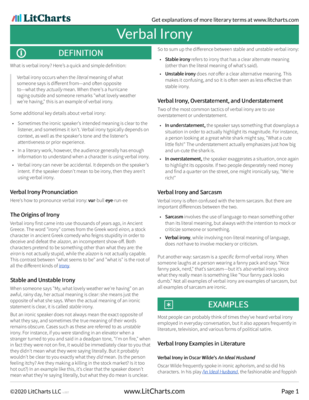
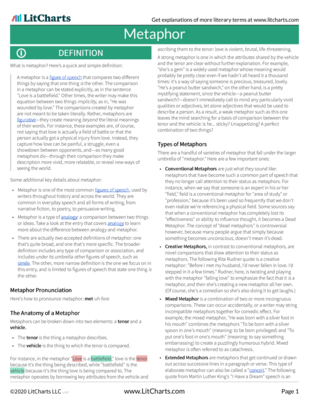
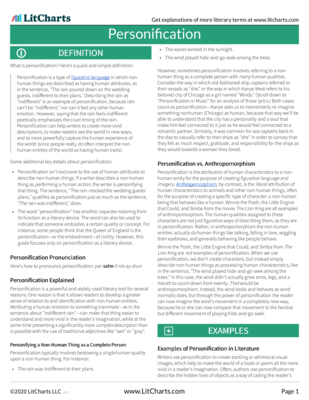
Try a free sample literary term PDF.


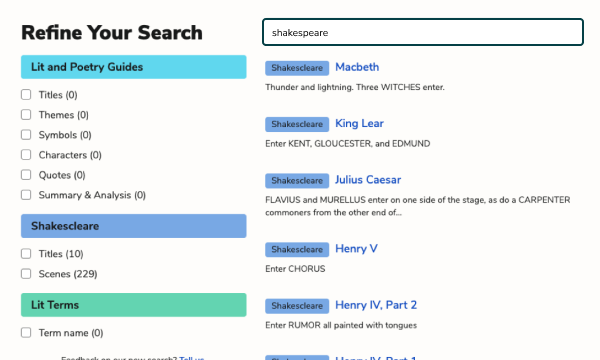
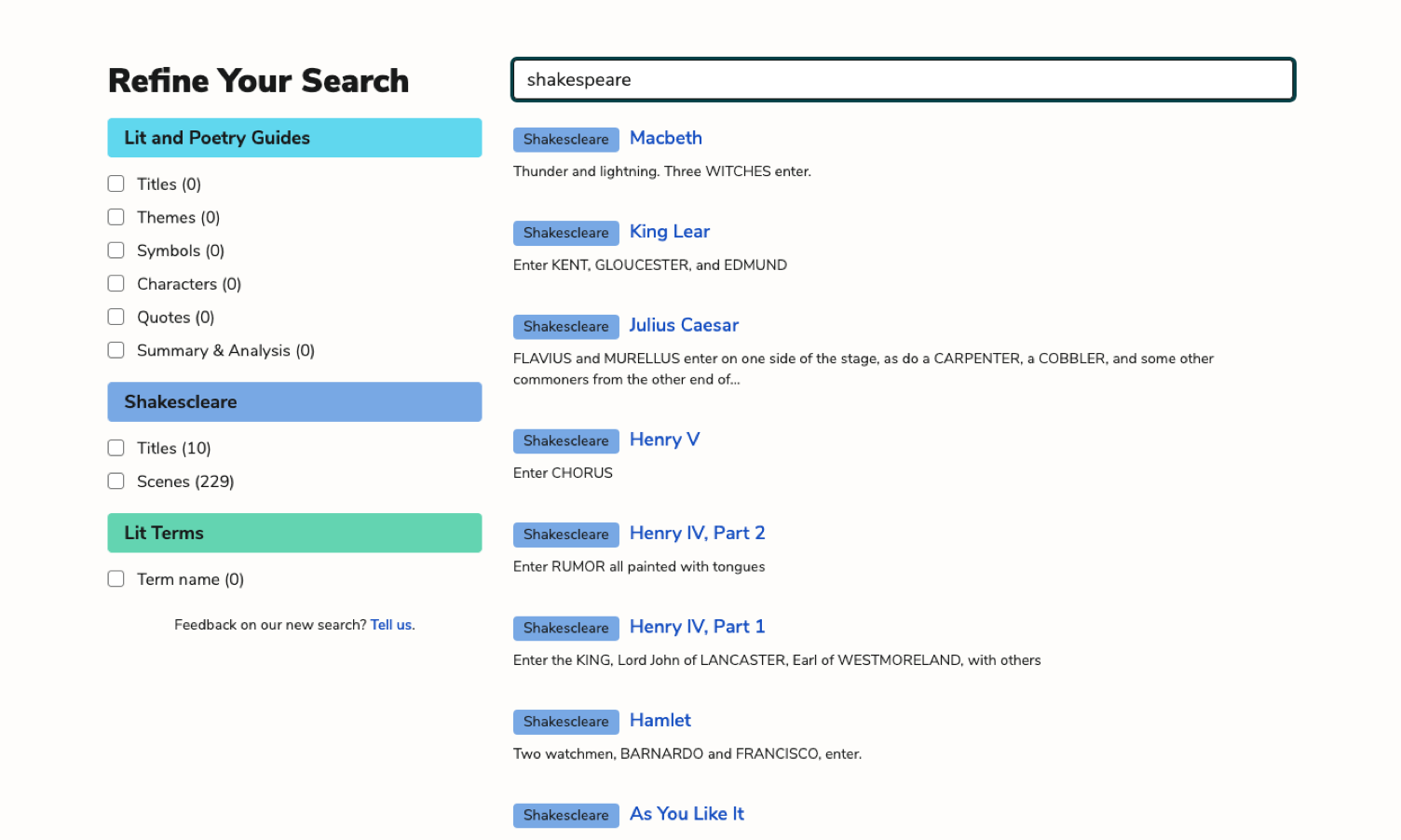
Advanced Search
Refine any search. Find related themes, quotes, symbols, characters, and more.

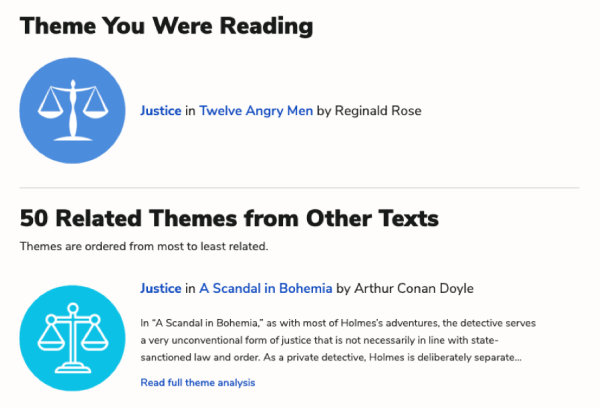
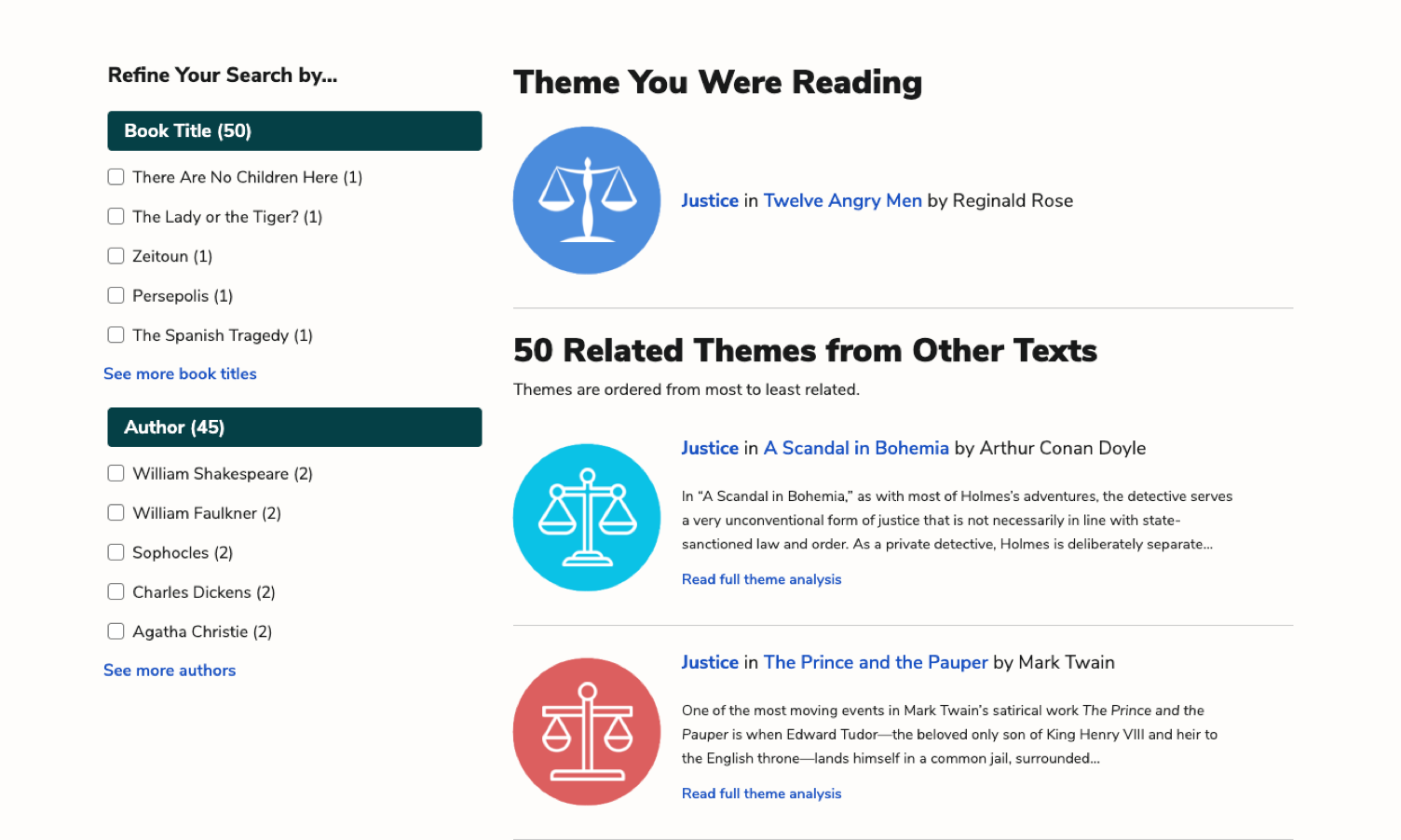
Related Themes
Comparing and contrasting texts? Find where any theme occurs across all of LitCharts in seconds.


Poetry Guides
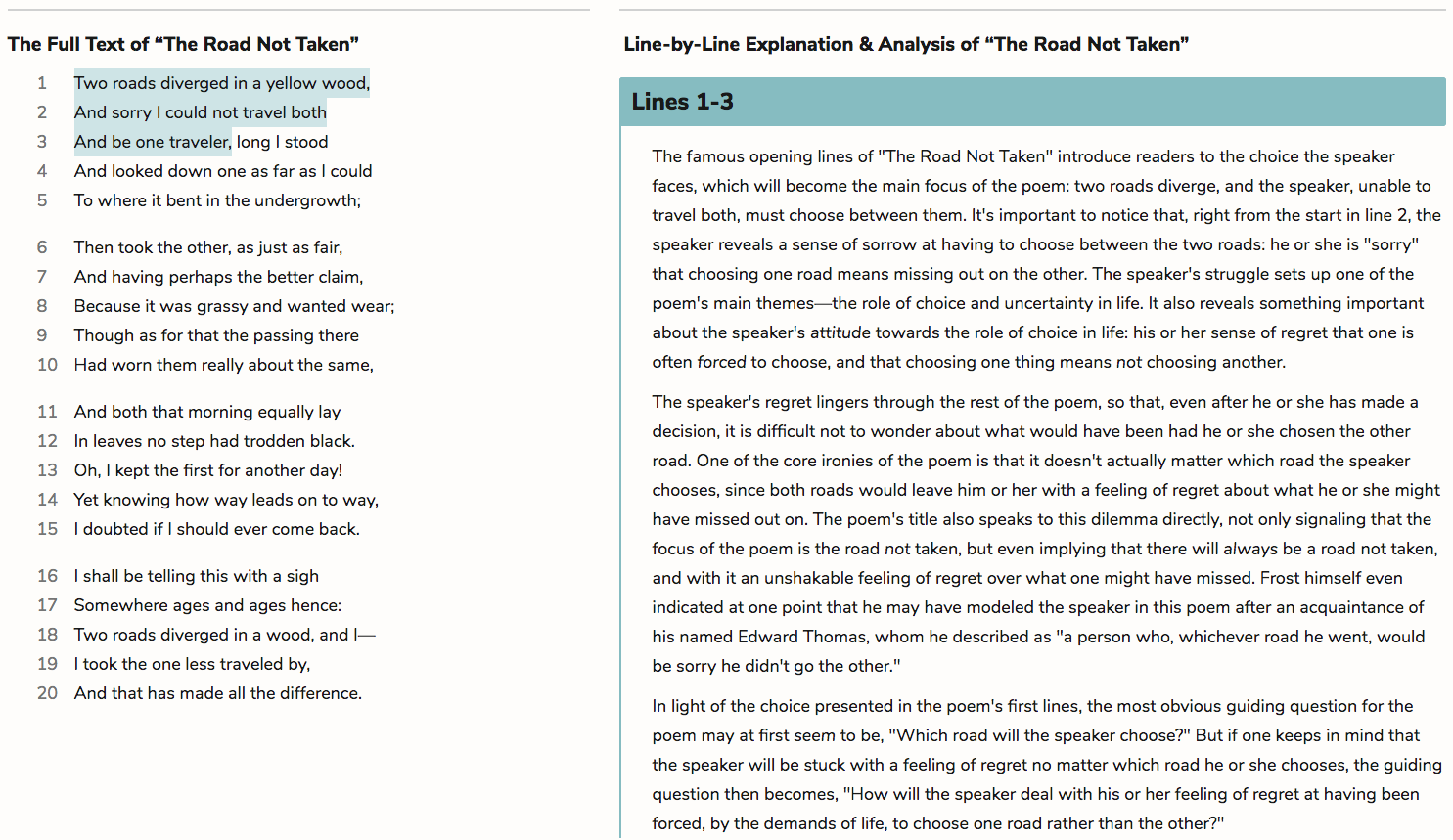
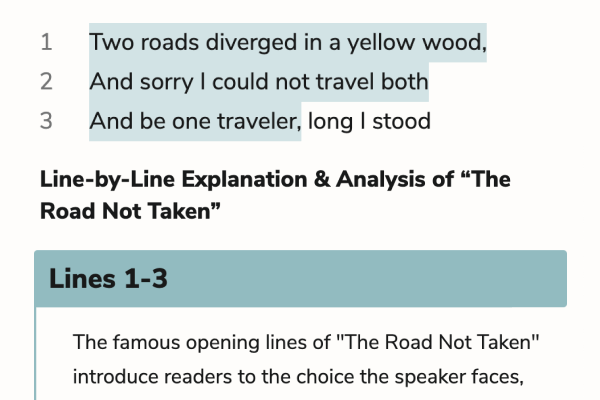
Line-by-line explanations and analysis of figurative language and poetic devices.
For every lyric poem we cover.
For every lyric poem we cover.