
|
Have questions?
Contact us
Already a member? Sign in
|
Get every literary device explanation for A Christmas Carol
Plus so much more...
Sign up for LitCharts A+
Get instant access to every literary device explanation, plus so much more...
Simile
Explanation and Analysis—As Dead as a Door-Nail:
The most famous simile in A Christmas Carol (and arguably one of the most famous similes in literature overall) appears on the very first page:
Old Marley was as dead as a door-nail.
The narrator repeats this line in the next paragraph to emphasize that Marley is, indeed, dead. Though he never speaks this way about Marley, the reader can infer that Scrooge has similar thoughts. A doornail is notably small and insignificant, but it can be used to build things. This idea recalls Marley's role as a sort of tool in Scrooge's business. Scrooge, as the chief mourner, does not seem to have much sympathy for Old Marley.
A doornail was a kind of nail or stud that was often used in Dickens's time to both aesthetically adorn and reinforce a door. Generally speaking, nails can usually be used more than once. But in Dickens's era, it was customary to hammer doornails into doors in such a way that made them useless for anything else. If the nails were hammered so their tips extended to the other side of the door, and then hammered flat against that side, they could not be extracted. Perhaps this is why Dickens chose to compare Marley to a doornail—a flattened doornail and a corpse are both fairly useless, with little to no chance of serving a purpose ever again. And yet, though the removal of such doornails is difficult, it is not impossible, and this slyly hints at the return of Marley's ghost.
The simile first appeared in Shakespeare's Henry IV. When Jack Cade leads a rebellion against the king, he declares that "if I do not leave you all as dead as a doornail, I pray God I may never eat grass more." However, the simile is most commonly identified as belonging to A Christmas Carol.
Monthly
Annual (Best Value)

$595USD/mo
Charged $71.40 USD every year
 Teacher
$795USD/mo
Charged $95.40 USD every year
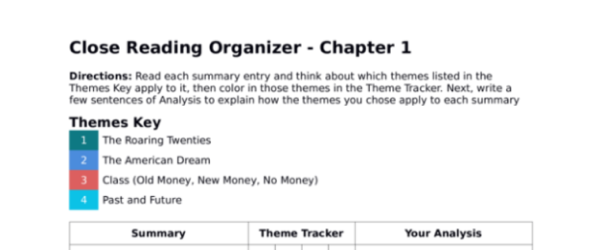
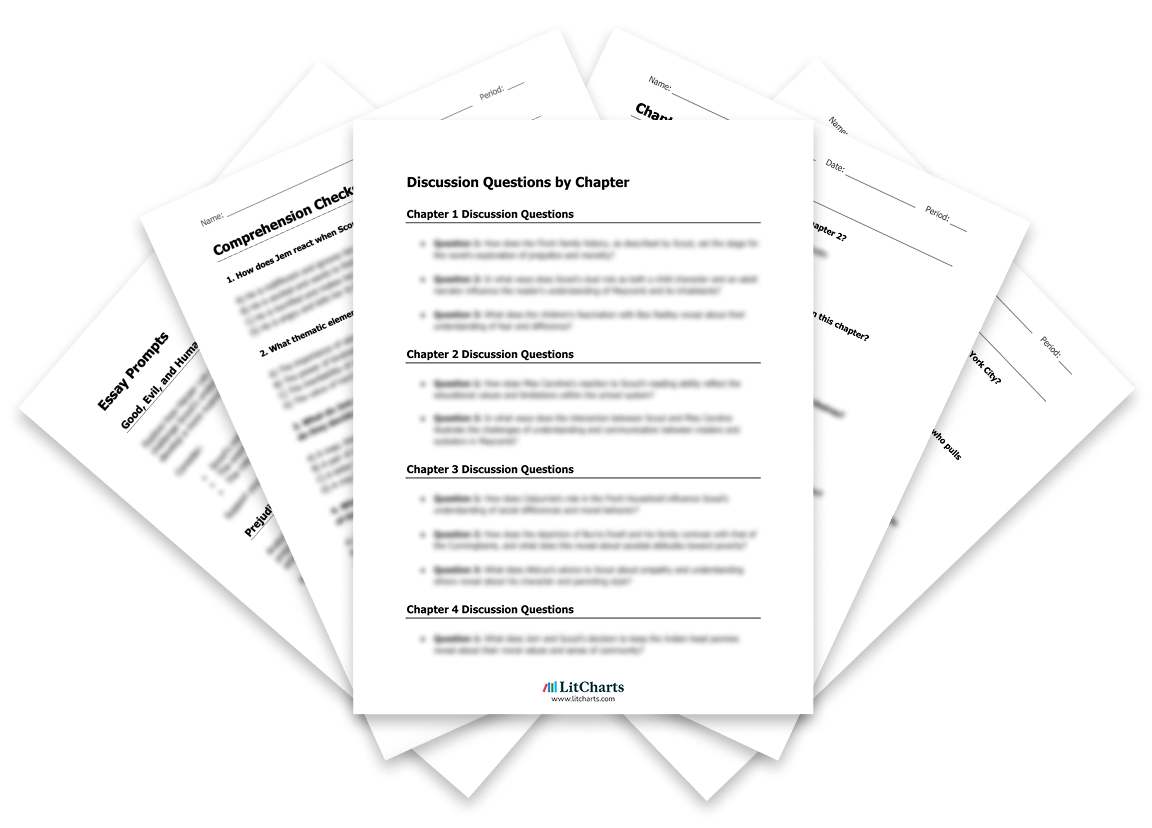
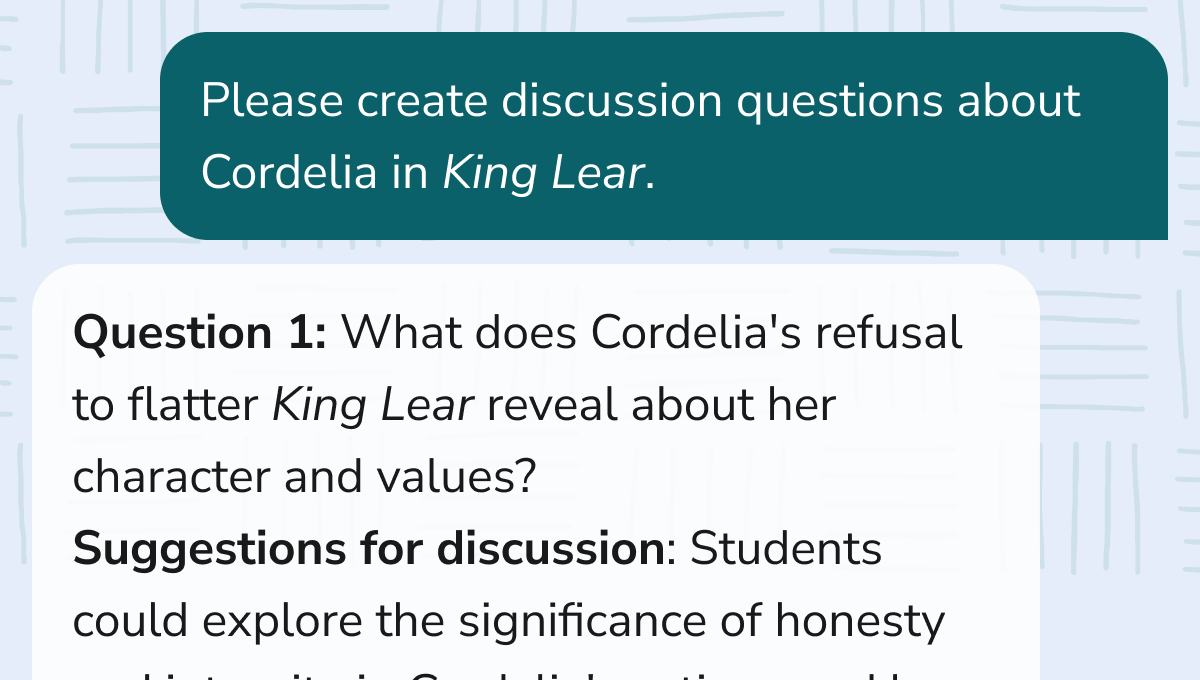
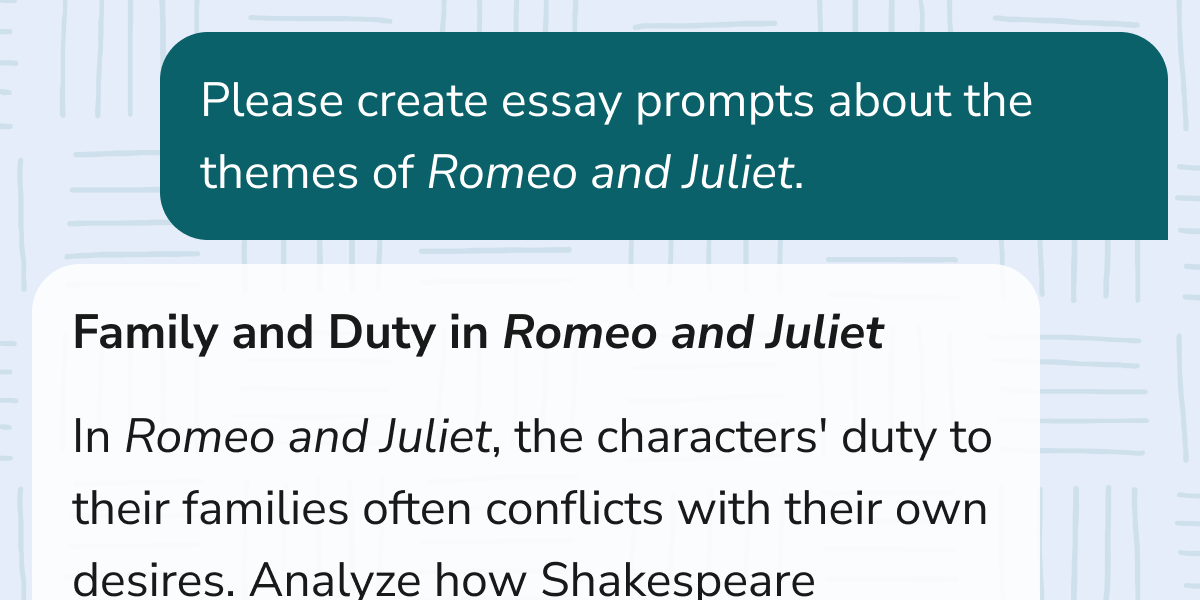
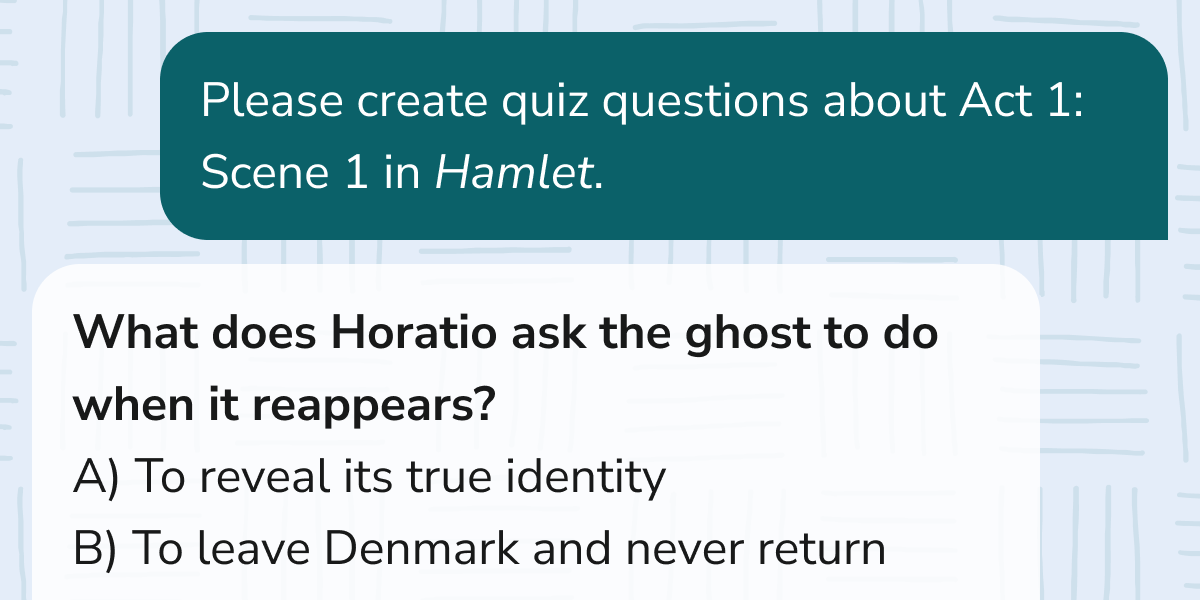


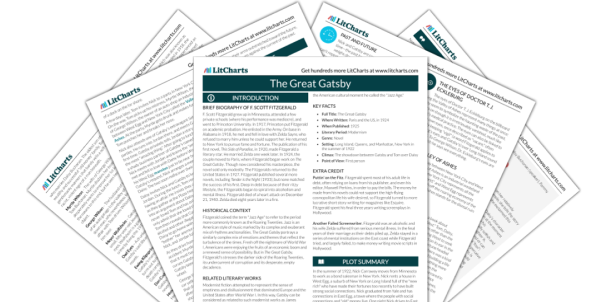
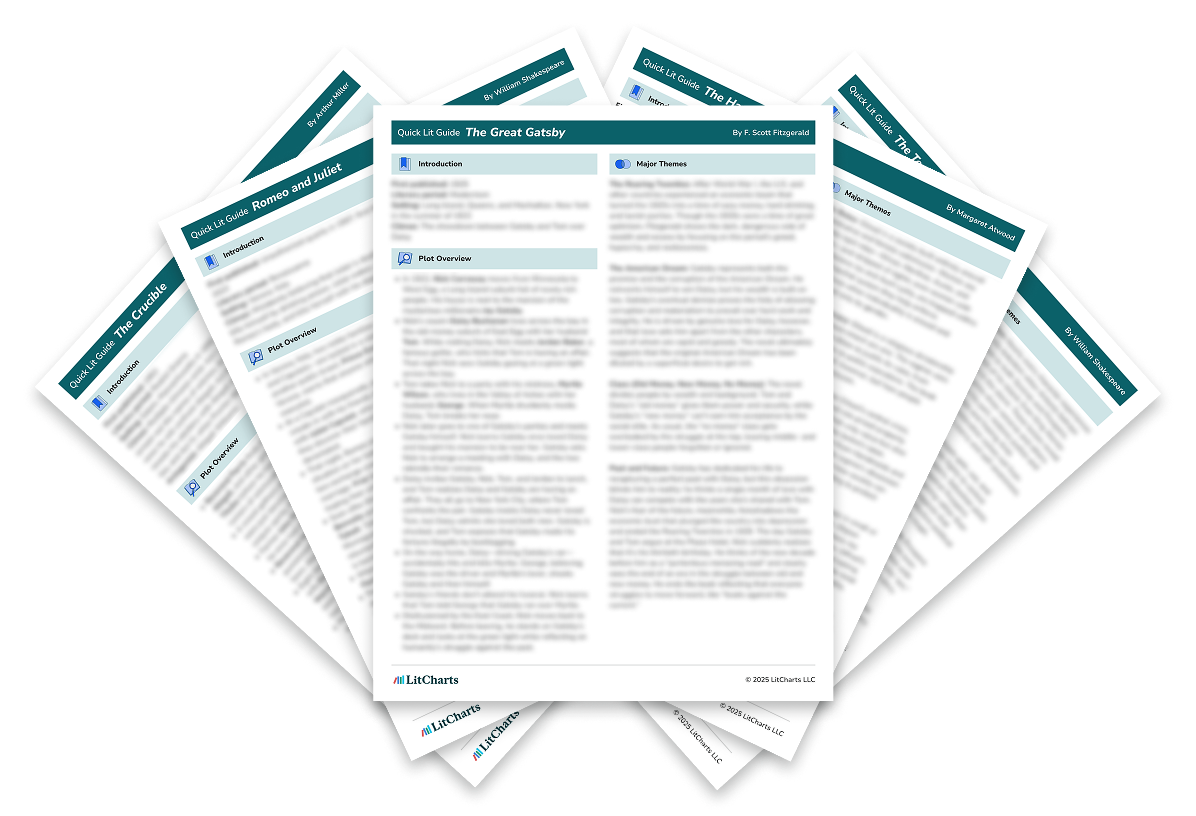
Literature Guide PDFs
LitCharts PDFs for every book you'll read this year.
Instant PDF downloads of all 2252 LitCharts literature guides and of every new one we publish. Try a free sample literature guide.
"Would not have made it through AP Literature without the printable PDFs. They're like having in-class notes for every discussion!"


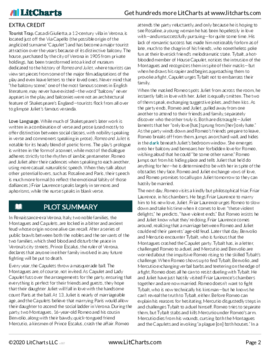






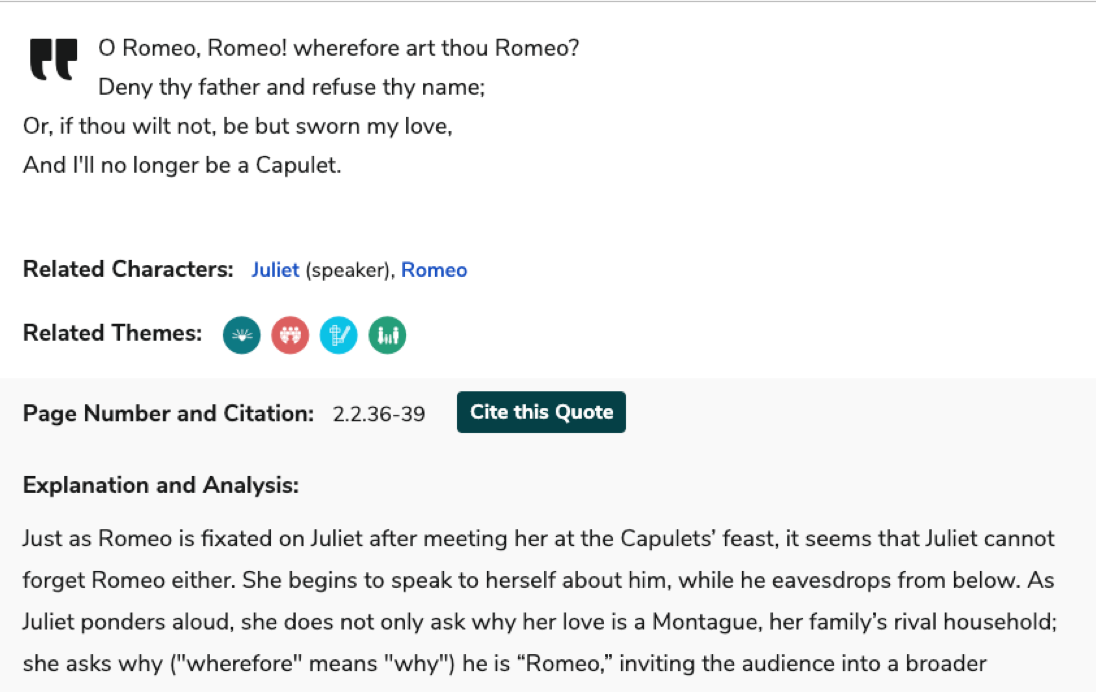
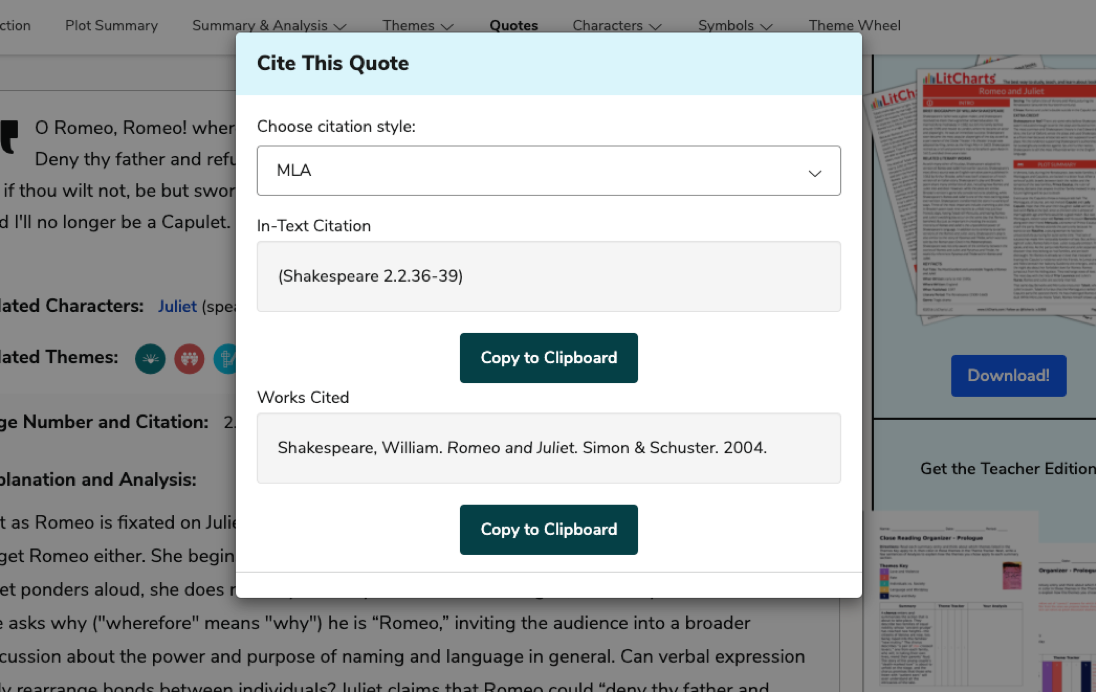
Quotes Explanations
Find the perfect quote. Understand it perfectly. Then rock the citation, too.
For all 50,213 quotes we cover.
For all 50,213 quotes we cover.
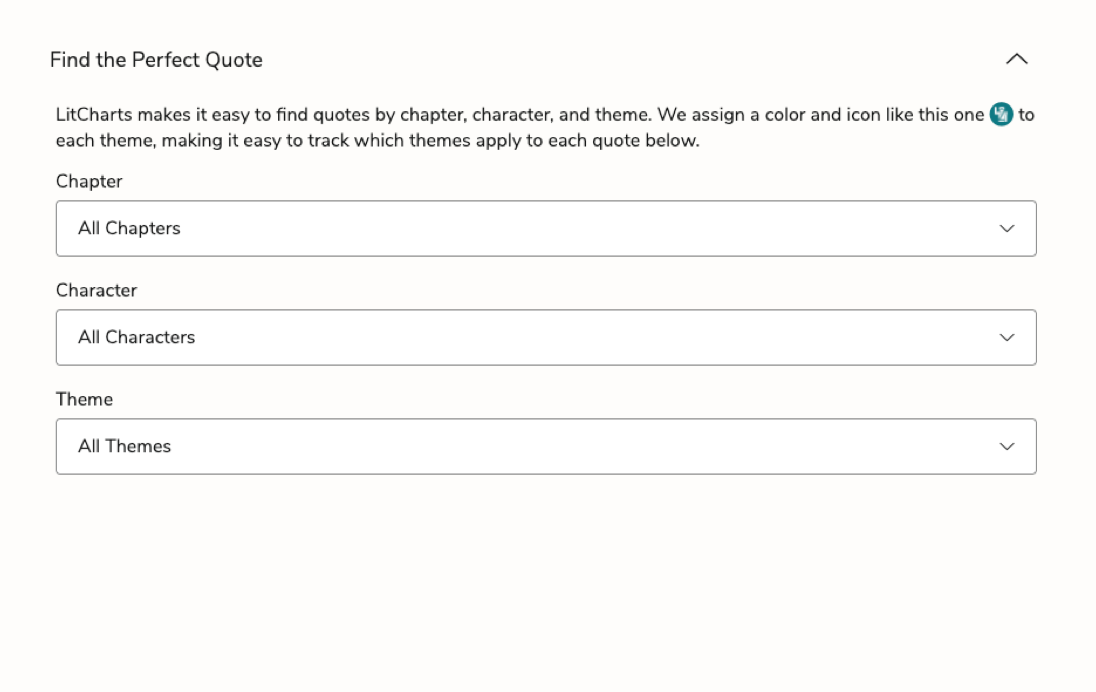


Teacher Editions
Close reading made easy for students.
Time saved for teachers.
For every book we cover.
Time saved for teachers.
For every book we cover.


Common Core-aligned


PDFs of modern translations of every one of Shakespeare's 37 plays, 154 sonnets, and 3 longer poems.

Literary Terms and Devices
Definitions and examples for every literary term and device you need to know.
Plus a quick-reference PDF with concise definitions of all 136 terms in one place.
Plus a quick-reference PDF with concise definitions of all 136 terms in one place.
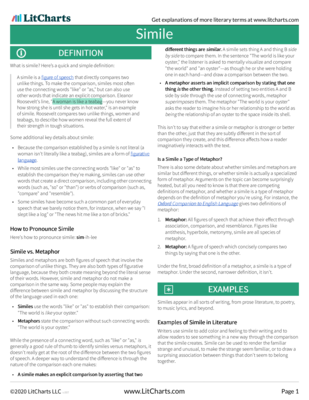
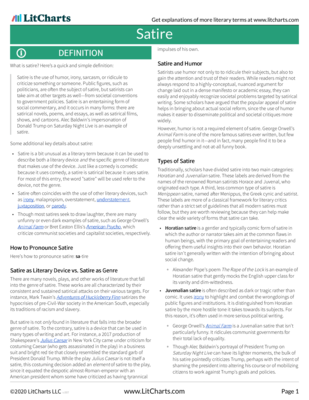
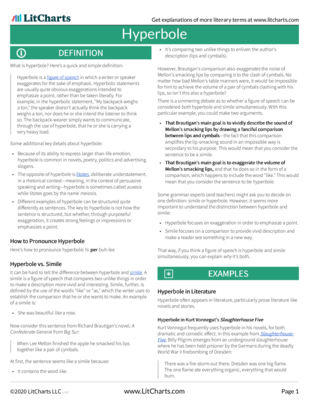
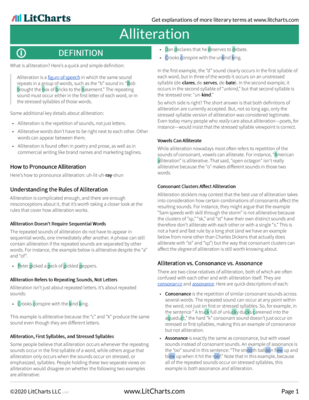
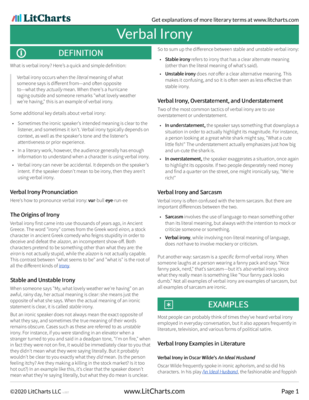
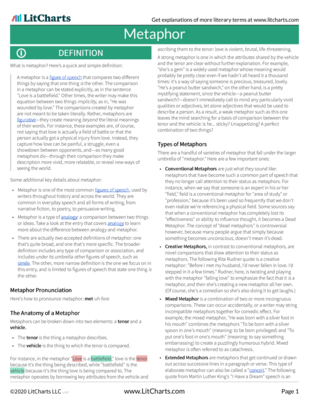
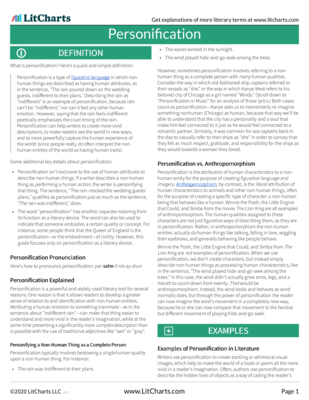
Try a free sample literary term PDF.


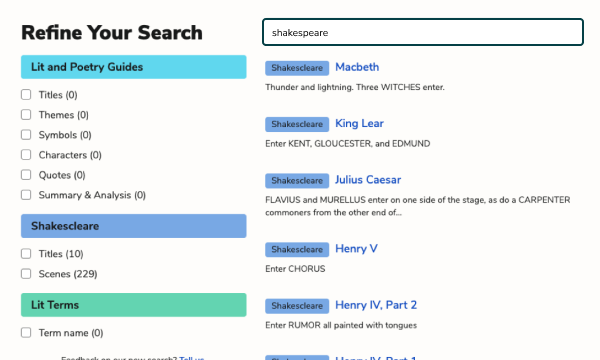
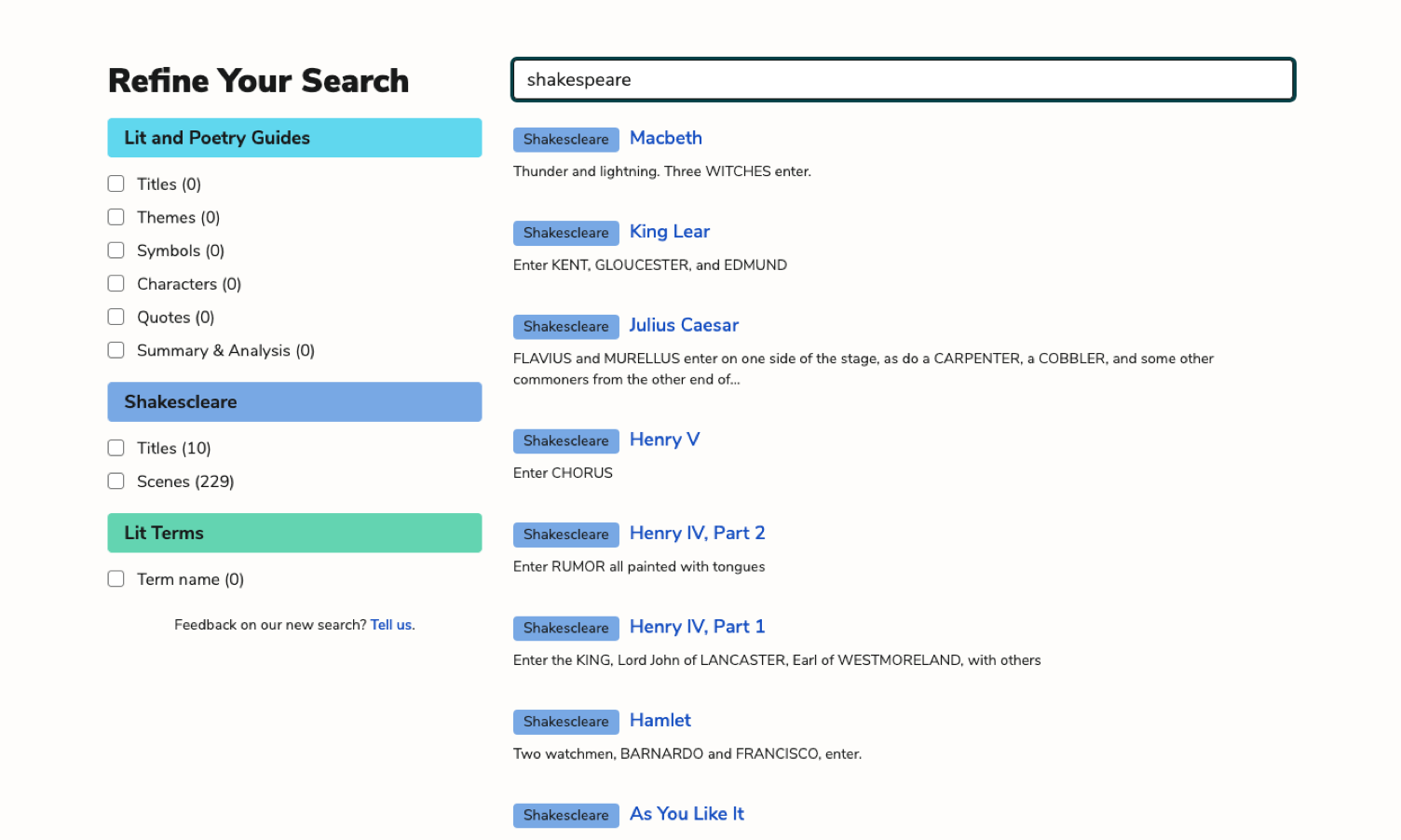
Advanced Search
Refine any search. Find related themes, quotes, symbols, characters, and more.

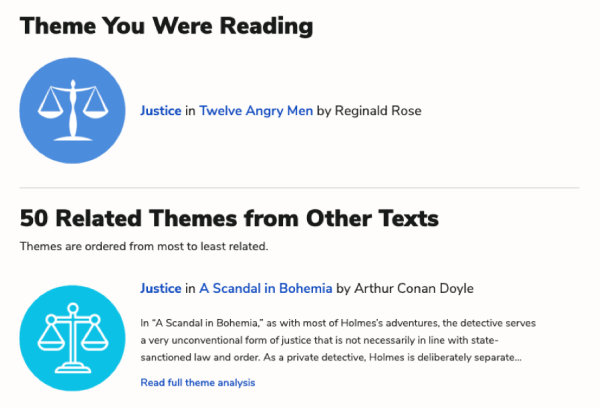
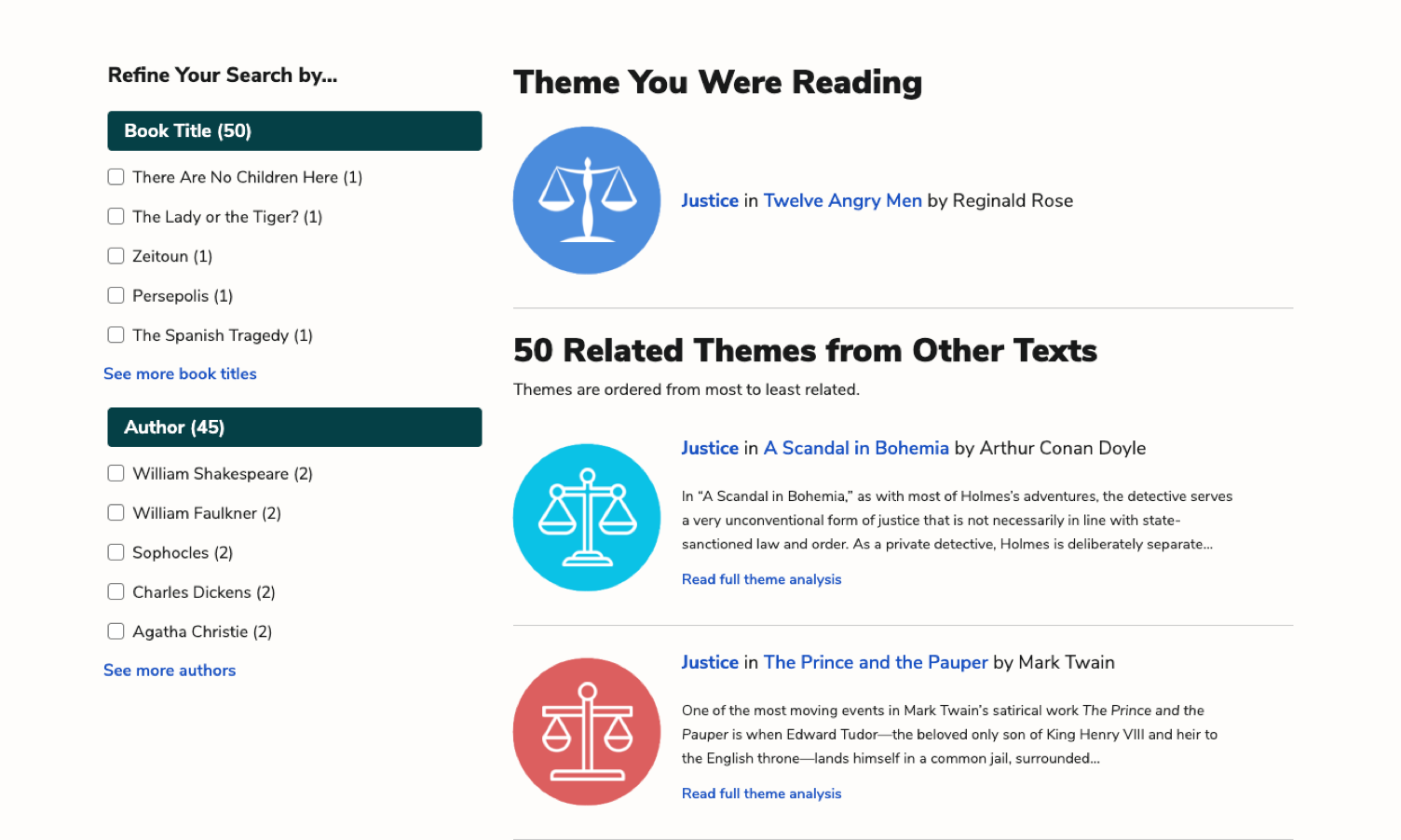
Related Themes
Comparing and contrasting texts? Find where any theme occurs across all of LitCharts in seconds.


Poetry Guides
Line-by-line explanations and analysis of figurative language and poetic devices.
For every lyric poem we cover.
For every lyric poem we cover.