
|
Have questions?
Contact us
Already a member? Sign in
|
Get every literary device explanation for Dr. Jekyll and Mr. HydePlus so much more...
Sign up for LitCharts A+Get instant access to every literary device explanation, plus so much more...
Simile
Explanation and Analysis—That Fleshly Vestment:
In his final letter to Utterson, Jekyll uses a simile to describe the potency of the ingredients in the potion he takes to become Hyde.
Certain agents I have found to have the power to shake and pluck back that fleshly vestment, as a wind might toss the curtains of a pavilion.
This line conveys both how powerful Jekyll’s potion is and how easily Jekyll believes he can manipulate the laws of nature. Ironically, Jekyll's simile likens the supernatural work of the potion to the strength of a natural agent of change: the wind. He also compares the physical body to something man-made (“curtains” hung over a pavilion). The hubris of Jekyll’s experiment is already clear in the strange loftiness of its goal: he wants to be the first scientist to successfully tear a metaphysical hole in the human personality, separating the “good” and “evil” of his own interiority. But with this simile, Jekyll’s ego comes to the surface even more, as he portrays this task as impossibly easy and inevitable. Jekyll's goal is as easily accomplished by his problem-solving as a curtain is stirred by the winds.
This simile reveals something about Jekyll’s broader view of humanity as well. He doesn’t speak of “his” body, but refers more generally to “that” body (“fleshly vestment”), which holds the interiority of any human being. His comparison of the potion to a "natural" force (the wind) and the body to a flimsy, unnatural barrier (curtains) implies that the separation of our socially acceptable "good" sides from our darker natures is artificial or illusory.
Jekyll thinks everyone has a dark side, which is just barely hidden from view (as a curtain obscures the particulars, but not the shape, of what’s behind it). This implication is disturbing, given that Jekyll’s “dark side” as manifested in Hyde is cruel, sadistic, and violent. Jekyll’s conclusion is undercut by the horror other characters feel upon seeing Hyde or hearing of his crimes. This simile thus points to a level of serious delusion in Jekyll.
Monthly
Annual (Best Value)

$595USD/mo
Charged $71.40 USD every year
 Teacher
$795USD/mo
Charged $95.40 USD every year
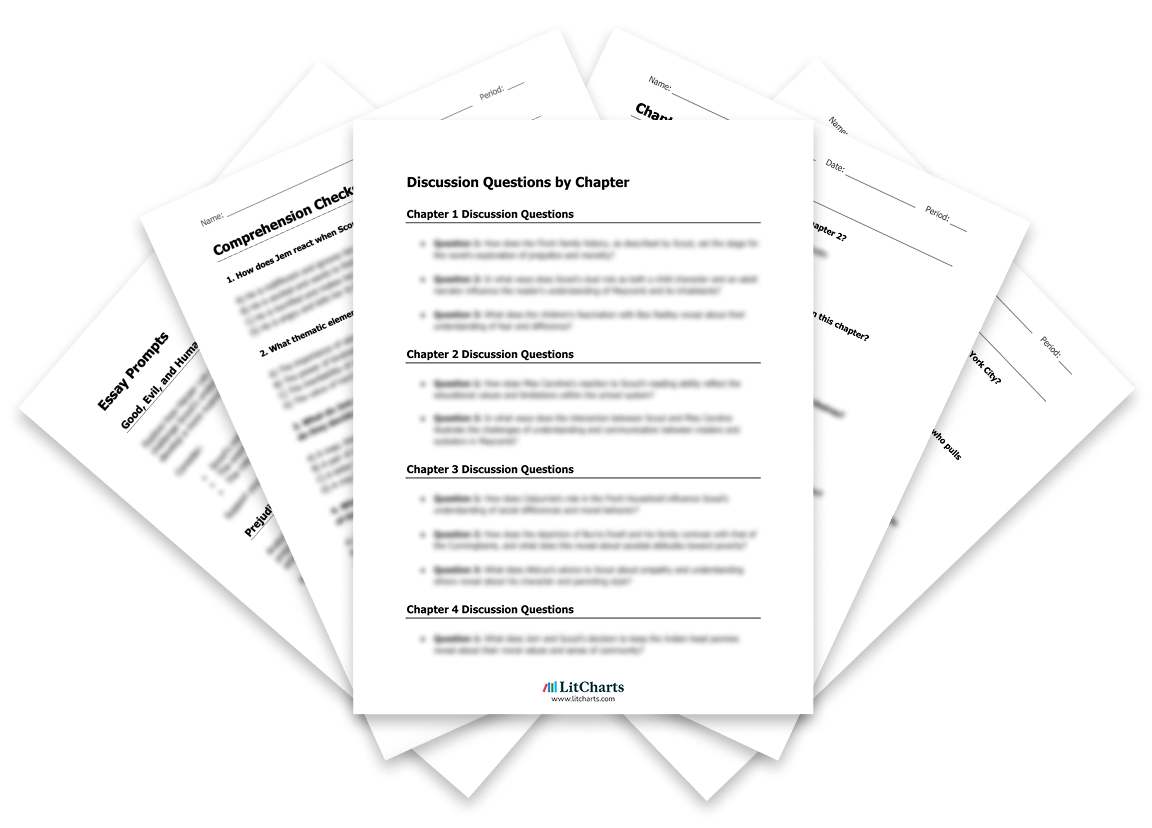


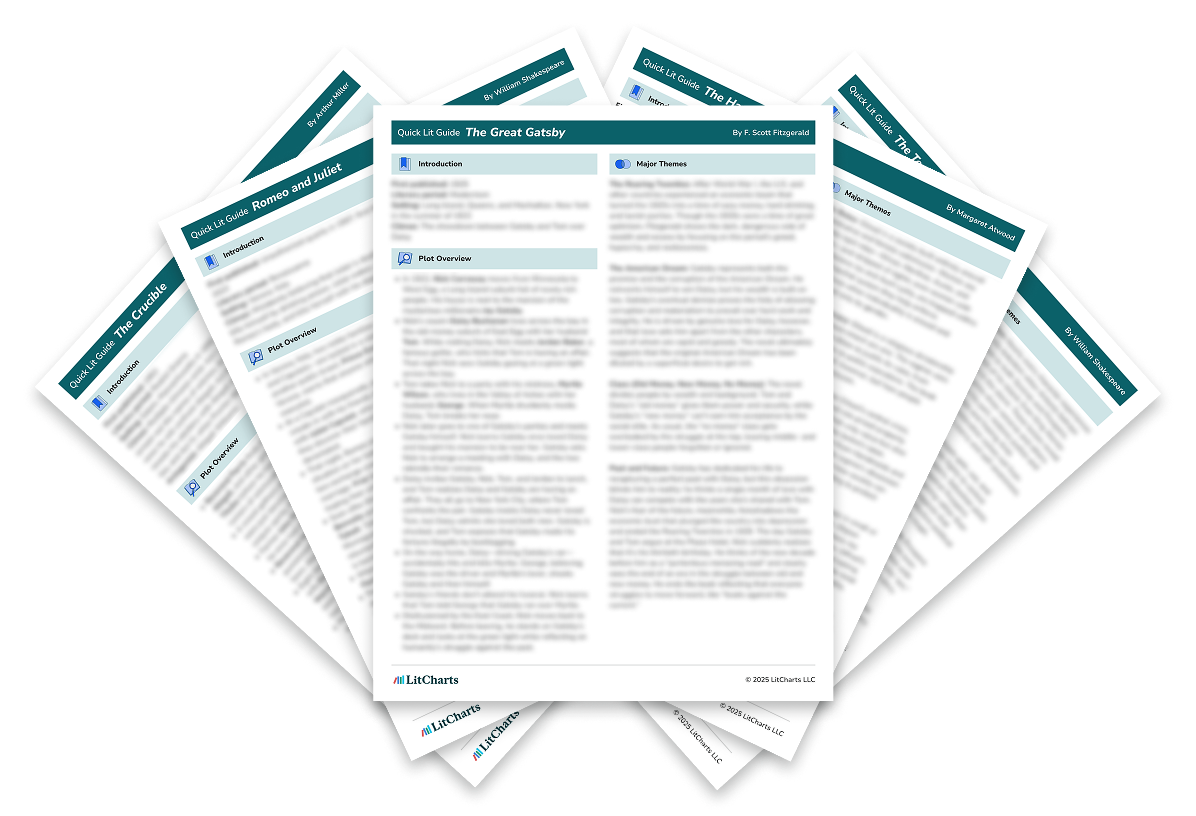
Literature Guide PDFs
LitCharts PDFs for every book you'll read this year.
Instant PDF downloads of all 2250 LitCharts literature guides and of every new one we publish. Try a free sample literature guide.
"Would not have made it through AP Literature without the printable PDFs. They're like having in-class notes for every discussion!"


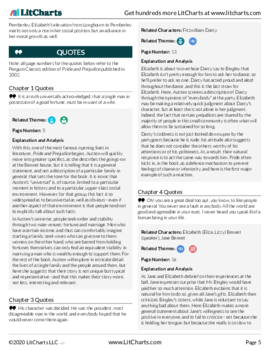


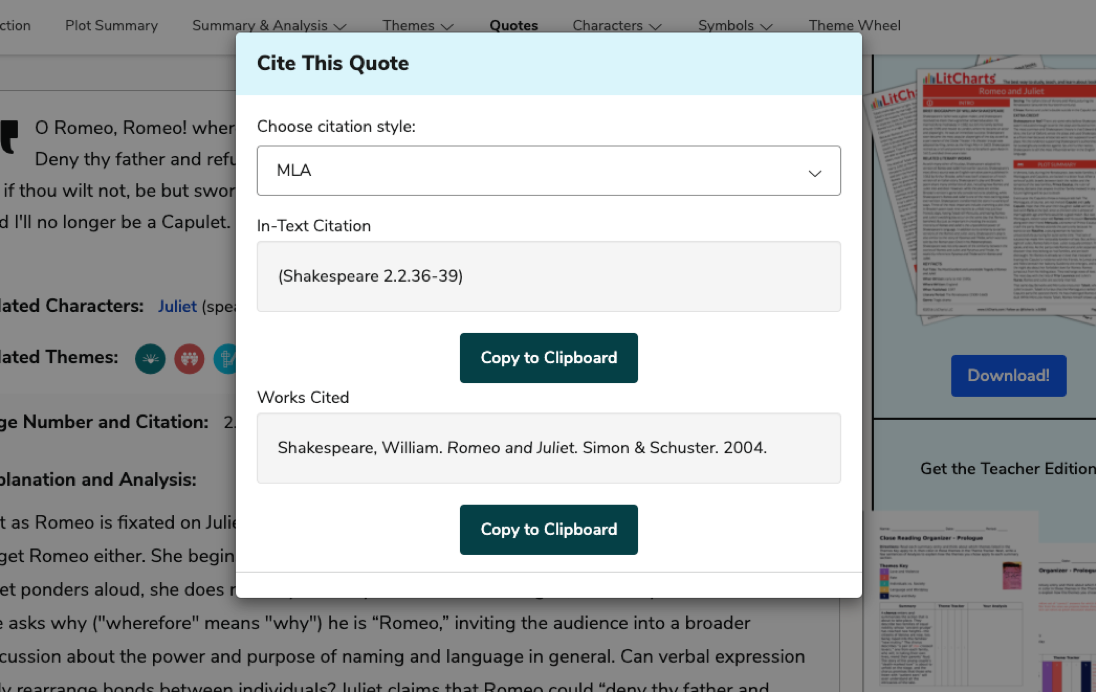
Quotes Explanations
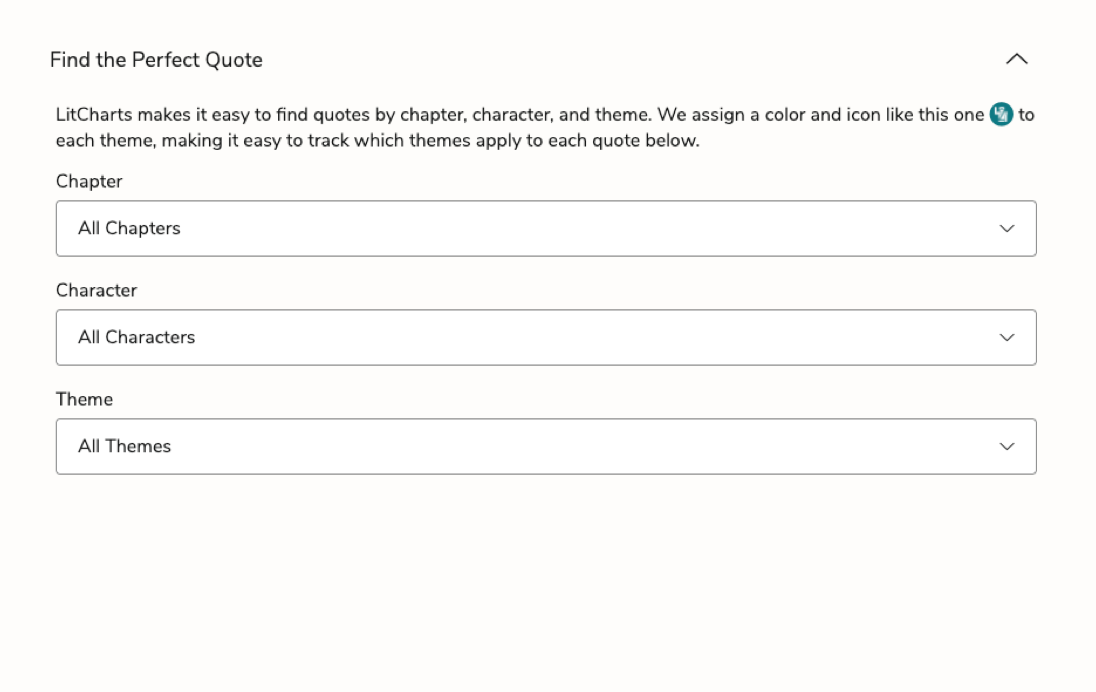
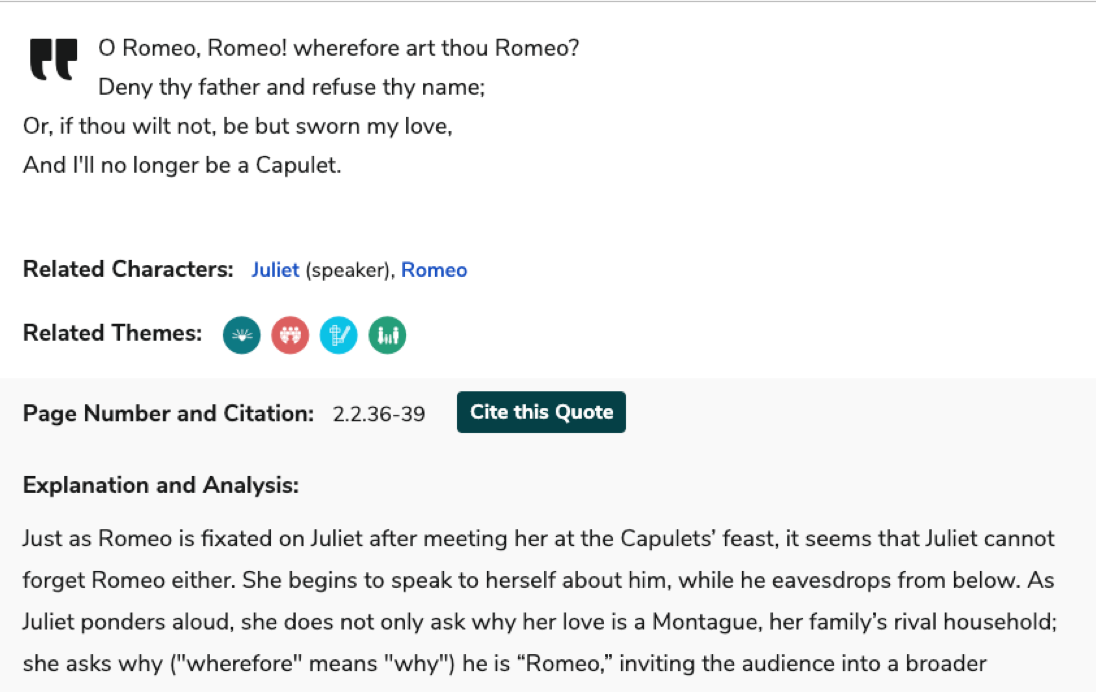
Find the perfect quote. Understand it perfectly. Then rock the citation, too.
For all 50,177 quotes we cover.
For all 50,177 quotes we cover.


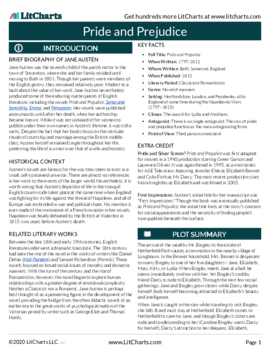
Teacher Editions
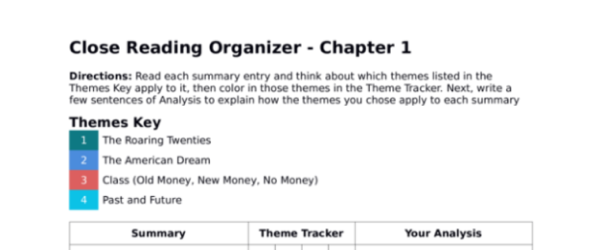
Close reading made easy for students.
Time saved for teachers.
For every book we cover.
Time saved for teachers.
For every book we cover.


Common Core-aligned


PDFs of modern translations of every one of Shakespeare's 37 plays, 154 sonnets, and 3 longer poems.

Literary Terms and Devices
Definitions and examples for every literary term and device you need to know.
Plus a quick-reference PDF with concise definitions of all 136 terms in one place.
Plus a quick-reference PDF with concise definitions of all 136 terms in one place.
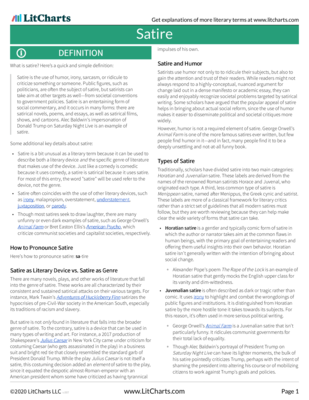
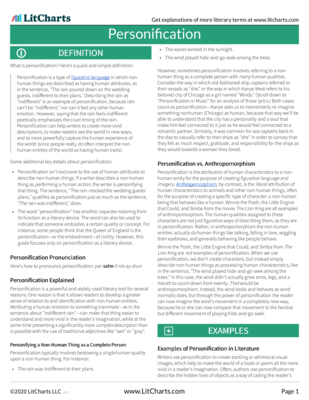
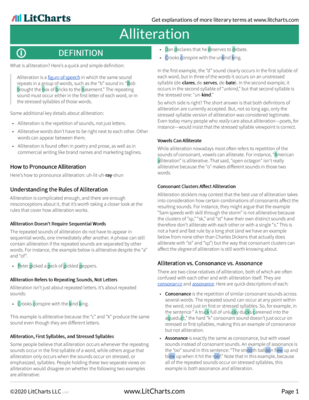
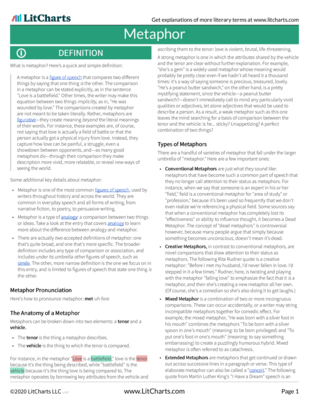
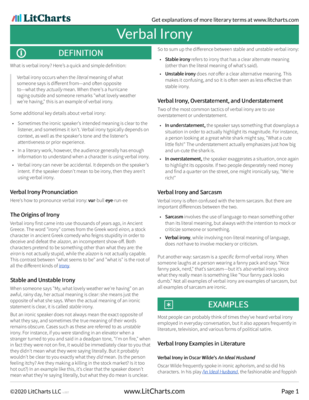
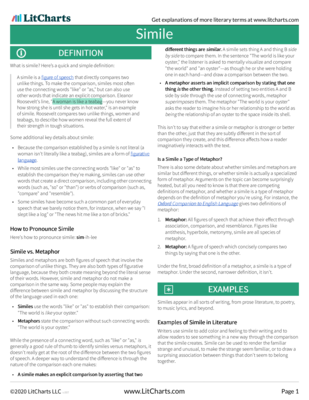
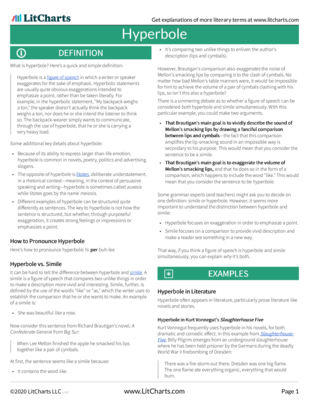
Try a free sample literary term PDF.

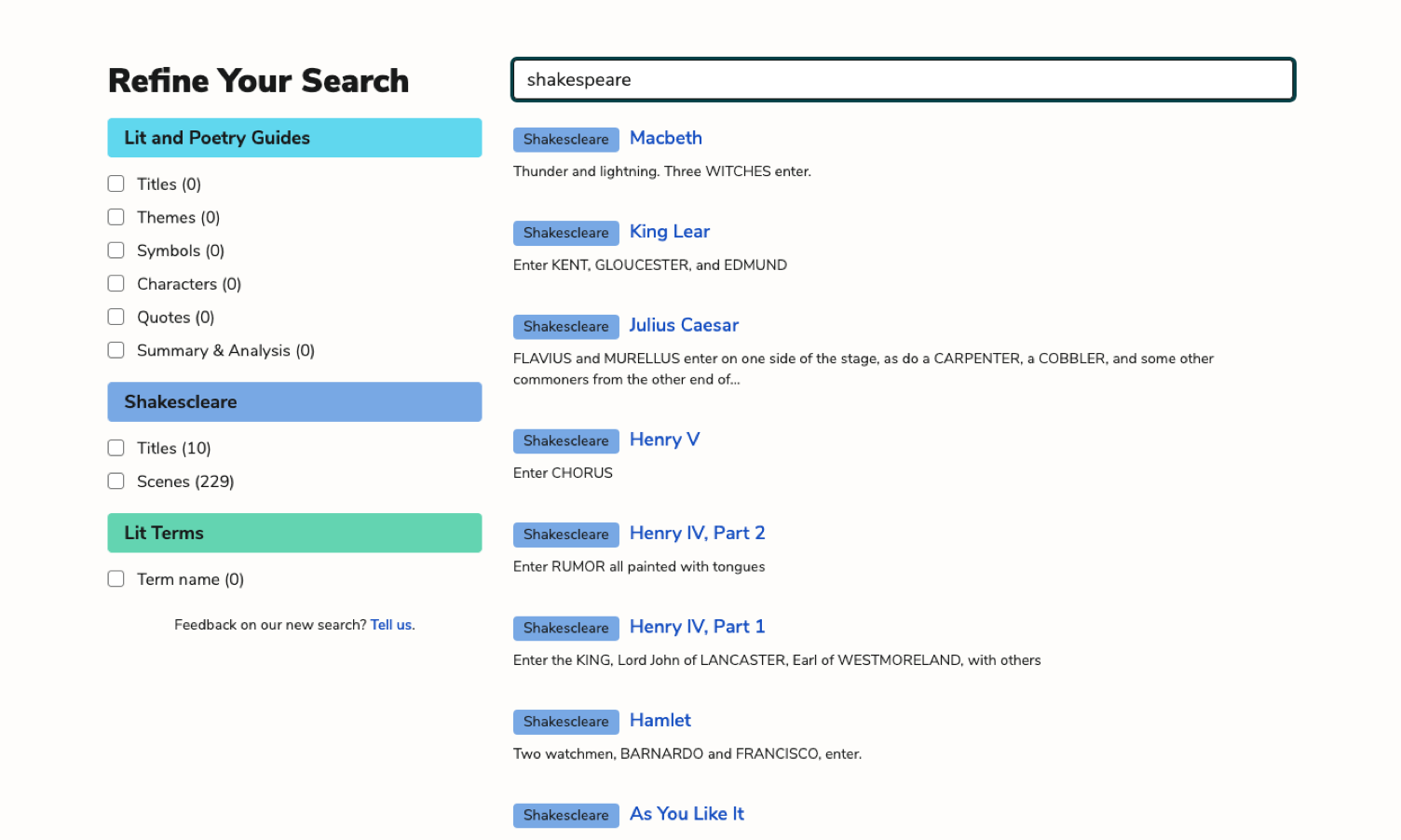
Advanced Search
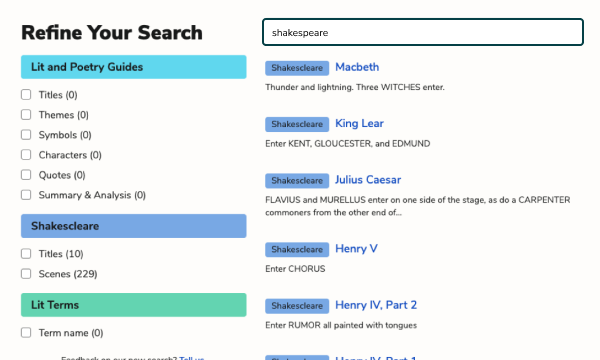
Refine any search. Find related themes, quotes, symbols, characters, and more.
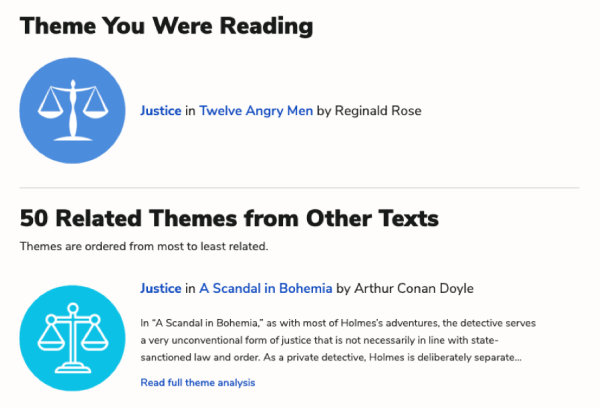
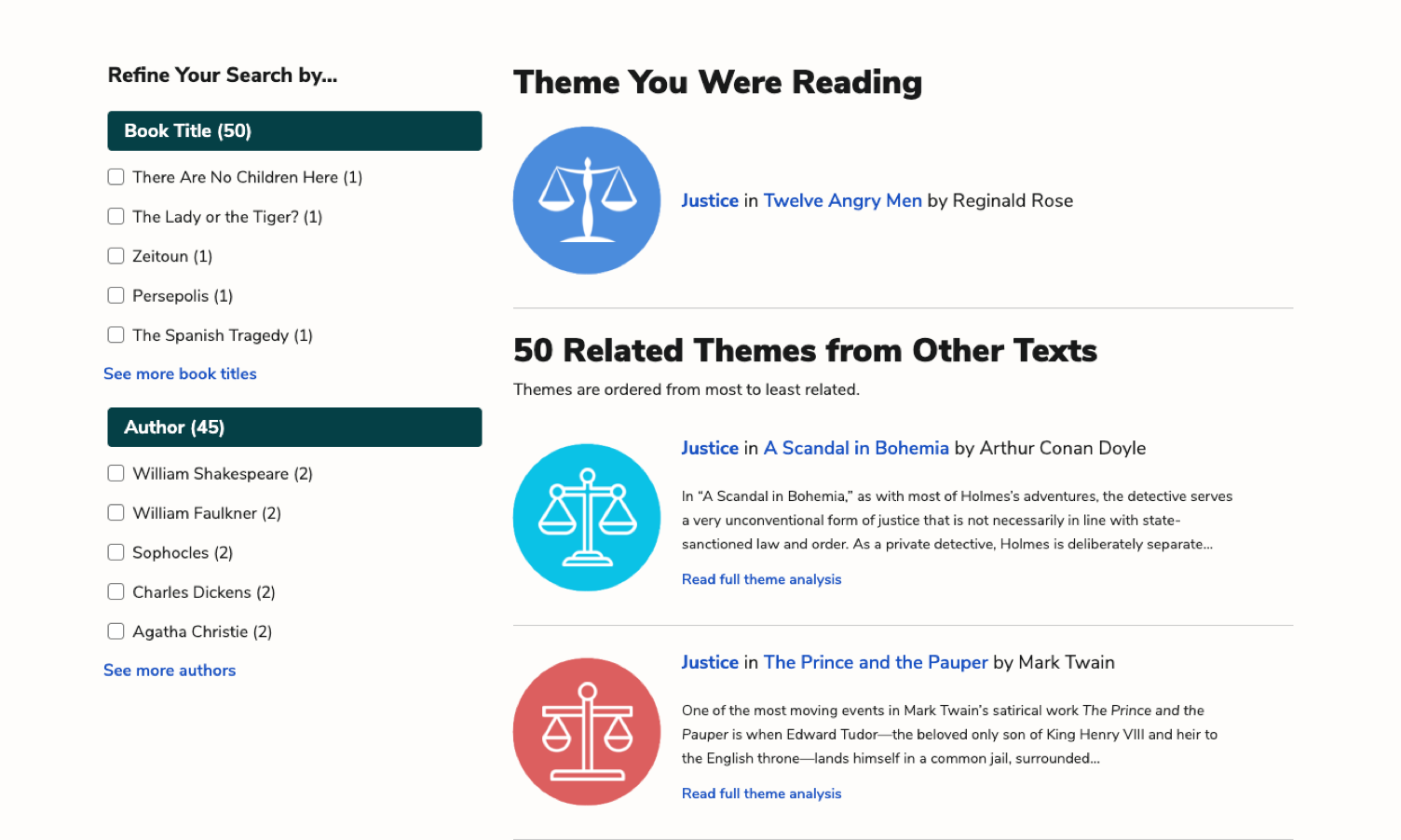
Related Themes
Comparing and contrasting texts? Find where any theme occurs across all of LitCharts in seconds.

Poetry Guides
Line-by-line explanations and analysis of figurative language and poetic devices.
For every lyric poem we cover.
For every lyric poem we cover.