
|
Have questions?
Contact us
Already a member? Sign in
|
Get every literary device explanation for The AwakeningPlus so much more...
Sign up for LitCharts A+Get instant access to every literary device explanation, plus so much more...
Simile
Explanation and Analysis—Loosening Chains:
In Chapter 12, Edna and Robert plan to go to the Chênière for mass. On the journey there, Edna senses that something about herself is changing, and the book uses a simile to describe this change:
Sailing across the bay to the Chênière Caminada, Edna felt as if she were being borne away from some anchorage which had held her fast, whose chains had been loosening—had snapped the night before when the mystic spirit was abroad, leaving her free to drift whithersoever she chose to set her sails.
This passage describes Edna as being previously tied to an anchor, now free. This figurative language conveys Edna’s new desire for independence, a result of her beginning to focus on her inner life and individuality. The anchor could be said to represent the conventions Edna begins to reject throughout the course of the novel, specifically her duties as a mother and wife. Eventually, though, Edna behaves according to her own desires: she moves into the pigeon-house alone, away from her husband and children, and spends time alone with the young bachelor Alcée Arobin, abandoning the conservative values of the society she lives in. In this sense, the figurative "chains" holding her "snap[]." However, the novel suggests that Edna’s abandonment of societal rules has a cost, which is perhaps what this passage alludes to when it describes Edna "drift[ing]." Aimless and alone, with no clear principles or social norms to live by, she chooses a tragic form of freedom: death.
Monthly
Annual (Best Value)

$595USD/mo
Charged $71.40 USD every year
 Teacher
$795USD/mo
Charged $95.40 USD every year
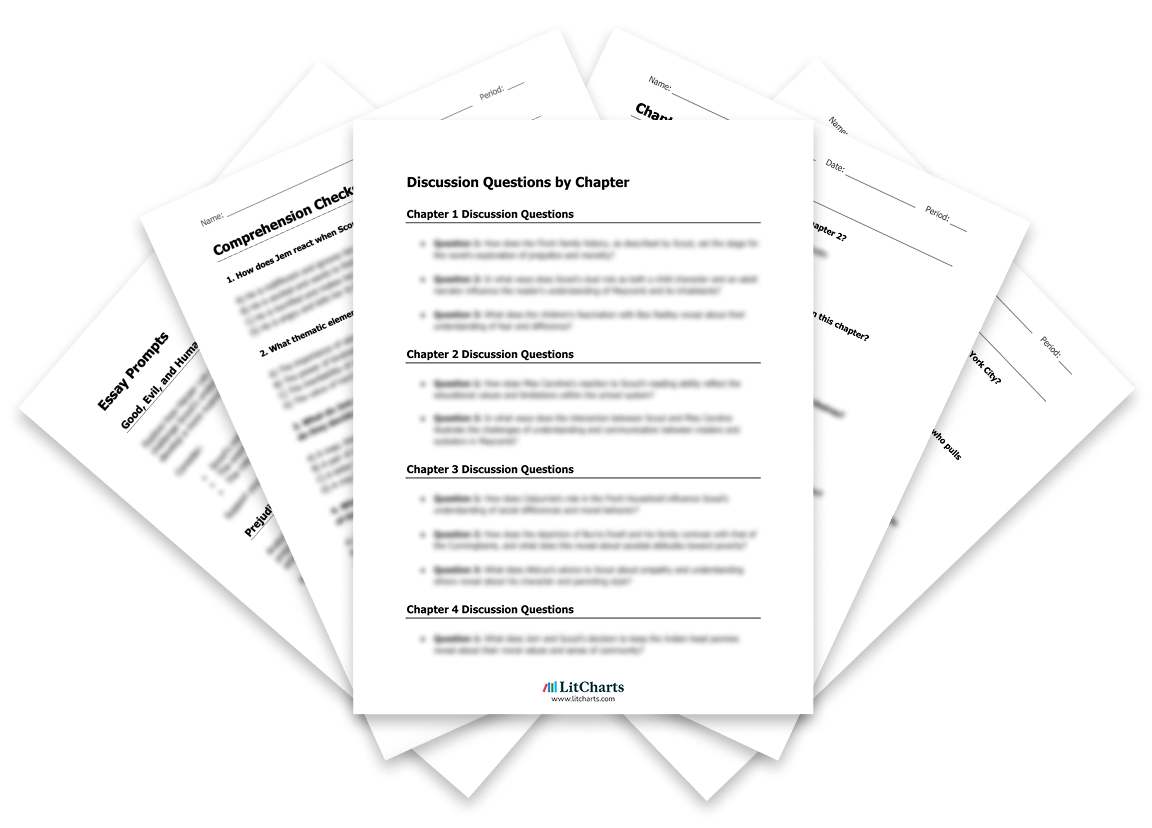


Literature Guide PDFs
LitCharts PDFs for every book you'll read this year.
Instant PDF downloads of all 2250 LitCharts literature guides and of every new one we publish. Try a free sample literature guide.
"Would not have made it through AP Literature without the printable PDFs. They're like having in-class notes for every discussion!"



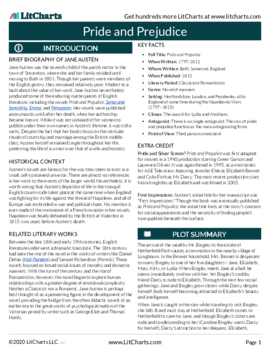


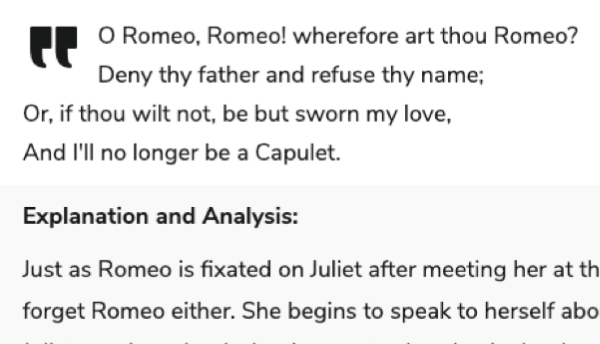
Quotes Explanations
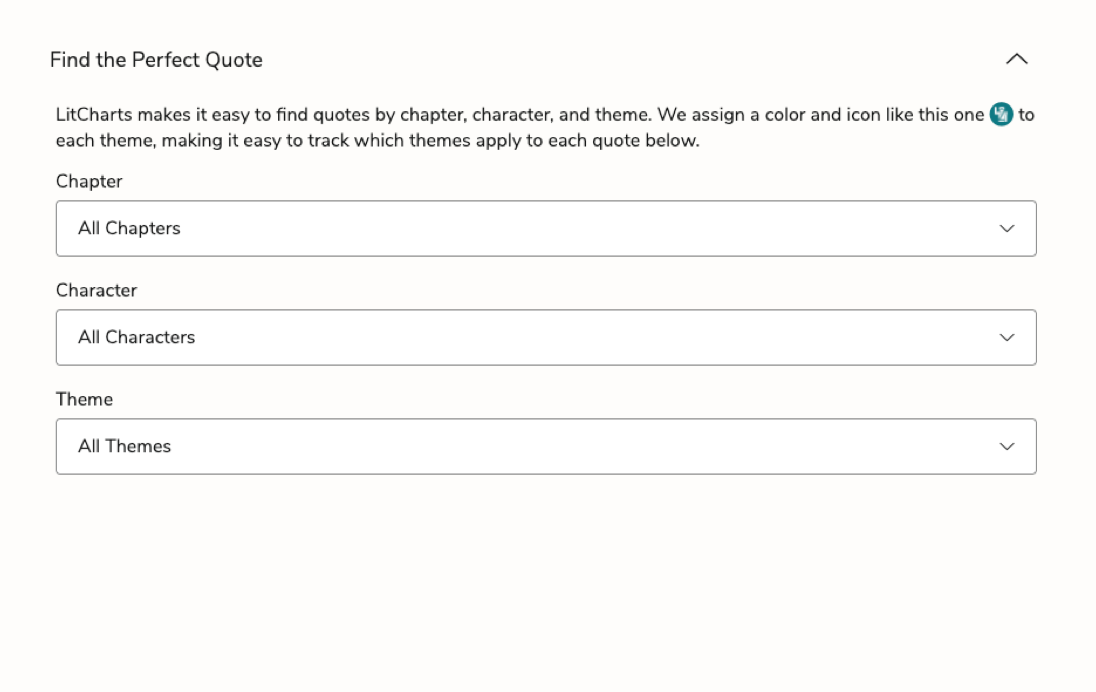
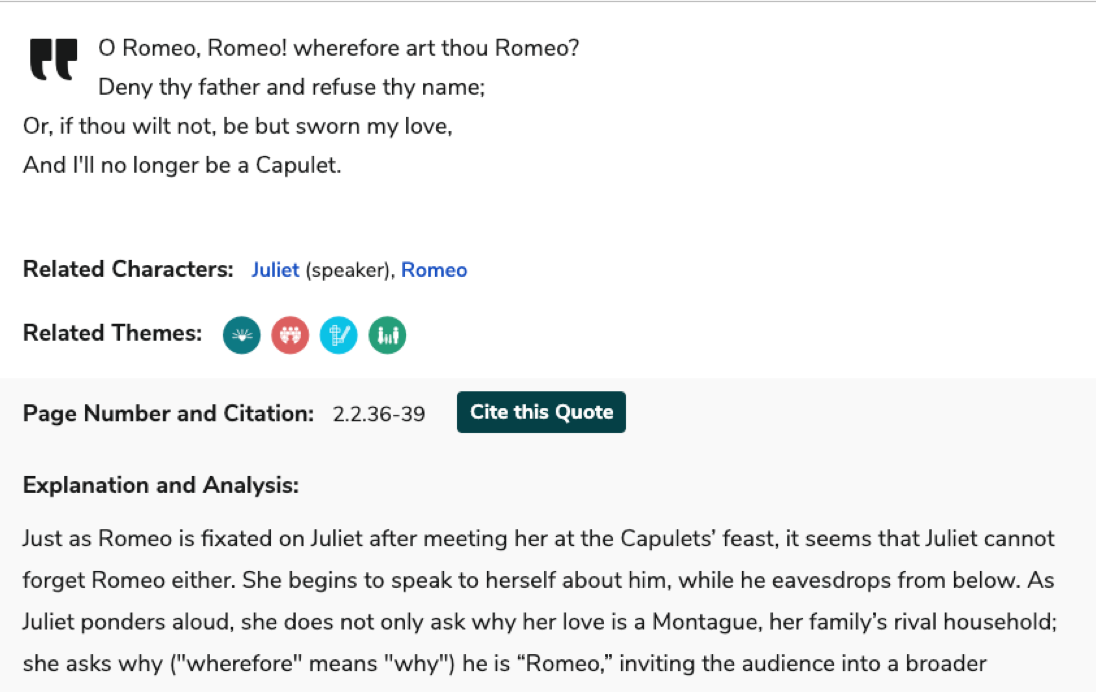
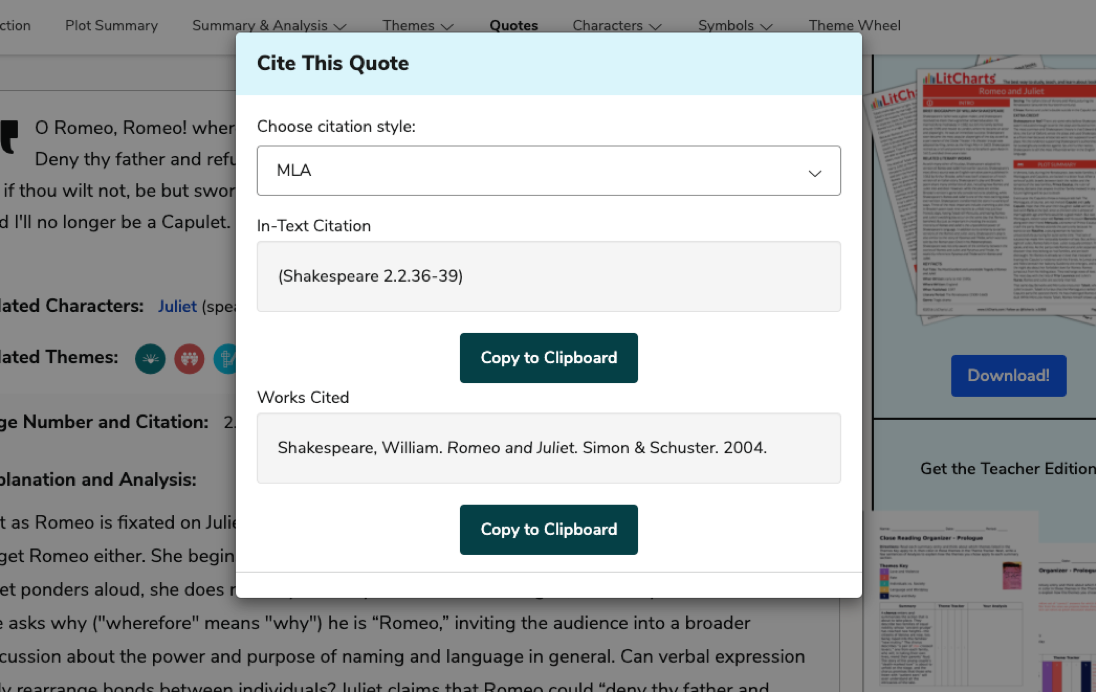
Find the perfect quote. Understand it perfectly. Then rock the citation, too.
For all 50,177 quotes we cover.
For all 50,177 quotes we cover.


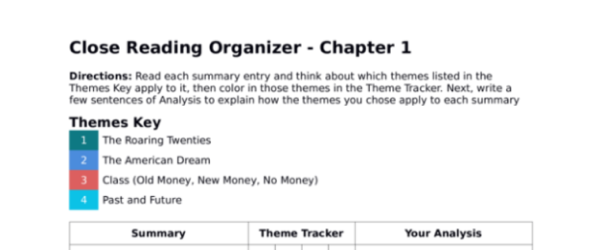
Teacher Editions
Close reading made easy for students.
Time saved for teachers.
For every book we cover.
Time saved for teachers.
For every book we cover.


Common Core-aligned


PDFs of modern translations of every one of Shakespeare's 37 plays, 154 sonnets, and 3 longer poems.

Literary Terms and Devices
Definitions and examples for every literary term and device you need to know.
Plus a quick-reference PDF with concise definitions of all 136 terms in one place.
Plus a quick-reference PDF with concise definitions of all 136 terms in one place.
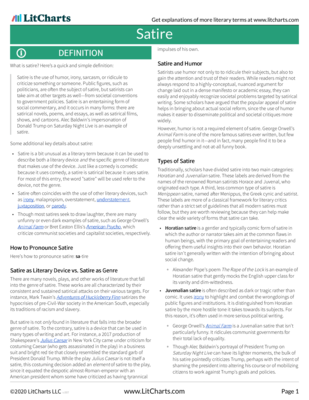
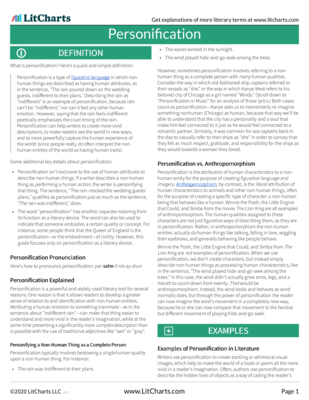
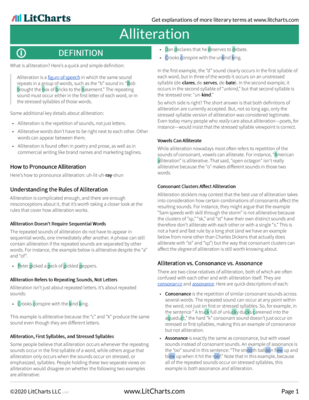
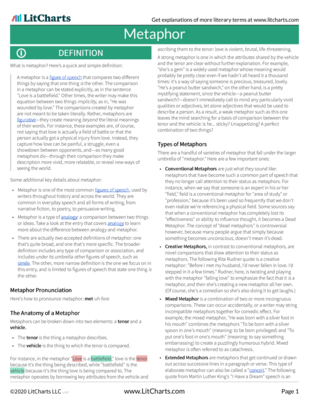
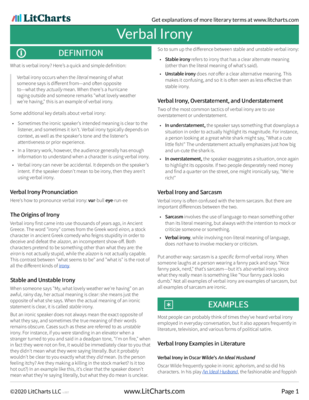
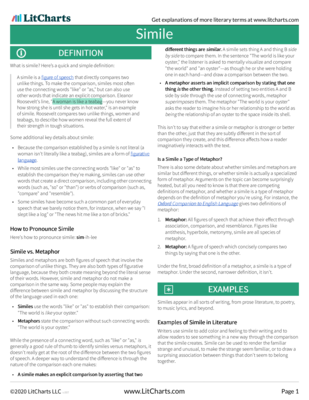
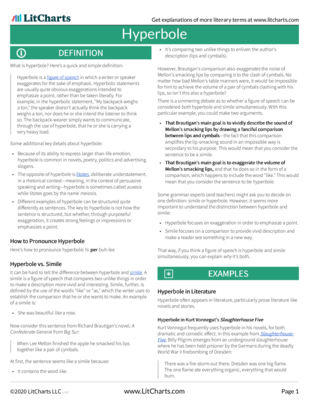
Try a free sample literary term PDF.


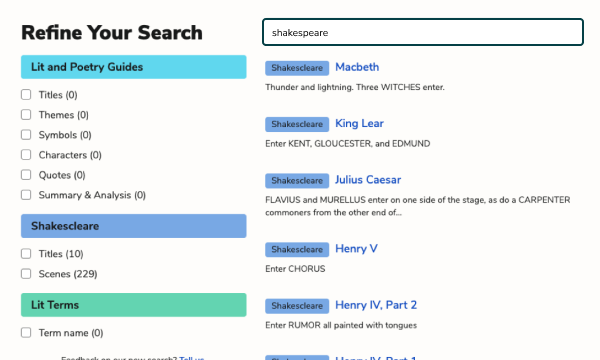
Advanced Search
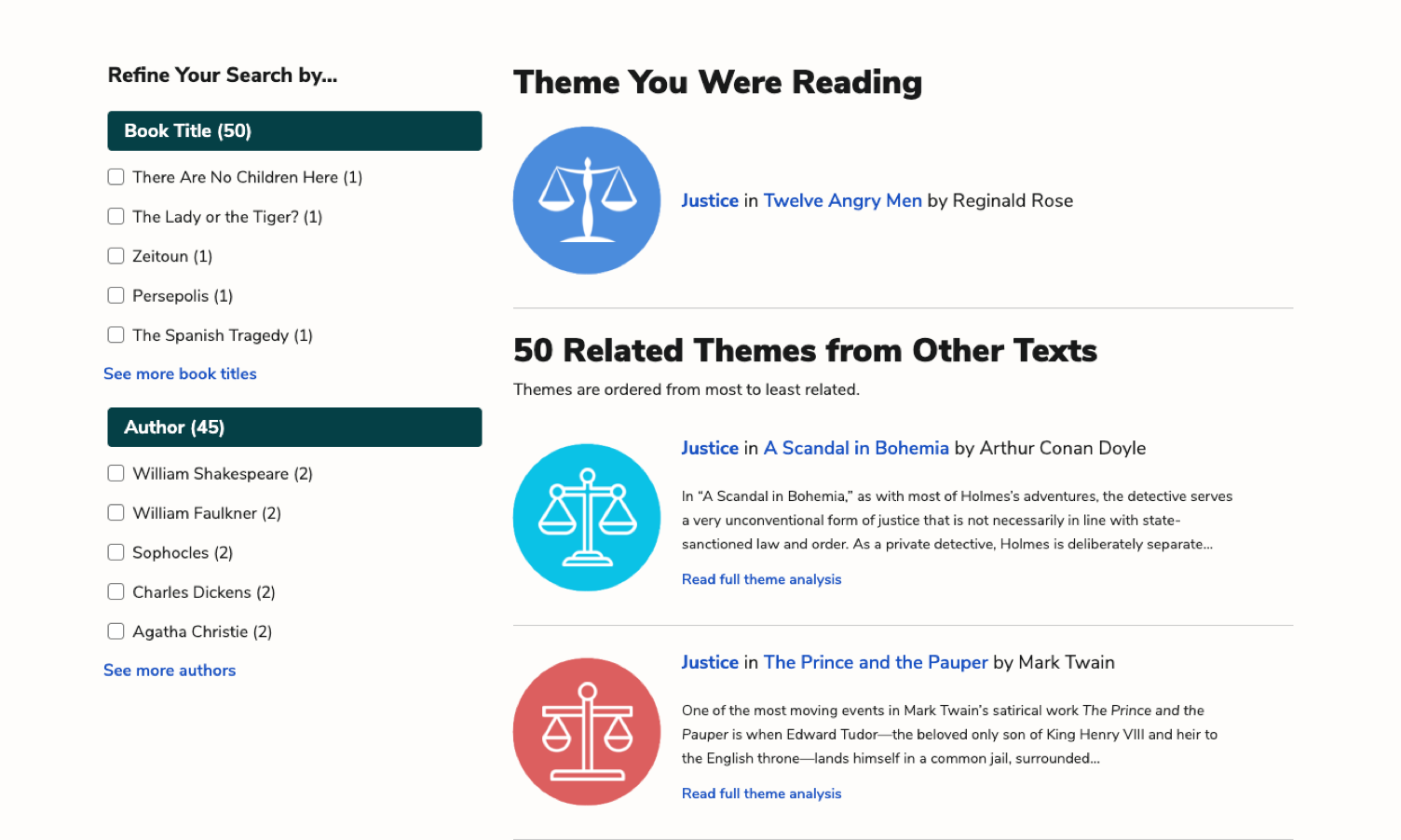
Refine any search. Find related themes, quotes, symbols, characters, and more.
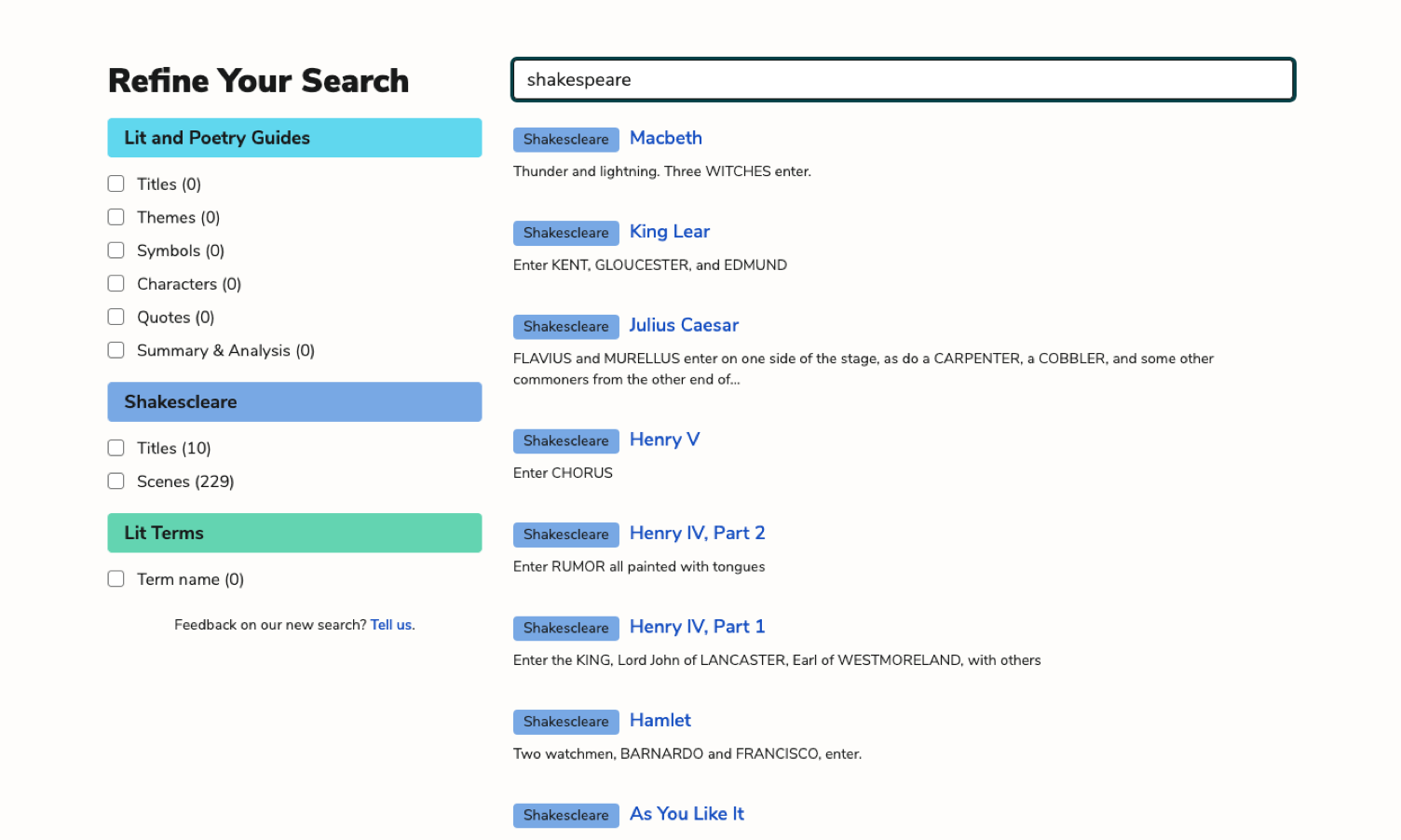

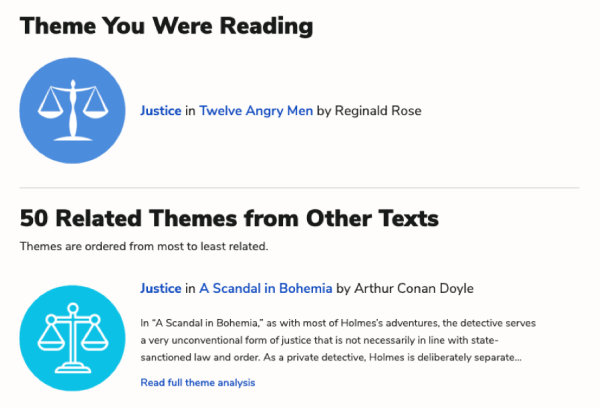
Related Themes
Comparing and contrasting texts? Find where any theme occurs across all of LitCharts in seconds.


Poetry Guides
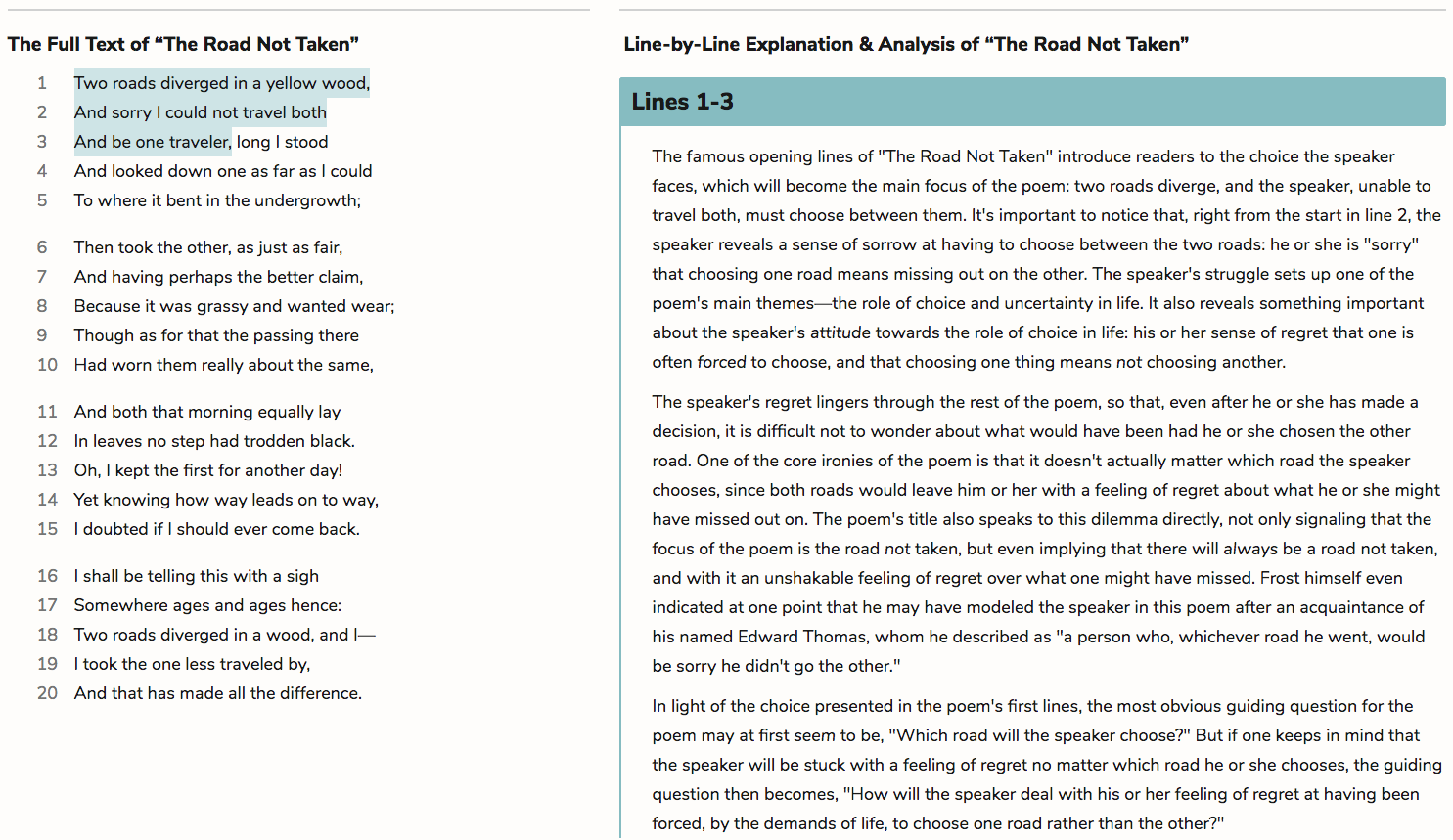
Line-by-line explanations and analysis of figurative language and poetic devices.
For every lyric poem we cover.
For every lyric poem we cover.