
|
Have questions?
Contact us
Already a member? Sign in
|
Get every literary device explanation for The FlyPlus so much more...
Sign up for LitCharts A+Get instant access to every literary device explanation, plus so much more...
Simile
Explanation and Analysis—Office Dog:
After Mr. Woodifield leaves the office, the boss feels stunned by the comment the old man made about his dead son. Meanwhile, life goes on in the office, and the story uses a simile to convey the profound shift in the boss's demeanor:
For a long moment the boss stayed, staring at nothing, while the grey-haired office messenger, watching him, dodged in and out of his cubby-hole like a dog that expects to be taken for a run.
This simile—which compares the office messenger to a dog—reinforces the boss's authority in the office, since the office messenger is so anxious and eager to obey or please him. It's clear that the messenger has picked up on the sudden change that has come over the boss and, much like a dog waiting for something from its owner, is anxious about what might happen next.
And yet, while the simile draws attention to the boss's power and authority in the office, the boss himself no longer feels quite so in control, since Woodifield's remark about his son has rendered him momentarily incapable of doing anything but sitting at his desk and wallowing in emotion. The simile thus emphasizes the boss's powerful professional position while also suggesting that this power does nothing to help him deal with his own turbulent emotions.
Monthly
Annual (Best Value)

$595USD/mo
Charged $71.40 USD every year
 Teacher
$795USD/mo
Charged $95.40 USD every year


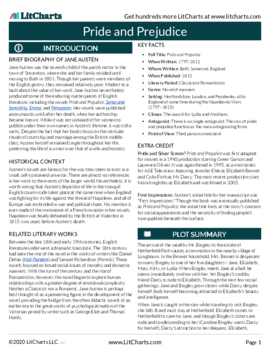
Literature Guide PDFs
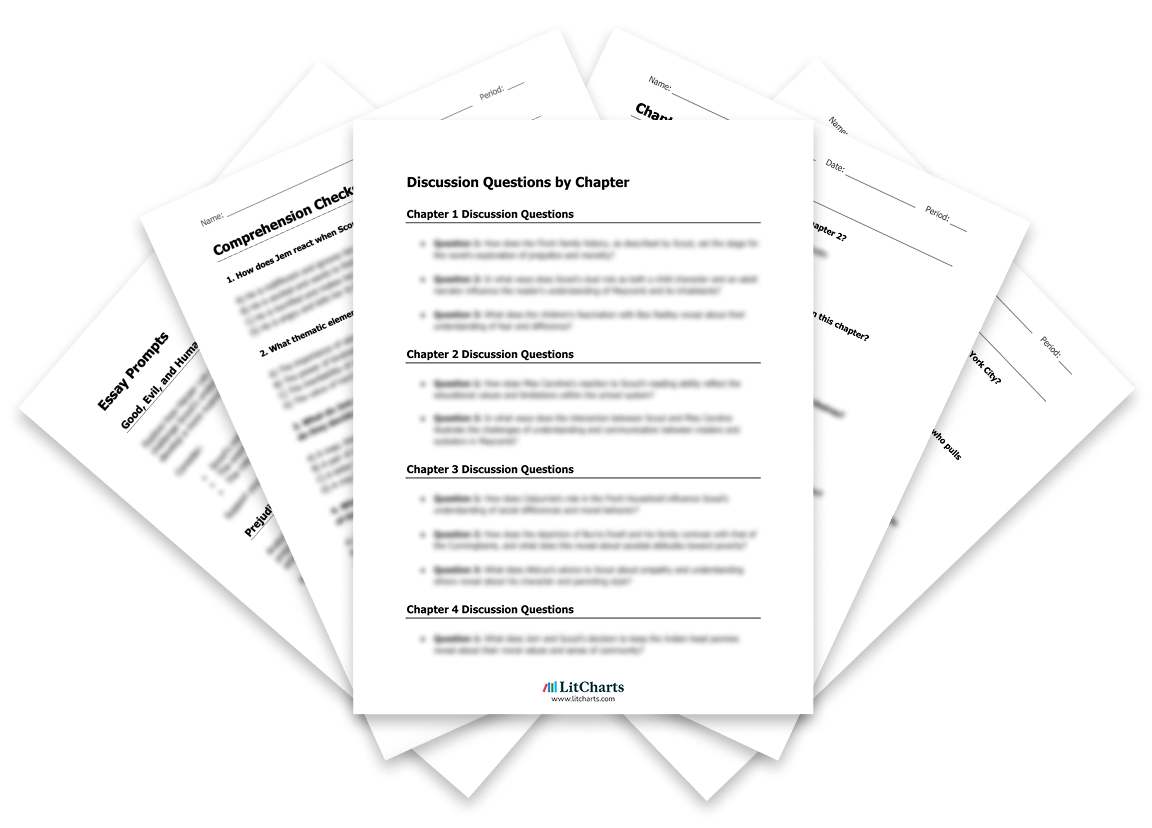
LitCharts PDFs for every book you'll read this year.
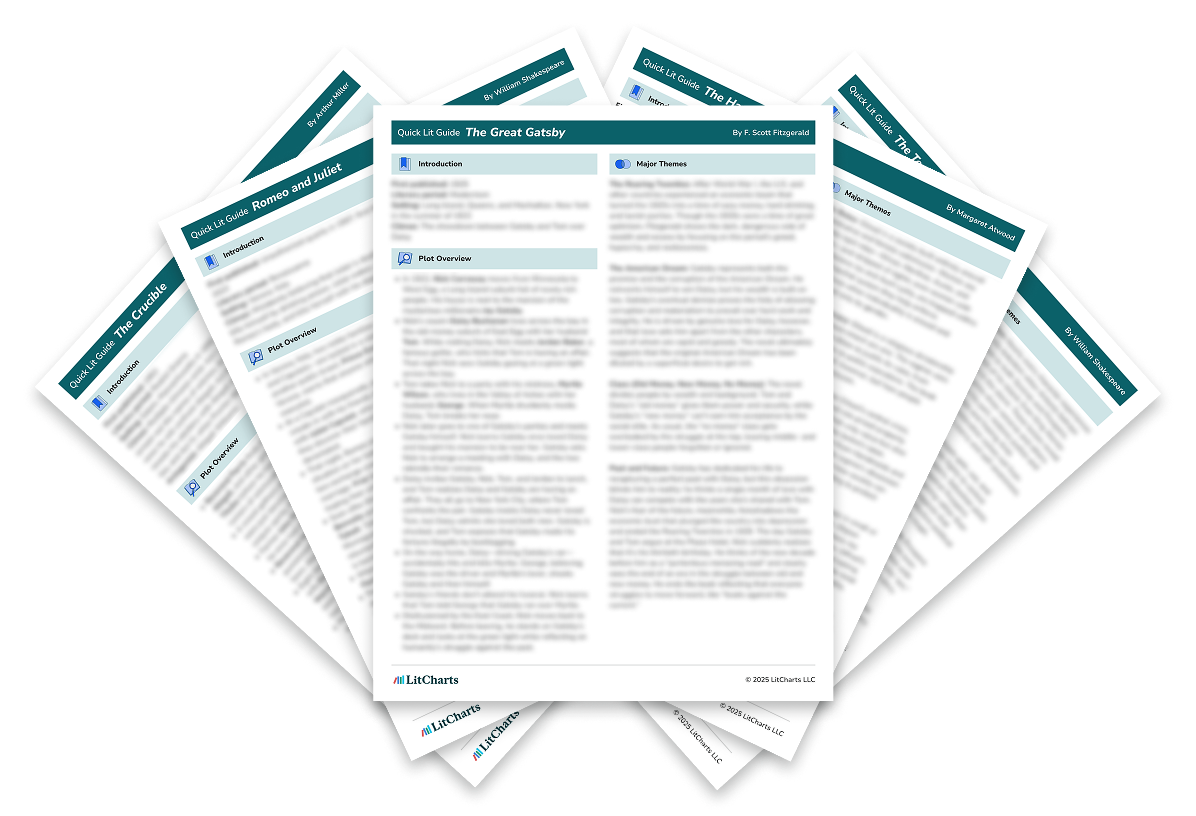
Instant PDF downloads of all 2251 LitCharts literature guides and of every new one we publish. Try a free sample literature guide.
"Would not have made it through AP Literature without the printable PDFs. They're like having in-class notes for every discussion!"





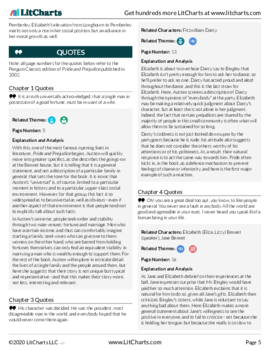


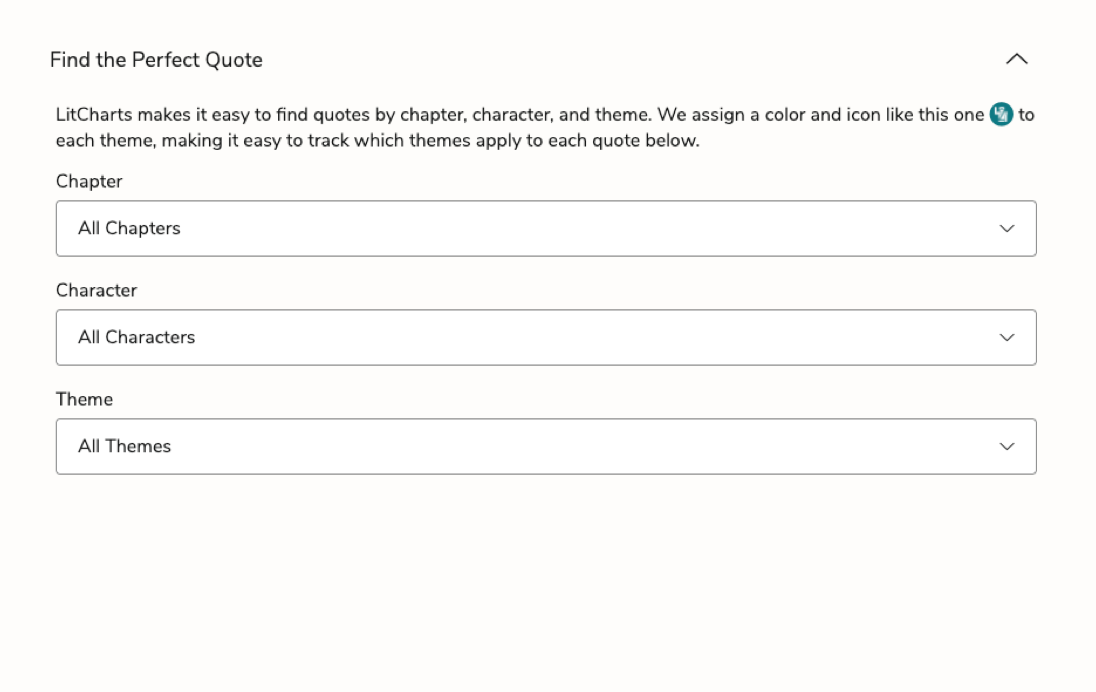
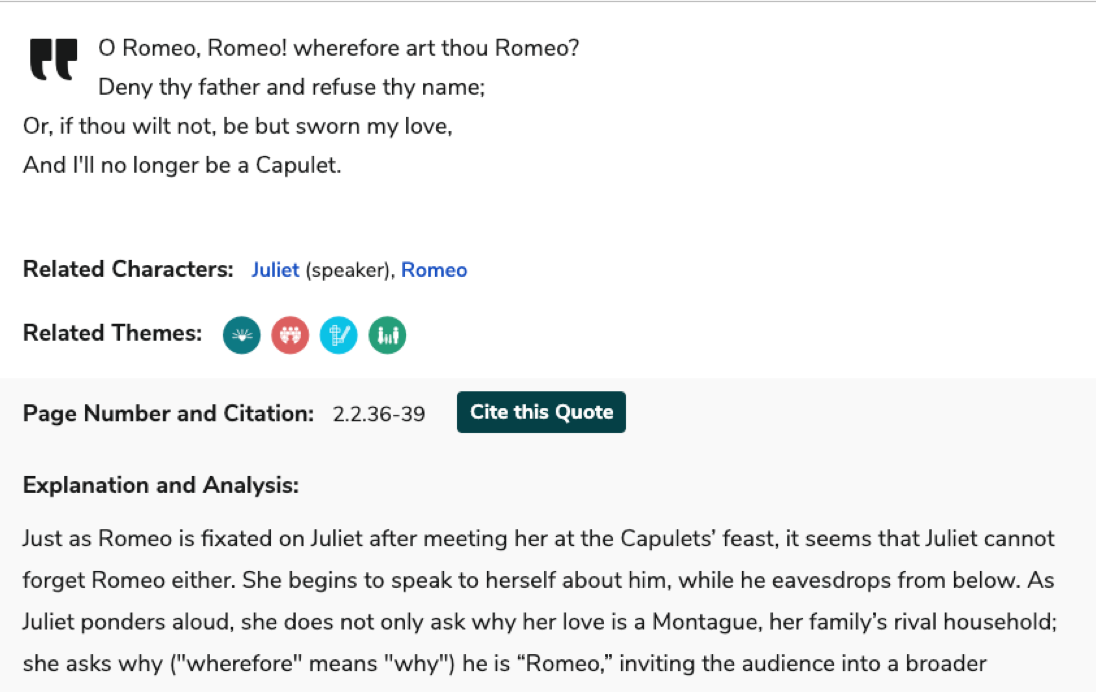
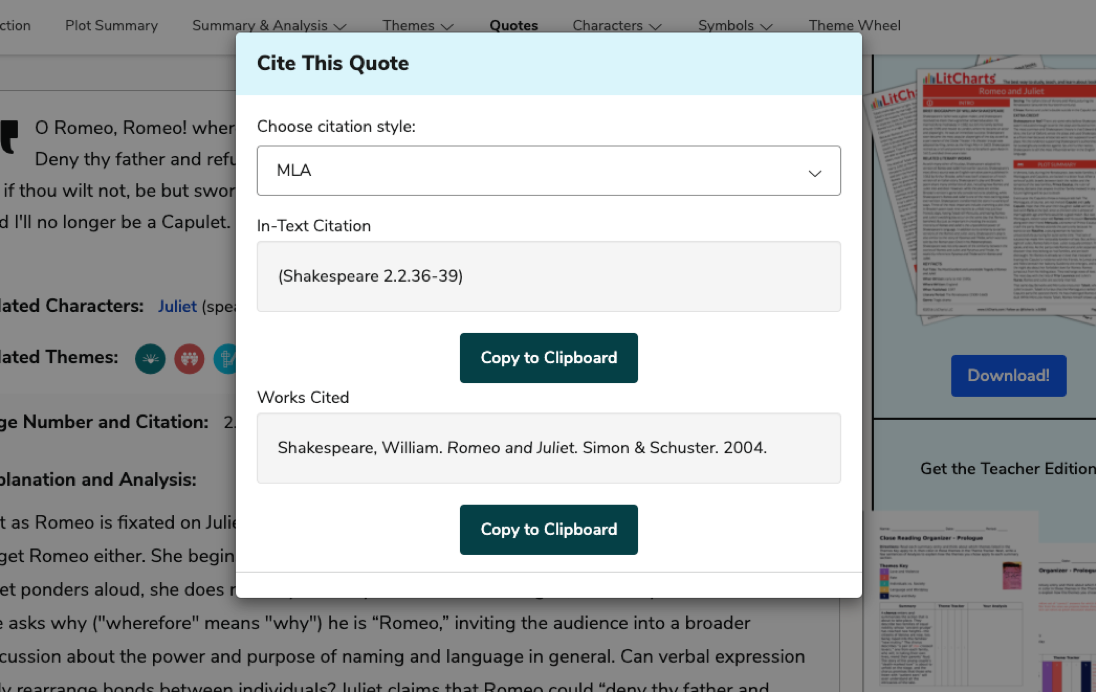
Quotes Explanations
Find the perfect quote. Understand it perfectly. Then rock the citation, too.
For all 50,202 quotes we cover.
For all 50,202 quotes we cover.


Teacher Editions
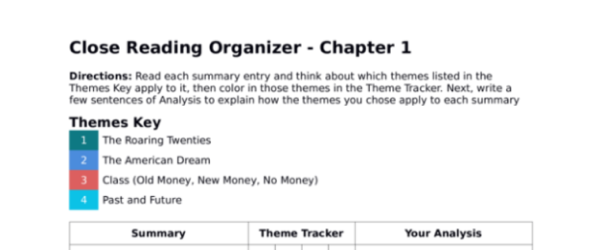
Close reading made easy for students.
Time saved for teachers.
For every book we cover.
Time saved for teachers.
For every book we cover.


Common Core-aligned


PDFs of modern translations of every one of Shakespeare's 37 plays, 154 sonnets, and 3 longer poems.

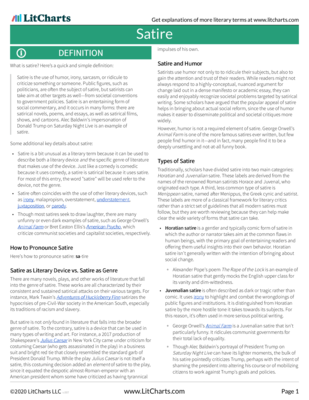
Literary Terms and Devices
Definitions and examples for every literary term and device you need to know.
Plus a quick-reference PDF with concise definitions of all 136 terms in one place.
Plus a quick-reference PDF with concise definitions of all 136 terms in one place.
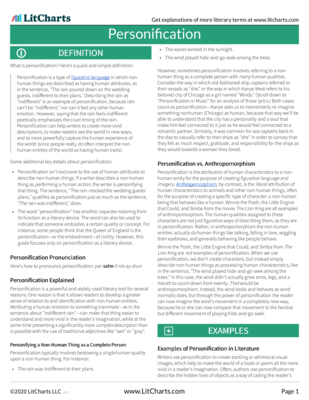
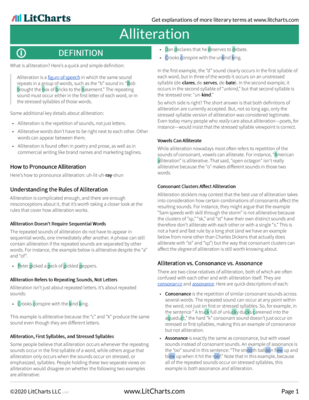
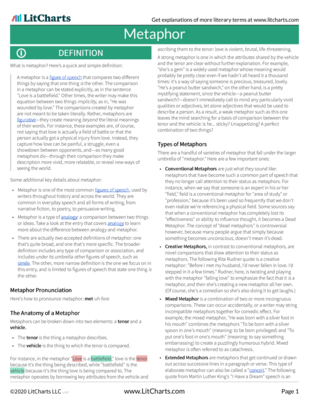
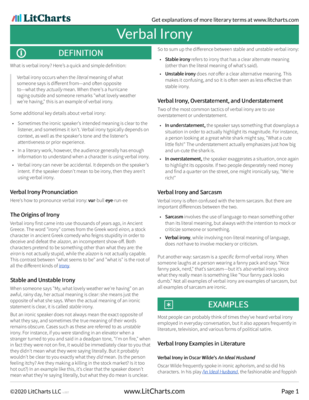
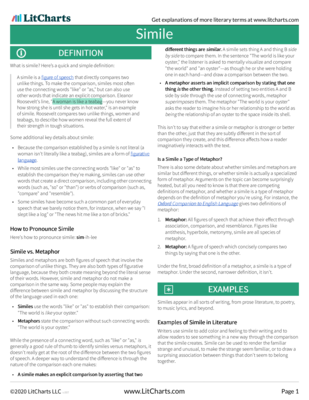
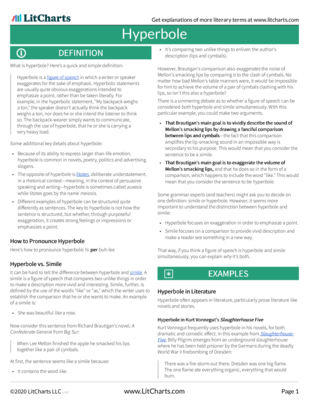
Try a free sample literary term PDF.


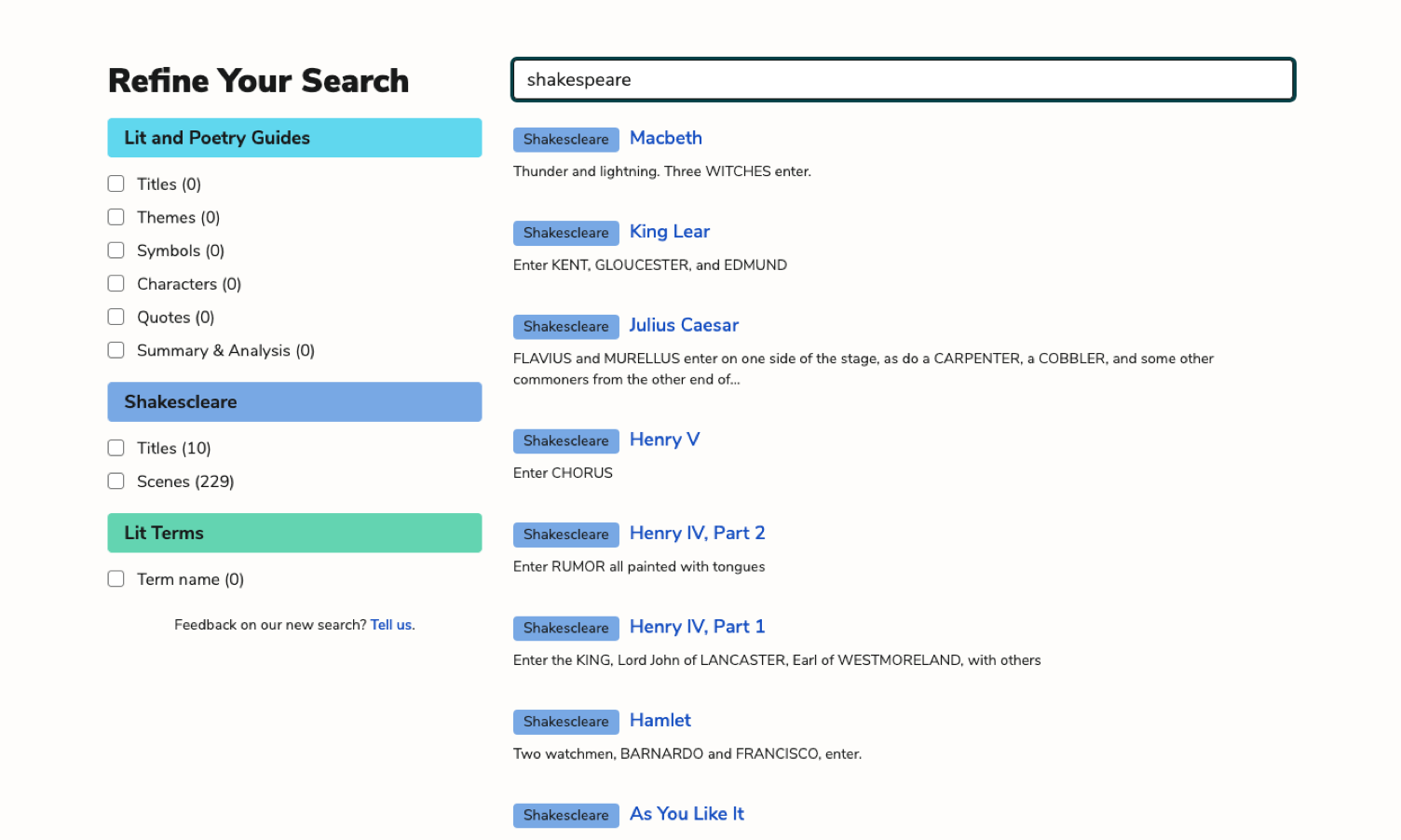
Advanced Search
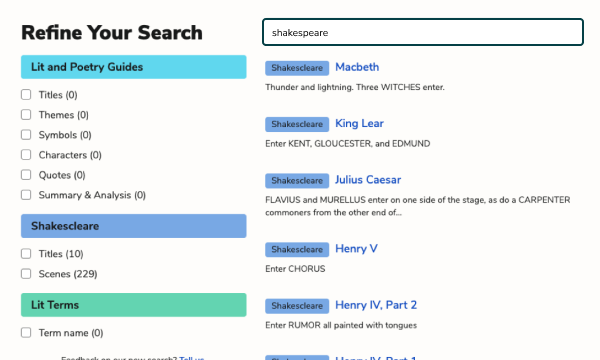
Refine any search. Find related themes, quotes, symbols, characters, and more.

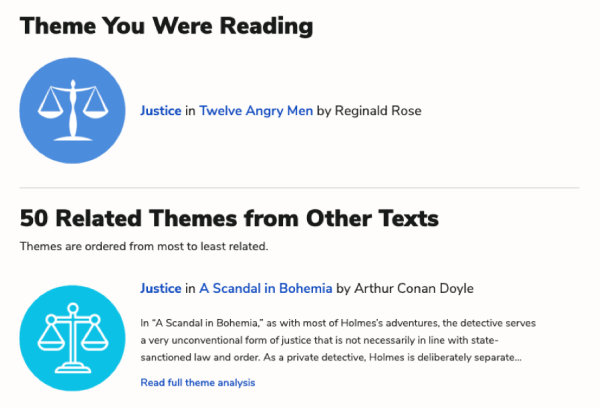
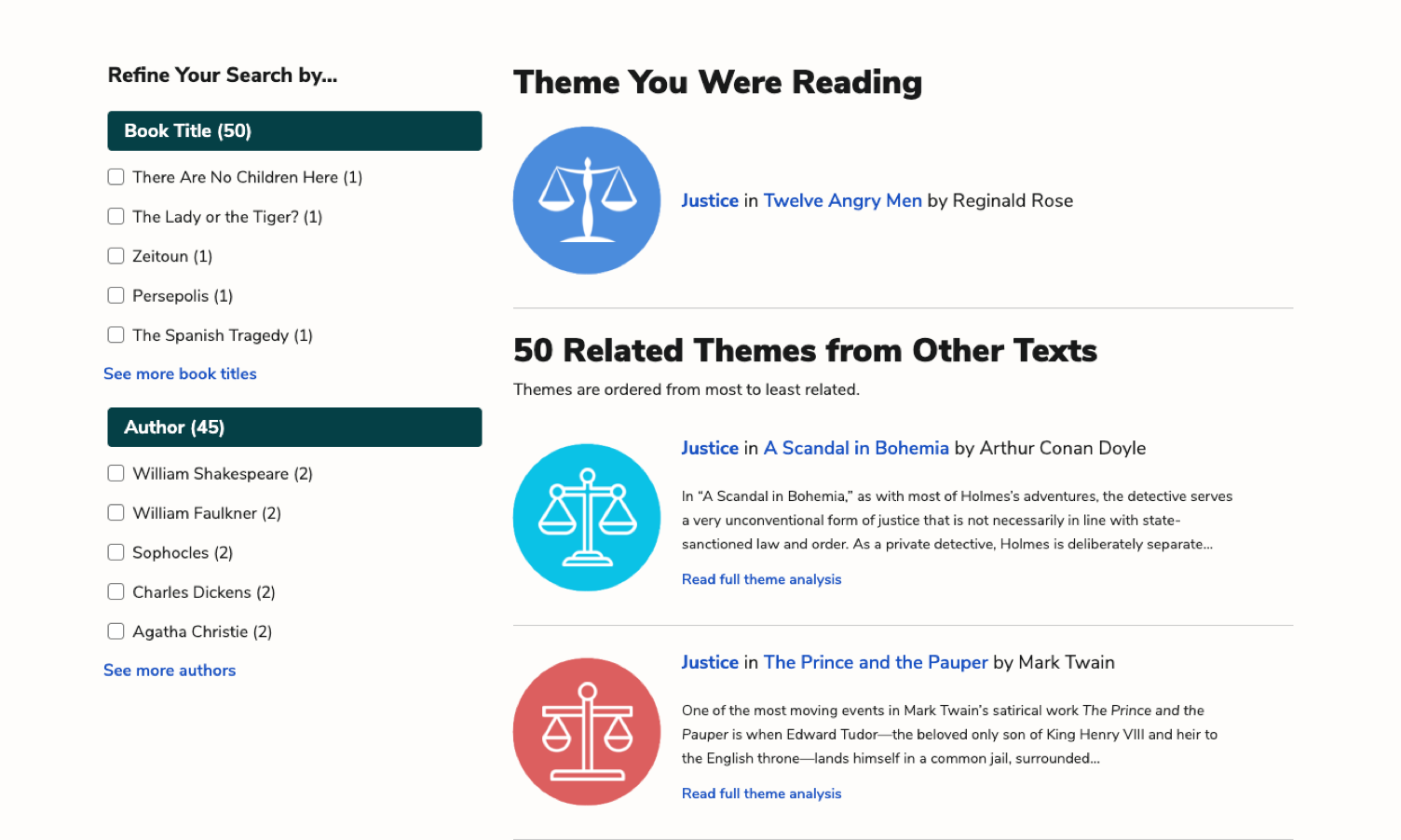
Related Themes
Comparing and contrasting texts? Find where any theme occurs across all of LitCharts in seconds.


Poetry Guides
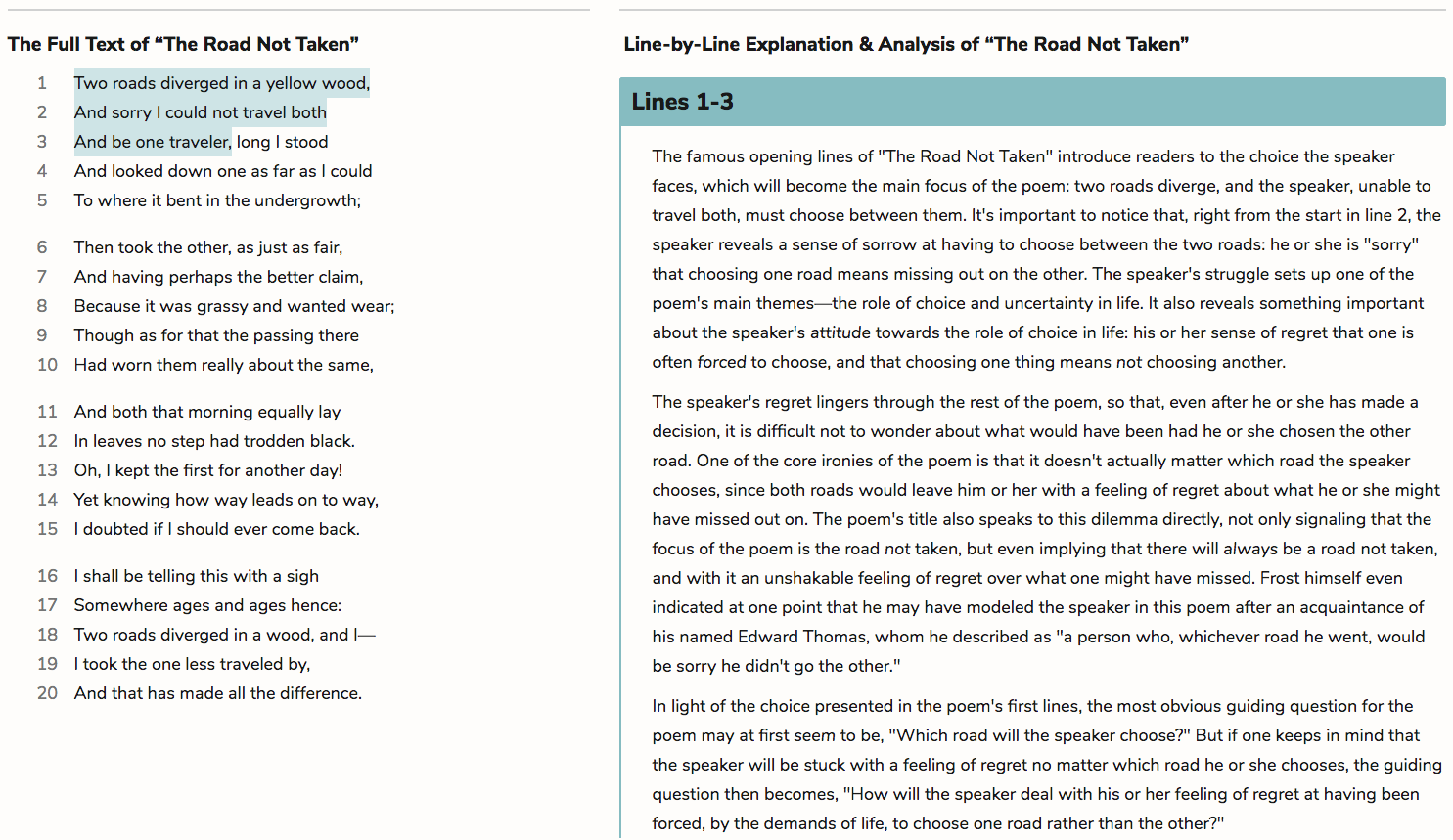
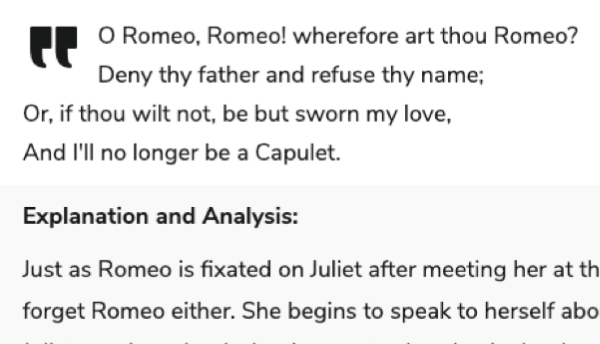
Line-by-line explanations and analysis of figurative language and poetic devices.
For every lyric poem we cover.
For every lyric poem we cover.