
|
Have questions?
Contact us
Already a member? Sign in
|
Get every literary device explanation for The Scarlet Pimpernel
Plus so much more...
Sign up for LitCharts A+
Get instant access to every literary device explanation, plus so much more...
Simile
Explanation and Analysis—"Savage Creatures":
At multiple points throughout The Scarlet Pimpernel, Orczy utilizes metaphor and simile to compare the supporters of the French Revolution to animals.
Chapter 1 opens with a crowd of French peasants gathering around the guillotine to watch the execution of aristocrats:
A surging, seething, murmuring crowd, of beings that are human only in name, for to the eye and ear they seem naught but savage creatures, animated by vile passions and by the lust of vengeance and of hate.
In this passage, French citizens are dehumanized and compared to “savage creatures.” From Orczy’s perspective, they are “human only in name,” appearing as animals to the eye and ear. Orczy also portrays the French peasantry as a mindless, bloodthirsty mob, rather than a group of free-thinking individuals. And although the real-life leaders of the French Revolution were motivated by a genuine desire for justice and social equality, Orczy dismisses these motivations as “the lust of vengeance and hate.”
Throughout the novel, Orczy contrasts this perceived mob mentality with The League of the Scarlet Pimpernel, whose members are motivated by a strong devotion to their leader and their cause but are still capable of independent thought and action.
In Chapter 28, Marguerite uses metaphor and simile to compare Chauvelin and his lackeys to wolves:
She thought of the ravenous beasts—in human shape—who lay in wait for their prey, and destroyed them, as mercilessly as any hungry wolf, for the satisfaction of their own appetite of hate.
Interestingly, although Marguerite describes Chauvelin’s men as animals, she ascribes attributes to them that are only found in human beings. Animals are, by nature, amoral. Their behavior is motivated by an innate instinct to survive, and they are incapable of feeling human emotions like hate.
Also, although Marguerite’s comparison is intended to be disparaging, Chauvelin uses similar language later in the same chapter when he speaks to his men:
"But remember that you must be as silent as the wolf is at night, when he prowls around the pens."
In this instance, animal-like behavior is depicted as something worthy of emulation. Chauvelin, it seems, is fully comfortable embracing his identity as a predator.
Monthly
Annual (Best Value)

$595USD/mo
Charged $71.40 USD every year
 Teacher
$795USD/mo
Charged $95.40 USD every year
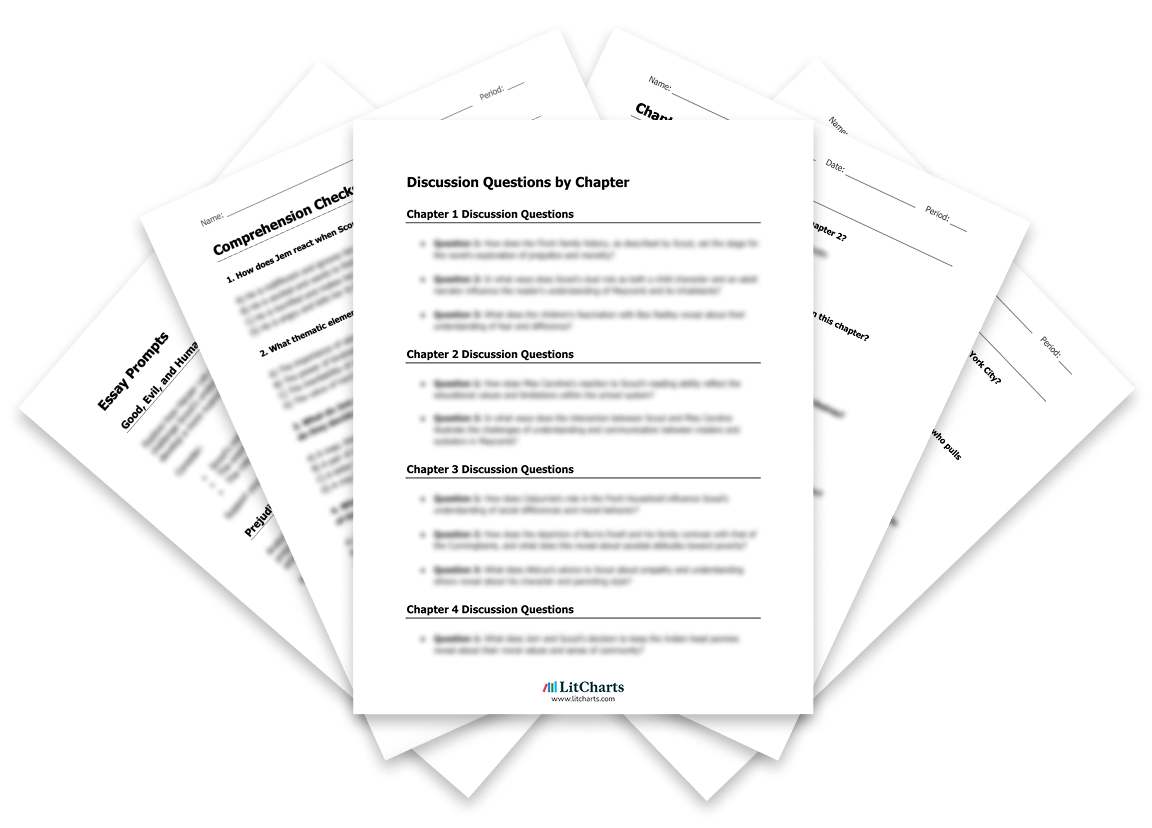


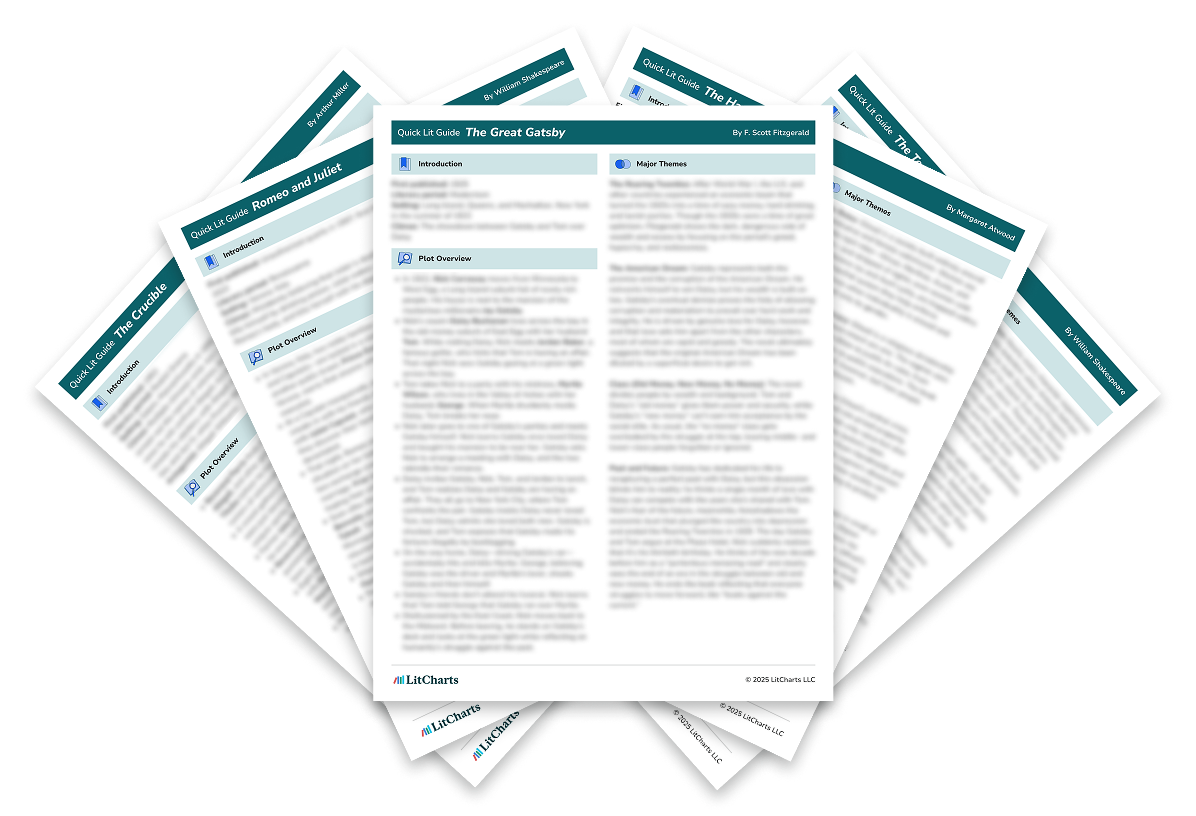
Literature Guide PDFs
LitCharts PDFs for every book you'll read this year.
Instant PDF downloads of all 2253 LitCharts literature guides and of every new one we publish. Try a free sample literature guide.
"Would not have made it through AP Literature without the printable PDFs. They're like having in-class notes for every discussion!"






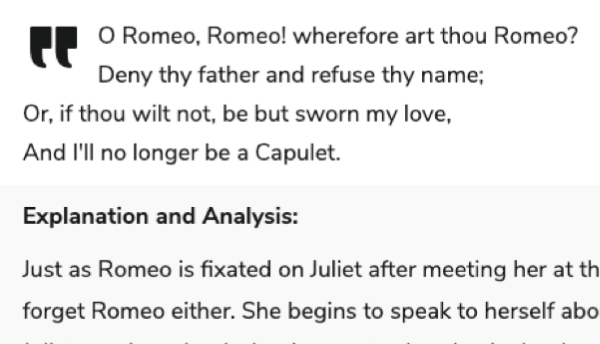
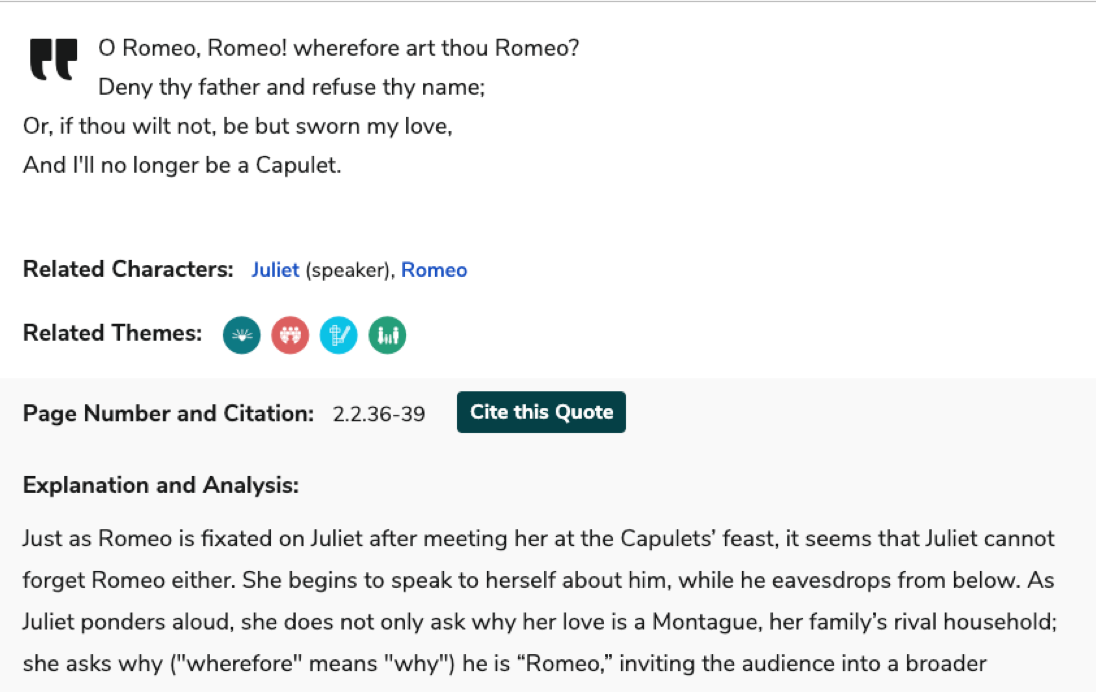
Quotes Explanations
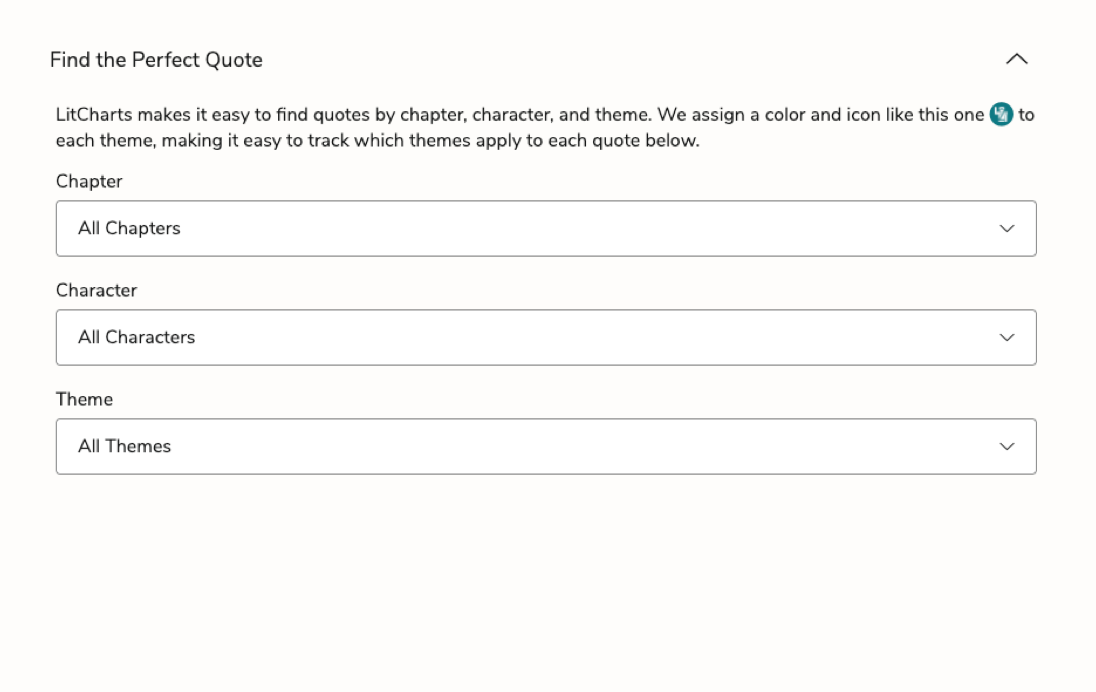
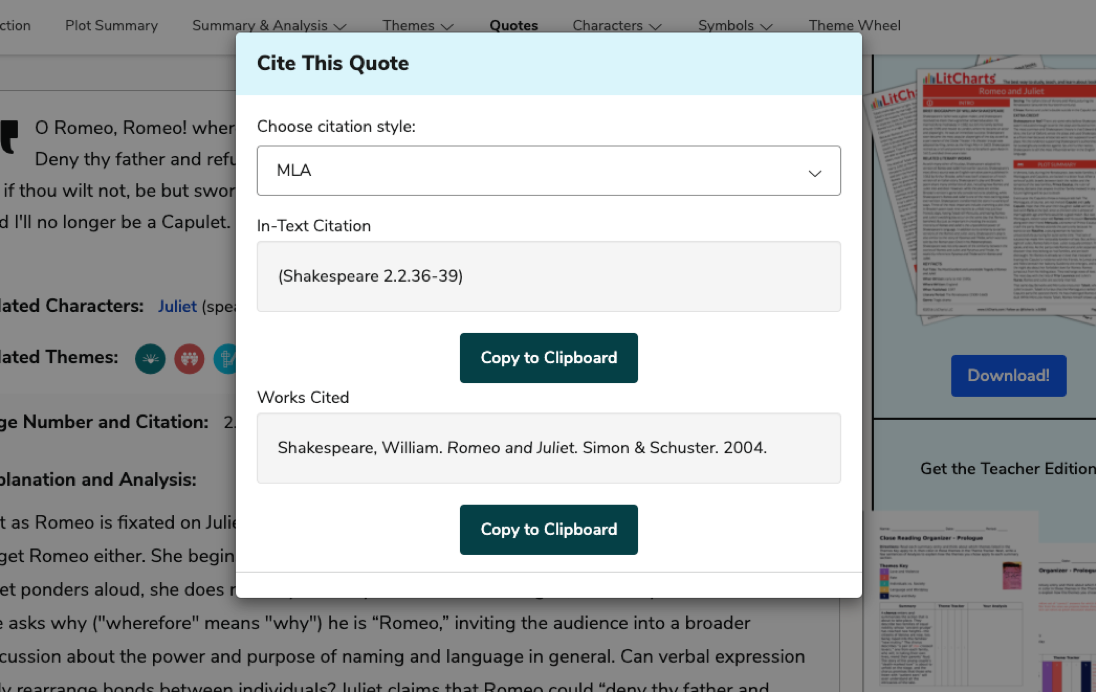
Find the perfect quote. Understand it perfectly. Then rock the citation, too.
For all 50,238 quotes we cover.
For all 50,238 quotes we cover.


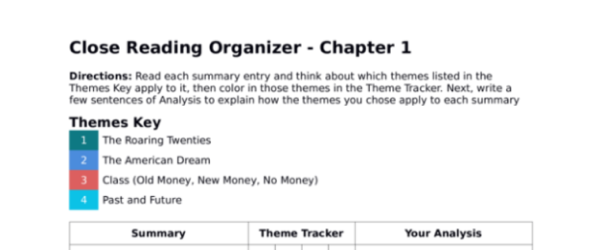
Teacher Editions
Close reading made easy for students.
Time saved for teachers.
For every book we cover.
Time saved for teachers.
For every book we cover.


Common Core-aligned


PDFs of modern translations of every one of Shakespeare's 37 plays, 154 sonnets, and 3 longer poems.

Literary Terms and Devices
Definitions and examples for every literary term and device you need to know.
Plus a quick-reference PDF with concise definitions of all 136 terms in one place.
Plus a quick-reference PDF with concise definitions of all 136 terms in one place.
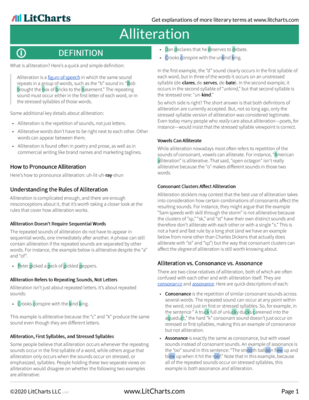
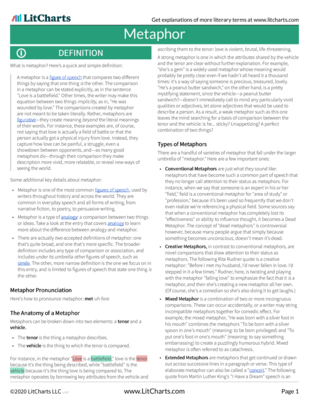
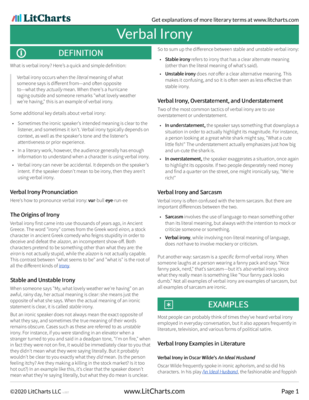
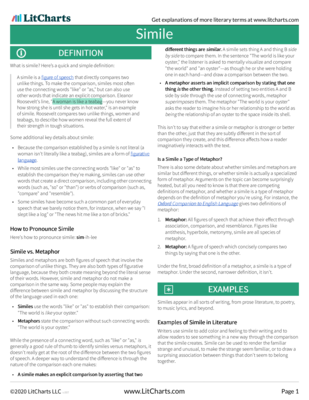
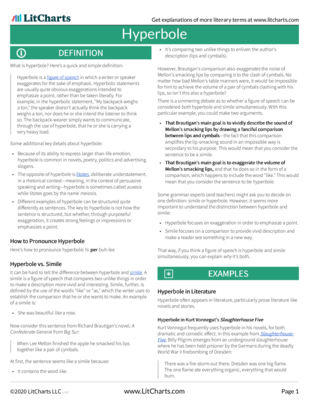
Try a free sample literary term PDF.


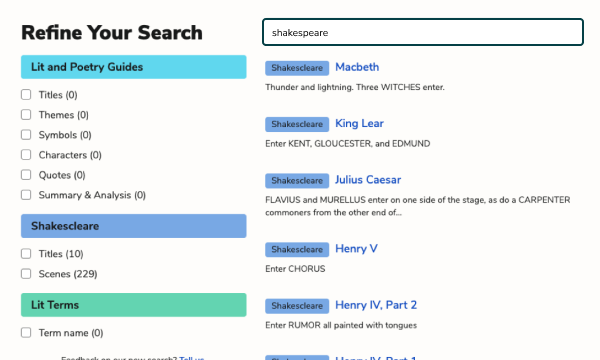
Advanced Search
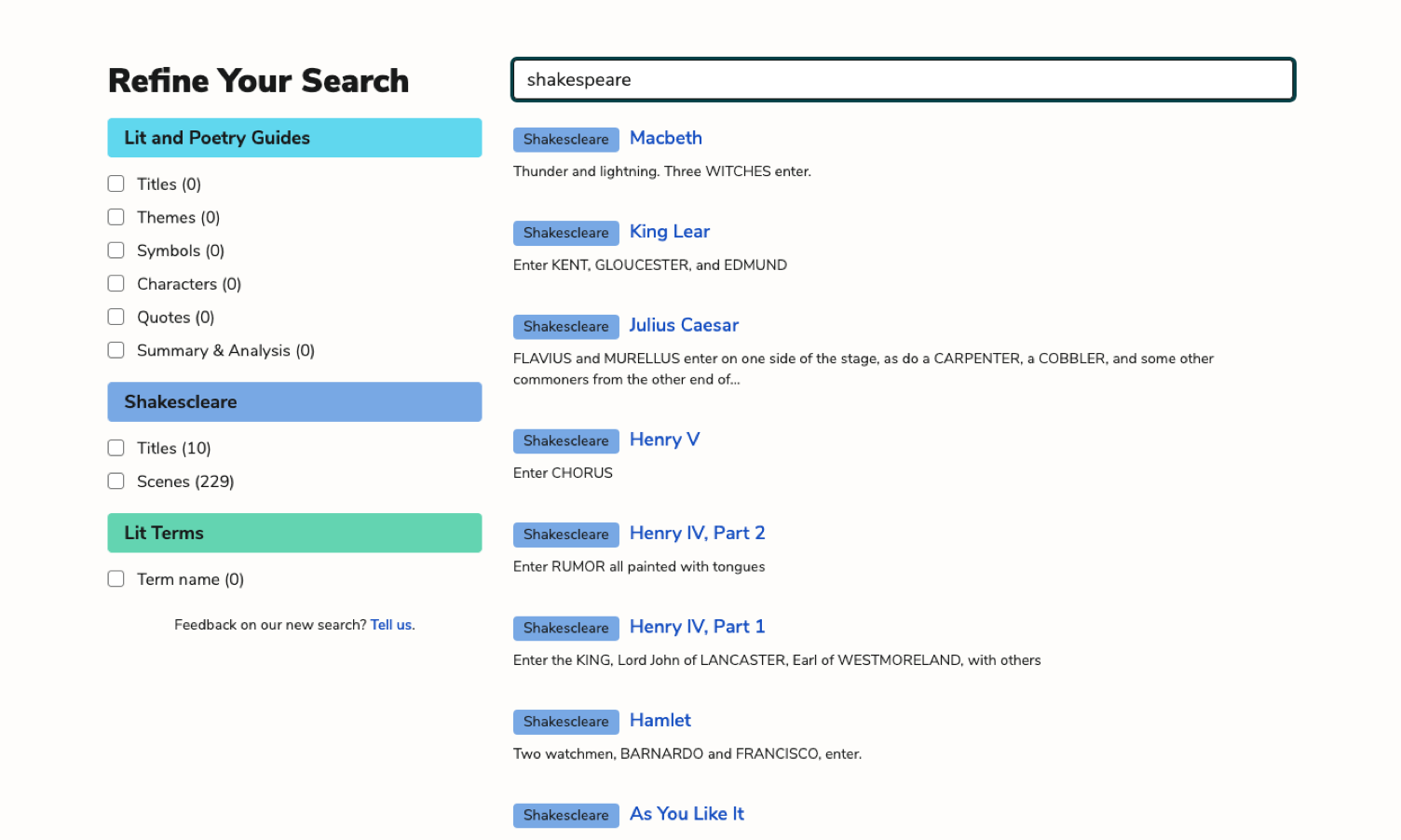
Refine any search. Find related themes, quotes, symbols, characters, and more.

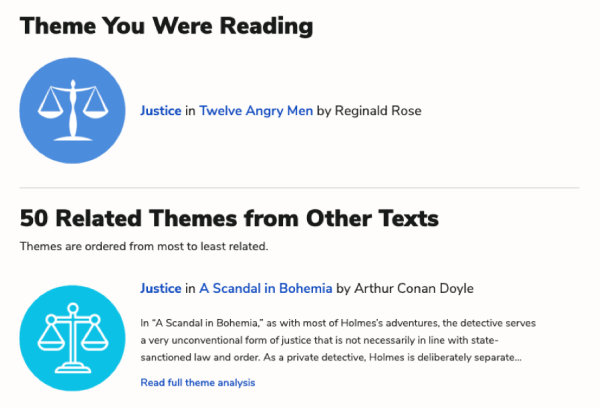
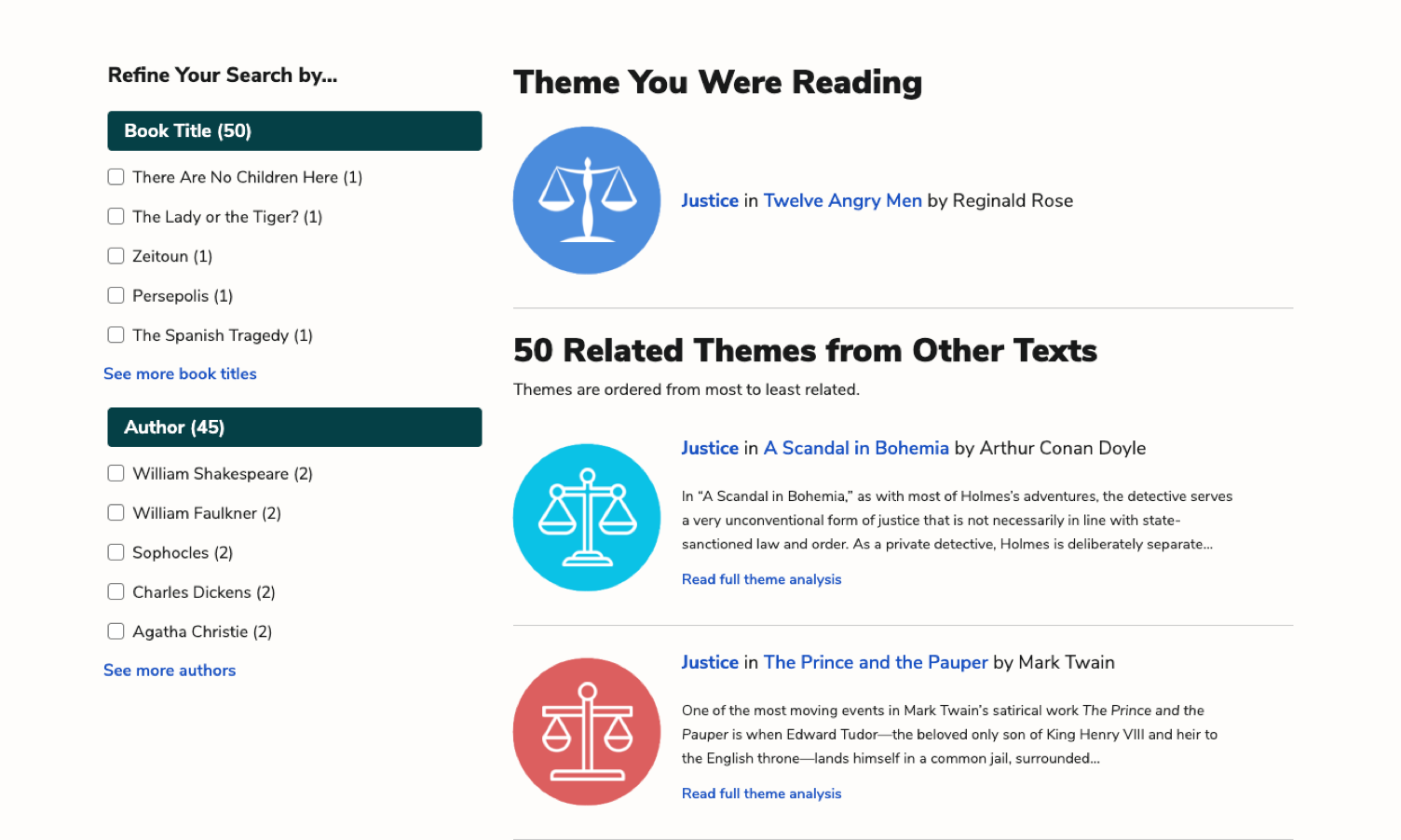
Related Themes
Comparing and contrasting texts? Find where any theme occurs across all of LitCharts in seconds.

Poetry Guides
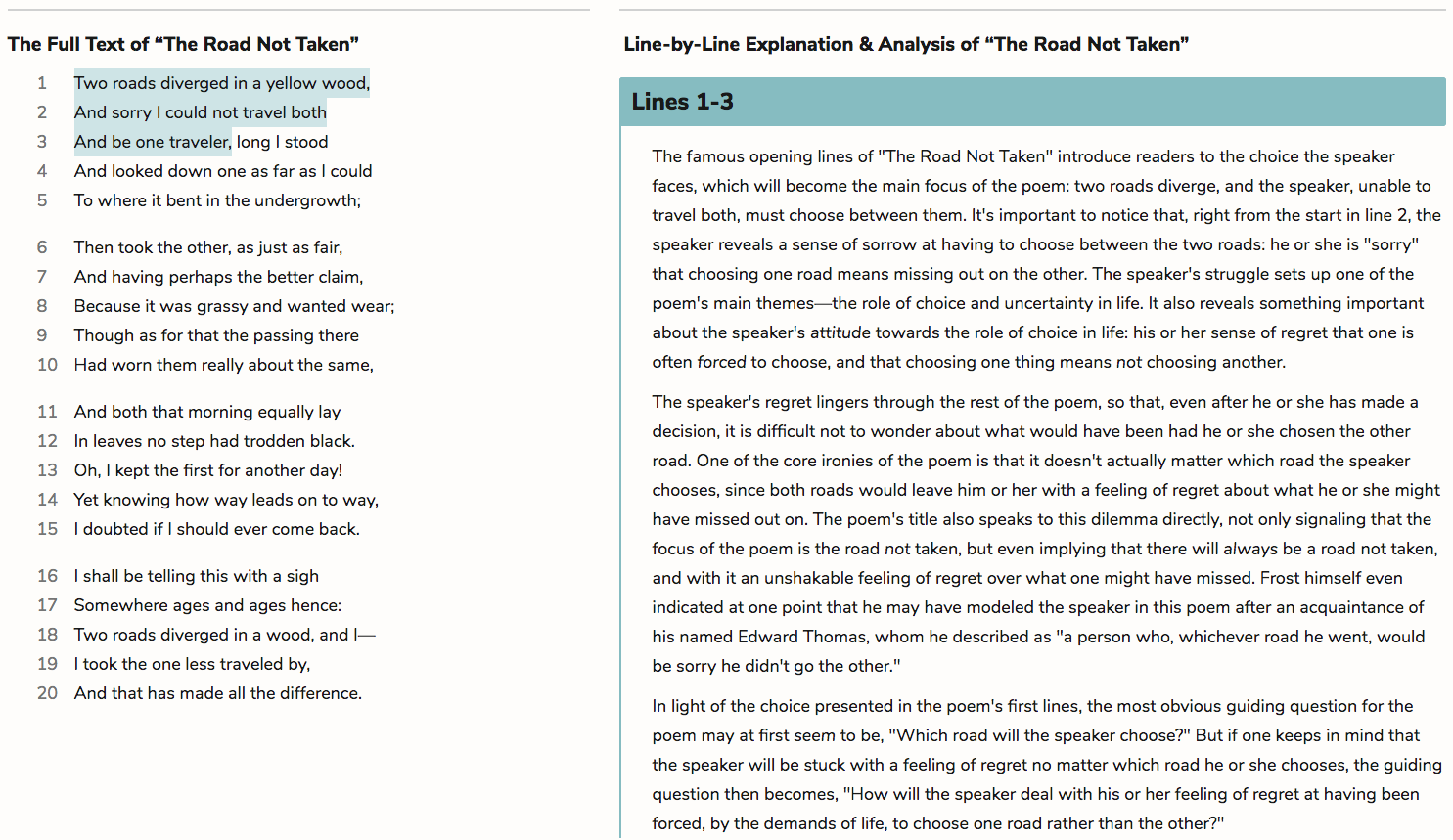
Line-by-line explanations and analysis of figurative language and poetic devices.
For every lyric poem we cover.
For every lyric poem we cover.