
|
Have questions?
Contact us
Already a member? Sign in
|
Get every literary device explanation for A Room with a View
Plus so much more...
Sign up for LitCharts A+
Get instant access to every literary device explanation, plus so much more...
Simile
Explanation and Analysis—A Woman of Leonardo:
In the eighth chapter, Lucy has returned from Italy and accepted Cecil's proposal. When the narrator grants the reader access to this new character's thoughts for the first time, Cecil muses on Lucy and uses a simile to compare her to a painting by Leonardo da Vinci:
She was like a woman of Leonardo da Vinci’s, whom we love not so much for herself as for the things that she will not tell us. The things are assuredly not of this life; no woman of Leonardo’s could have anything so vulgar as a ‘story’. She did develop most wonderfully day by day.
The reader's first impression of Cecil is not overwhelmingly positive. On Cecil's behalf, the narrator divulges that he initially saw Lucy "as a common-place girl who happened to be musical." When he met her in Rome, she had at first "seemed a typical tourist — shrill, crude, and gaunt with travel." Cecil is evidently an unsympathetic and judgmental person. What's more, he sees his own fiancée as a painting and feels that people love her not for what she is but for what she signifies. Ultimately, he is eager for Lucy to "develop."
The metaphor of Lucy as a painting (as Cecil's painting) returns repeatedly throughout the second half of the novel. In the ninth chapter, Lucy expresses her fierce dislike of Mr. Eager, to the surprise of Mrs. Honeychurch and Cecil. The narrator writes that the latter finds her outburst incongruous, and he again sees her as a painting by da Vinci:
It was as if one should see the Leonardo on the ceiling of the Sistine. He longed to hint to her that not here lay her vocation; that a woman’s power and charm reside in mystery, not in muscular rant. But possibly rant is a sign of vitality: it mars the beautiful creature, but shows that she is alive. After a moment, he contemplated her flushed face and excited gestures with a certain approval. He forbore to repress the sources of youth.
As she rants about Mr. Eager, Lucy does something she rarely does: she expresses her own uninhibited feelings. It is not wholly surprising that Lucy's mother attempts to quell her daughter's spiteful words about another person, especially a clergyman. Cecil's internal response, however, is shocking in its calculation and condescension. Part of him wants to tell her off for expressing her feelings strongly, as he feels that women should conceal their emotions rather than express them. Another part of him, however, is attracted to her intense emotions. This passage reveals the degree to which Cecil's understanding of Lucy is always informed by his devotion to propriety and the opinions of good society.
In relation to this, Cecil detests the people in Lucy's life and does not see any of them as good society. He again invokes the Leonardo metaphor when in the company of Lucy's family members and friends, thinking about how in "January he would rescue his Leonardo from this stupefying twaddle." The Leonardo metaphor comes up one final time in the seventeenth chapter, when Lucy breaks off her engagement with Cecil:
He looked at her, instead of through her, for the first time since they were engaged. From a Leonardo she had become a living woman, with mysteries and forces of her own, with qualities that even eluded art.
In the end, Lucy has to stand up to Cecil to make him see her as a real woman. His newfound respect is accompanied by actual love; this is the first time he says her loves her.
Monthly
Annual (Best Value)

$595USD/mo
Charged $71.40 USD every year
Quote explanations & citation info

Every PDF download
Printable PDFs for every guide
"Would not have made it through without the printable PDFs. They're like having in-class notes for every discussion!"
– LitCharts A⁺ user
One-page Quick Lit Guides
Understand key basics—fast
Printable, one-page guides that cover the plot points, themes, and ideas you need to know.
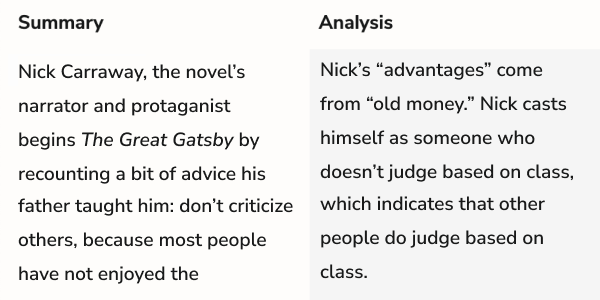
Detailed chapter analysis
Get what happens and what it means
Targeted analysis next to the summary ensures you’ll understand more than just the plot.
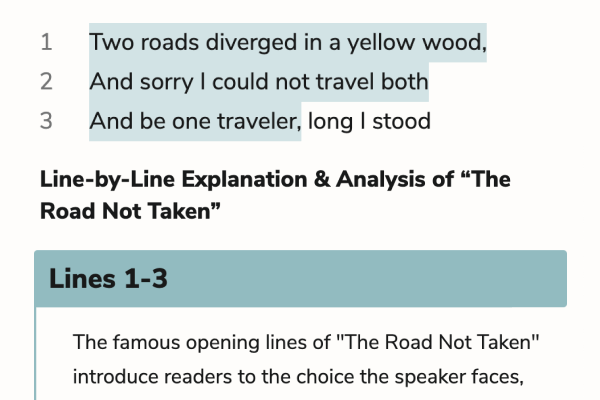
Line-by-line poetry analysis
Get the meaning in every line
Never feel lost reading a poem again with clear and in-depth analysis of each and every line.
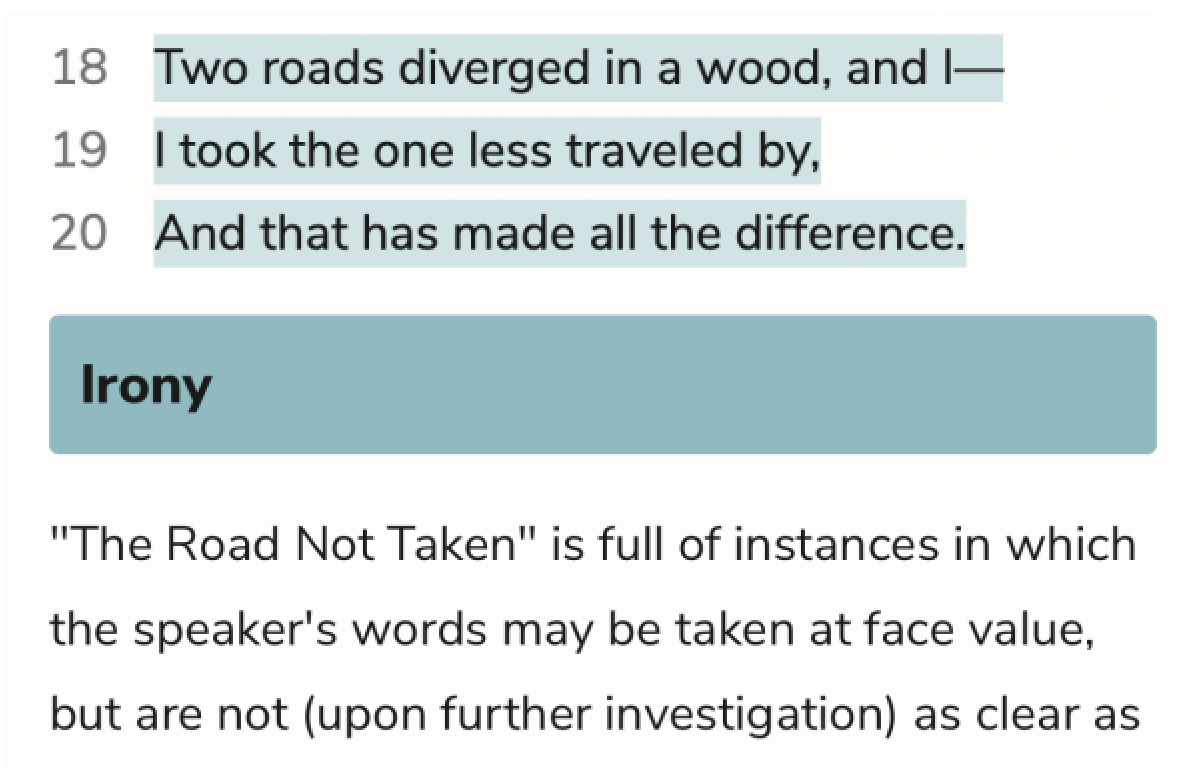
Literary & poetic device analysis
Decode the author’s language
Quickly find and understand the key devices in whatever you’re reading.
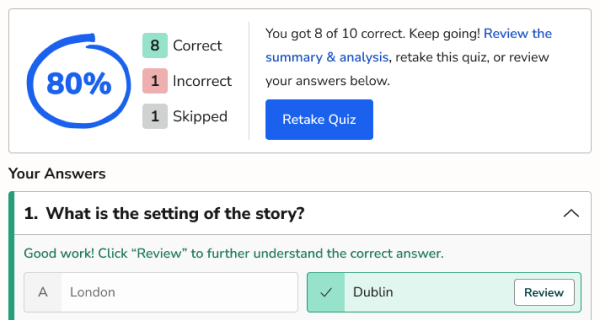
Unlimited quizzes
Unlimited quizzes and feedback
Boost your learning with quizzes that pinpoint and address knowledge gaps.
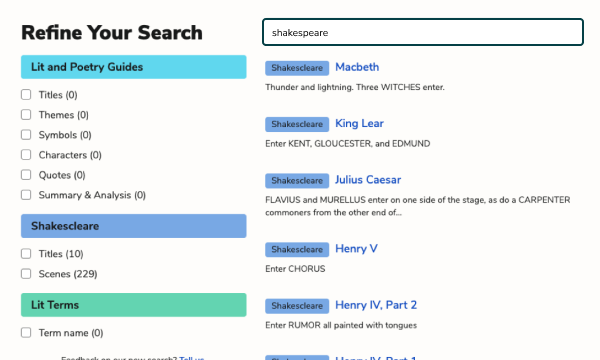
Advanced search
Find exactly what you need
Refine your search using advanced filters like genre, time period, literary movement, author context, grade level, and more.
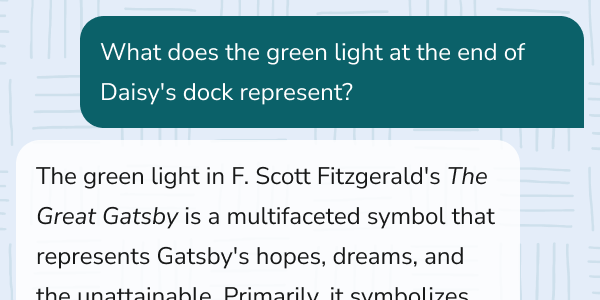
Ask LitCharts AI
Ask LitCharts AI
Instant answers to all your lit questions. Powered by LitCharts content and AI.
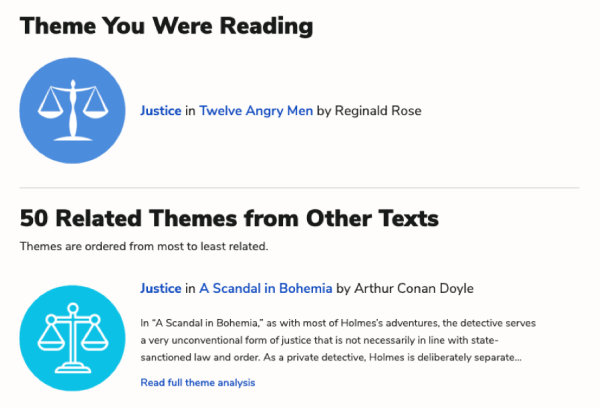
Theme comparisons across books
Compare and contrast
Identify similar themes across books, making comparisons fast and simple.
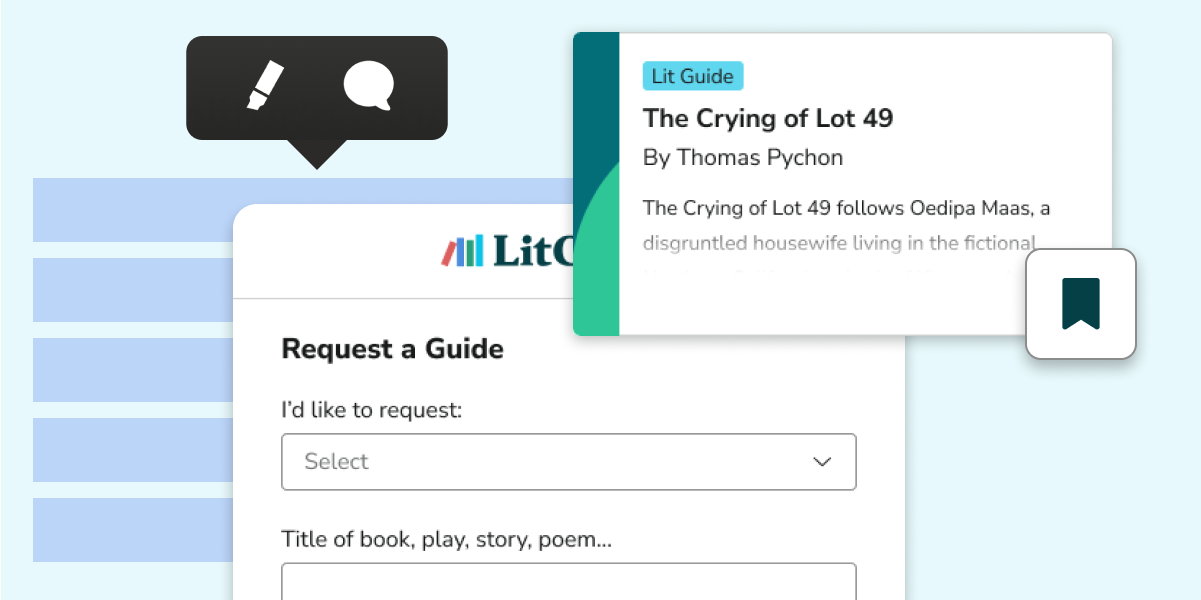
Highlight, take notes, & save guides
Make LitCharts your own
Add highlights or notes, save guides for easy access later, and request new titles.
 Teacher
$795USD/mo
Charged $95.40 USD every year
Quote explanations & citation info
Find the perfect quote
Then understand it perfectly. And get the citation, too. For all 35,000+ quotes we cover.
Every PDF download
Printable PDFs for every guide
"Would not have made it through without the printable PDFs. They're like having in-class notes for every discussion!"
– LitCharts A⁺ user
One-page Quick Lit Guides
Understand key basics—fast
Printable, one-page guides that cover the plot points, themes, and ideas you need to know.
Detailed chapter analysis
Get what happens and what it means
Targeted analysis next to the summary ensures you’ll understand more than just the plot.
Line-by-line poetry analysis
Get the meaning in every line
Never feel lost reading a poem again with clear and in-depth analysis of each and every line.
Literary & poetic device analysis
Decode the author’s language
Quickly find and understand the key devices in whatever you’re reading.
Unlimited quizzes
Unlimited quizzes and feedback
Boost your learning with quizzes that pinpoint and address knowledge gaps.
Advanced search
Find exactly what you need
Refine your search using advanced filters like genre, time period, literary movement, author context, grade level, and more.
Ask LitCharts AI
Ask LitCharts AI
Instant answers to all your lit questions. Powered by LitCharts content and AI.
Theme comparisons across books
Compare and contrast
Identify similar themes across books, making comparisons fast and simple.
Highlight, take notes, & save guides
Make LitCharts your own
Add highlights or notes, save guides for easy access later, and request new titles.
Teacher editions
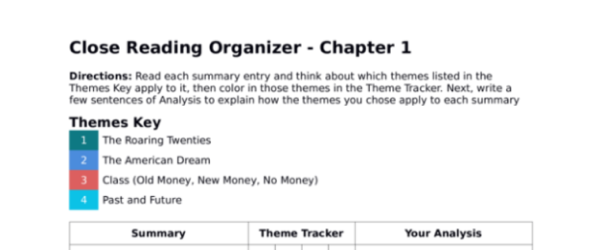
Save time with in-depth organizers
"THE best teaching resource I have ever used. My students love the handouts."
– LitCharts A⁺ User
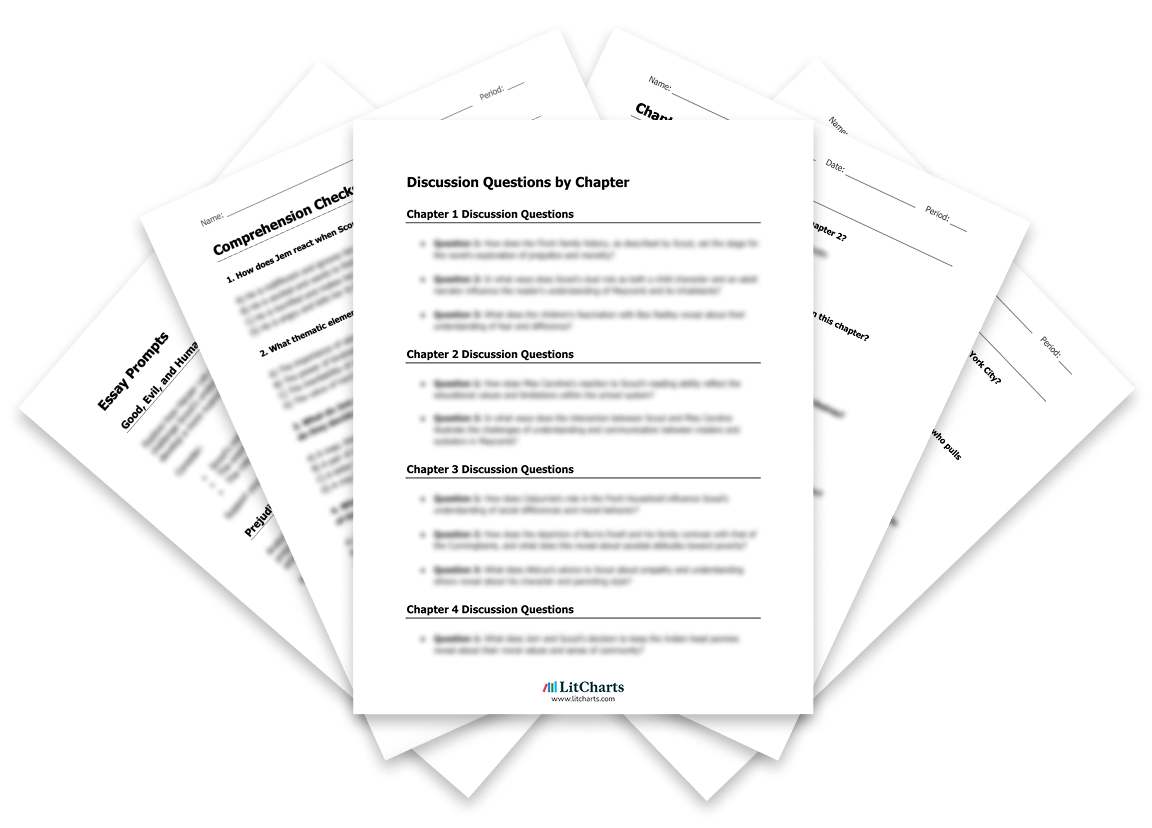
Printable classroom resources
Cut prep time in half
Essay prompts, discussion questions, and comprehension checks—easy to print and ready to use in class.
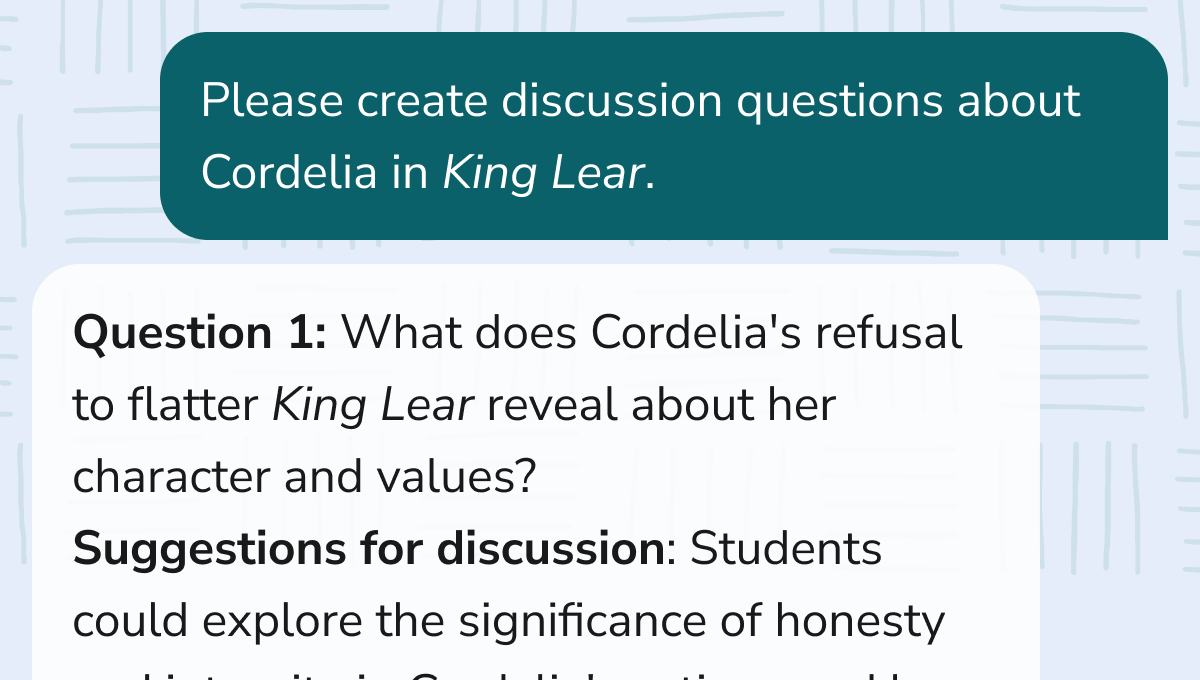
Discussion question generator
Discussion question generator
Instantly create discussion questions that get people talking, through the power of LitCharts analysis and AI.
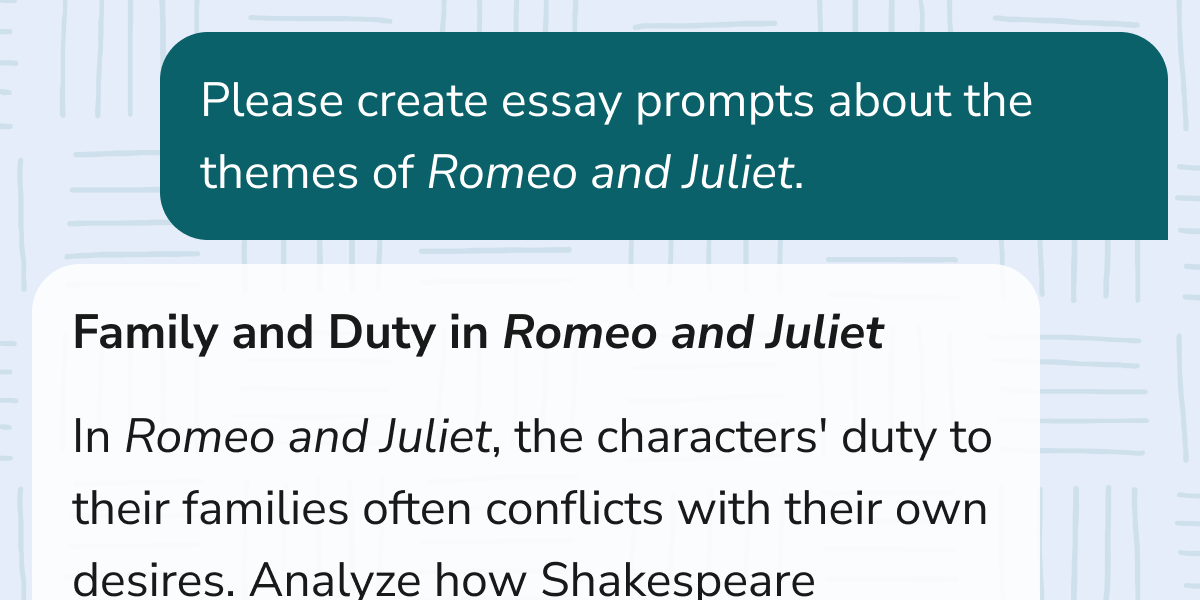
Essay prompt generator
Essay prompt generator
Quickly create thought-provoking essay prompts that will get your students writing, powered by LitCharts analysis and AI.
Quiz question generator
Quiz question generator
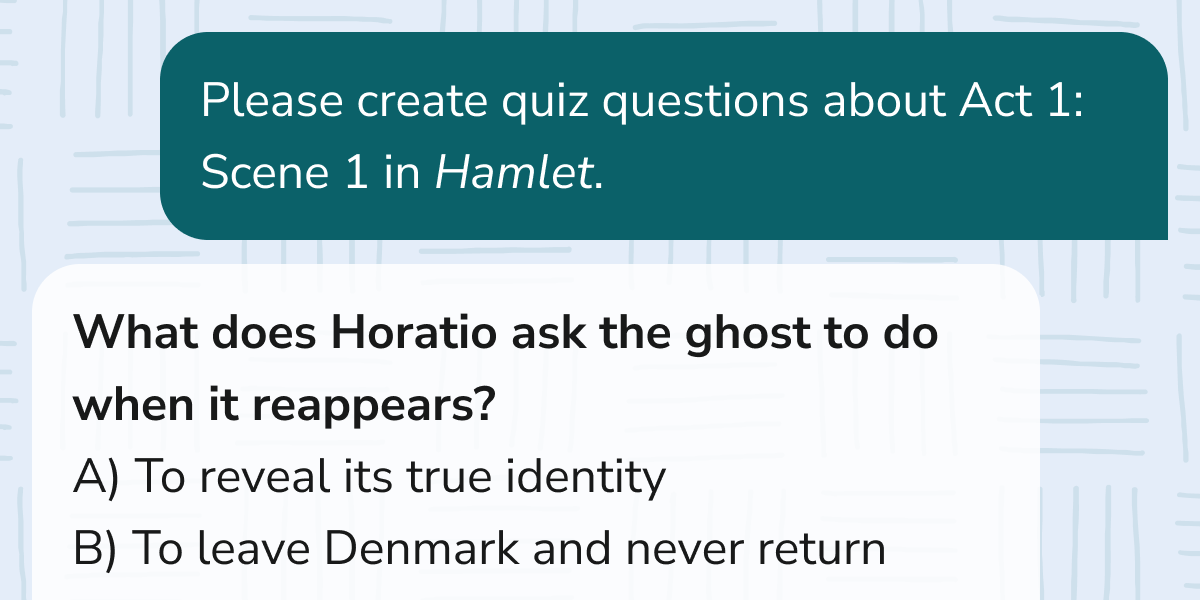
Effortlessly generate targeted quiz questions, powered by the world’s best literary analysis and AI.


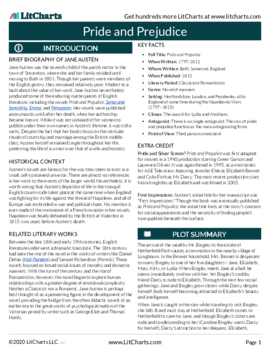
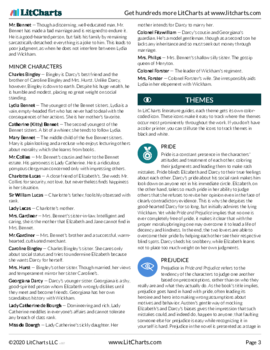
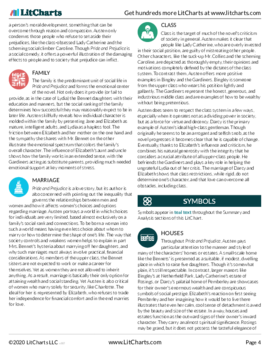
Literature Guide PDFs
LitCharts PDFs for every book you'll read this year.
Instant PDF downloads of all 2256 LitCharts literature guides and of every new one we publish. Try a free sample literature guide.
"Would not have made it through AP Literature without the printable PDFs. They're like having in-class notes for every discussion!"






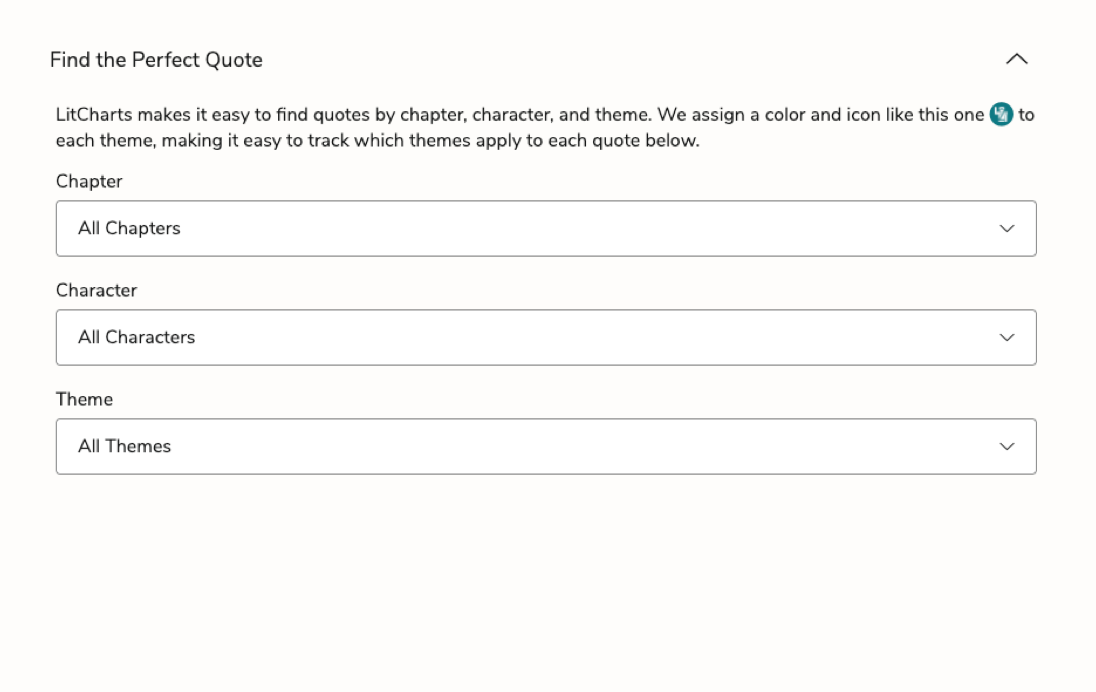
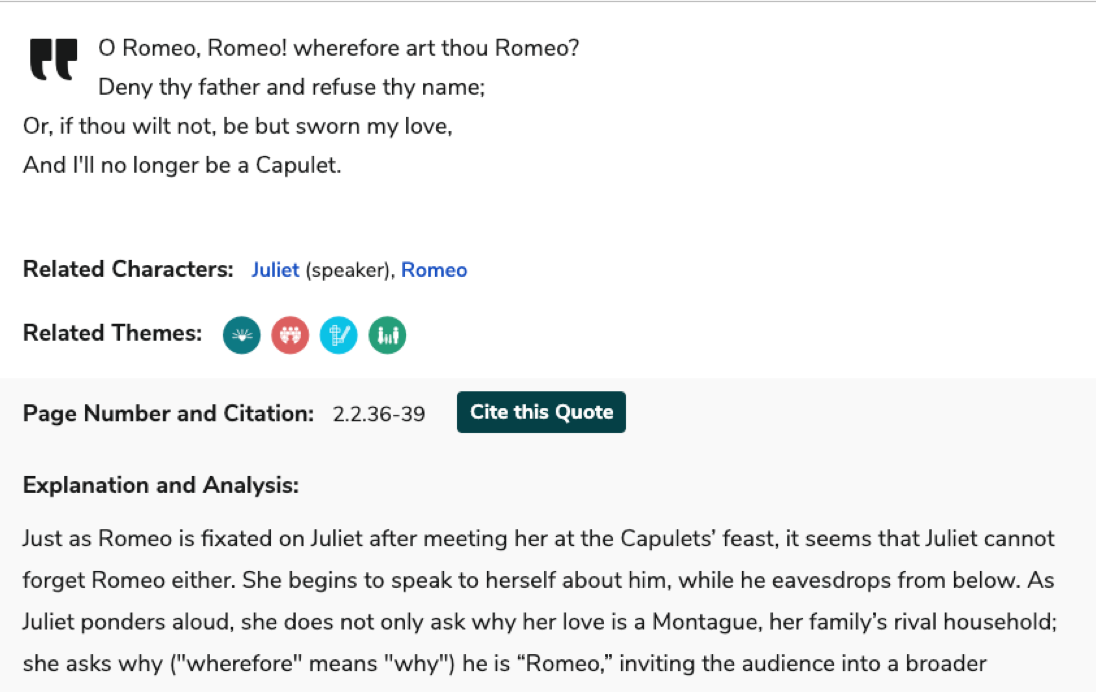
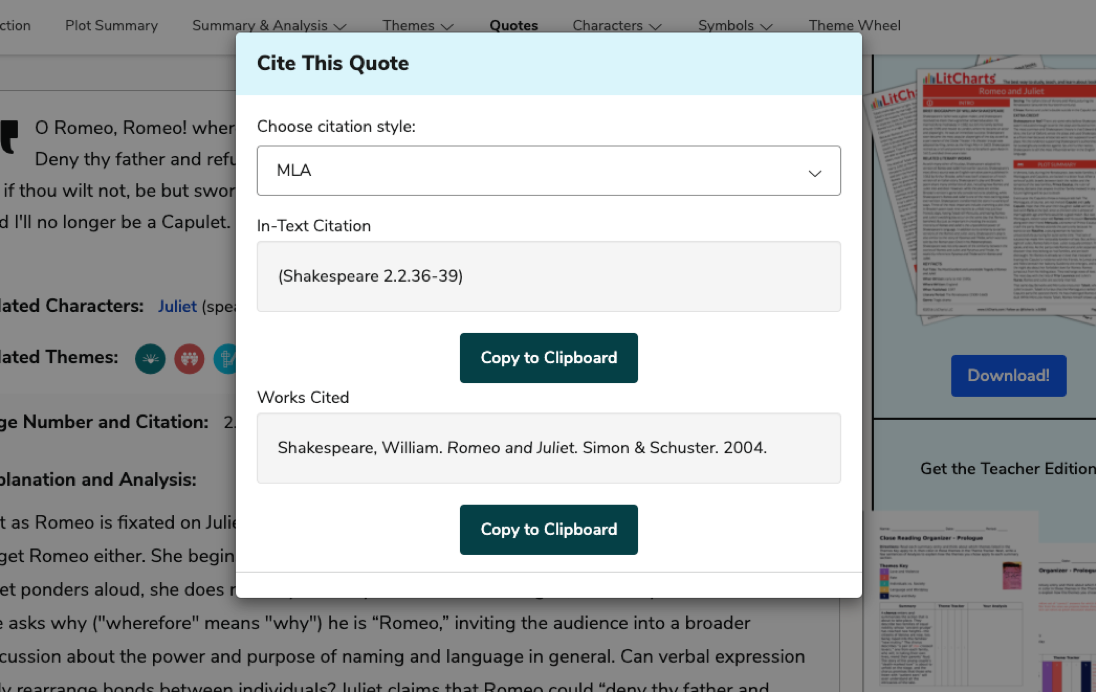
Quotes Explanations
Find the perfect quote. Understand it perfectly. Then rock the citation, too.
For all 50,308 quotes we cover.
For all 50,308 quotes we cover.


Teacher Editions
Close reading made easy for students.
Time saved for teachers.
For every book we cover.
Time saved for teachers.
For every book we cover.
Teacher Edition Contents

|
Close Reading Organizers |

|
Character Analysis Organizers |

|
Symbol Analysis Organizers |

|
Theme Analysis Organizers |

|
Quote Analysis Organizers |
Common Core-aligned
""
Try a free and complete sample Teacher Edition.


PDFs of modern translations of every one of Shakespeare's 37 plays, 154 sonnets, and 3 longer poems.
Every translation available to download as a PDF.
Try a free sample Shakespeare translation.
"Every teacher of literature should use these translations. They completely demystify Shakespeare. Students love them!"

Literary Terms and Devices
Definitions and examples for every literary term and device you need to know.
Plus a quick-reference PDF with concise definitions of all 136 terms in one place.
Plus a quick-reference PDF with concise definitions of all 136 terms in one place.
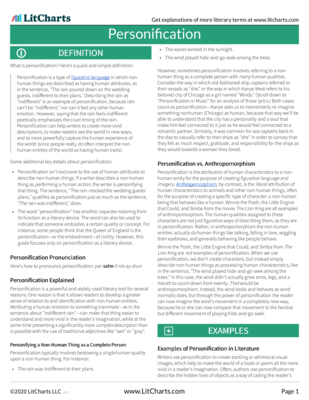
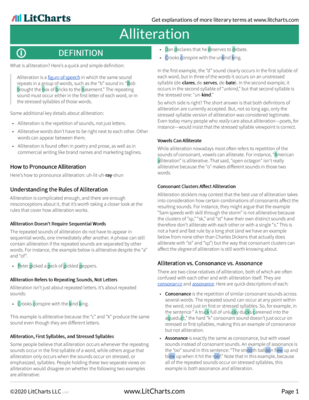
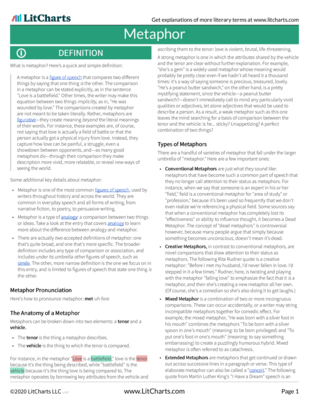
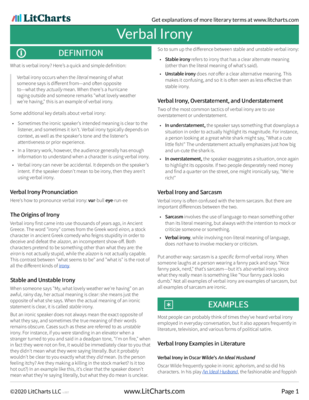
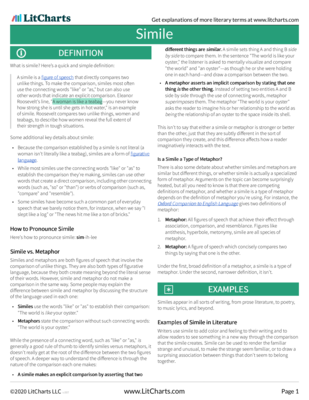
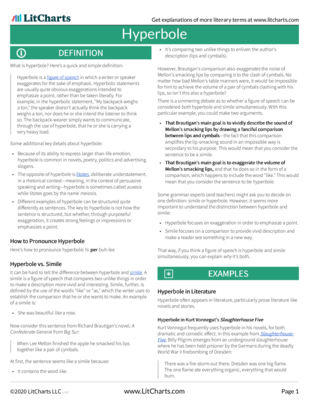
Try a free sample literary term PDF.


Advanced Search
Refine any search. Find related themes, quotes, symbols, characters, and more.
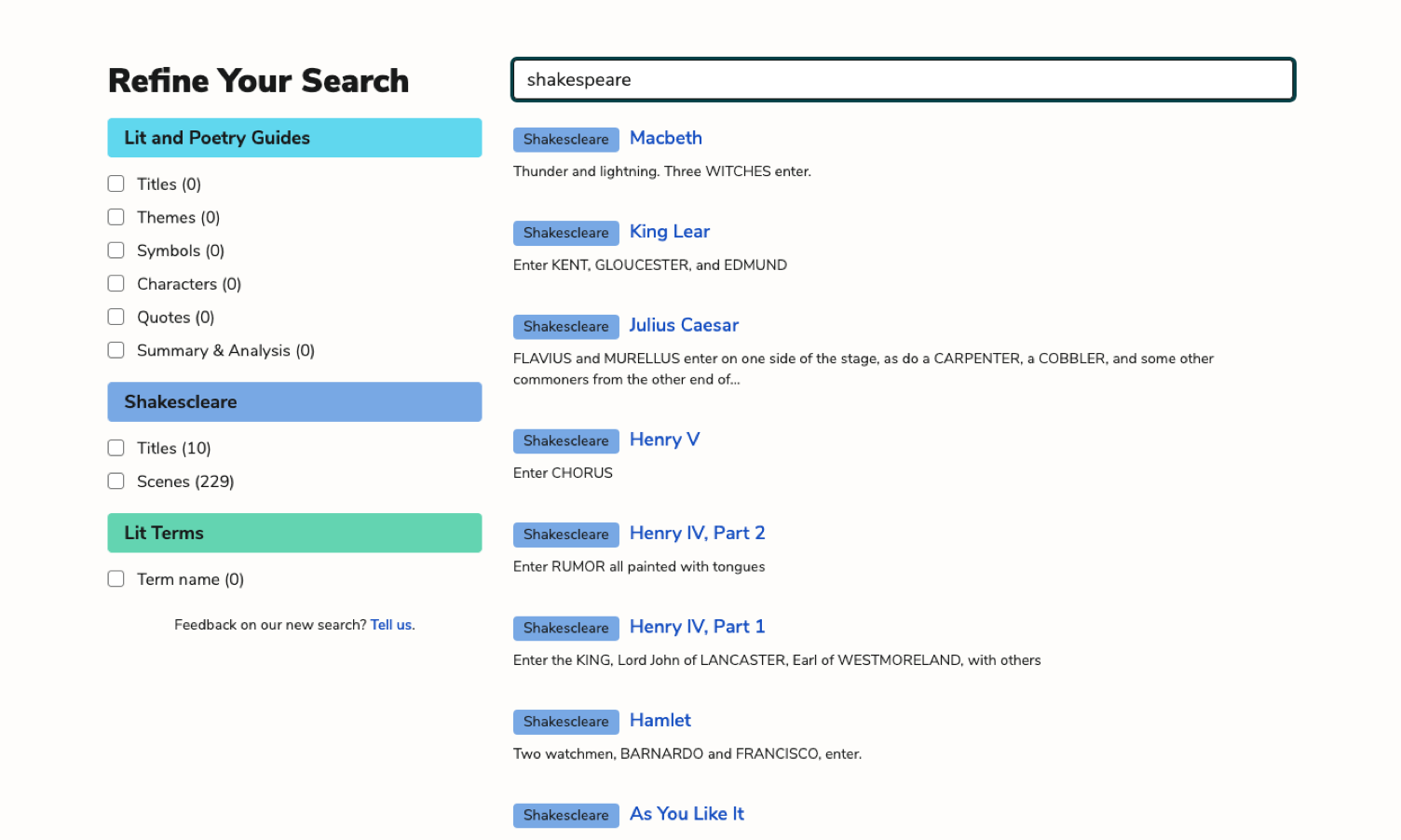

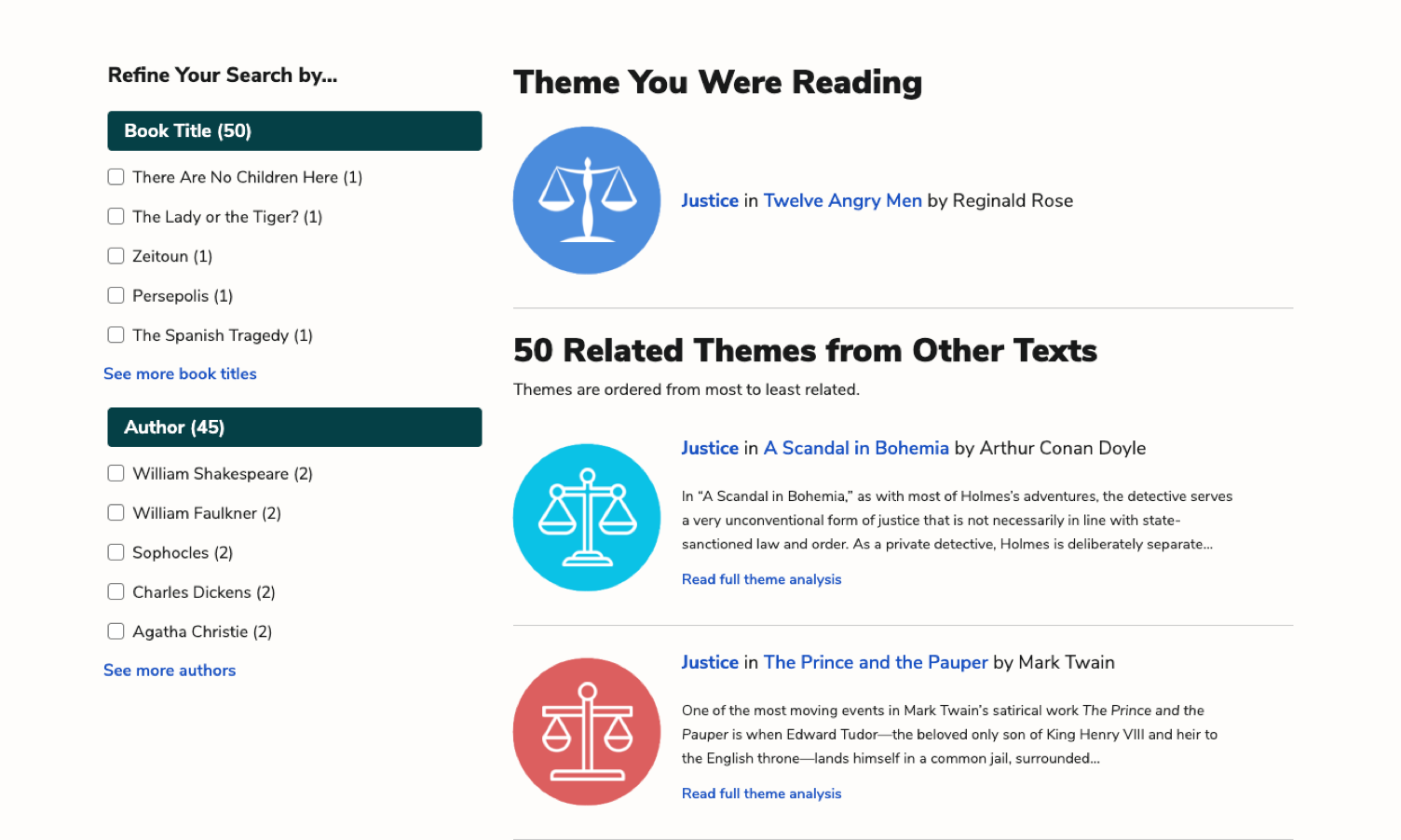
Related Themes
Comparing and contrasting texts? Find where any theme occurs across all of LitCharts in seconds.


Poetry Guides
Line-by-line explanations and analysis of figurative language and poetic devices.
For every lyric poem we cover.
For every lyric poem we cover.