
|
Have questions?
Contact us
Already a member? Sign in
|
Get every literary device explanation for The Mark on the Wall
Plus so much more...
Sign up for LitCharts A+
Get instant access to every literary device explanation, plus so much more...
Simile
Explanation and Analysis—Parcels and Asphodel:
More than once, Woolf alludes to or explicitly mentions prominent locations featured in Greek mythology. The underworld, or "Hades," is a site of particular fixation:
Why, if one wants to compare life to anything, one must liken it to . . . Tumbling head over heels in the asphodel meadows like brown paper parcels pitched down a shoot in the post office!
Woolf references the "asphodel meadows" (also called the "fields of asphodel")—a part of the underworld where ordinary souls (people who were neither exceptionally good nor exceptionally evil) are sent during the afterlife. This region of the underworld in Greek mythology is somewhat similar to purgatory—a place in-between, a land without extremes.
Combined with Woolf's use of simile, comparing people to brown paper parcels, her allusion to the asphodel meadows evokes inertia or stagnation, implying that people live in a perpetual state of indecision, allowing things to happen but never seizing control. Brown paper parcels have no agency; they are at the mercy of the postal service workers pitching them down the chute.
The existential dread—or nihilism—underlying Woolf's use of allusion and simile in this passage is not unique to her. Several other prominent Modernists, including T. S. Eliot and W. B. Yeats, dwelt on the problem of human inaction or moral passivity. These anxieties were born in large part from the tragic, large-scale loss of life during the first World War. Many people, including Woolf and other Modernists, saw it as a great failure of civilization and human morality that so many people were allowed to die for no apparent reason. With that context in mind, it makes sense that the narrator alludes to a purgatorial underworld where souls tumble randomly like parcels.
Monthly
Annual (Best Value)

$595USD/mo
Charged $71.40 USD every year
 Teacher
$795USD/mo
Charged $95.40 USD every year
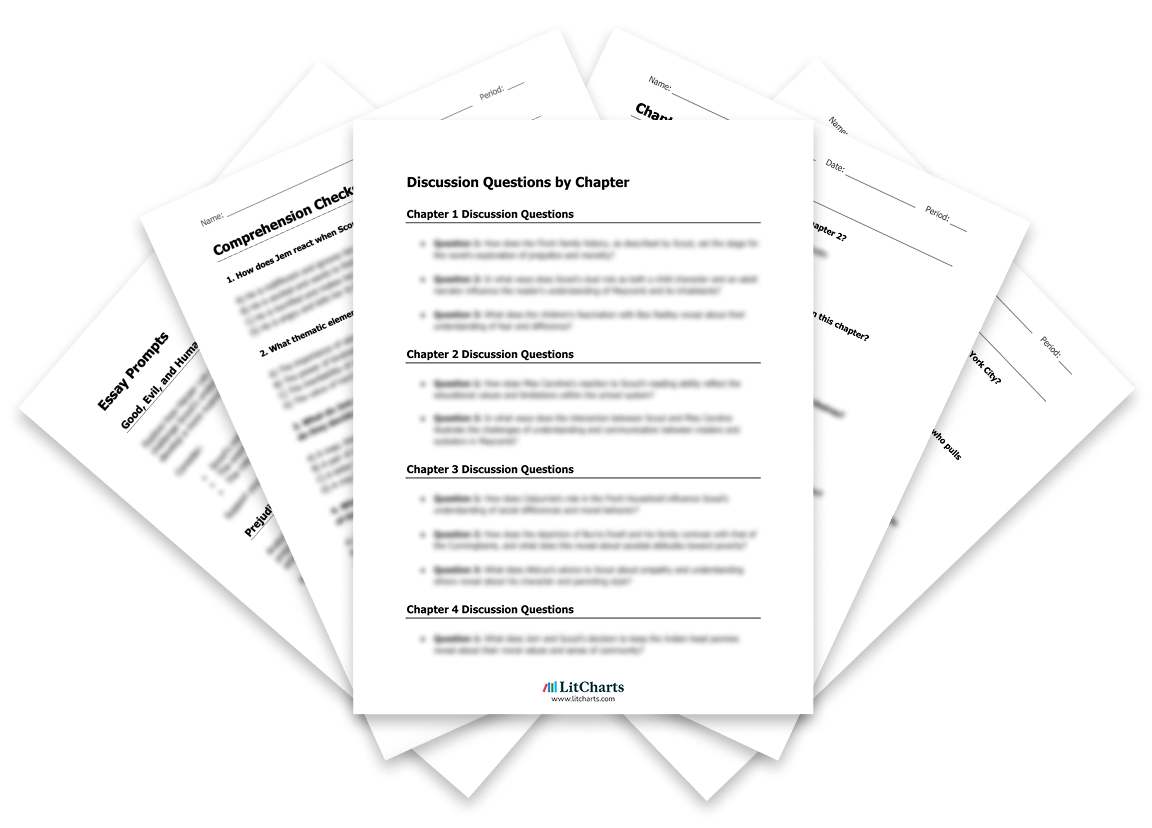


Literature Guide PDFs
LitCharts PDFs for every book you'll read this year.
Instant PDF downloads of all 2256 LitCharts literature guides and of every new one we publish. Try a free sample literature guide.
"Would not have made it through AP Literature without the printable PDFs. They're like having in-class notes for every discussion!"


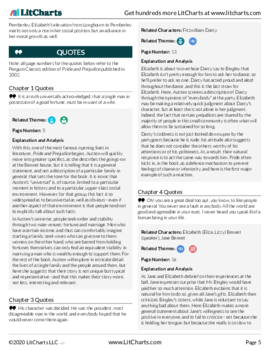


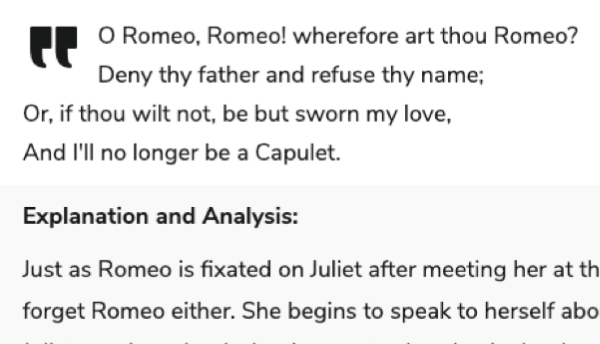
Quotes Explanations
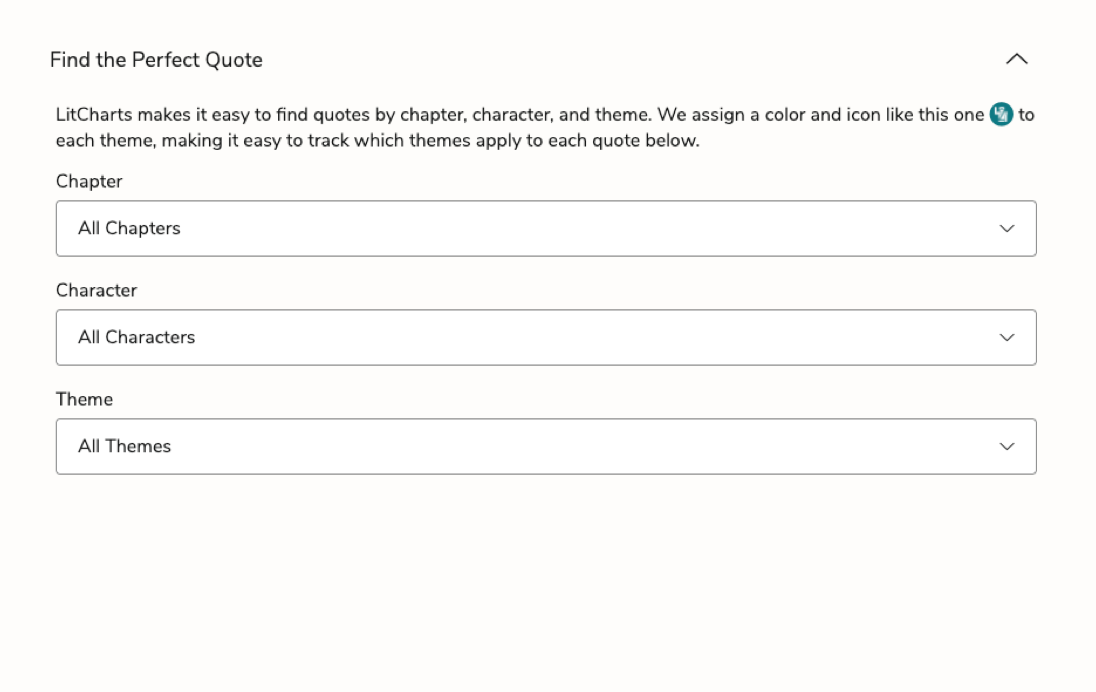
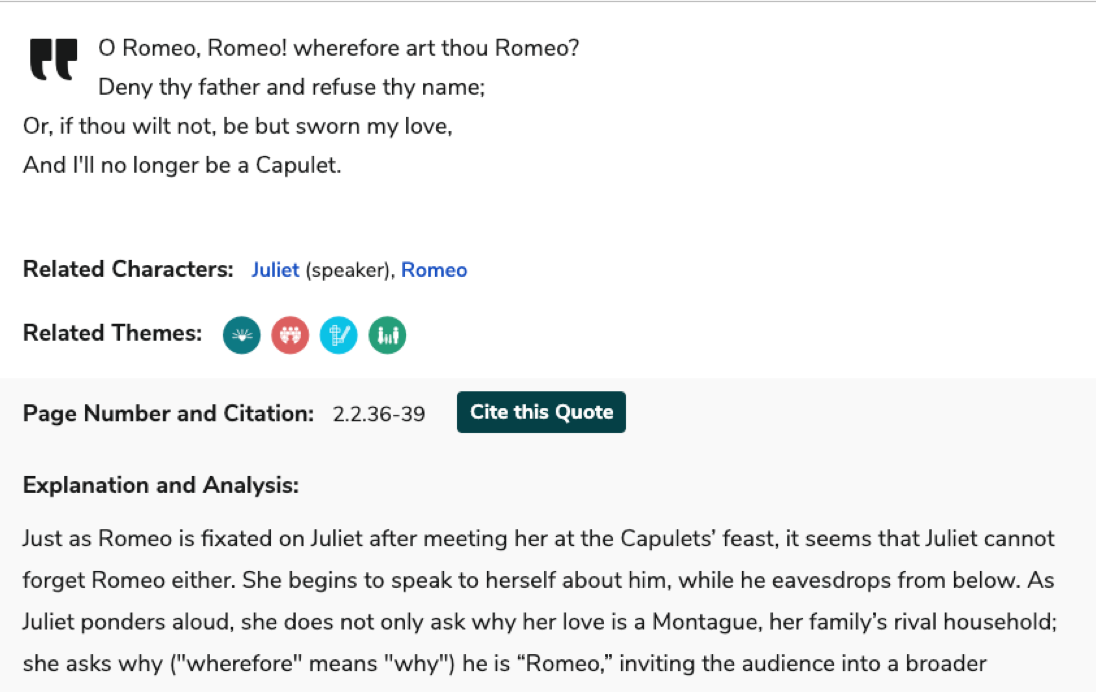
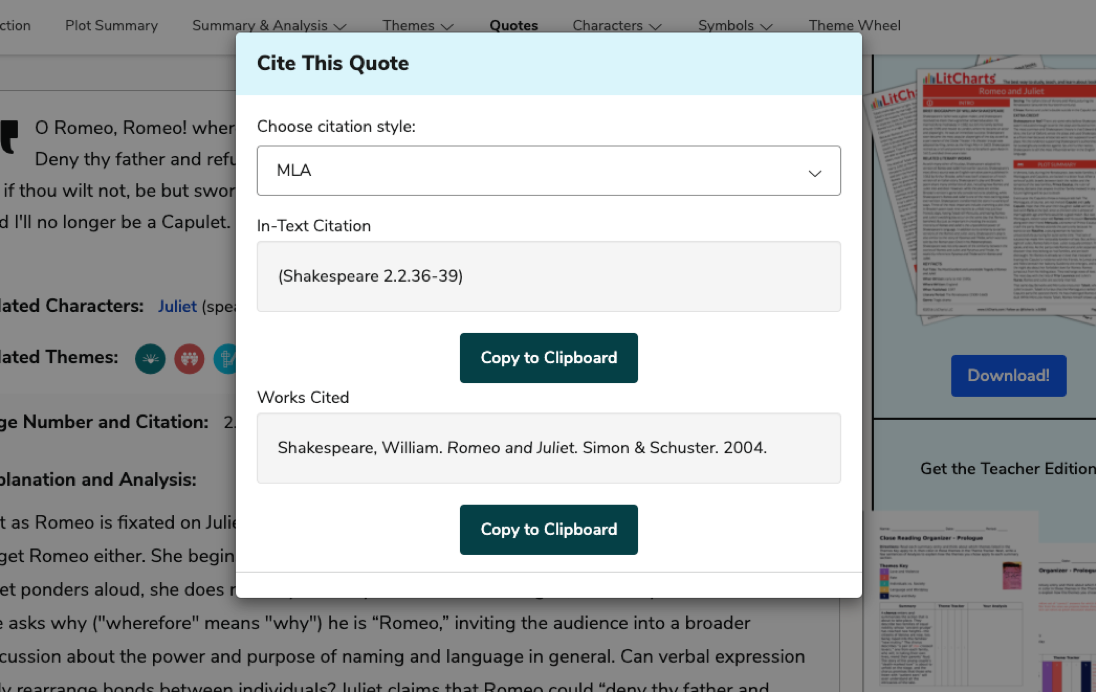
Find the perfect quote. Understand it perfectly. Then rock the citation, too.
For all 50,308 quotes we cover.
For all 50,308 quotes we cover.


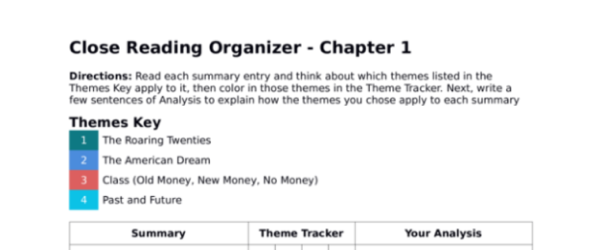
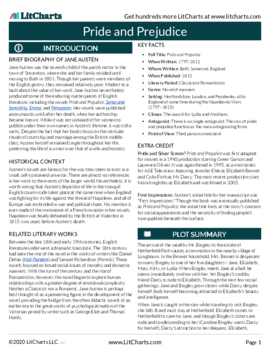
Teacher Editions
Close reading made easy for students.
Time saved for teachers.
For every book we cover.
Time saved for teachers.
For every book we cover.


Common Core-aligned


PDFs of modern translations of every one of Shakespeare's 37 plays, 154 sonnets, and 3 longer poems.

Literary Terms and Devices
Definitions and examples for every literary term and device you need to know.
Plus a quick-reference PDF with concise definitions of all 136 terms in one place.
Plus a quick-reference PDF with concise definitions of all 136 terms in one place.
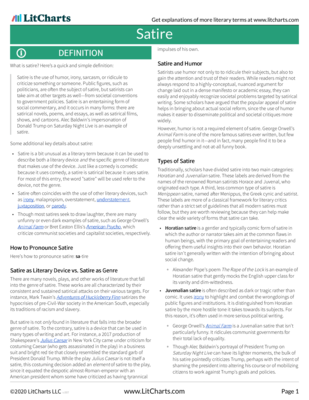
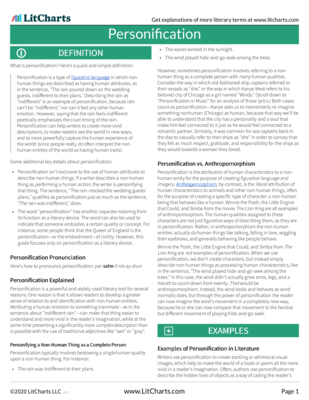
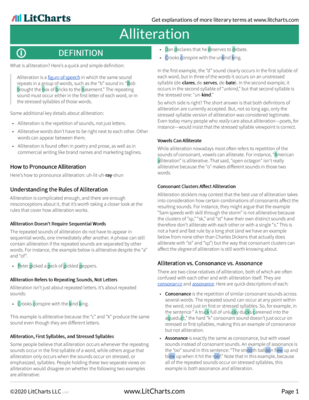
Try a free sample literary term PDF.


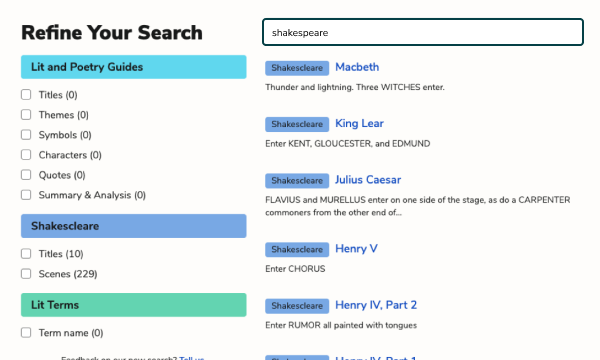
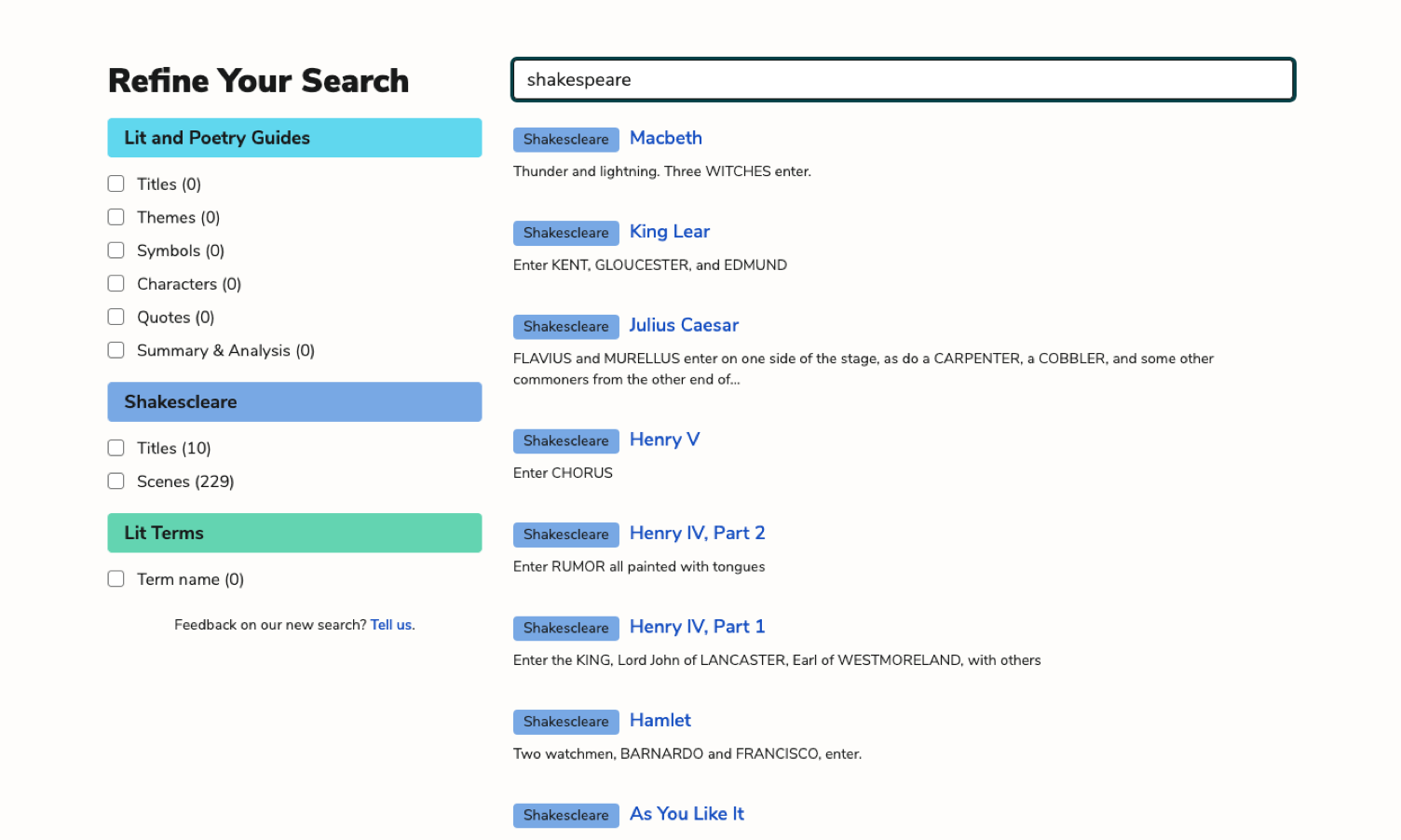
Advanced Search
Refine any search. Find related themes, quotes, symbols, characters, and more.
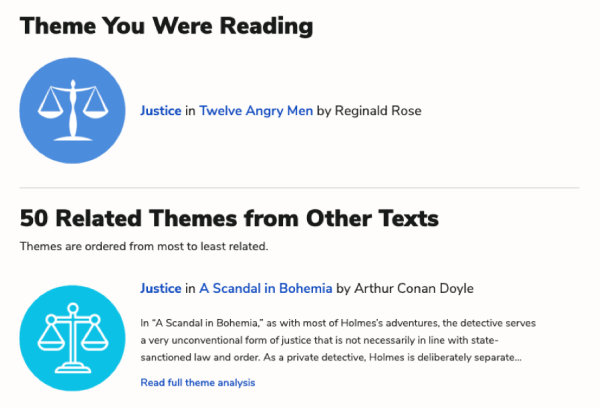
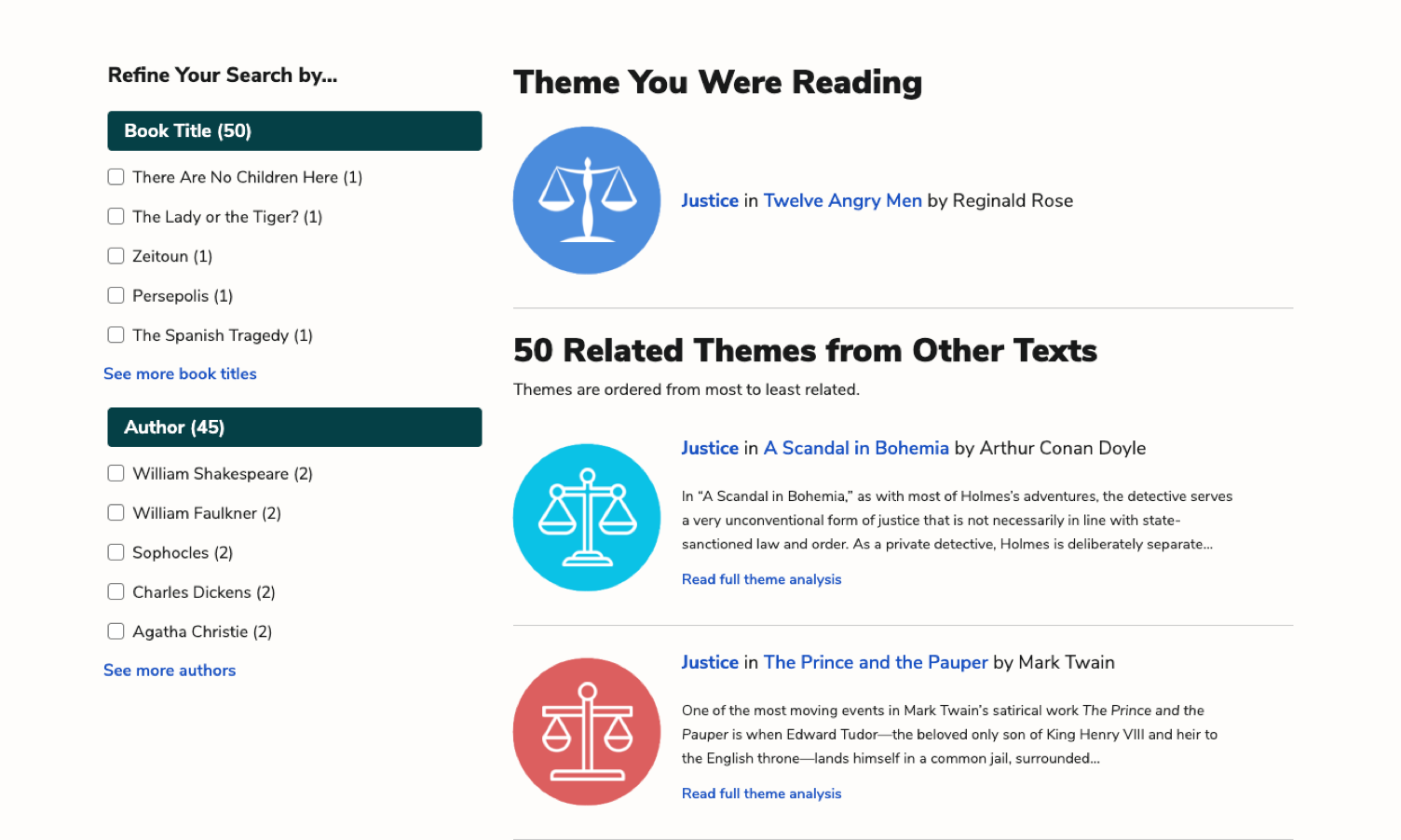
Related Themes
Comparing and contrasting texts? Find where any theme occurs across all of LitCharts in seconds.


Poetry Guides
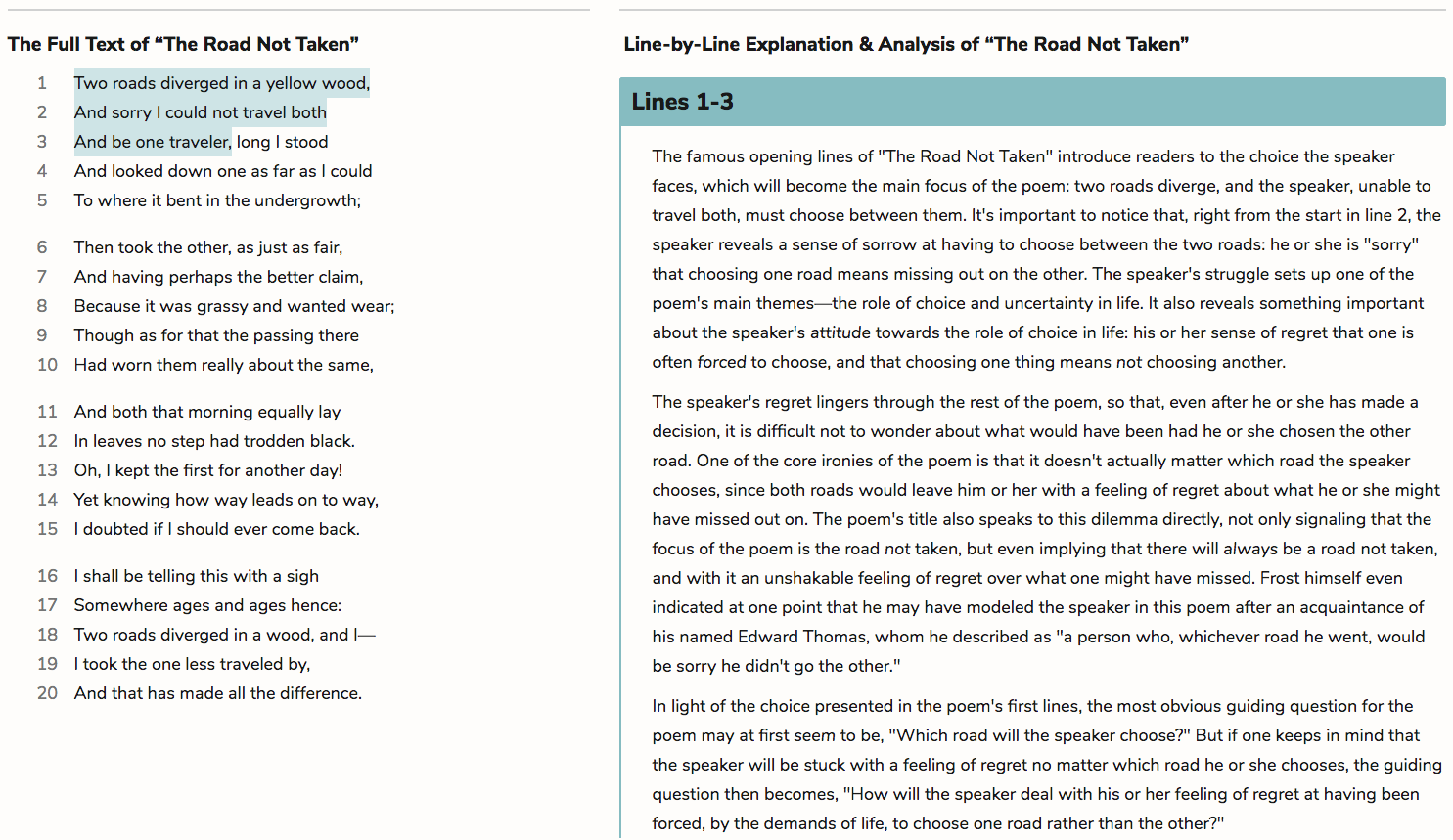
Line-by-line explanations and analysis of figurative language and poetic devices.
For every lyric poem we cover.
For every lyric poem we cover.