
|
Have questions?
Contact us
Already a member? Sign in
|
Get every literary device explanation for The CruciblePlus so much more...
Sign up for LitCharts A+Get instant access to every literary device explanation, plus so much more...
Simile
Explanation and Analysis—Tip-Toe:
No matter what Proctor says, Elizabeth can’t seem to shake her sadness and frustration that he had an affair with Abigail Williams. Proctor uses a metaphor and a simile to emphasize how frustrated he feels, having reached his breaking point after months of contrition and after having fired Abigail. He shouts:
I have gone tiptoe in this house all seven month since she is gone. I have not moved from there to there without I think to please you, and still an everlasting funeral marches around your heart. I cannot speak but I am doubted, every moment judged for lies, as though I come into a court when I come into this house!
The metaphor "an everlasting funeral marches around your heart" refers poetically to Elizabeth’s seemingly endless sorrow and inability to truly forgive John. It’s a common misconception that Puritan theocratic societies like the town of Salem didn’t allow for divorce; they did, and it was actually the Massachusetts Bay colony that legalized divorce in 1629. The dissolution of marriage was actually often granted for circumstances involving adultery, as Proctor’s marriage does in The Crucible. However, Elizabeth is a deeply religious character and believes that it is her god-given duty to stay with her husband and to forgive him for his infidelity. Although she struggles to actually let the betrayal go, she tries to act as though all is forgiven.
Since Elizabeth is a poor liar, however, her husband is not fooled. Proctor likens Elizabeth’s emotional state to a perpetual funeral here, suggesting that she remains in a state of mourning even though there’s nothing else he can do to atone for his adultery. This metaphor gives the sense that Elizabeth sees her life as an unending procession of grief, where Proctor’s misdeeds are constantly paraded in front of him. Despite Proctor’s efforts to please her, he feels that her heart remains closed off.
The simile "as though I come into a court when I come into this house" further points to Proctor’s feeling of being constantly judged and scrutinized. By comparing his home to a courtroom, Proctor implied that Elizabeth treats him like a defendant on trial. Rather than being able to speak freely, he feels that every action and word of his are subject to doubt and judgment. Proctor feels that he cannot escape the scrutiny and suspicion his wife lives with, even in his own home.
Monthly
Annual (Best Value)

$595USD/mo
Charged $71.40 USD every year

 Teacher
$795USD/mo
Charged $95.40 USD every year
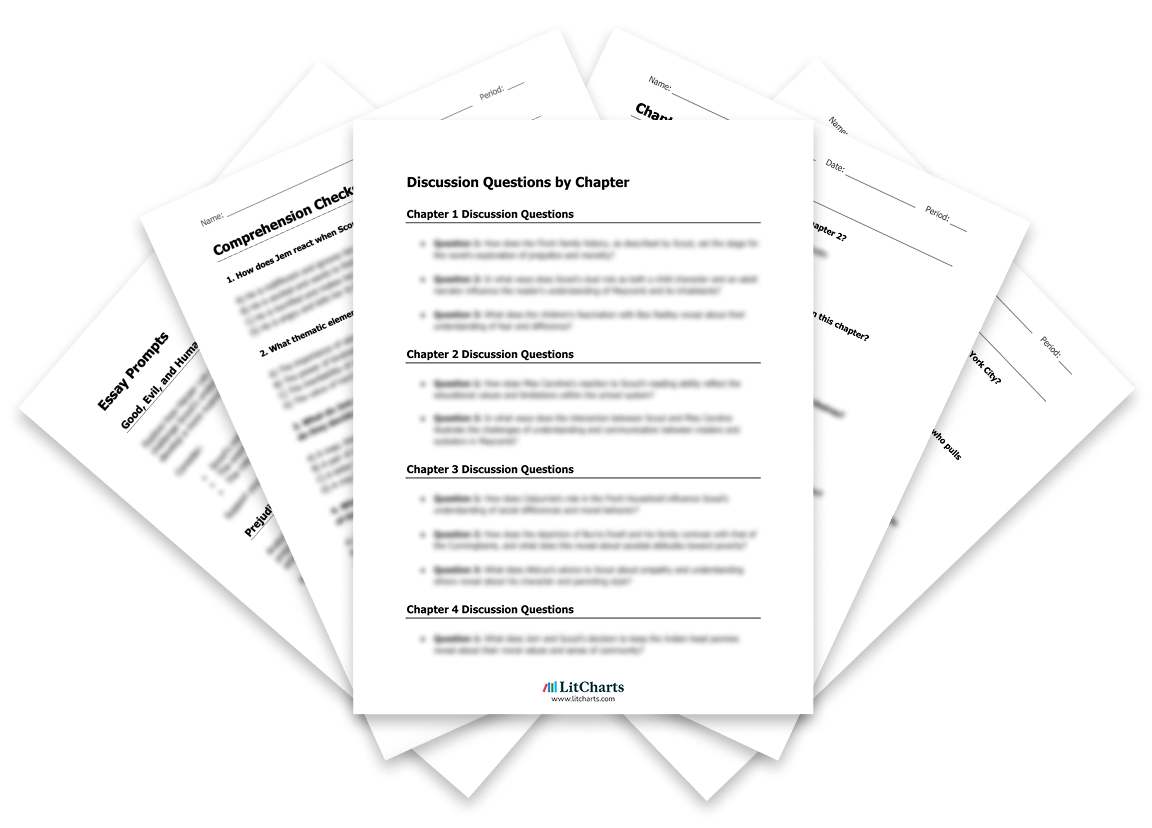


Literature Guide PDFs
LitCharts PDFs for every book you'll read this year.
Instant PDF downloads of all 2252 LitCharts literature guides and of every new one we publish. Try a free sample literature guide.
"Would not have made it through AP Literature without the printable PDFs. They're like having in-class notes for every discussion!"










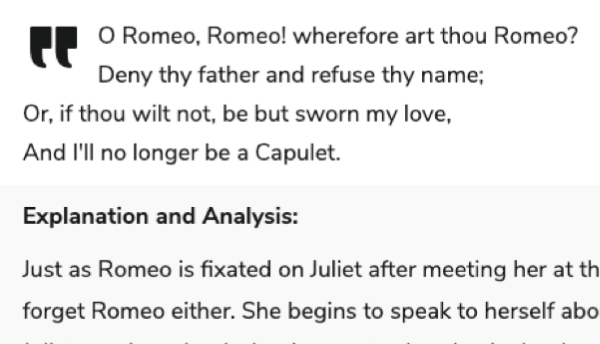
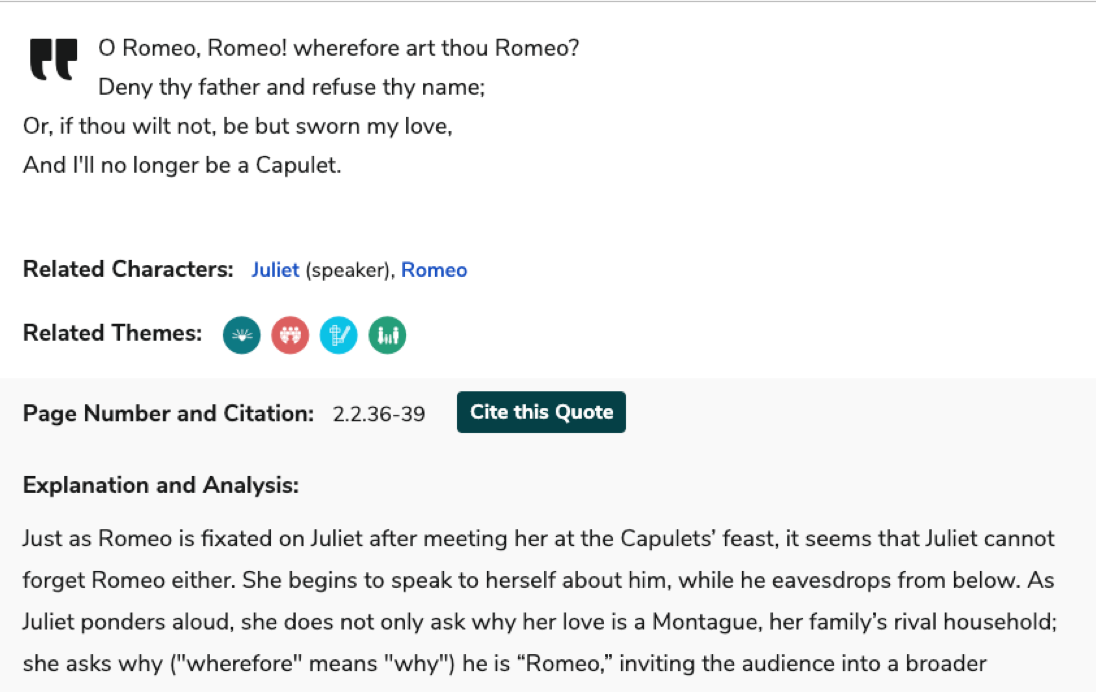
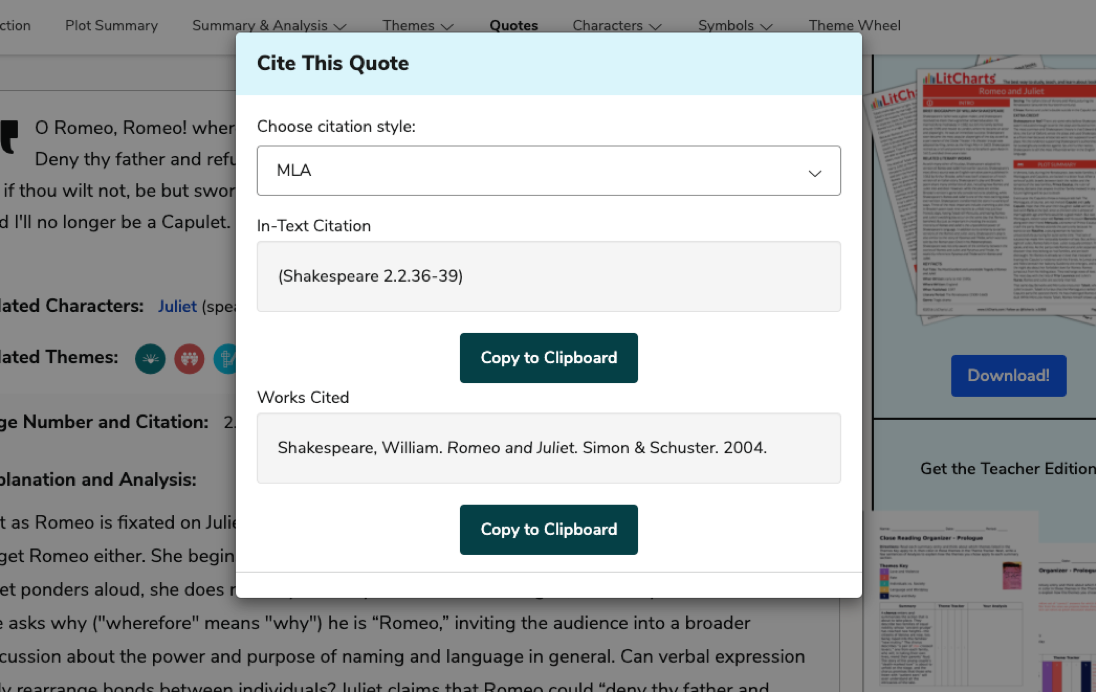
Quotes Explanations
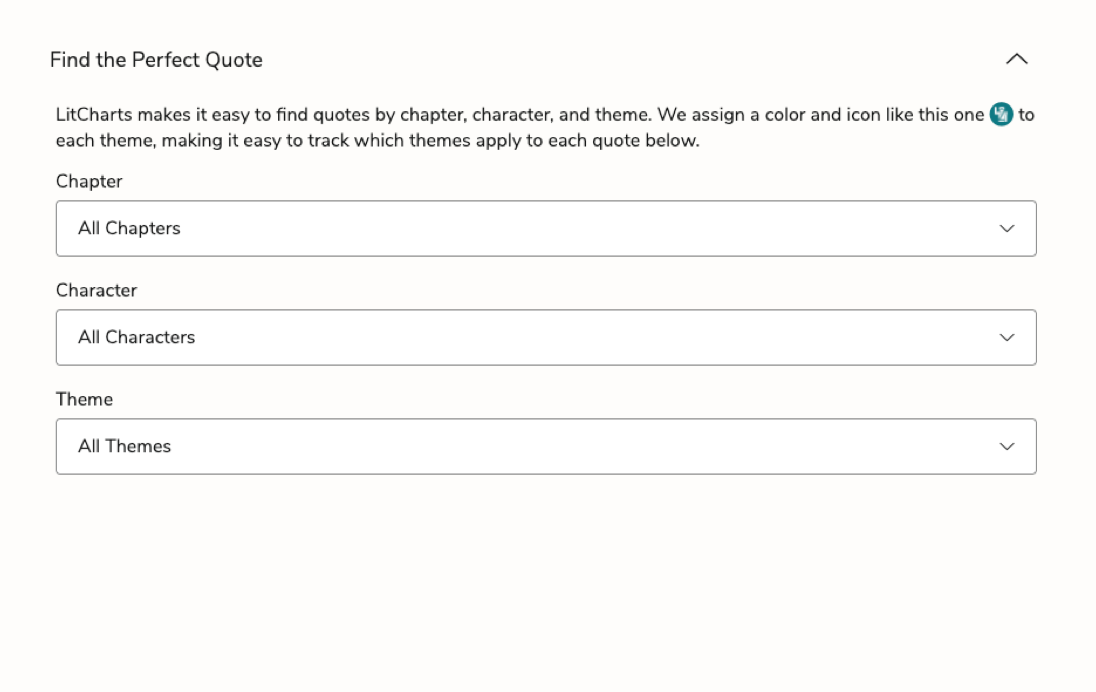
Find the perfect quote. Understand it perfectly. Then rock the citation, too.
For all 50,213 quotes we cover.
For all 50,213 quotes we cover.


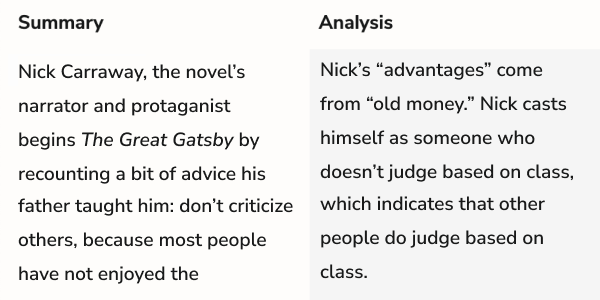
Teacher Editions
Close reading made easy for students.
Time saved for teachers.
For every book we cover.
Time saved for teachers.
For every book we cover.


Common Core-aligned


PDFs of modern translations of every one of Shakespeare's 37 plays, 154 sonnets, and 3 longer poems.

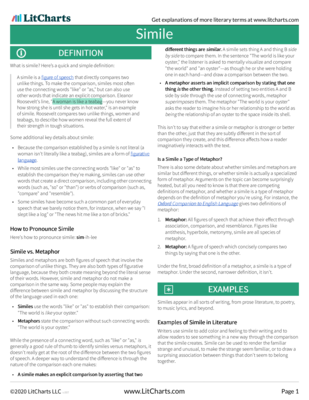
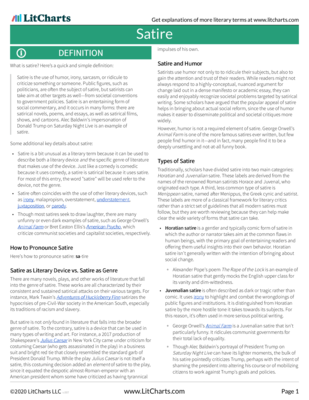
Literary Terms and Devices
Definitions and examples for every literary term and device you need to know.
Plus a quick-reference PDF with concise definitions of all 136 terms in one place.
Plus a quick-reference PDF with concise definitions of all 136 terms in one place.
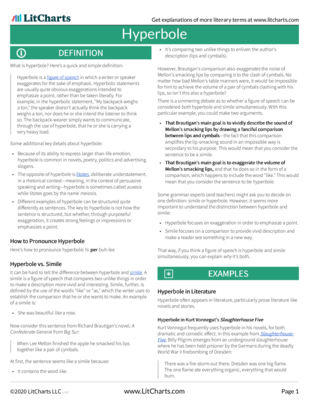
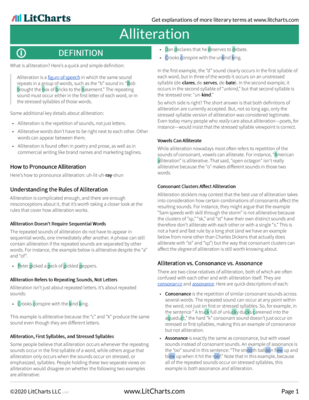
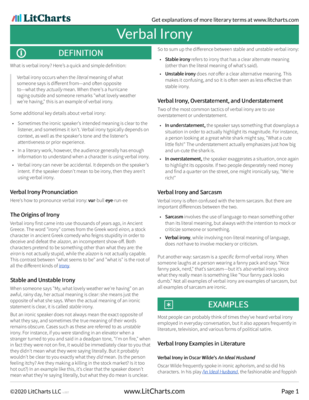
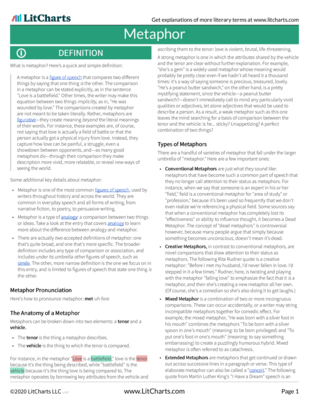
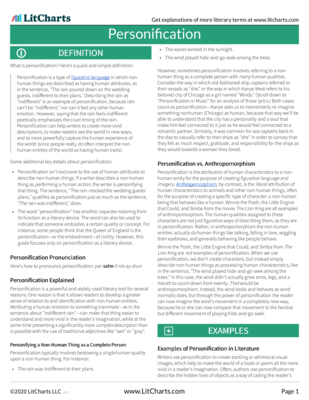
Try a free sample literary term PDF.


Advanced Search
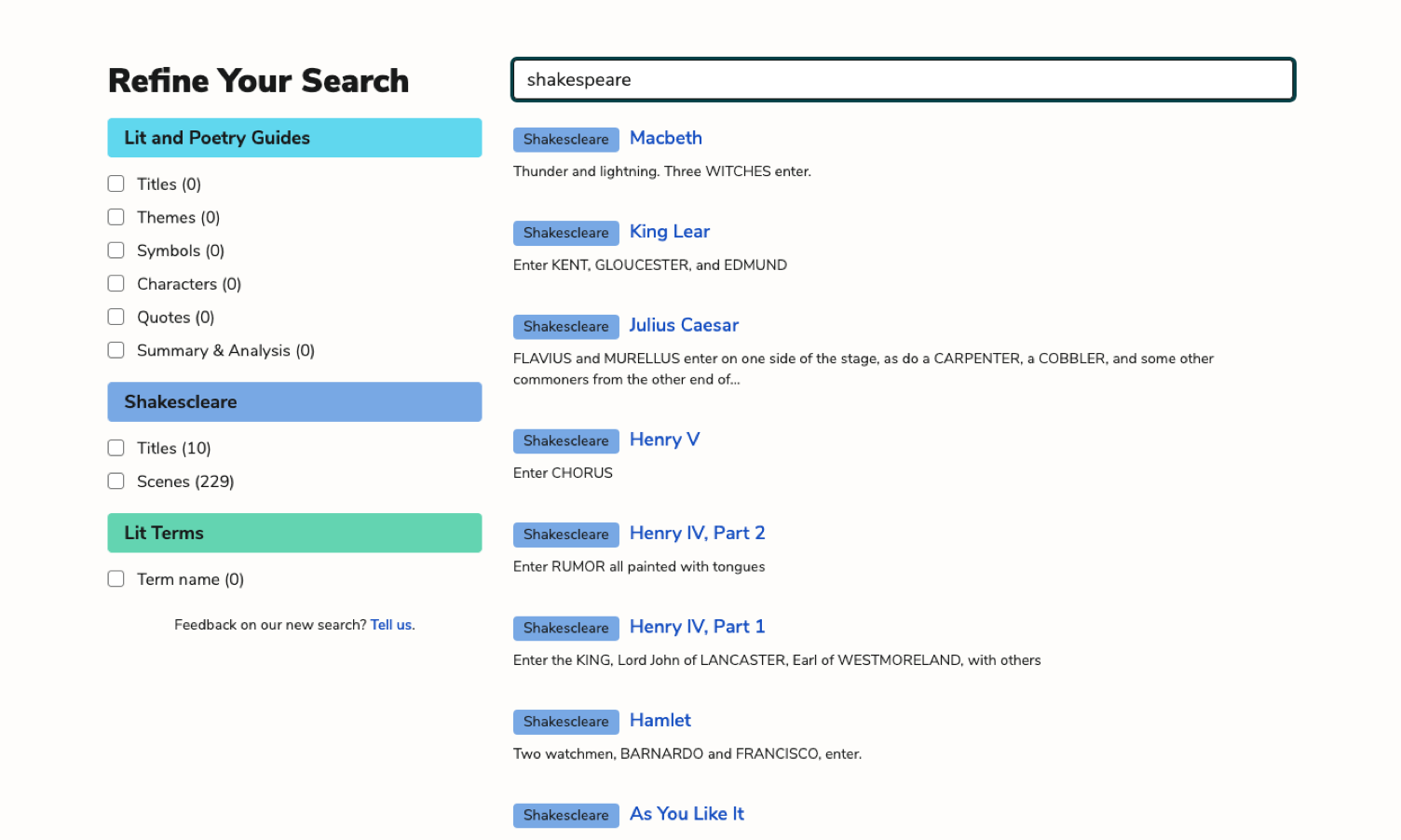
Refine any search. Find related themes, quotes, symbols, characters, and more.

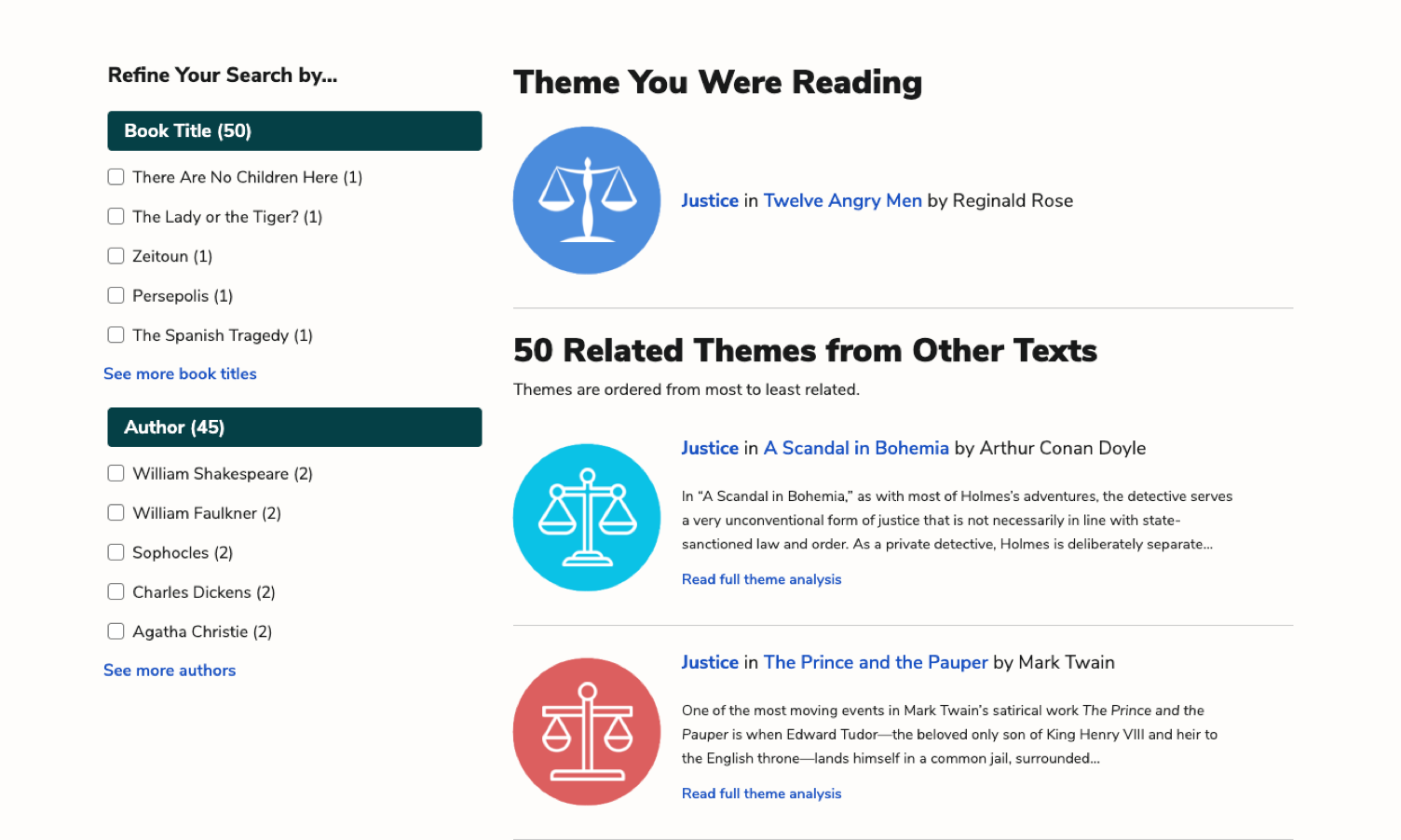
Related Themes
Comparing and contrasting texts? Find where any theme occurs across all of LitCharts in seconds.


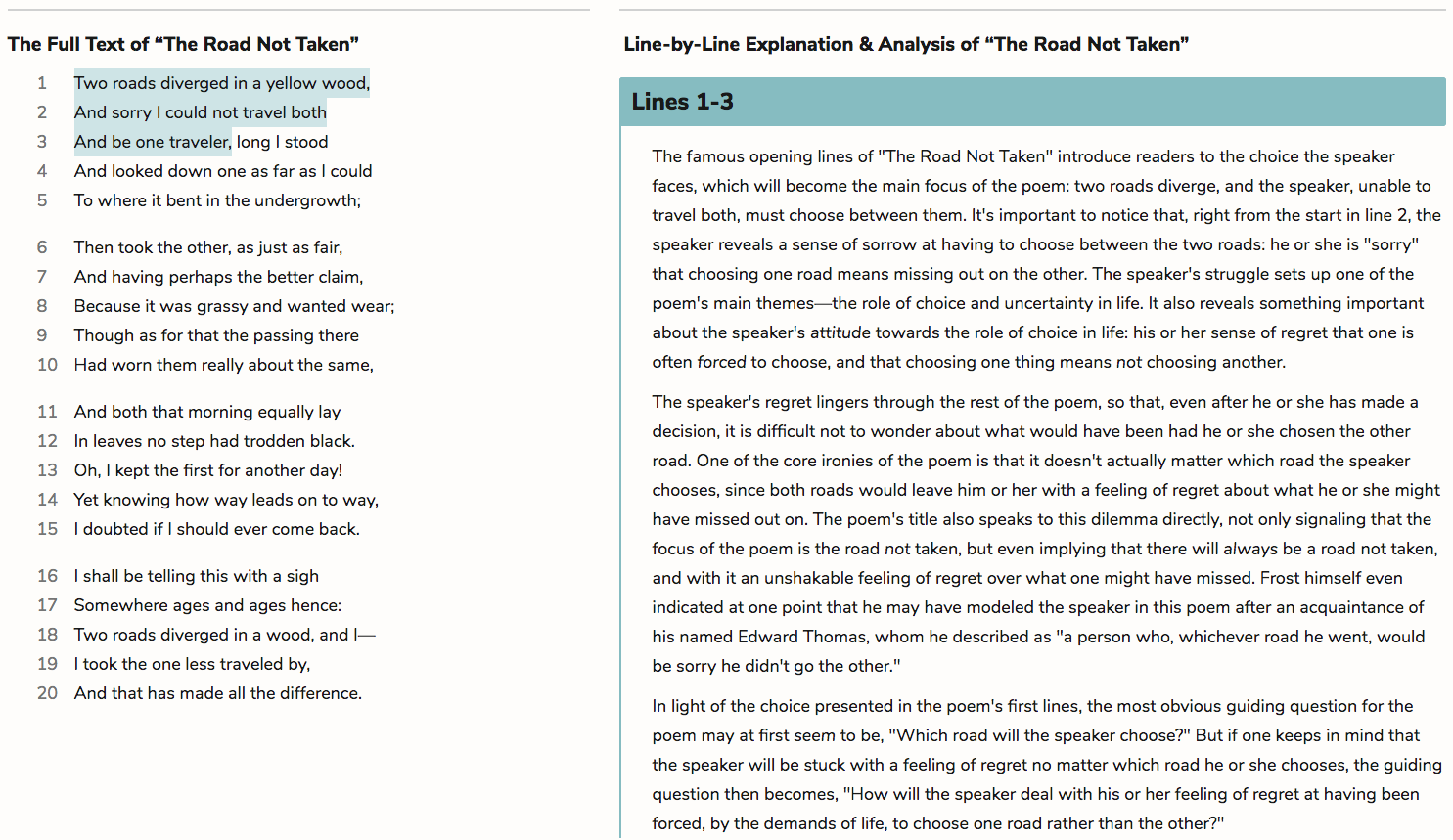
Poetry Guides
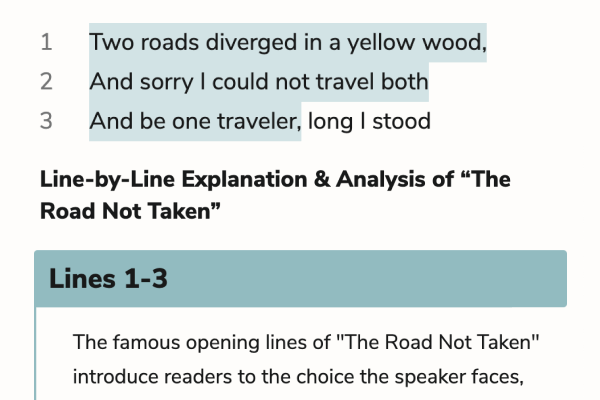
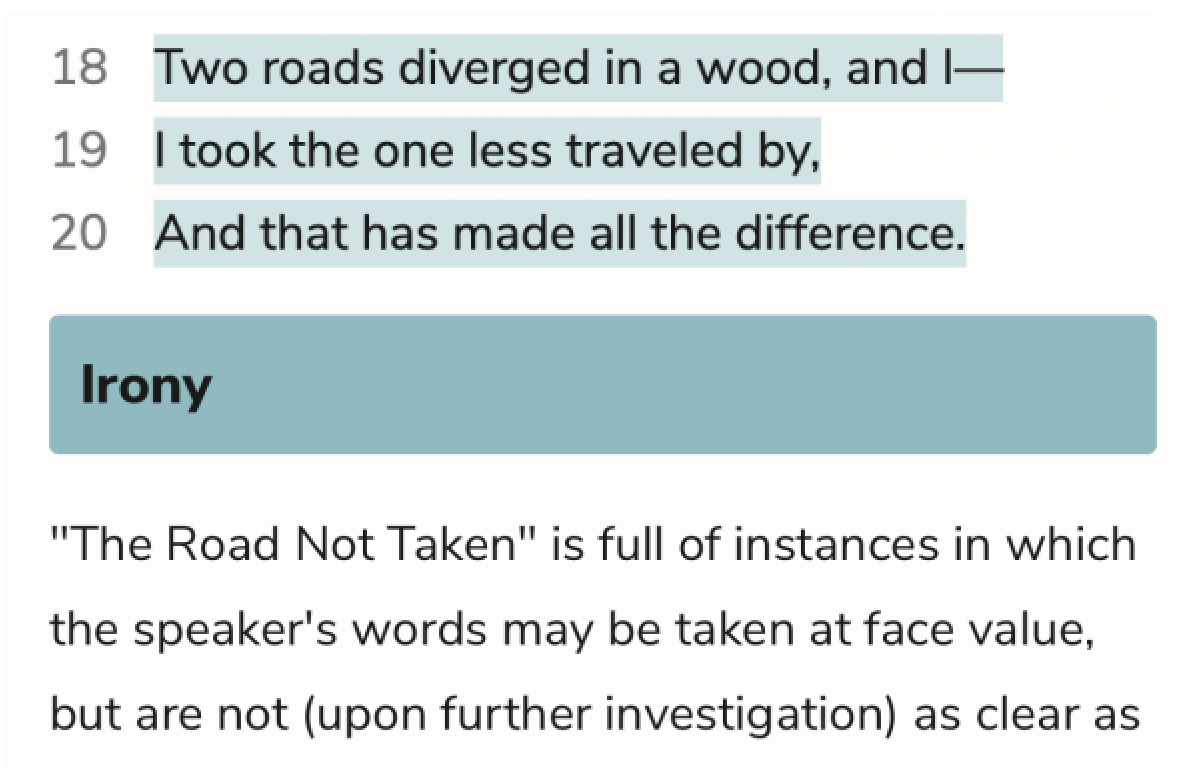
Line-by-line explanations and analysis of figurative language and poetic devices.
For every lyric poem we cover.
For every lyric poem we cover.