
|
Have questions?
Contact us
Already a member? Sign in
|
Get every literary device explanation for Mrs DallowayPlus so much more...
Sign up for LitCharts A+Get instant access to every literary device explanation, plus so much more...
Situational Irony
Explanation and Analysis—The Prime Minister:
When the Prime Minister arrives at Clarissa Dalloway's party, he's not nearly as impressive as one might expect him to be. Given how much importance everyone seems to imbue him with, it's ironic that he himself doesn't seem very important at all:
One couldn't laugh at him. He looked so ordinary. You might have stood him behind a counter and bought biscuits — poor chap, all rigged up in gold lace.
This description of the Prime Minister is mockingly disdainful, as the narrator suggests that he looks like he belongs "behind a counter" selling people biscuits. And yet, he's also decked out in "gold lace," which further emphasizes the irony at play: he's technically important and is even dressed in fancy clothes, but he still seems quite drab and ordinary.
And yet, the novel uses this moment to satirize the superficial nature of British high society. When the Prime Minister arrives, nobody makes much of a fuss. "Nobody looked at him," the narrator notes, adding that everyone simply goes on with their conversations. But it's also the case that everyone at the party does register the Prime Minister's presence:
They just went on talking, yet it was perfectly plain that they all knew, felt to the marrow of their bones, this majesty passing; this symbol of what they all stood for, English society.
Even though the Prime Minister is, in reality, an extremely underwhelming figure, everyone at Clarissa's party is in awe of him. In this way, the novel satirizes the ridiculous, elitist obsession that so many of the characters have with "English society" and the respect it supposedly commands. The Prime Minister himself ironically falls short of their expectations, but this doesn't stop them from getting excited about the mere idea of being in proximity to the kind of patriotic power he represents.
Monthly
Annual (Best Value)

$595USD/mo
Charged $71.40 USD every year
 Teacher
$795USD/mo
Charged $95.40 USD every year
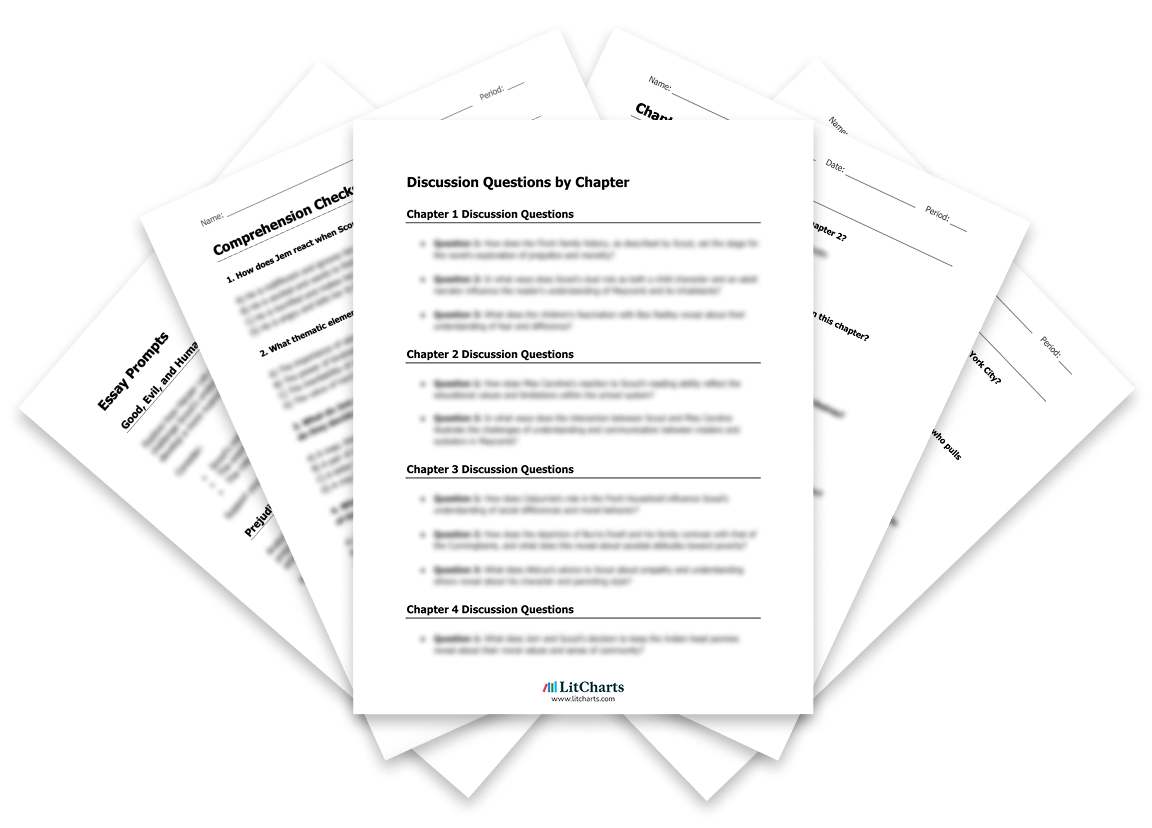


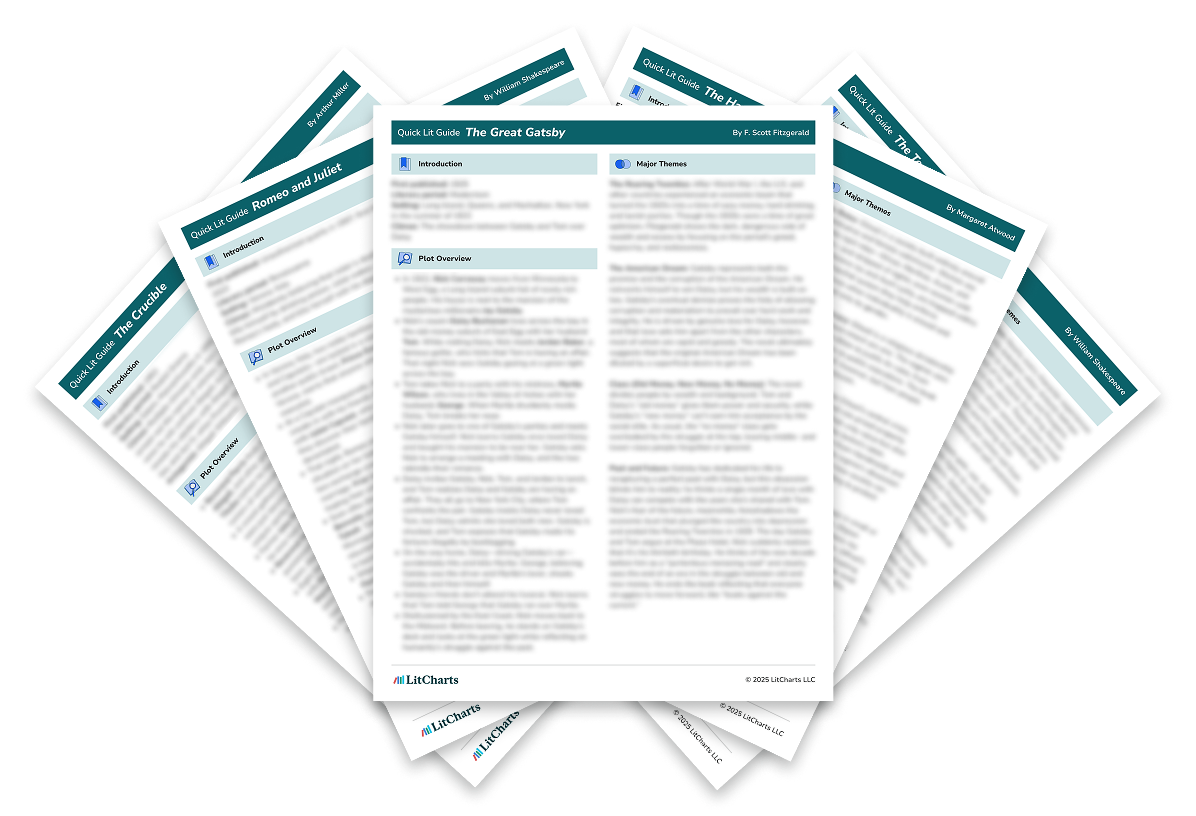
Literature Guide PDFs
LitCharts PDFs for every book you'll read this year.
Instant PDF downloads of all 2241 LitCharts literature guides and of every new one we publish. Try a free sample literature guide.
"Would not have made it through AP Literature without the printable PDFs. They're like having in-class notes for every discussion!"





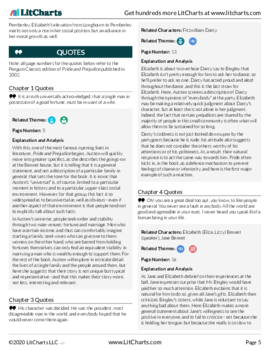



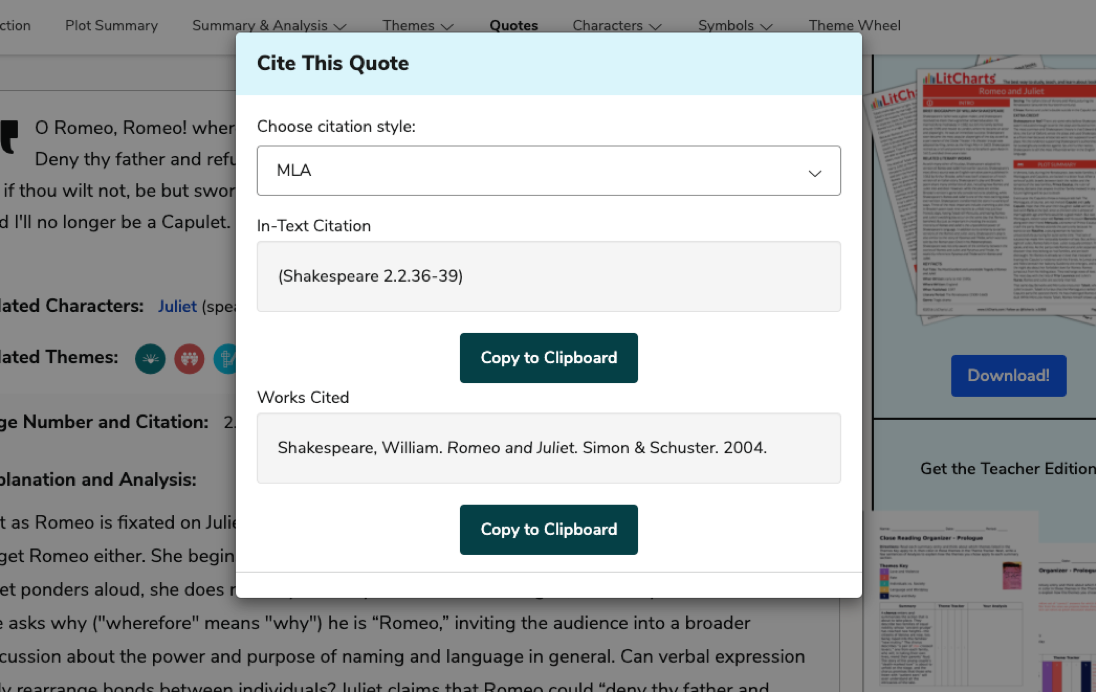
Quotes Explanations
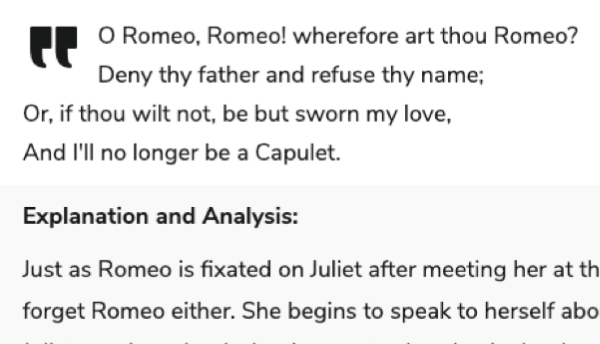
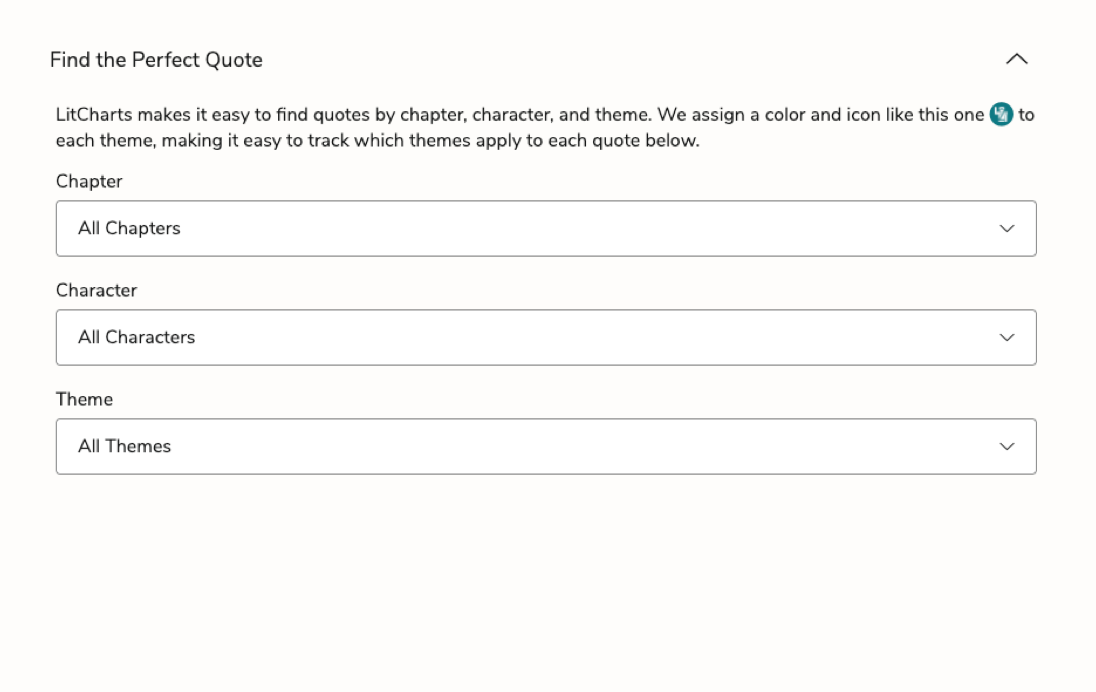
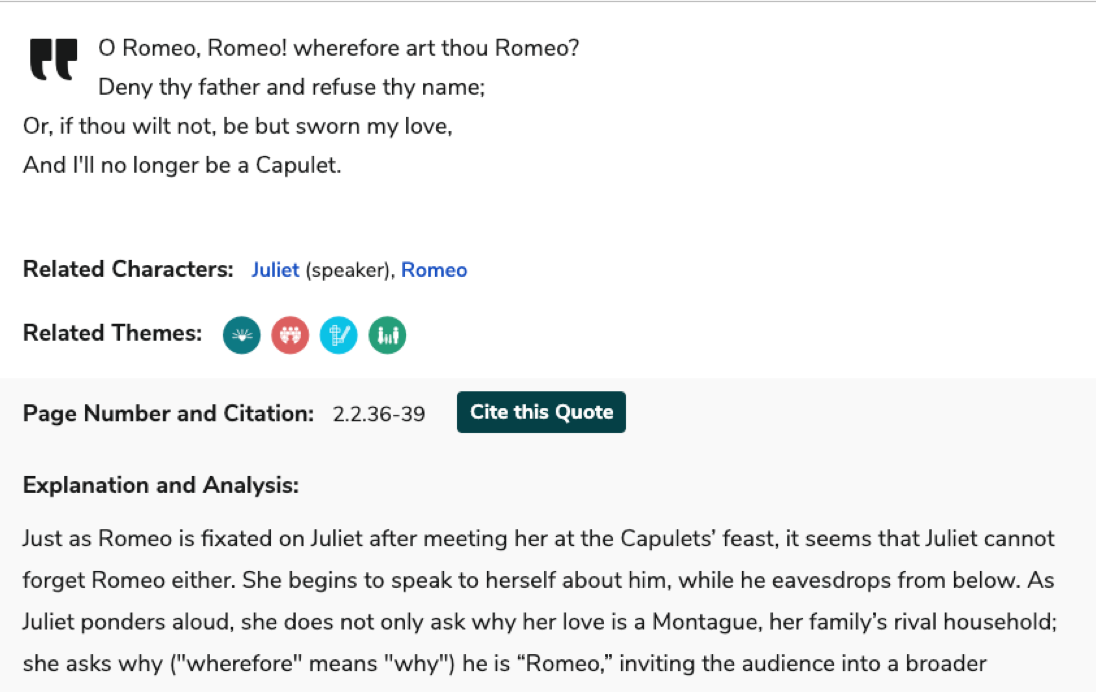
Find the perfect quote. Understand it perfectly. Then rock the citation, too.
For all 49,971 quotes we cover.
For all 49,971 quotes we cover.


Teacher Editions
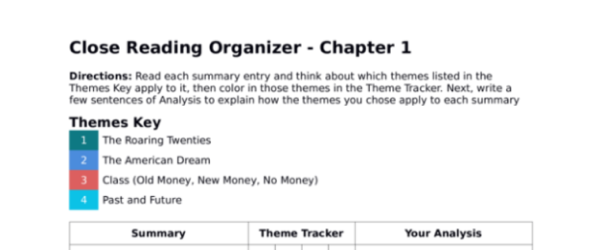
Close reading made easy for students.
Time saved for teachers.
For every book we cover.
Time saved for teachers.
For every book we cover.


Common Core-aligned


PDFs of modern translations of every one of Shakespeare's 37 plays, 154 sonnets, and 3 longer poems.

Literary Terms and Devices
Definitions and examples for every literary term and device you need to know.
Plus a quick-reference PDF with concise definitions of all 136 terms in one place.
Plus a quick-reference PDF with concise definitions of all 136 terms in one place.
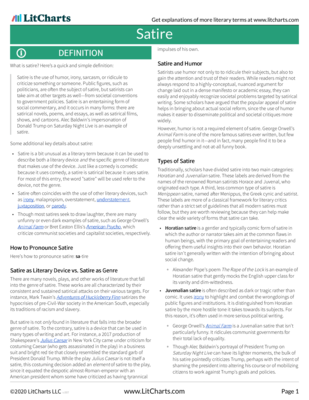
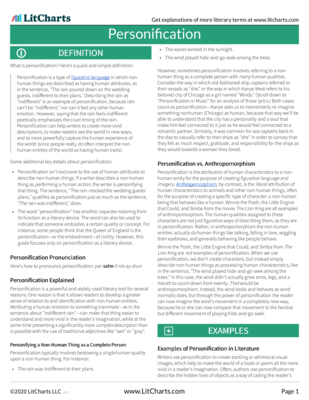
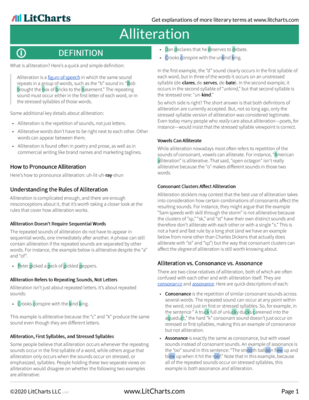
Try a free sample literary term PDF.


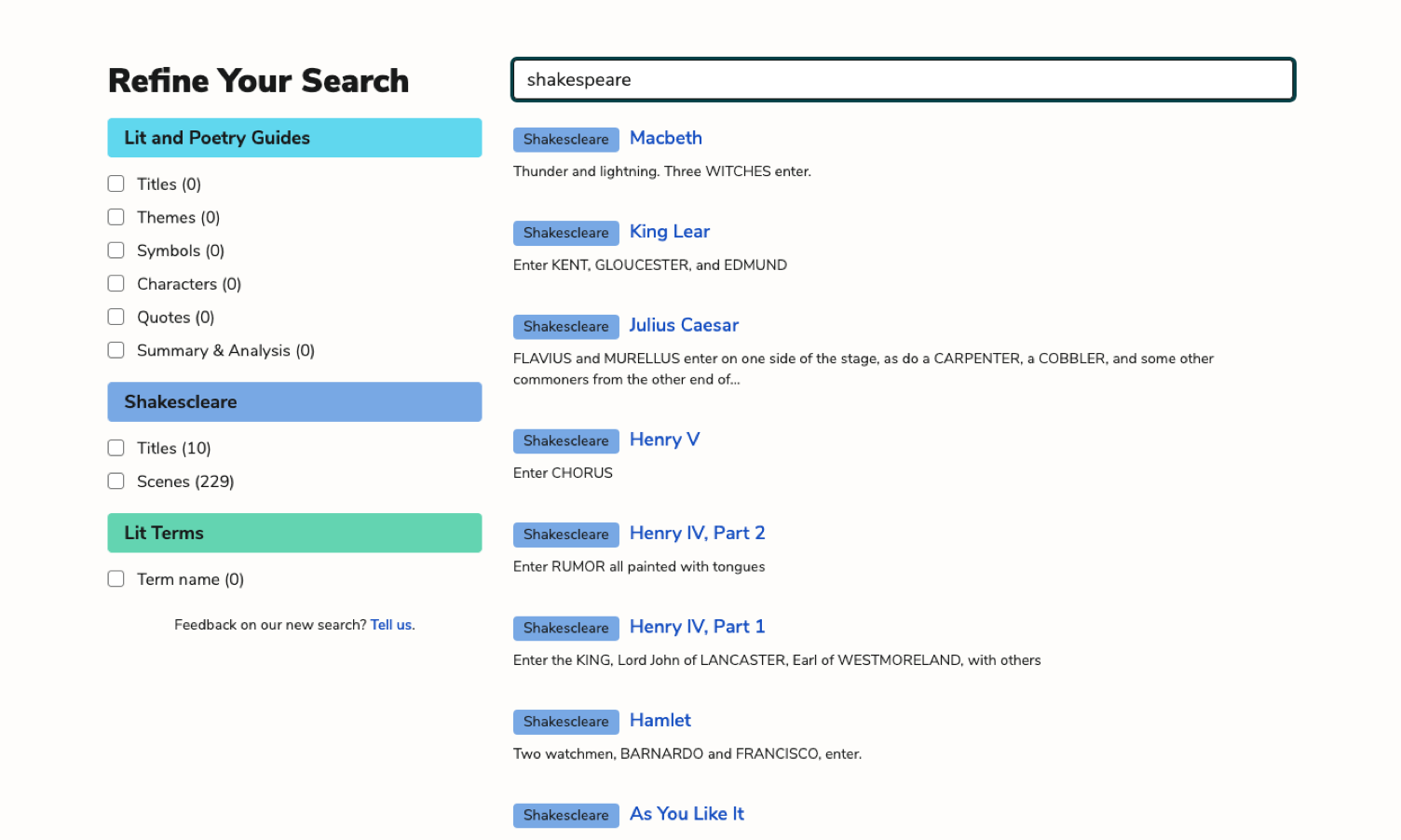
Advanced Search
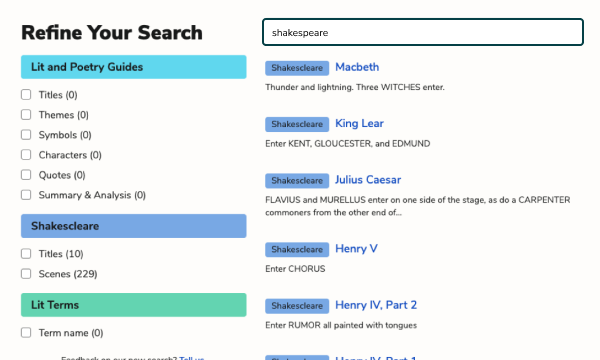
Refine any search. Find related themes, quotes, symbols, characters, and more.

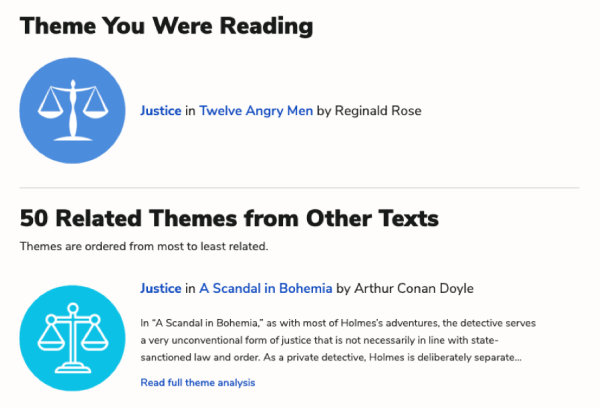
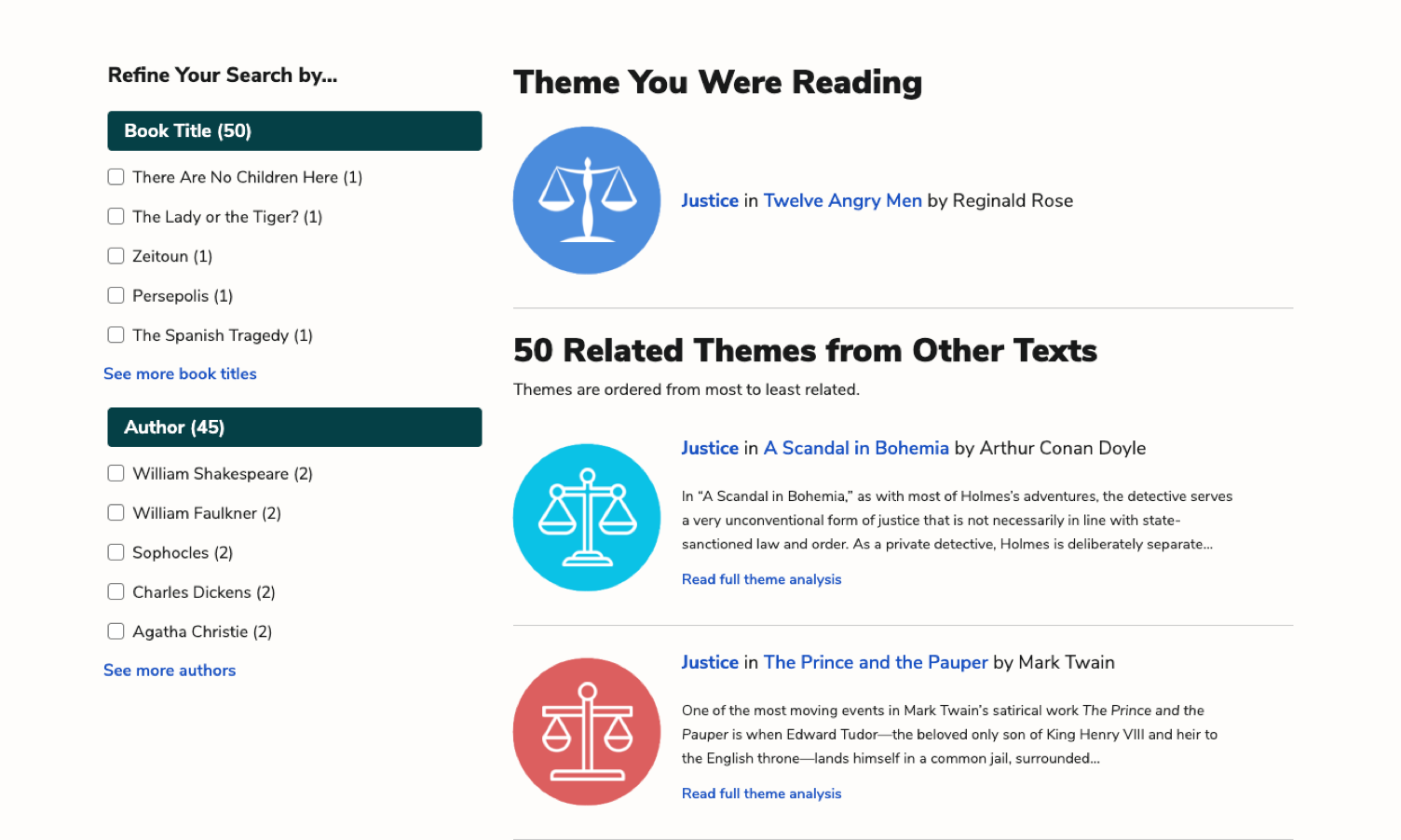
Related Themes
Comparing and contrasting texts? Find where any theme occurs across all of LitCharts in seconds.


Poetry Guides
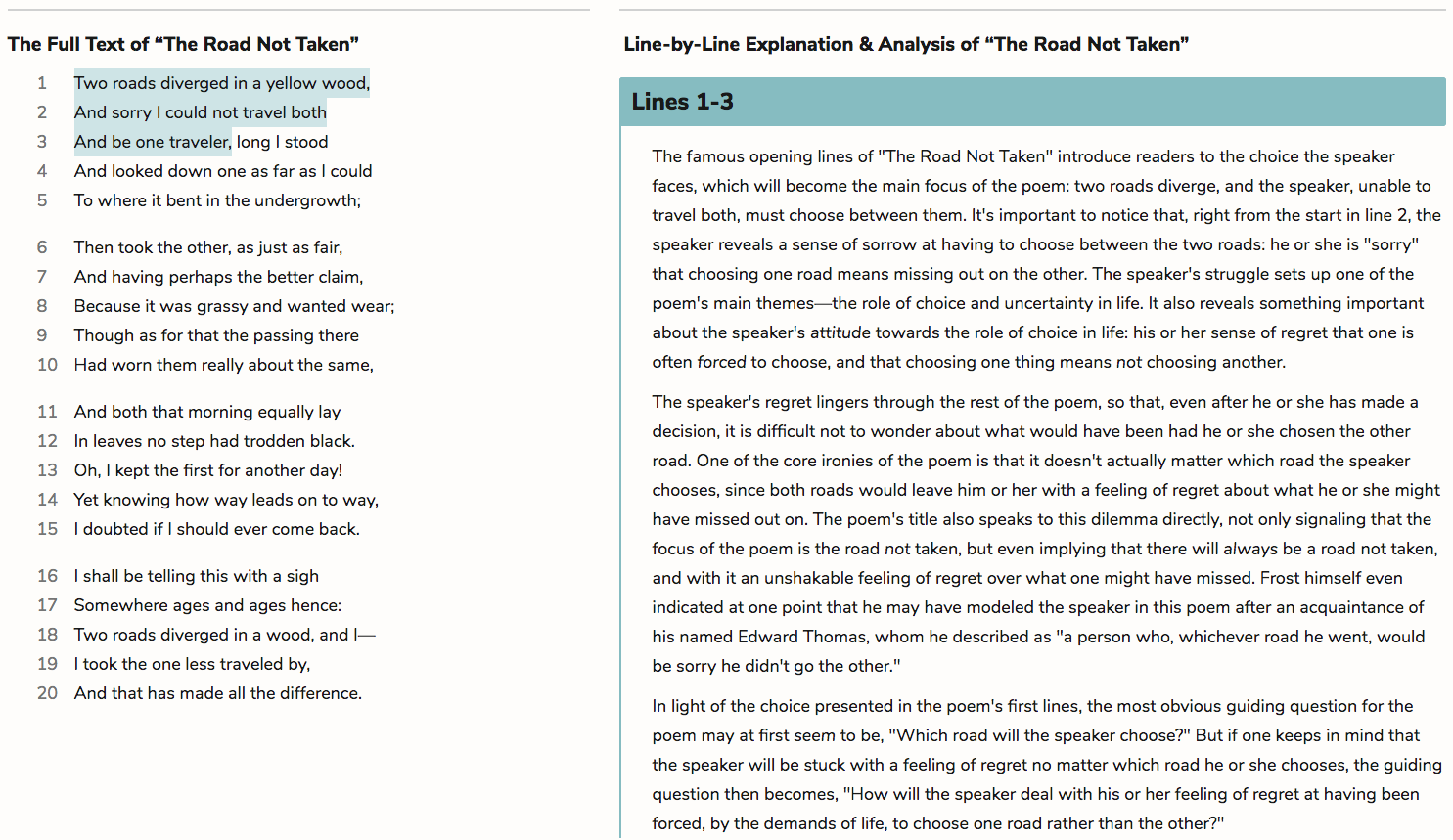
Line-by-line explanations and analysis of figurative language and poetic devices.
For every lyric poem we cover.
For every lyric poem we cover.