
|
Have questions?
Contact us
Already a member? Sign in
|
Get every literary device explanation for The English PatientPlus so much more...
Sign up for LitCharts A+Get instant access to every literary device explanation, plus so much more...
Situational Irony
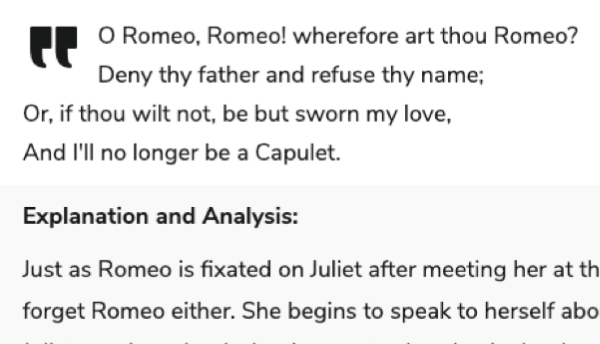
Explanation and Analysis—The "English" Patient:
Throughout The English Patient, the title character of the English patient is only assumed to be English because of his English accent. Appearing from the desert with significant memory loss and without formal identification, those at the villa resort to calling him "The English patient." However, the great irony of The English Patient itself is that the patient is not English at all, but Hungarian. In Chapter 6, Caravaggio begins to uncover what he believes to be the true identity of the patient. Hana dismisses him at first and claims that the patient's nationality is unimportant, but Caravaggio believes that the patient’s national identity is the key to uncovering the rest of his history:
"I think he is an Englishman,” she says, sucking in her cheeks as she always does when she is thinking or considering something about herself.
“I know you love the man, but he’s not an Englishman. In the early part of the war I was working in Cairo—the Tripoli Axis. Rommel’s Rebecca spy—”
Hana's assumption that the English patient is English, and Caravaggio's quest to discover the opposite, are both keys to understanding the novel's consistent interactions with themes of colonialism, nationalism, and racism. It is convenient for the English patient to be English, and it is familiar for him to be English, because all others at the villa (besides Kip) come from Western countries. However, Caravaggio’s interest in the patient's real identity reveals the level to which nationality influenced global perceptions of belonging and loyalty at this time. Before and during World War II, entire nations (and groups of people within those nations) were attacked and persecuted on the sole basis of their national and ethnic identity. If the English patient—now assumed to be non-English—truly aided the German powers as Caravaggio assumes, this revelation would gravely impact how those in the villa perceive his loyalties and his motivations.
And indeed, it does: when the United States drops nuclear bombs on Hiroshima and Nagasaki in 1945, Kip attempts to kill the English patient in his anger and fury over Western violence towards the East. "He isn't an Englishman," Caravaggio reminds Kip. "American, French, I don't care. When you start bombing the brown races of the world, you're an Englishman," Kip replies. In this moment and the passage above, irony appears because the English patient is treated as if he is English, even though he is not. Kip's fury over imperial White power thus underscores the importance—and non-importance—of nationality to the narrative in The English Patient. The intricacies of the English patient's identity are meaningless to Kip, because in an overarching sense, White global powers are to blame for the bombs dropped on Japan.
Monthly
Annual (Best Value)

$595USD/mo
Charged $71.40 USD every year
 Teacher
$795USD/mo
Charged $95.40 USD every year


Literature Guide PDFs
LitCharts PDFs for every book you'll read this year.
Instant PDF downloads of all 2238 LitCharts literature guides and of every new one we publish. Try a free sample literature guide.
"Would not have made it through AP Literature without the printable PDFs. They're like having in-class notes for every discussion!"





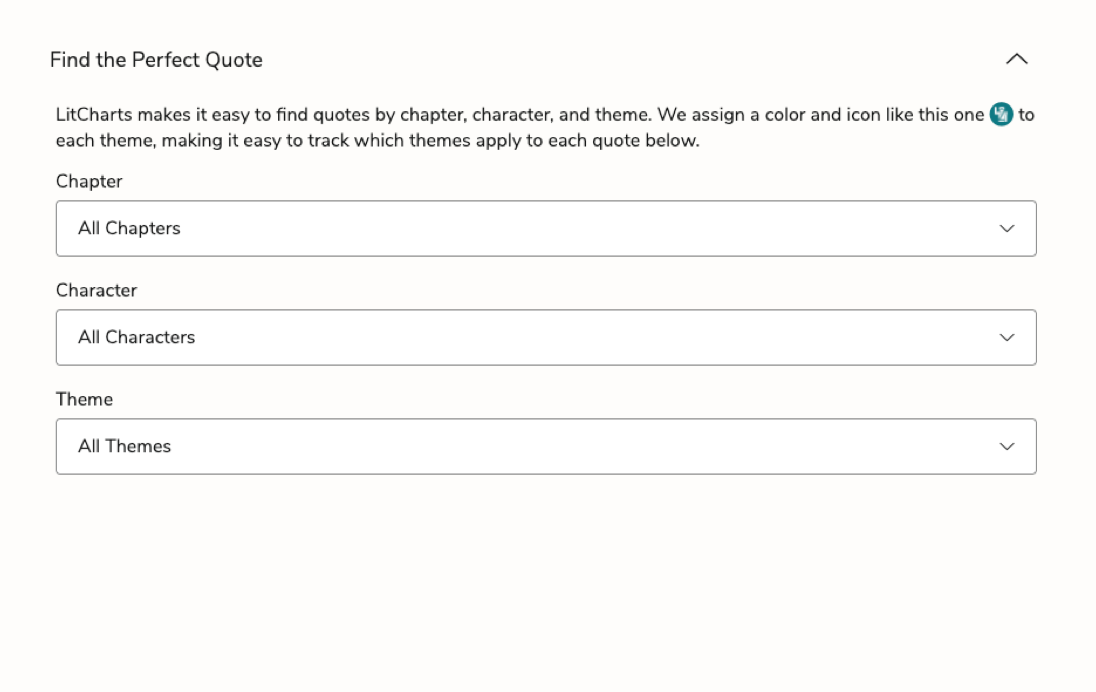
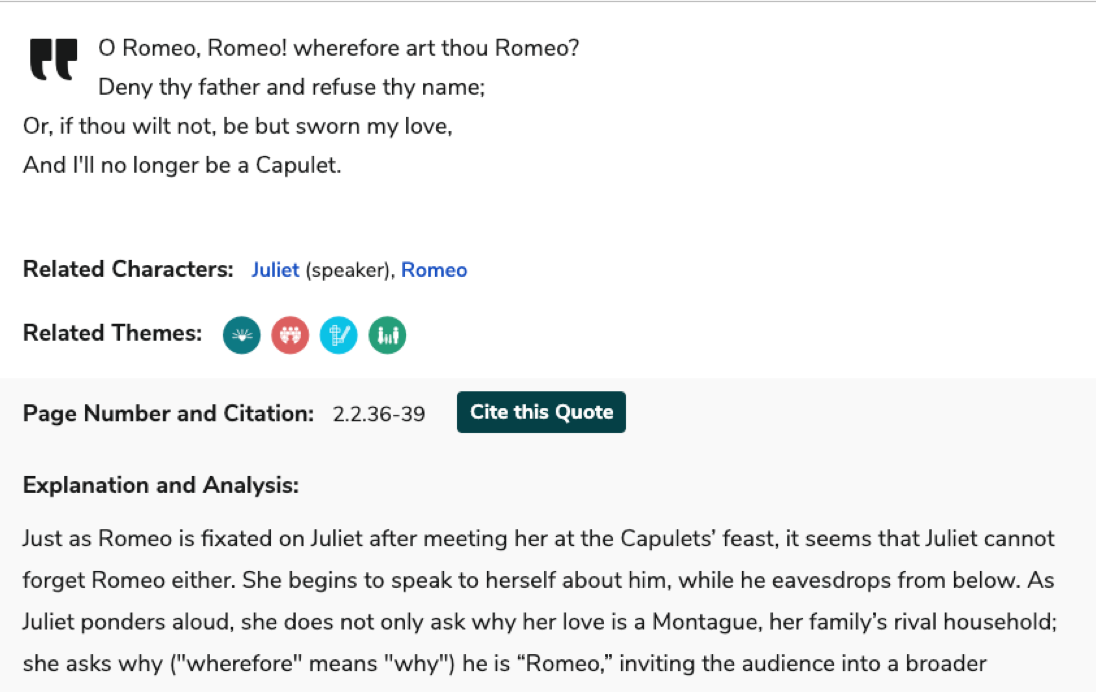
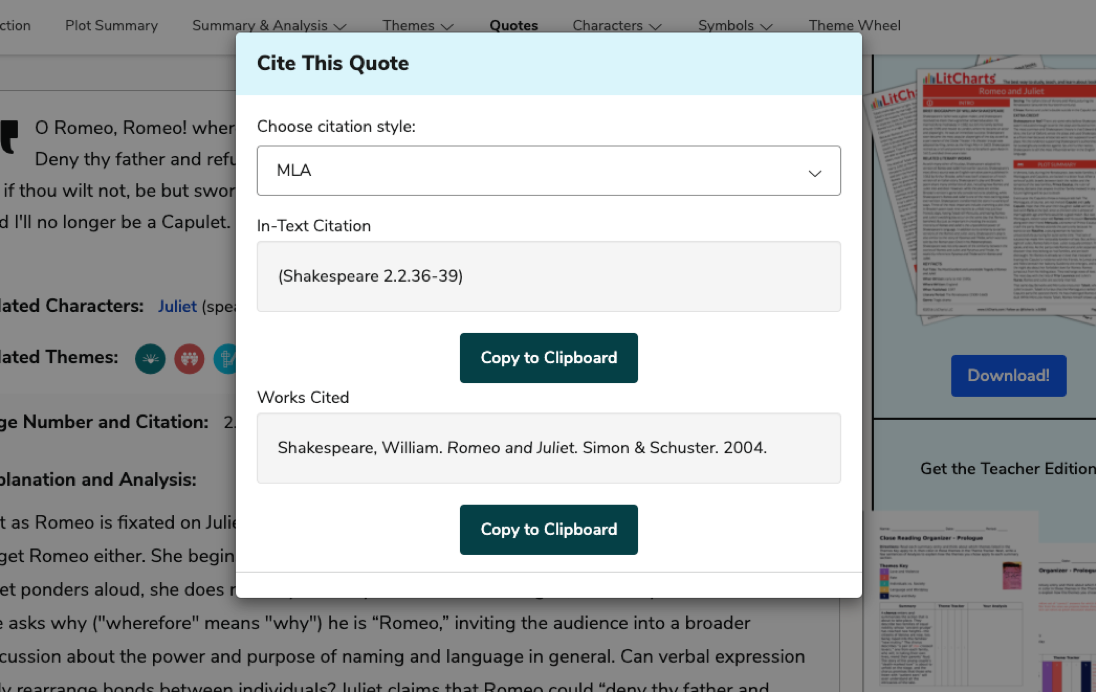
Quotes Explanations
Find the perfect quote. Understand it perfectly. Then rock the citation, too.
For all 49,909 quotes we cover.
For all 49,909 quotes we cover.


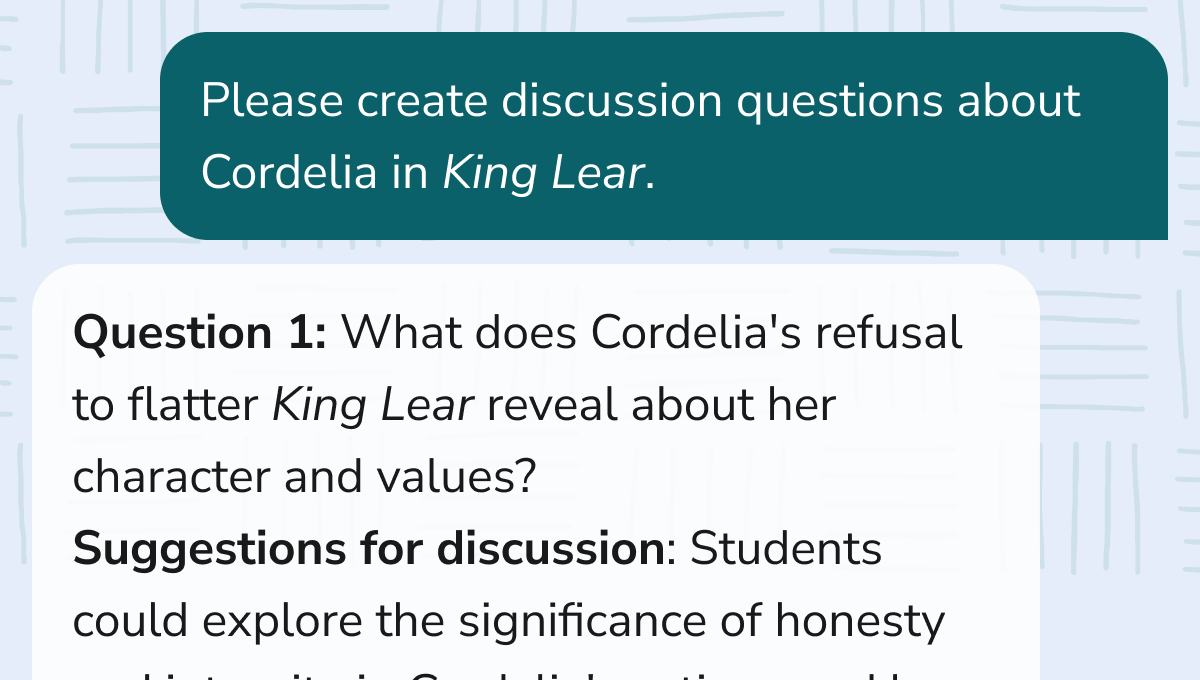
Teacher Editions
Close reading made easy for students.
Time saved for teachers.
For every book we cover.
Time saved for teachers.
For every book we cover.


Common Core-aligned


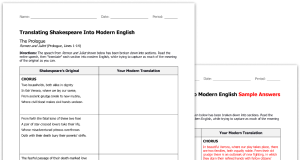
PDFs of modern translations of every one of Shakespeare's 37 plays, 154 sonnets, and 3 longer poems.

Literary Terms and Devices
Definitions and examples for every literary term and device you need to know.
Plus a quick-reference PDF with concise definitions of all 136 terms in one place.
Plus a quick-reference PDF with concise definitions of all 136 terms in one place.
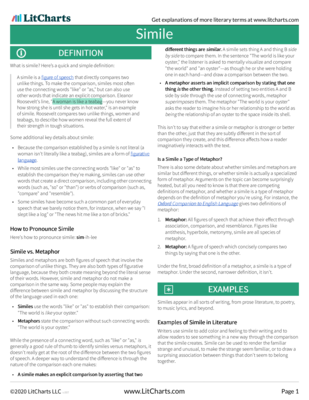
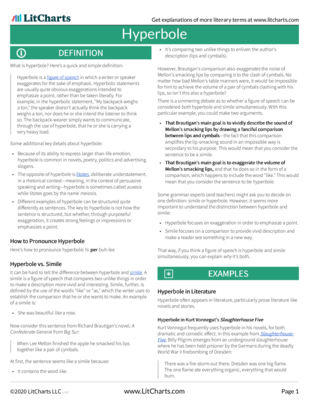
Try a free sample literary term PDF.


Advanced Search
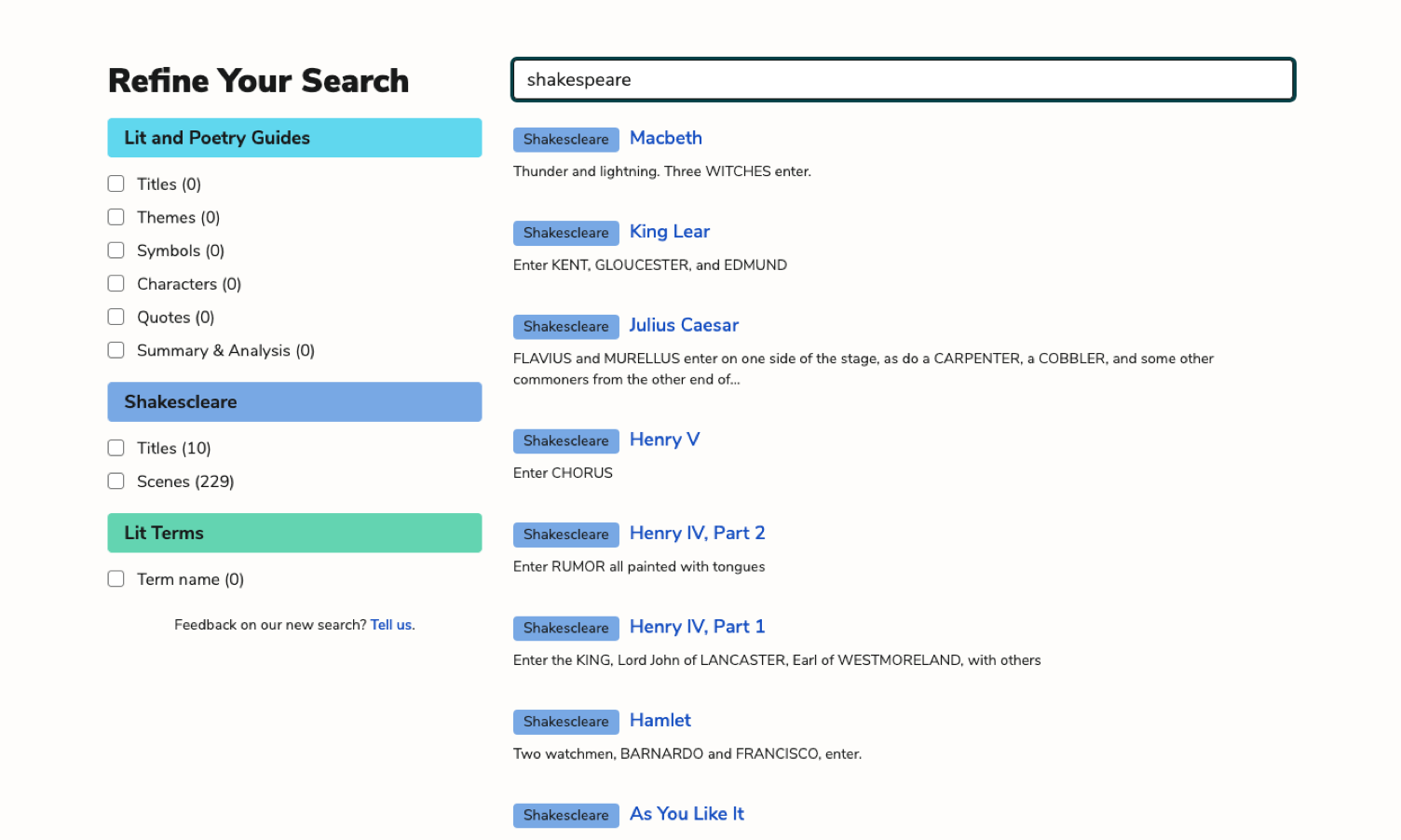
Refine any search. Find related themes, quotes, symbols, characters, and more.

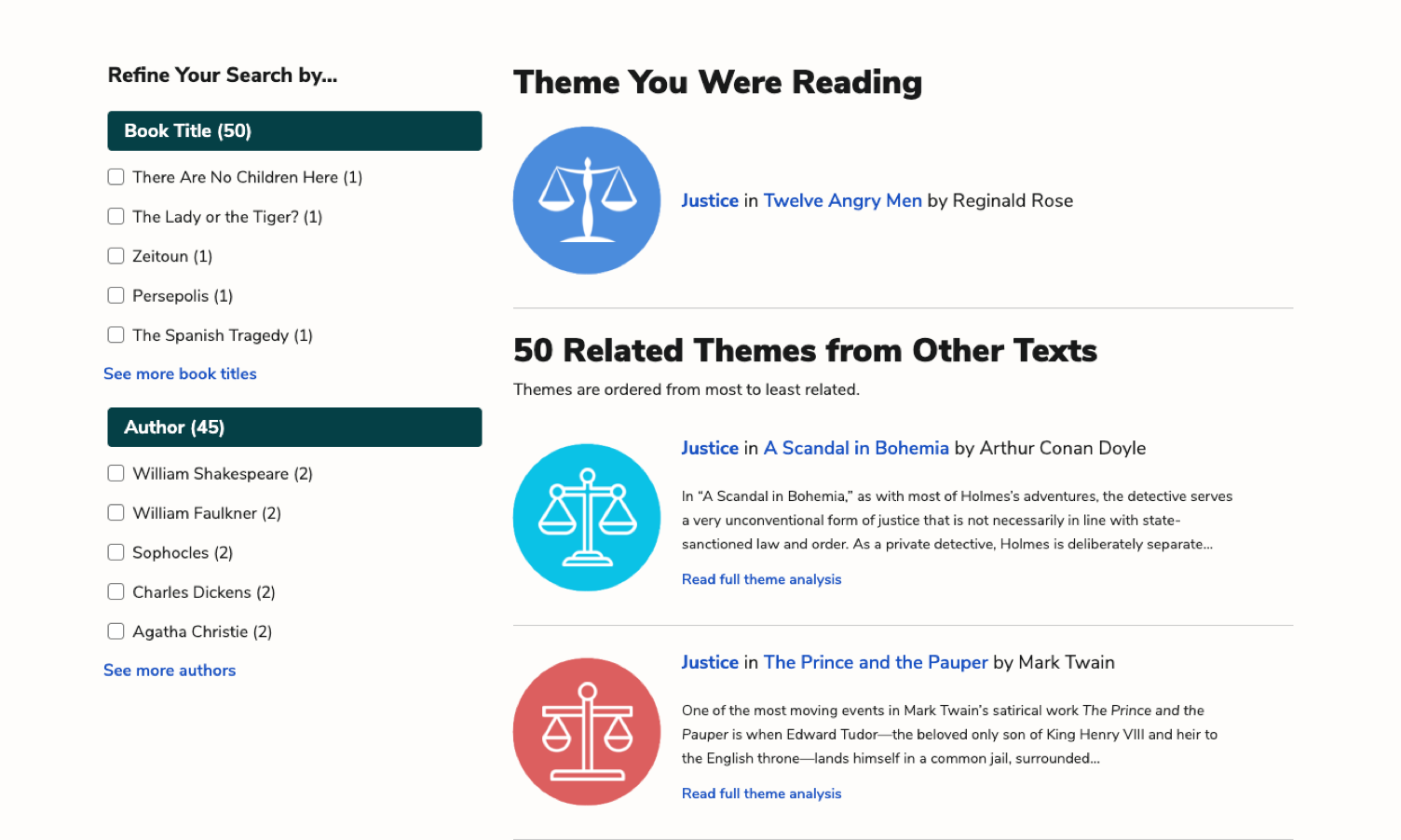
Related Themes
Comparing and contrasting texts? Find where any theme occurs across all of LitCharts in seconds.


Poetry Guides
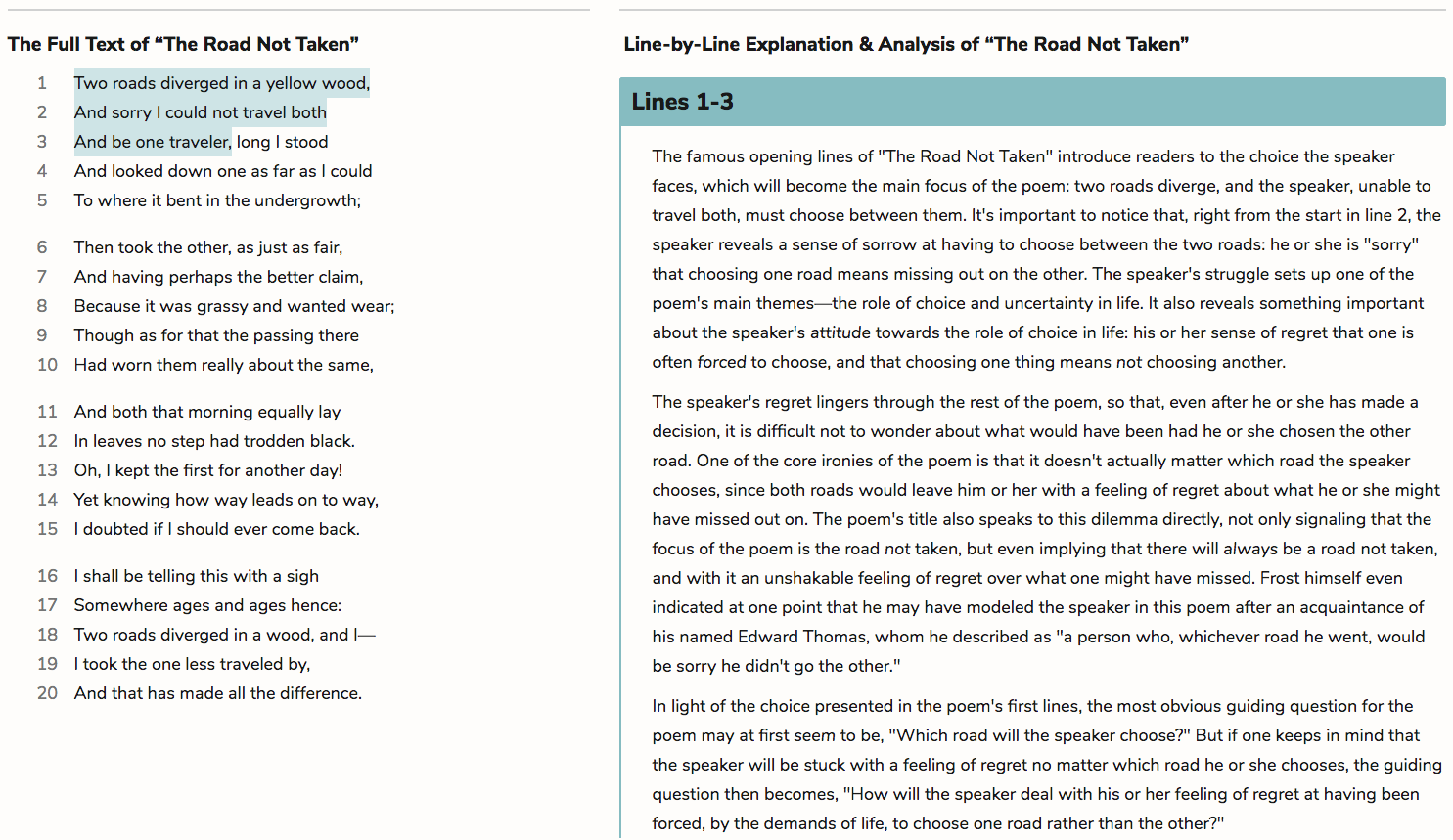
Line-by-line explanations and analysis of figurative language and poetic devices.
For every lyric poem we cover.
For every lyric poem we cover.