
|
Have questions?
Contact us
Already a member? Sign in
|
Get every literary device explanation for Notes from UndergroundPlus so much more...
Sign up for LitCharts A+Get instant access to every literary device explanation, plus so much more...
Situational Irony
Explanation and Analysis—Gentle with Liza:
In Part 2, Chapter 6, the narrative uses situational irony when The Underground Man describes his conversation with Liza:
“Oh, I’m not interrogating you. What do I care? Why are you angry? Of course, you may have had your own troubles. What’s it to me? Just the same, I’m sorry.”
“For whom?”
“I’m sorry for you.”
“No need . . . ,” she whispered barely audibly and stirred once again.
That provoked me at once. What! I was being so gentle with her, while she . . .
As the reader has witnessed The Underground Man berating and judging Liza for pages because of her life choices, the last thing they would expect is for him to refer to his words as "gentle." Readers can see that he is pressuring her with all of his rhetorical questions, demanding to know why she feels the way she does and giving a non-apology when she asks him about it. This moment is therefore ironic, as the reader would expect him to be aware that he is treating her poorly, but he instead says the unexpected: that he is treating her with gentleness.
This irony shows how The Underground Man does not fit in with society. He believes he is being gentle with Liza and understanding with other people, but he is in fact being abrasive and rude. This trait, on top of other discontent with Petersburg society, leads him away from society and to the underground.
Monthly
Annual (Best Value)

$595USD/mo
Charged $71.40 USD every year
 Teacher
$795USD/mo
Charged $95.40 USD every year
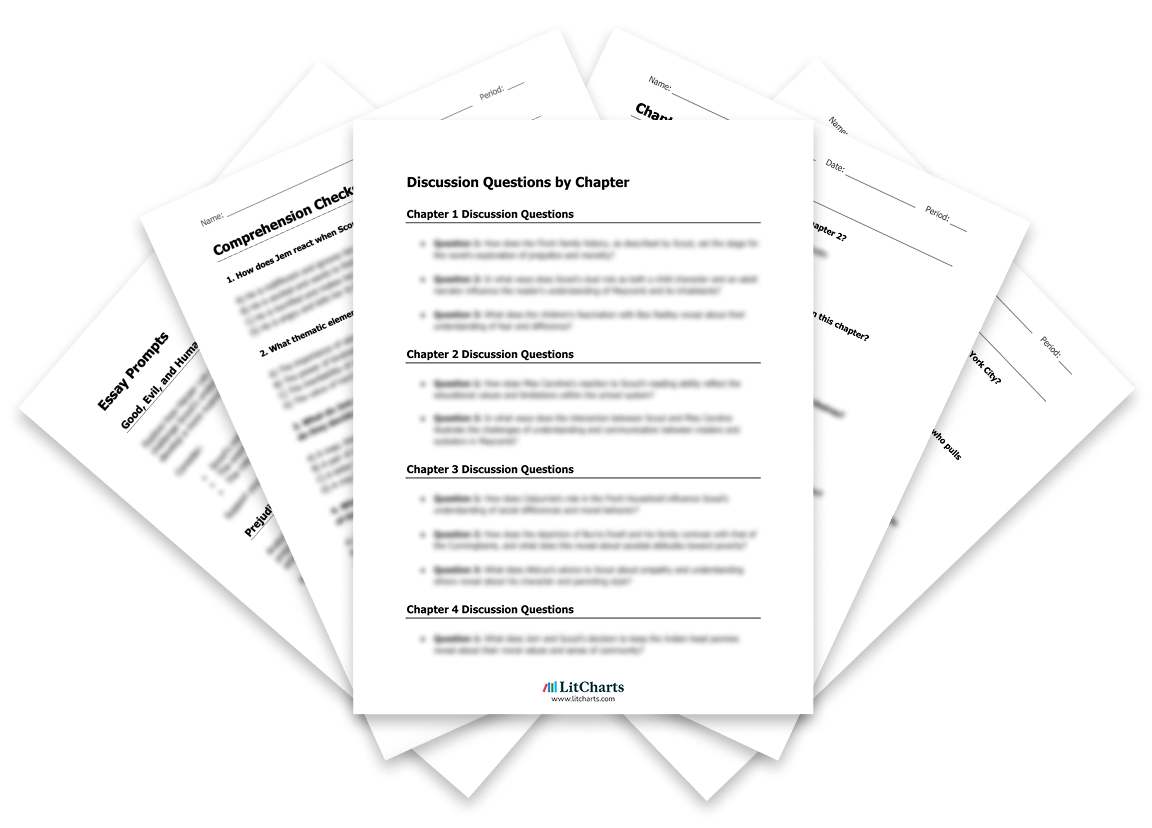


Literature Guide PDFs
LitCharts PDFs for every book you'll read this year.
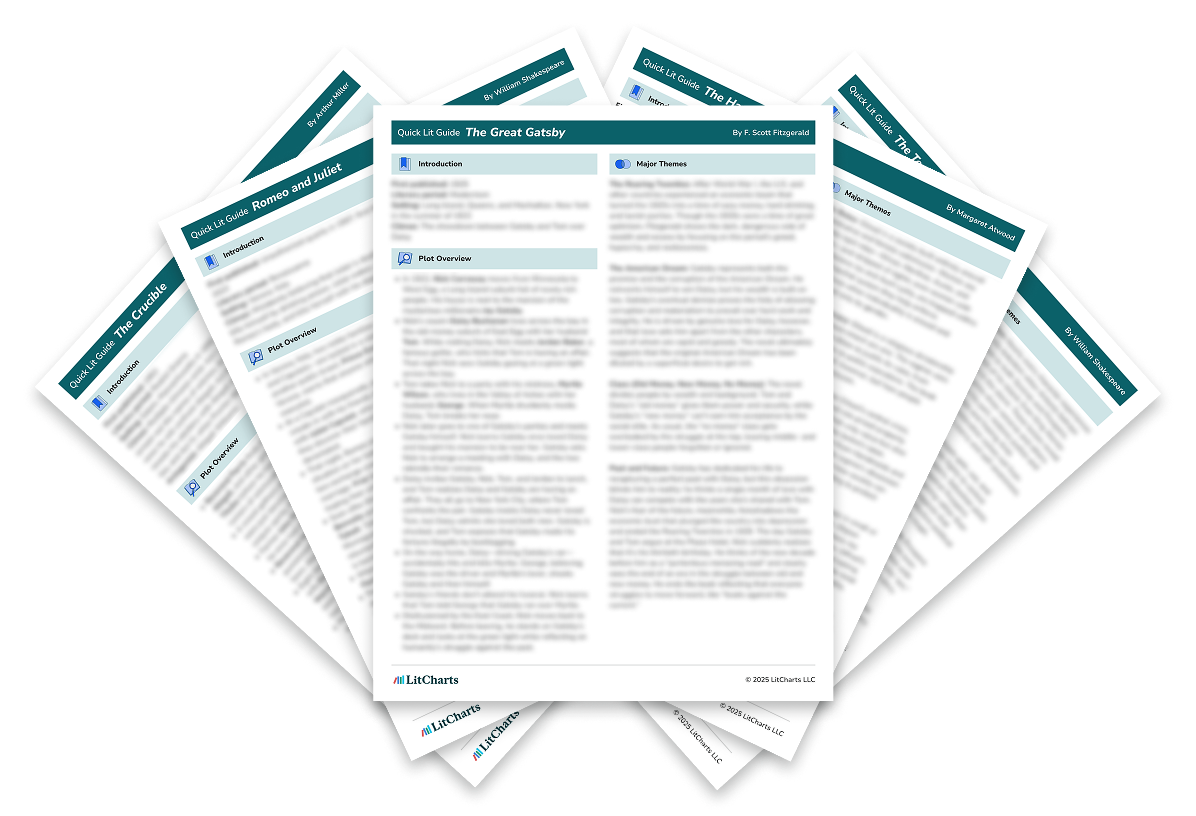
Instant PDF downloads of all 2247 LitCharts literature guides and of every new one we publish. Try a free sample literature guide.
"Would not have made it through AP Literature without the printable PDFs. They're like having in-class notes for every discussion!"






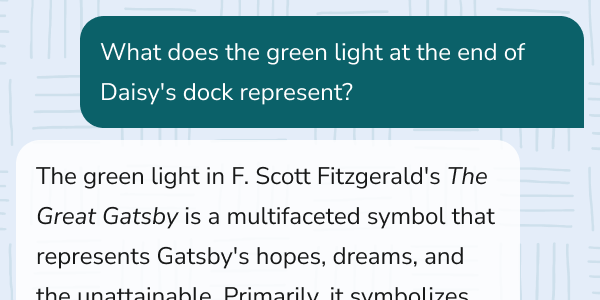
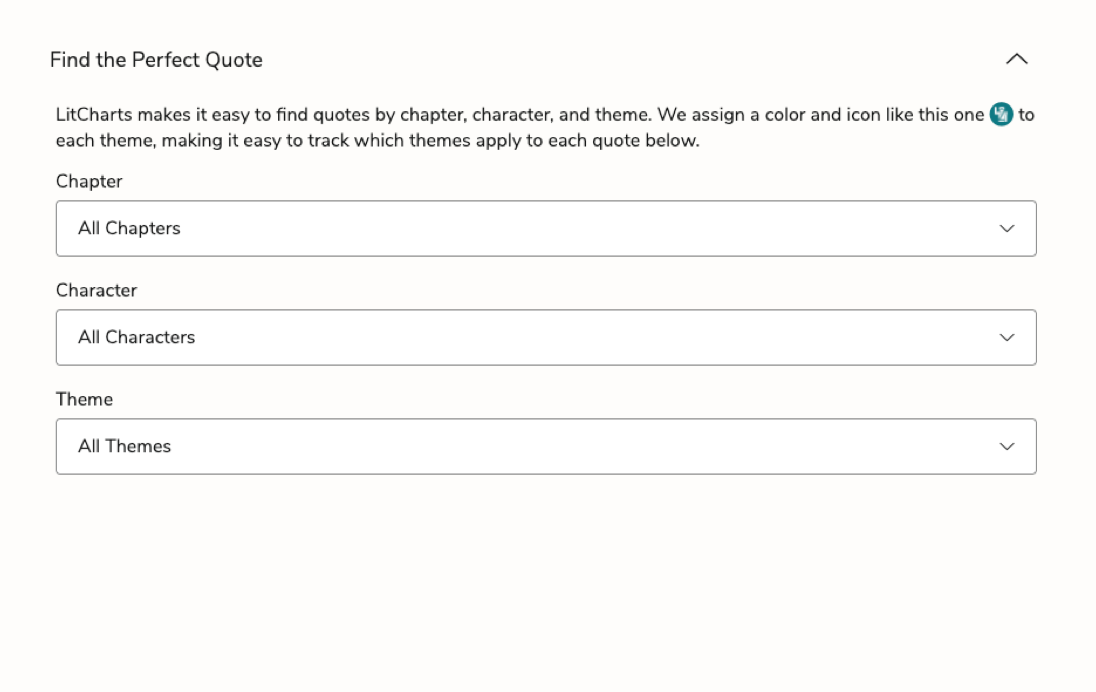
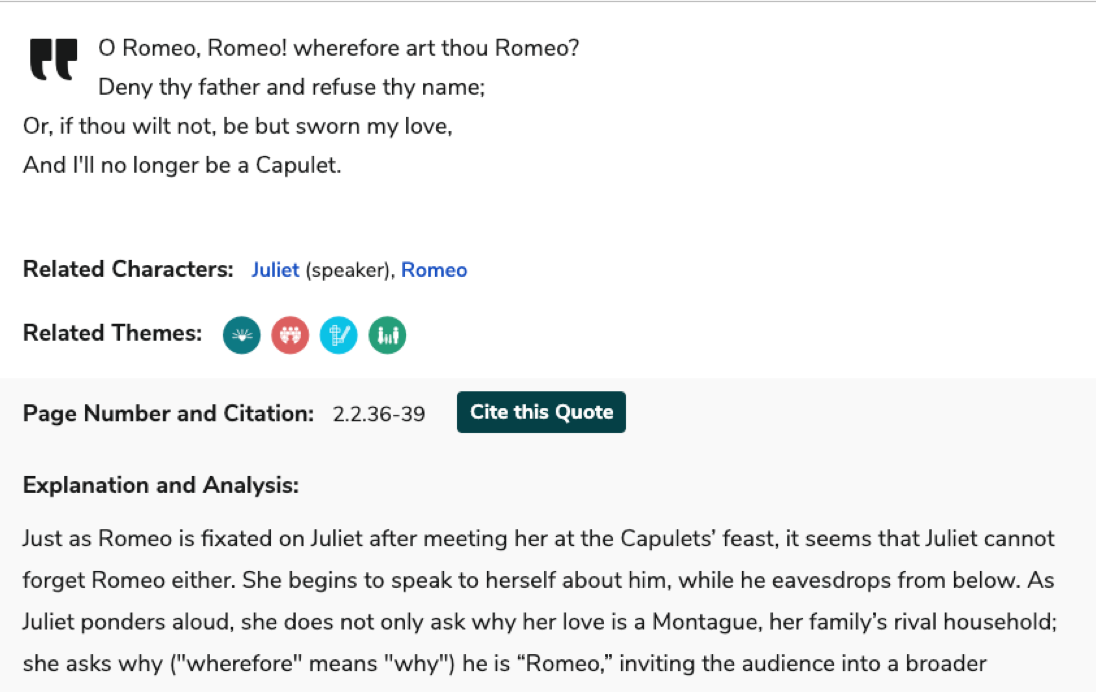
Quotes Explanations
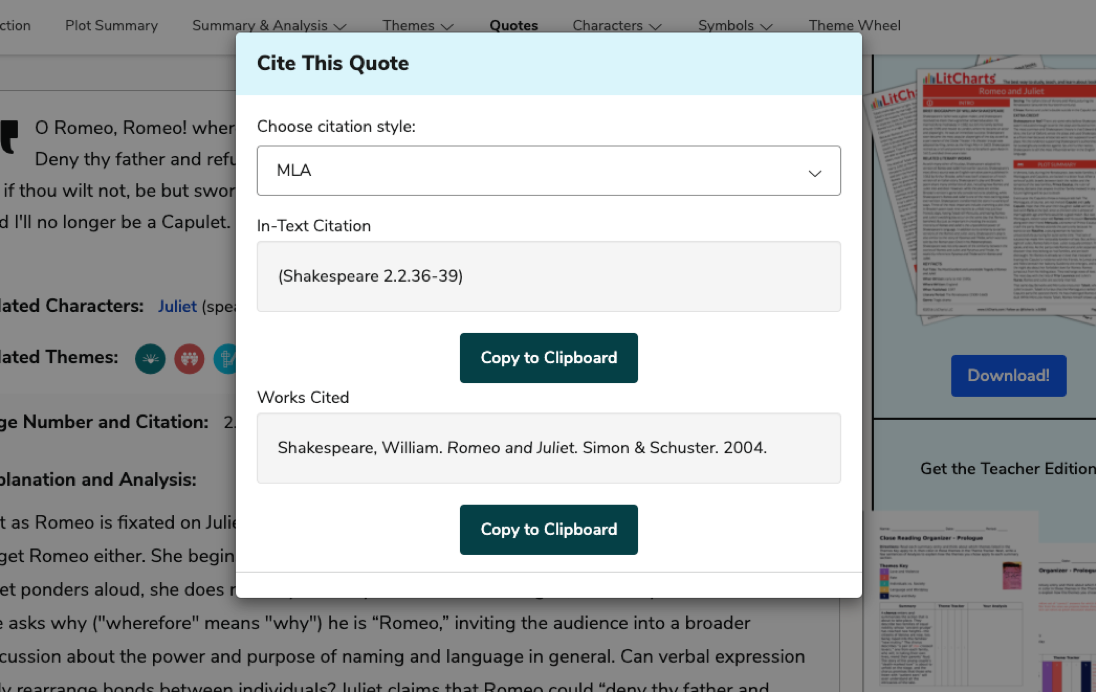
Find the perfect quote. Understand it perfectly. Then rock the citation, too.
For all 50,101 quotes we cover.
For all 50,101 quotes we cover.


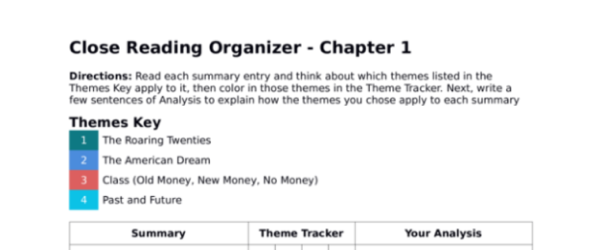
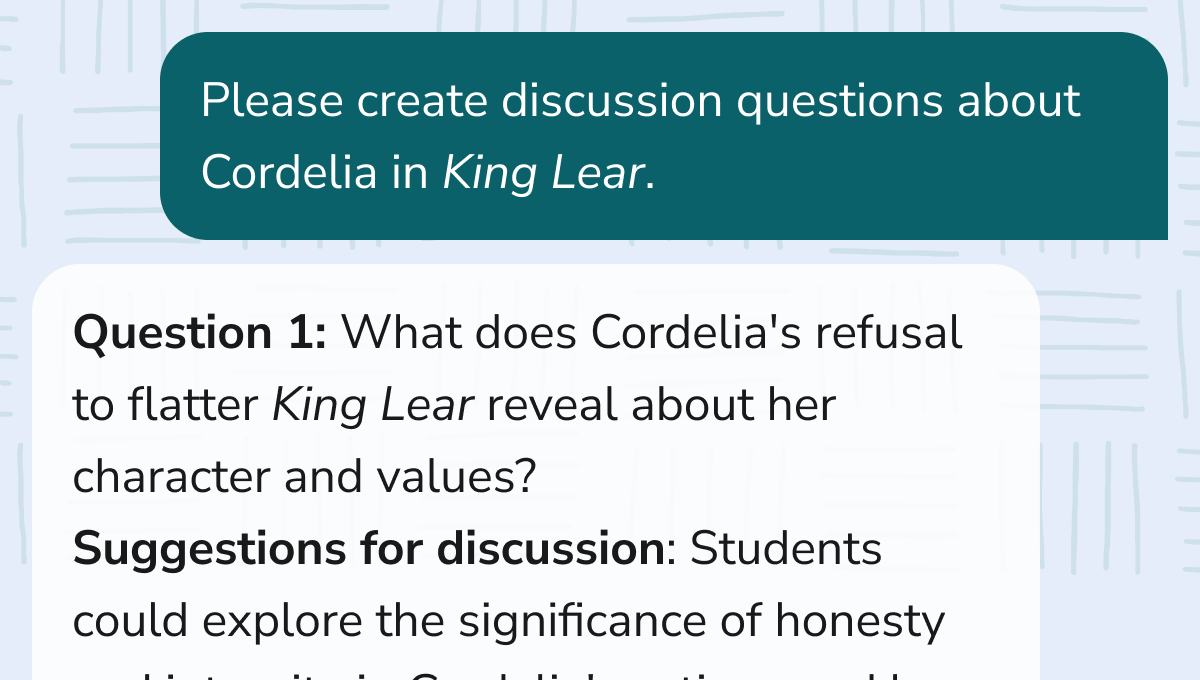
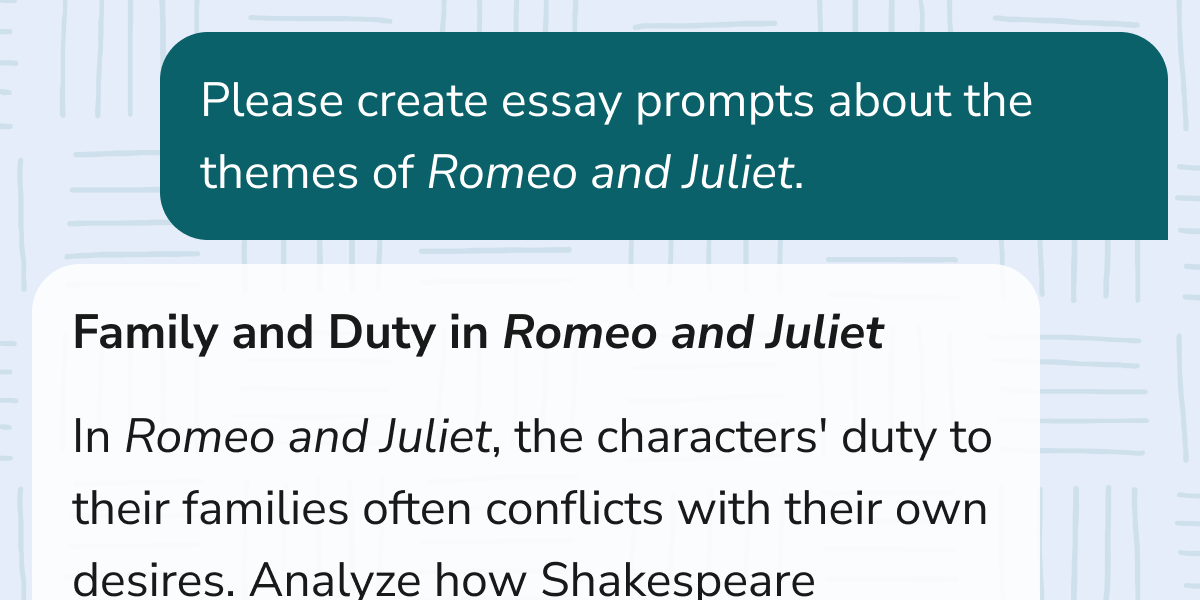
Teacher Editions
Close reading made easy for students.
Time saved for teachers.
For every book we cover.
Time saved for teachers.
For every book we cover.


Common Core-aligned


PDFs of modern translations of every one of Shakespeare's 37 plays, 154 sonnets, and 3 longer poems.

Literary Terms and Devices
Definitions and examples for every literary term and device you need to know.
Plus a quick-reference PDF with concise definitions of all 136 terms in one place.
Plus a quick-reference PDF with concise definitions of all 136 terms in one place.
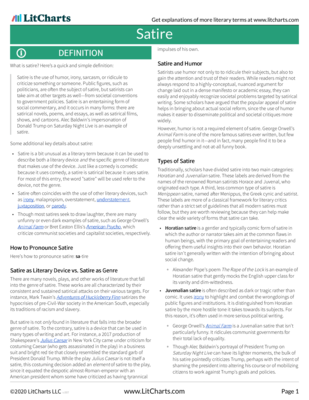
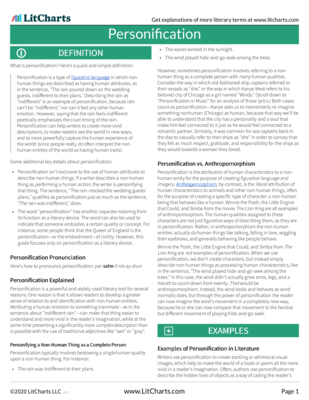
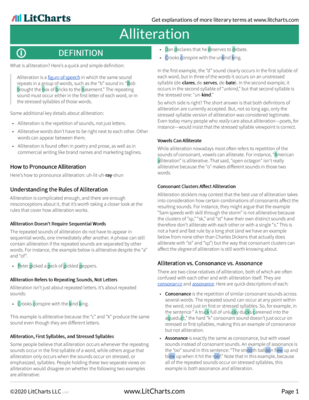
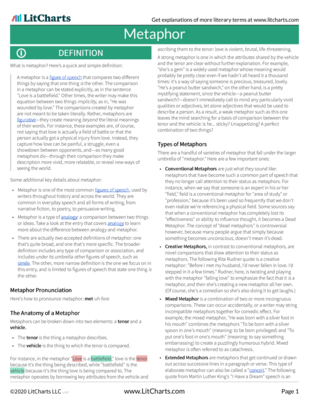
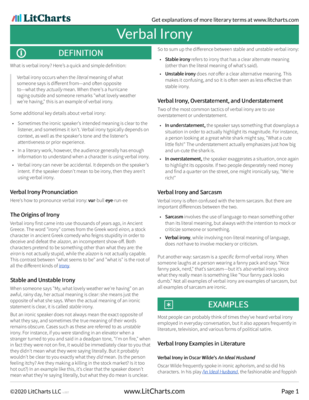
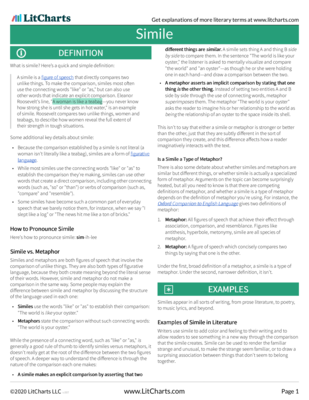
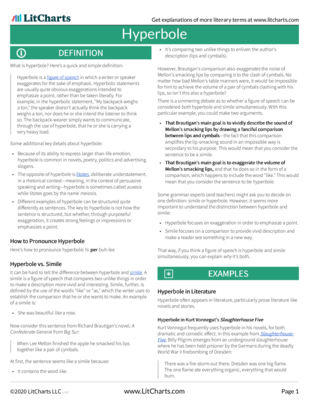
Try a free sample literary term PDF.


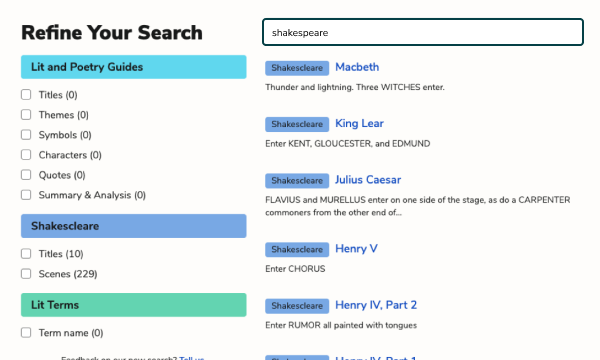
Advanced Search
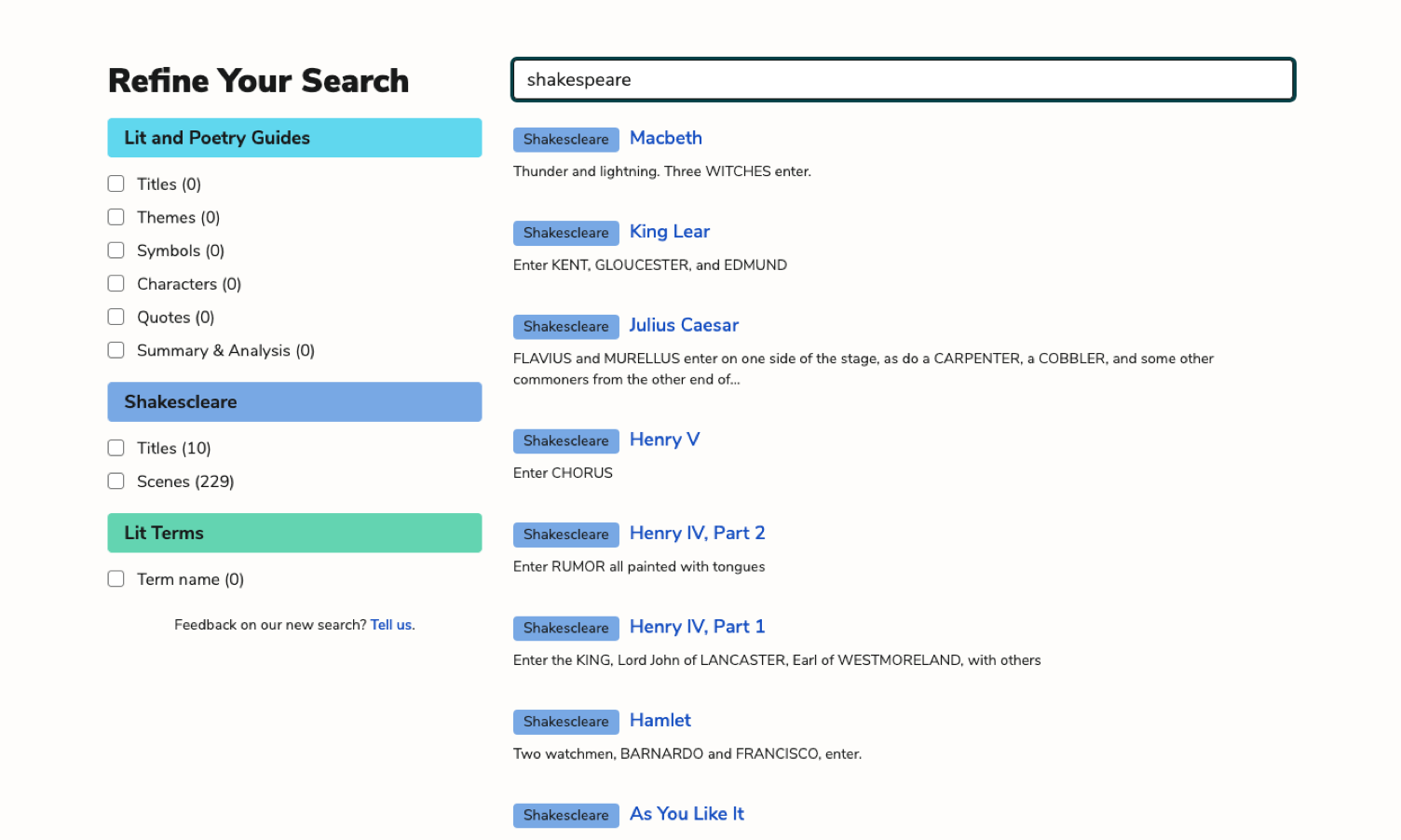
Refine any search. Find related themes, quotes, symbols, characters, and more.

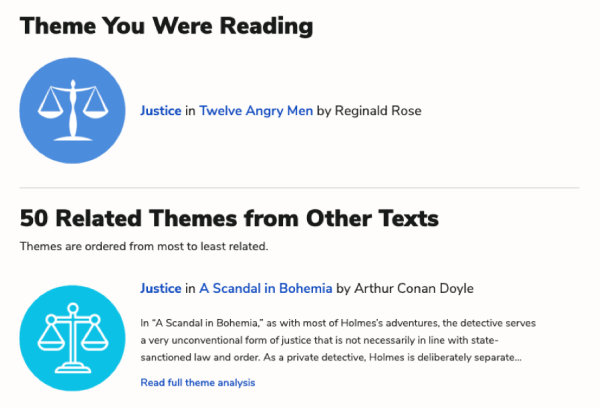
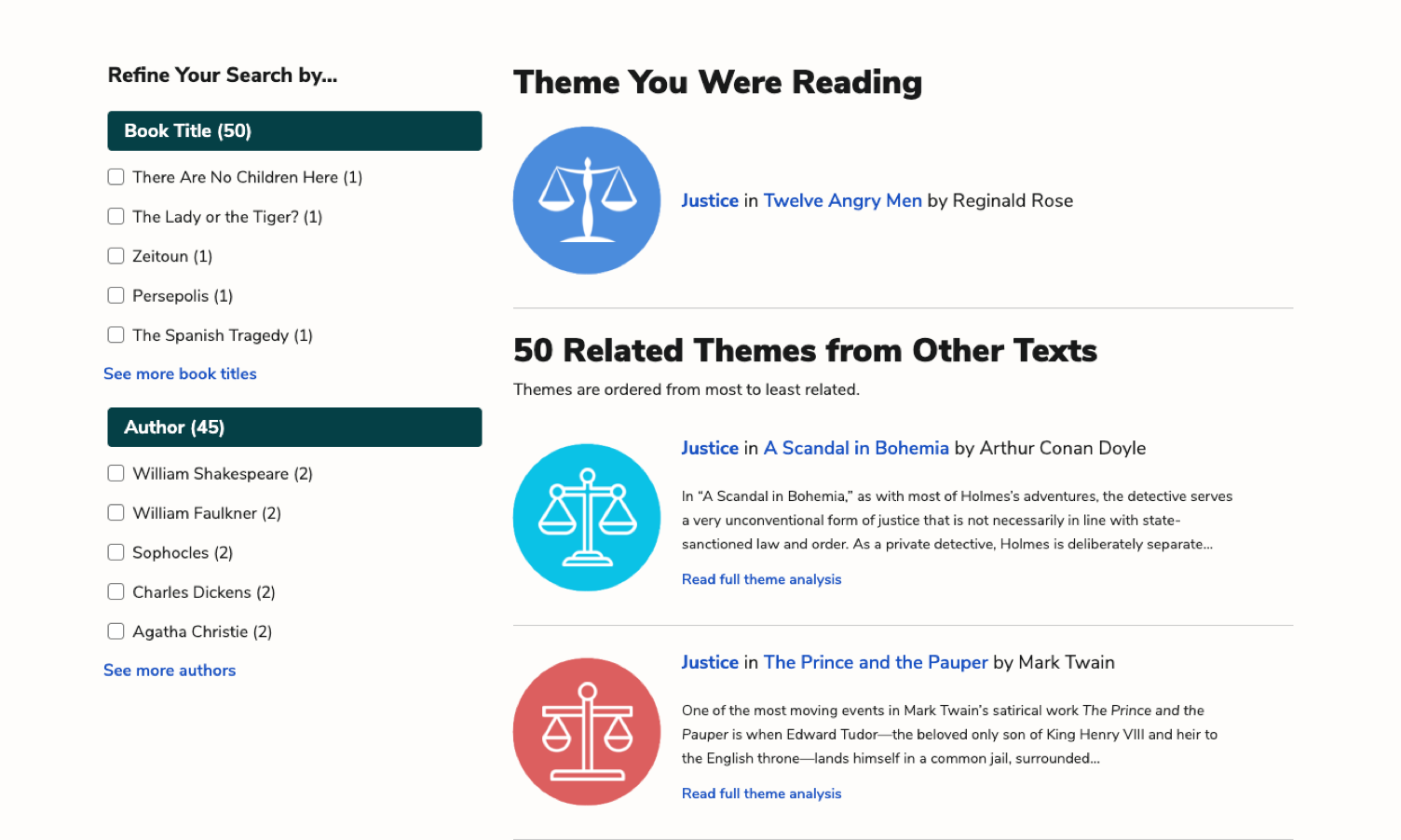
Related Themes
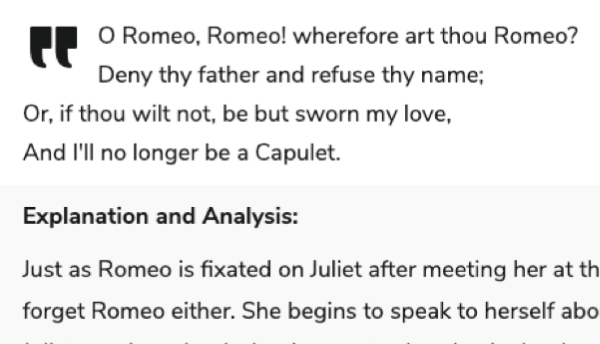
Comparing and contrasting texts? Find where any theme occurs across all of LitCharts in seconds.


Poetry Guides
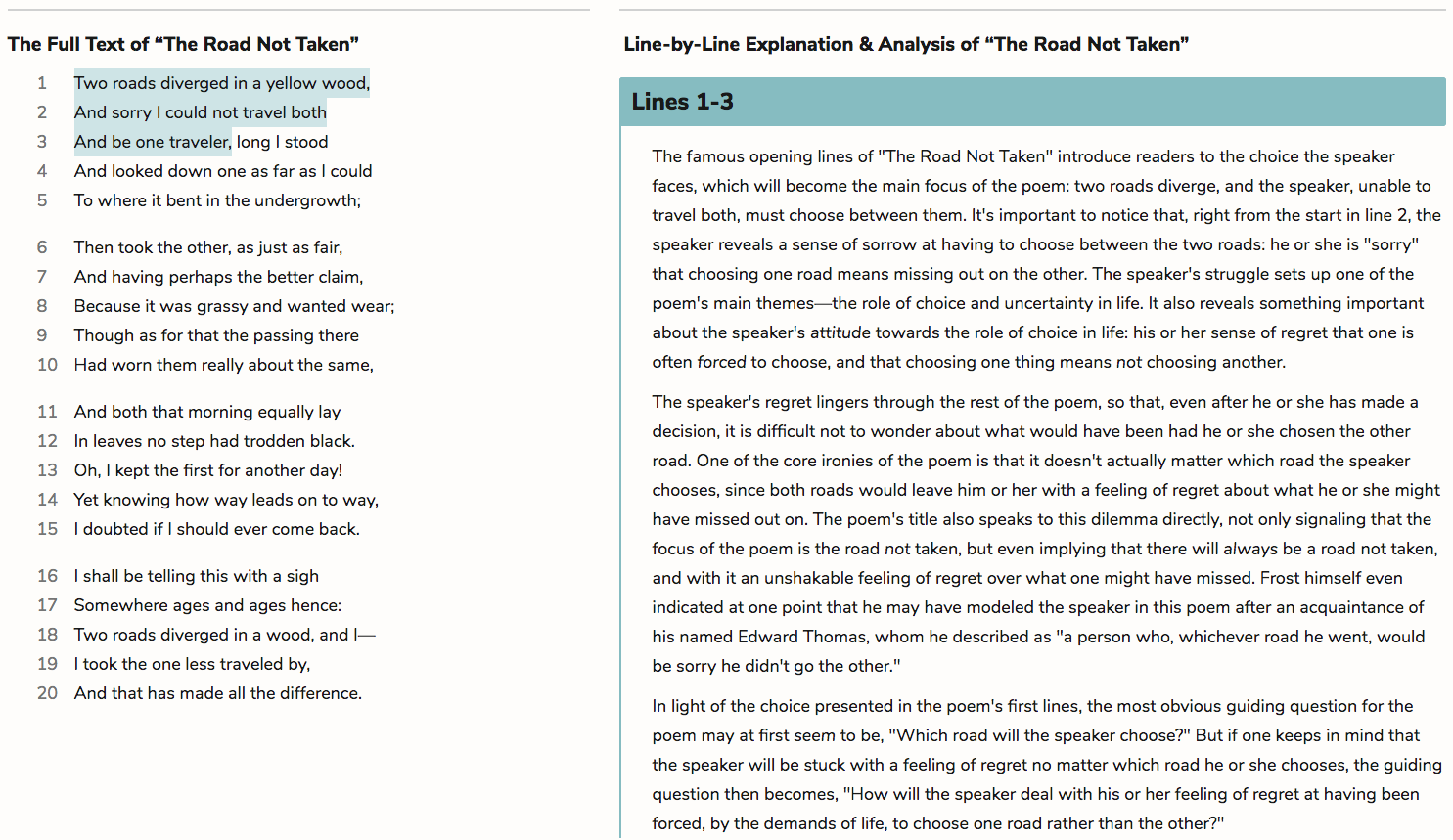
Line-by-line explanations and analysis of figurative language and poetic devices.
For every lyric poem we cover.
For every lyric poem we cover.