
|
Have questions?
Contact us
Already a member? Sign in
|
Get every literary device explanation for Hamlet
Plus so much more...
Sign up for LitCharts A+
Get instant access to every literary device explanation, plus so much more...
Soliloquy
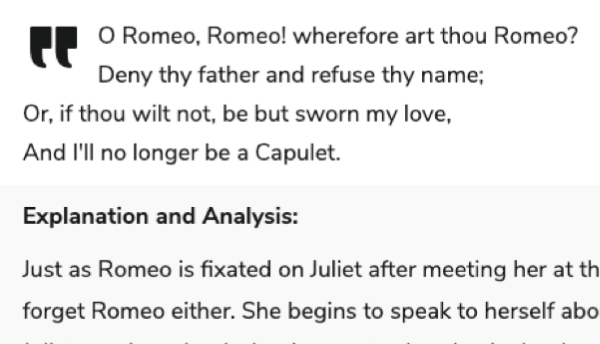
Explanation and Analysis:
The most famous lines in Hamlet come from his soliloquy in Act 3, Scene 1, when he reflects on the struggle of balancing his weariness of life and his fear of death. The soliloquy begins:
To be or not to be—that is the question:
Whether ’tis nobler in the mind to suffer
The slings and arrows of outrageous fortune,
Or to take arms against a sea of troubles
And, by opposing, end them.
The presence of this soliloquy in between scenes with multiple characters gives the audience a chance to understand how worn down Hamlet is feeling. His desire to rest is tempered by his fear of death, and the moment of reflection he takes is full of the tension between his fear and longing. His speech flirts with madness: at this point in the play, most of the other characters believe that Hamlet is beginning to lose his mind. The cadence of his language therefore changes drastically depending on who he is talking to. The fact that he is alone in this scene may lead the audience to believe that this is his truest self, the most direct communication he has. This soliloquy primarily concerns the question of suicide, and of the morality of opting out of the rest of his life. The way that Hamlet speaks takes on the cadence of a rant, as Hamlet asks himself questions and then attempts to answer them. It is as though Hamlet is conversing with himself, which emphasizes the sense that he is torn between these two choices. These are his most interior thoughts, and they are plagued by indecision, paranoia, and the feeling of being stuck.
Monthly
Annual (Best Value)

$595USD/mo
Charged $71.40 USD every year
 Teacher
$795USD/mo
Charged $95.40 USD every year
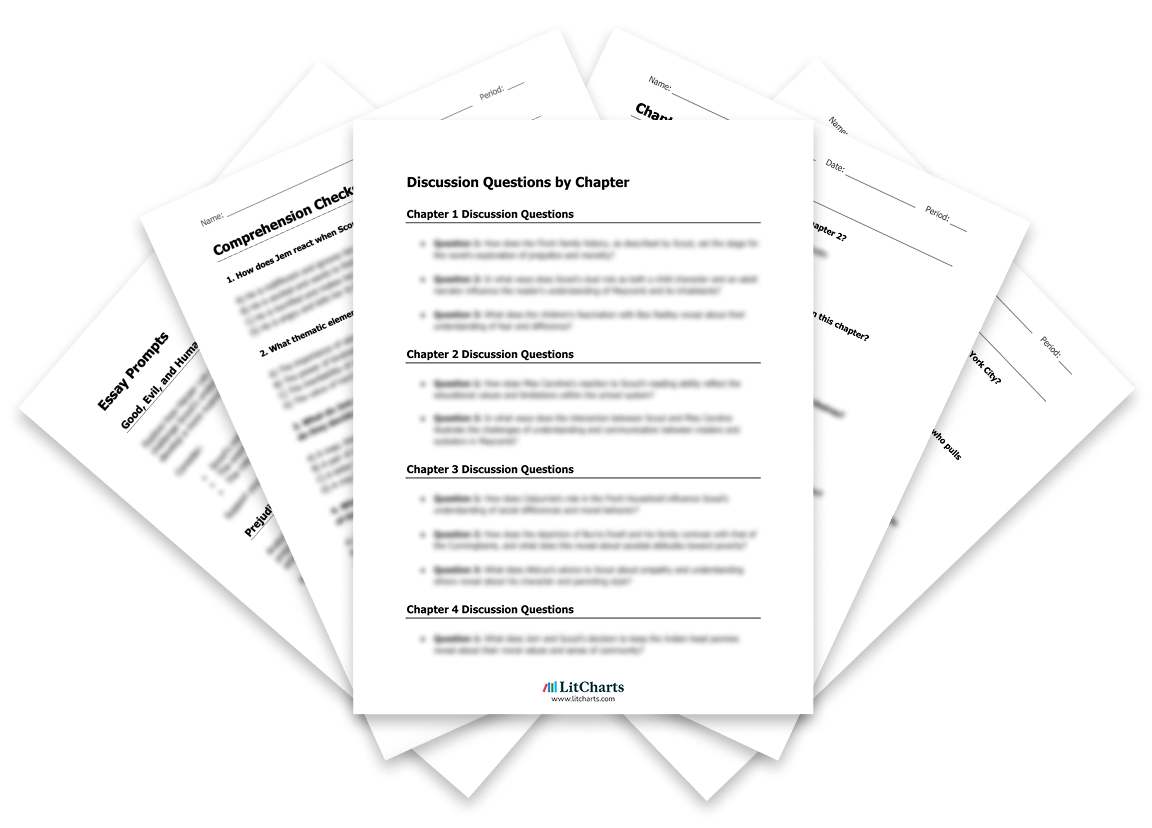


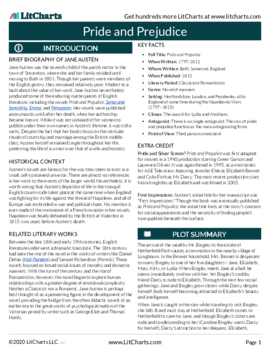
Literature Guide PDFs
LitCharts PDFs for every book you'll read this year.
Instant PDF downloads of all 2253 LitCharts literature guides and of every new one we publish. Try a free sample literature guide.
"Would not have made it through AP Literature without the printable PDFs. They're like having in-class notes for every discussion!"





Quotes Explanations
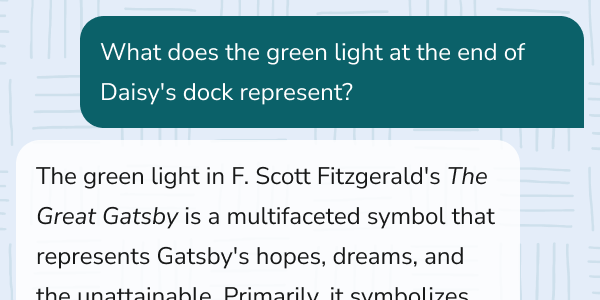
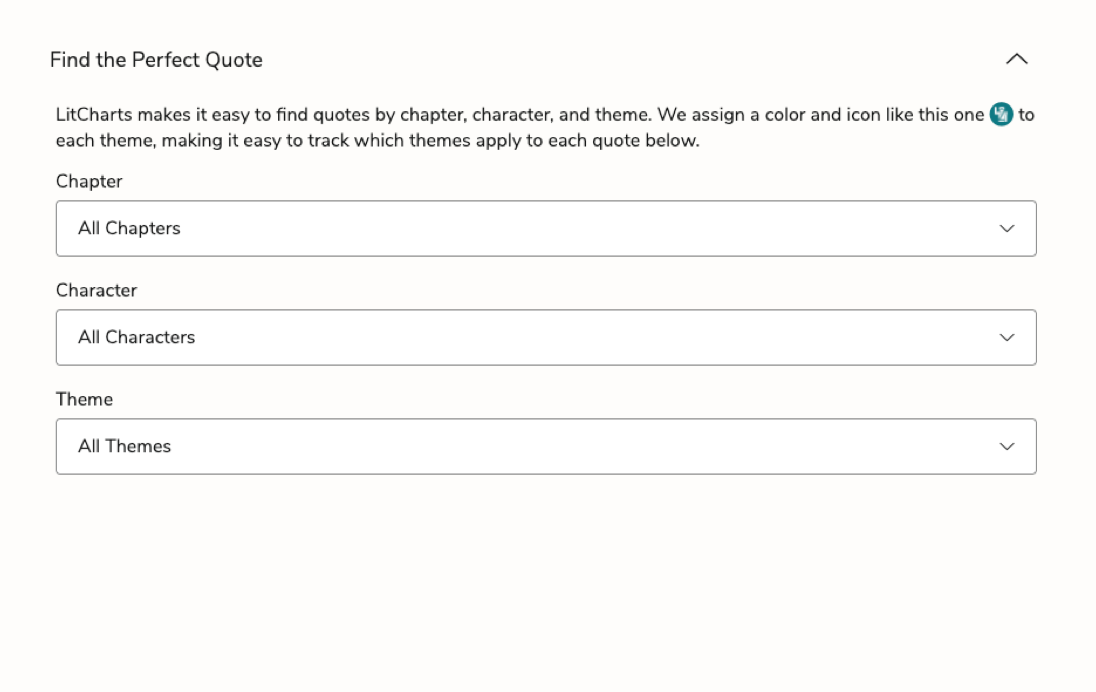
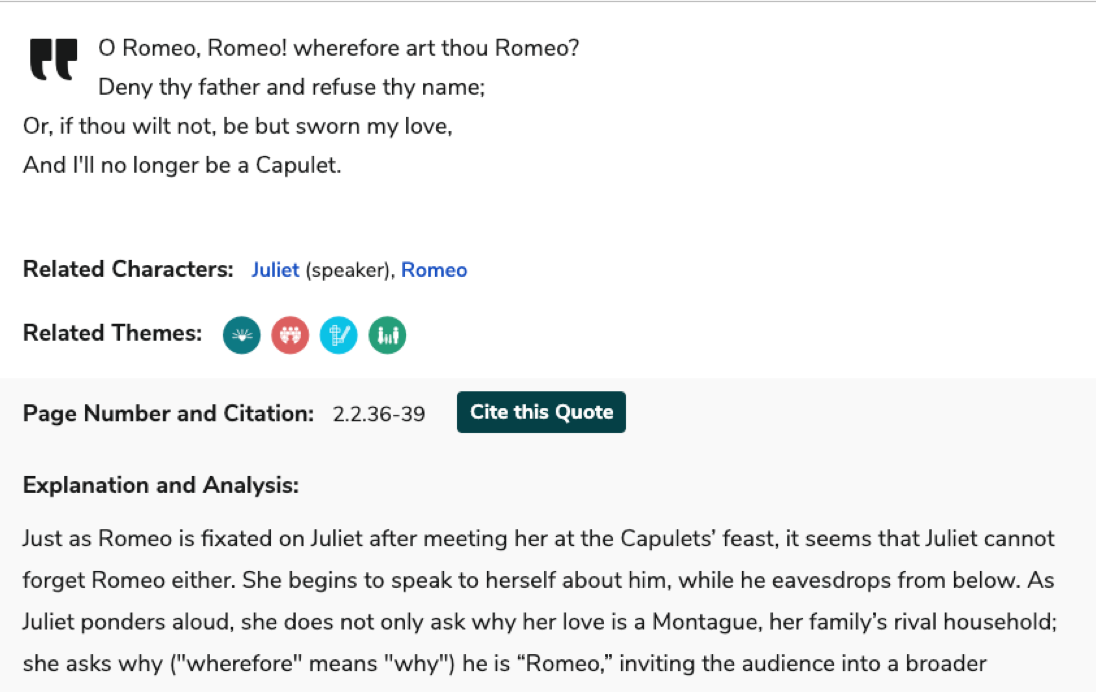
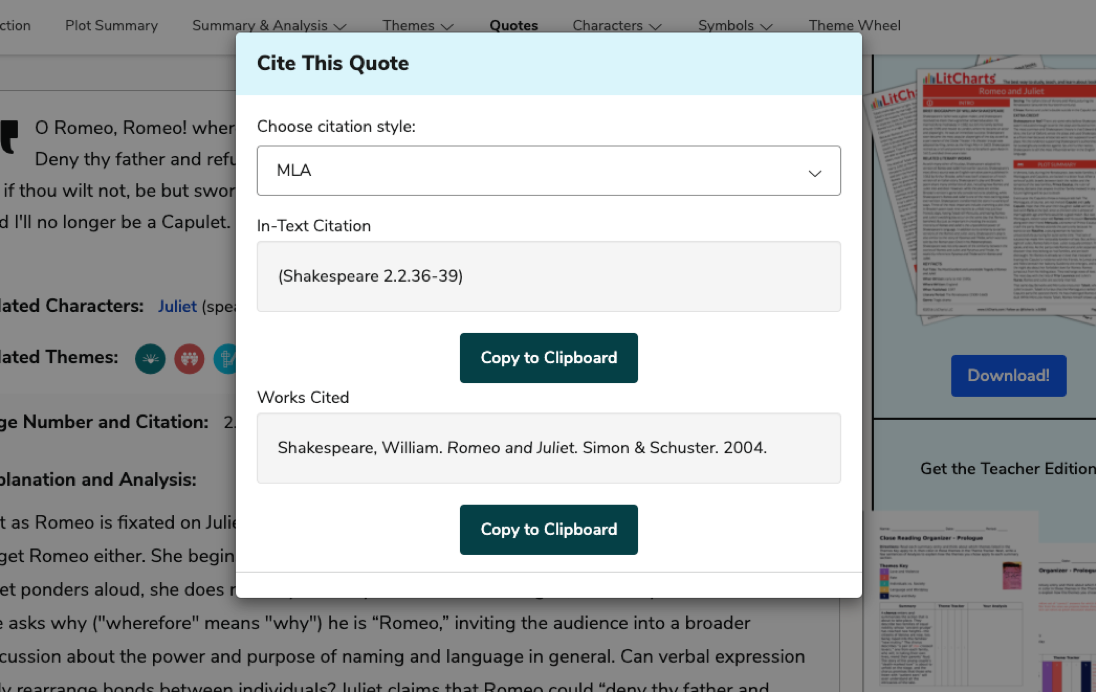
Find the perfect quote. Understand it perfectly. Then rock the citation, too.
For all 50,238 quotes we cover.
For all 50,238 quotes we cover.


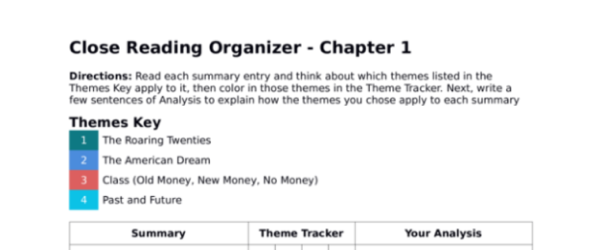
Teacher Editions
Close reading made easy for students.
Time saved for teachers.
For every book we cover.
Time saved for teachers.
For every book we cover.


Common Core-aligned


PDFs of modern translations of every one of Shakespeare's 37 plays, 154 sonnets, and 3 longer poems.

Literary Terms and Devices
Definitions and examples for every literary term and device you need to know.
Plus a quick-reference PDF with concise definitions of all 136 terms in one place.
Plus a quick-reference PDF with concise definitions of all 136 terms in one place.
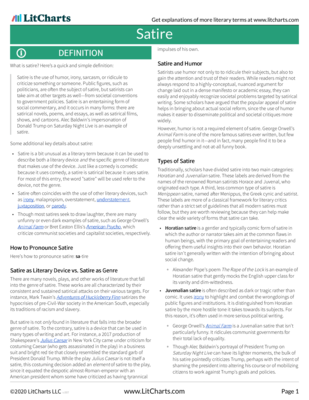
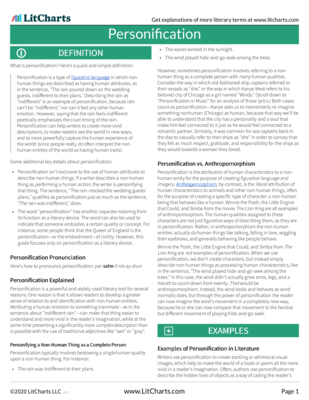
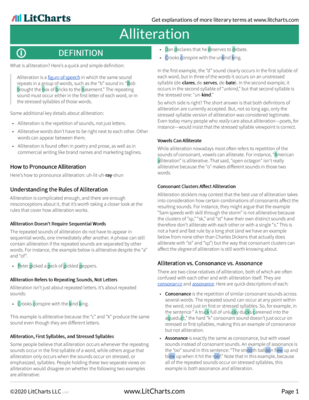
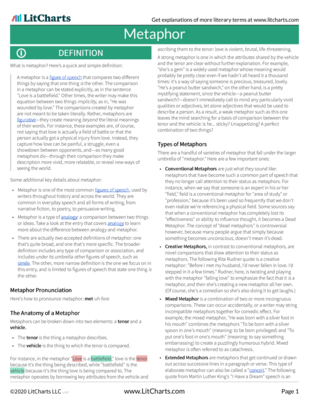
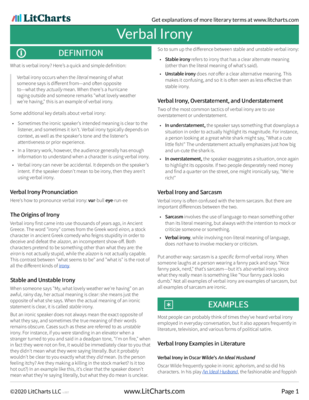
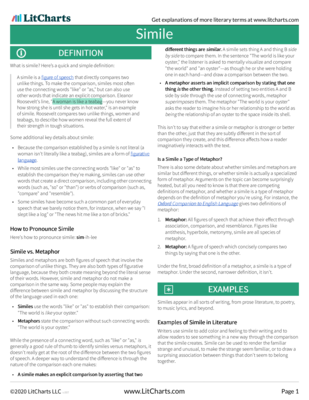
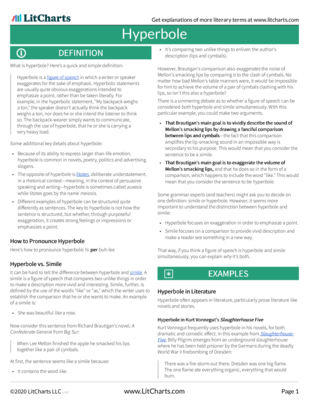
Try a free sample literary term PDF.


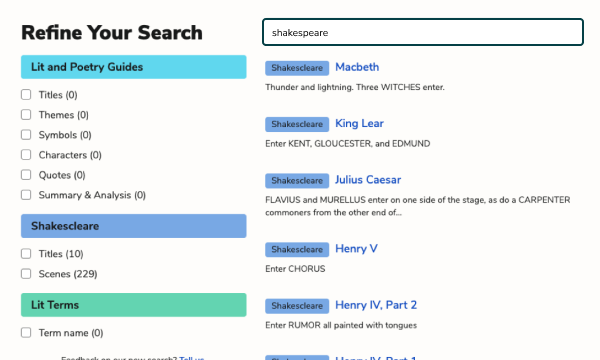
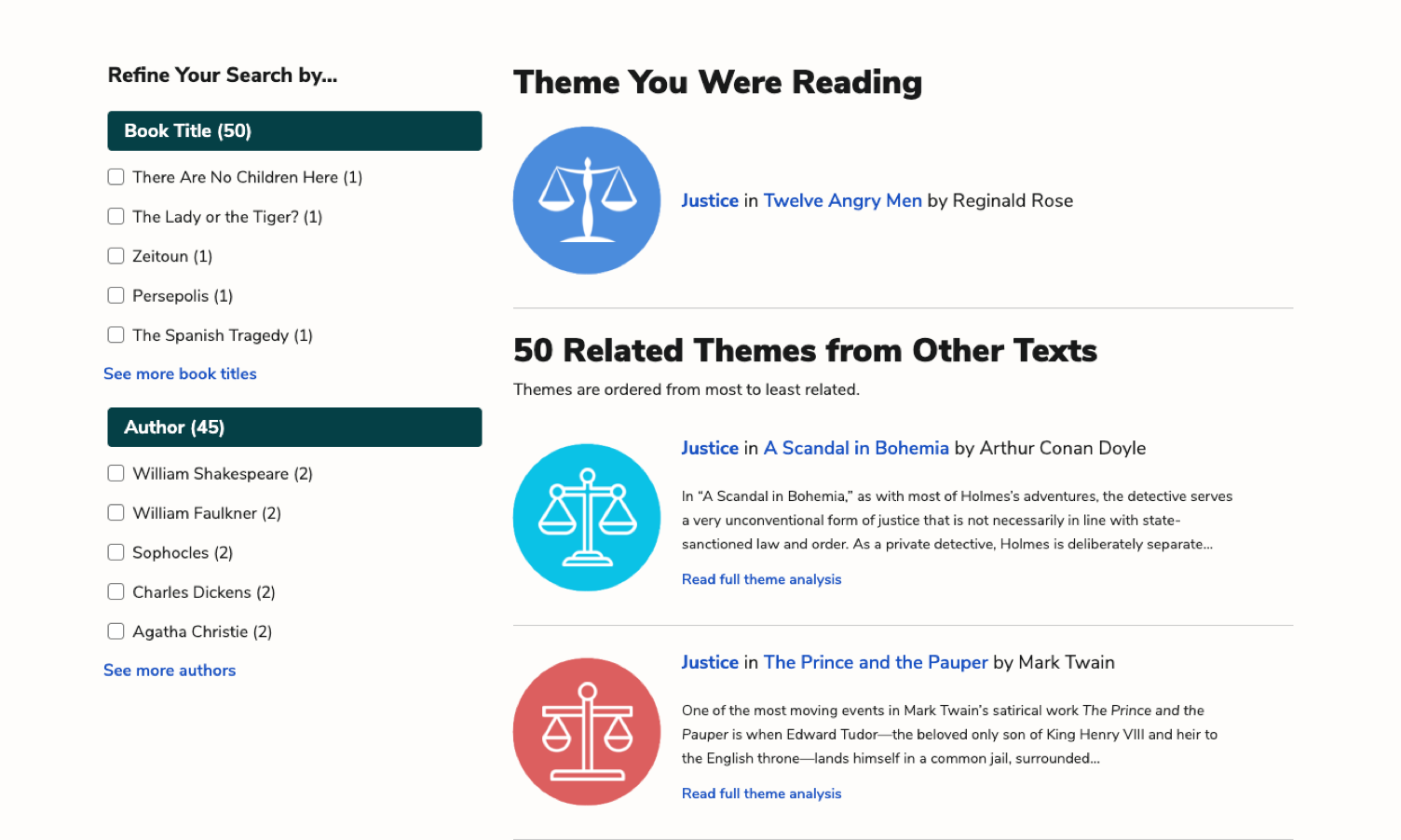
Advanced Search
Refine any search. Find related themes, quotes, symbols, characters, and more.
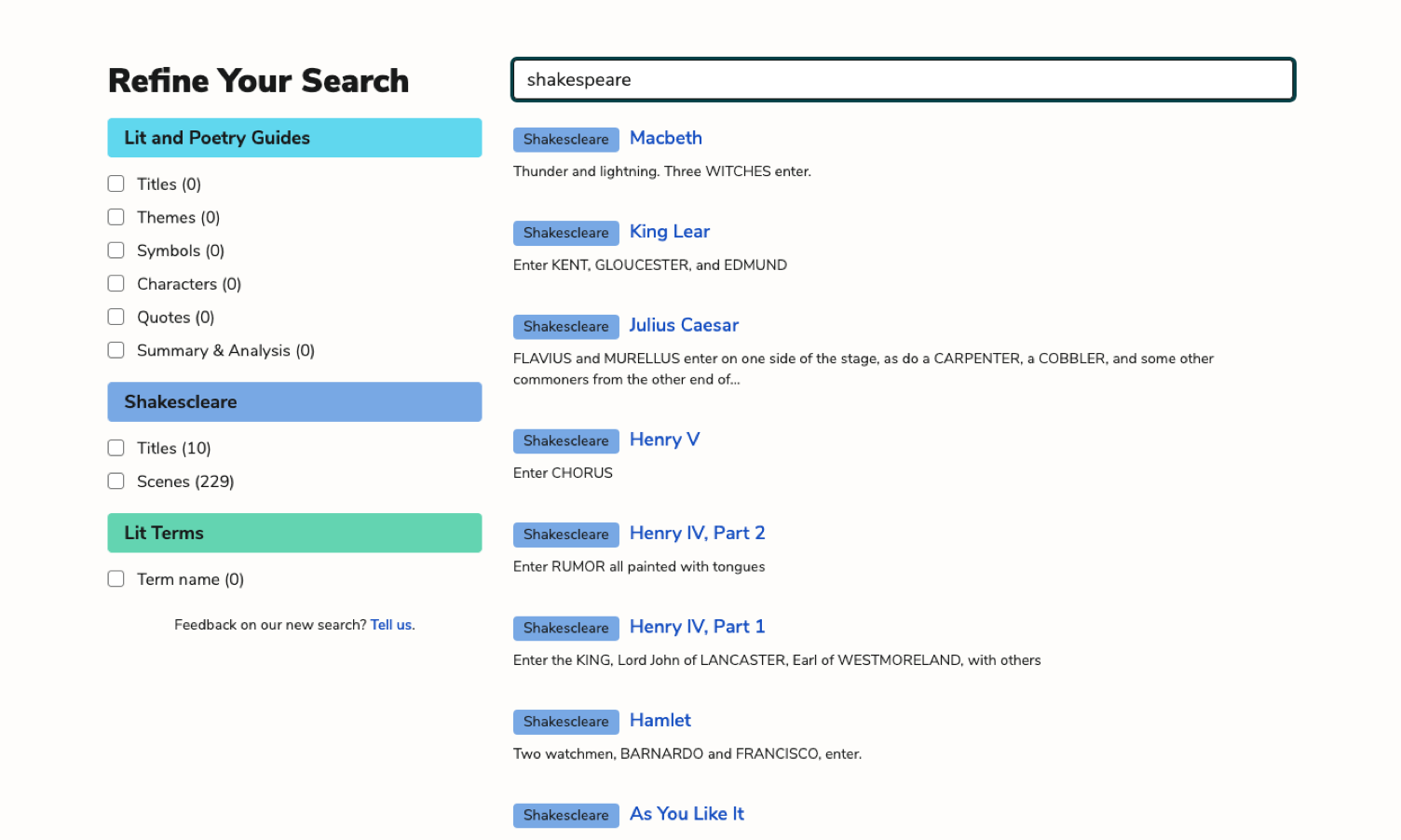
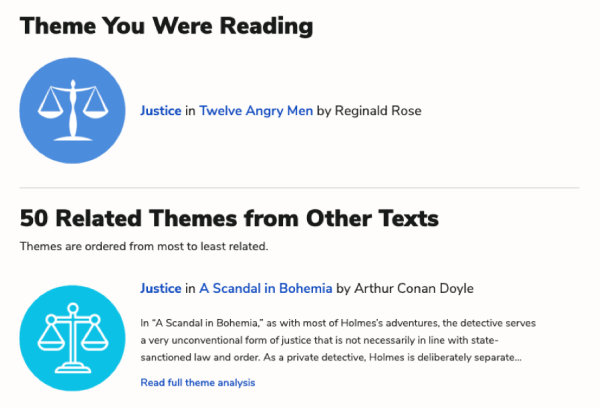
Related Themes
Comparing and contrasting texts? Find where any theme occurs across all of LitCharts in seconds.


Poetry Guides
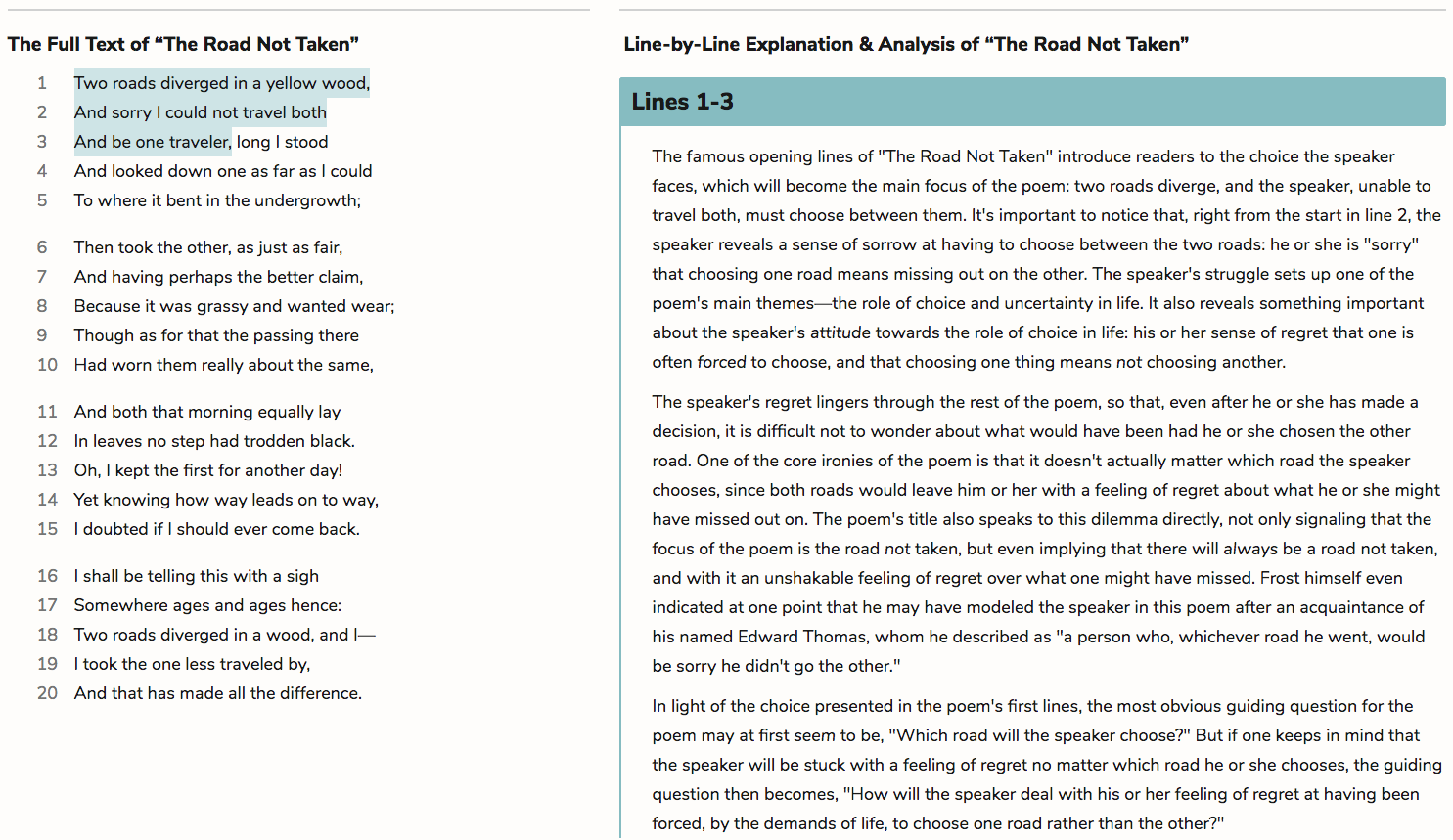
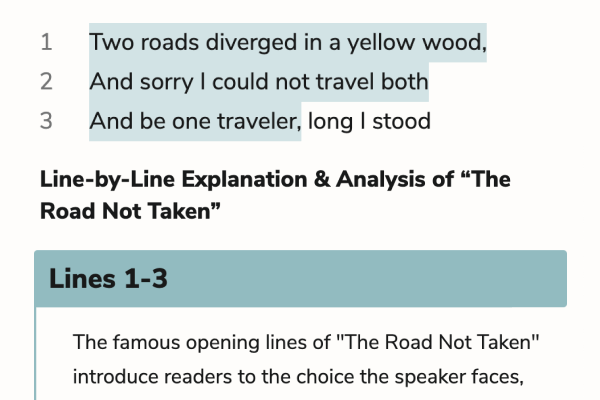
Line-by-line explanations and analysis of figurative language and poetic devices.
For every lyric poem we cover.
For every lyric poem we cover.