
|
Have questions?
Contact us
Already a member? Sign in
|
Get every literary device explanation for Hamlet
Plus so much more...
Sign up for LitCharts A+
Get instant access to every literary device explanation, plus so much more...
Soliloquy
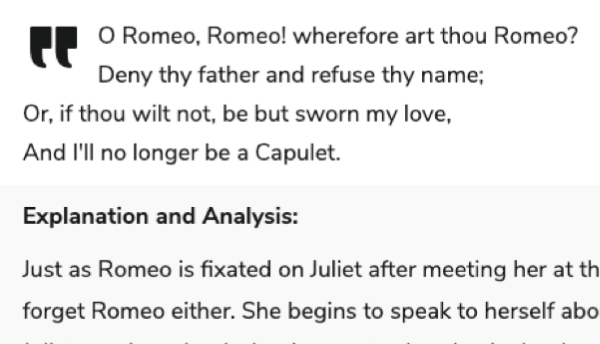
Explanation and Analysis—Remember Thee:
In Act 1, Scene 5, immediately after relaying the circumstances of his death, the ghost disappears and leaves Hamlet alone. What follows is one of Hamlet’s soliloquies, in which he has the opportunity to express himself in a manner uninhibited by the presence of other people. Throughout much of the play, Hamlet conceals information from those around him, so his moments alone onstage provide important opportunities for him to reflect or make certain decisions. In this soliloquy, he uses his moment of solitude to reckon with the news of his uncle’s violent betrayal before his friends arrive. He is able to express the extent of his shock and horror for a limited period of time, and he uses it to consider the ghost’s parting words. He says:
Remember thee?
Yea, from the table of my memory
I’ll wipe away all trivial, fond records,
All saws of books, all forms, all pressures
That youth and observation copied there,
And thy commandment all alone shall live
Within the book and volume of my brain.
In this passage, Hamlet vows to clear out the contents of his brain in order to better remember his interaction with the ghost. The intensity of his response to the news of his father’s death is only felt because he has the opportunity to reflect alone. Once his friends return, he can communicate only fumblingly and mockingly. This moment of clarity, therefore, shows how seriously Hamlet will carry this interaction forward. This helps contextualize his actions moving forward, an understanding made possible by his time alone onstage.
Monthly
Annual (Best Value)

$595USD/mo
Charged $71.40 USD every year
 Teacher
$795USD/mo
Charged $95.40 USD every year
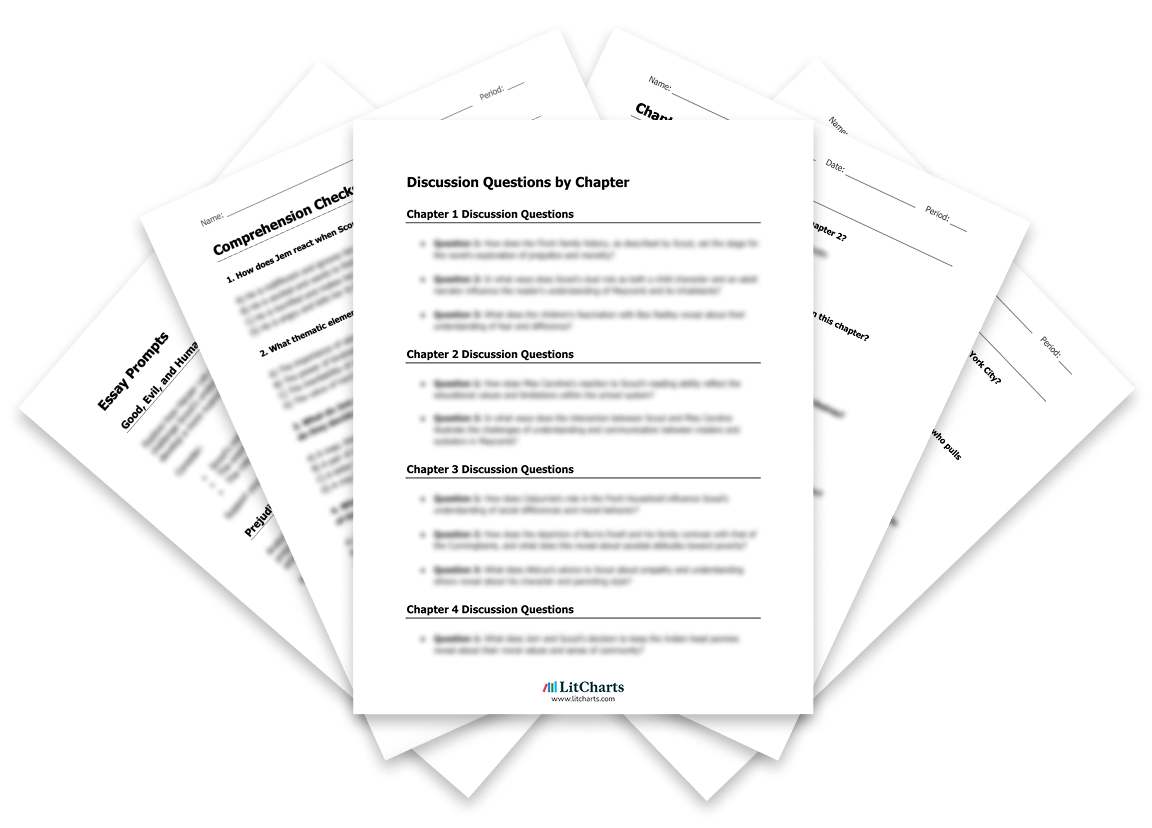


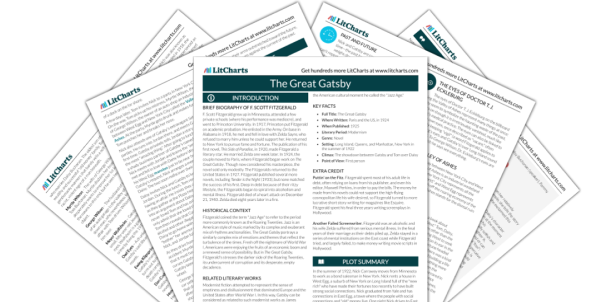
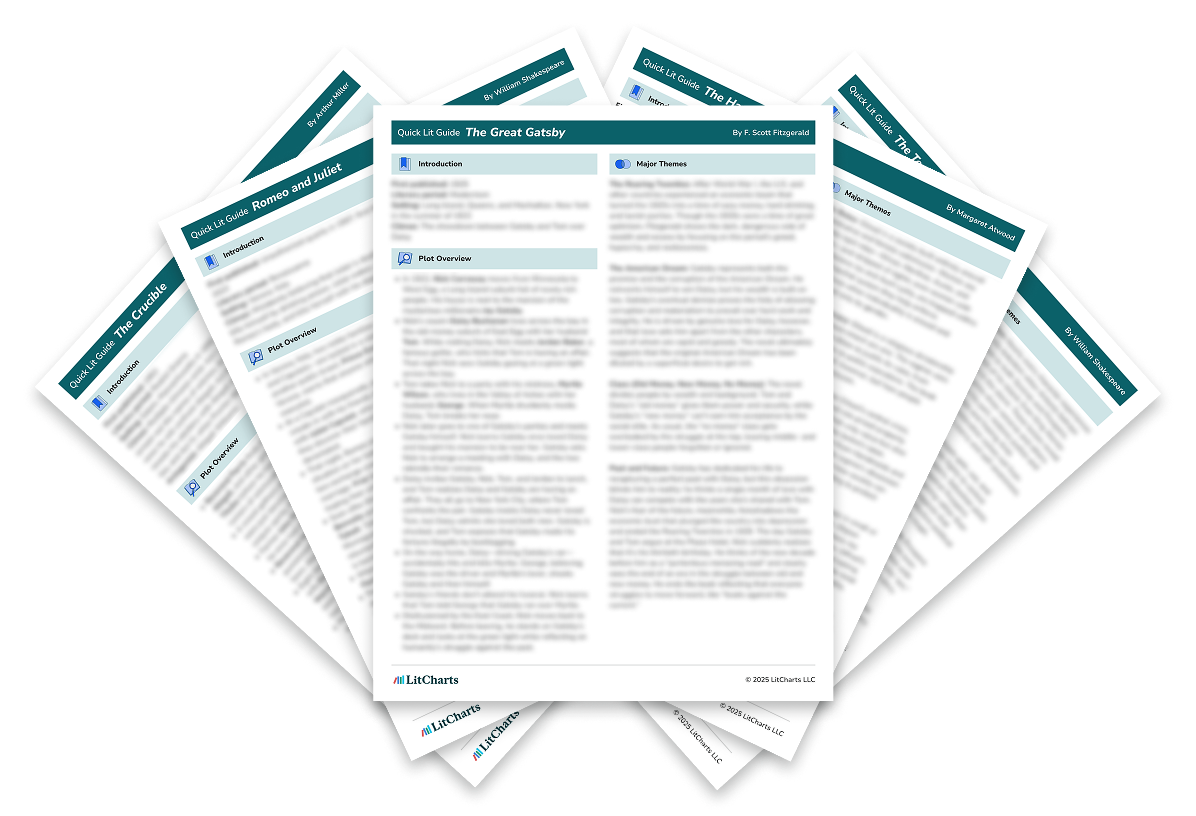
Literature Guide PDFs
LitCharts PDFs for every book you'll read this year.
Instant PDF downloads of all 2253 LitCharts literature guides and of every new one we publish. Try a free sample literature guide.
"Would not have made it through AP Literature without the printable PDFs. They're like having in-class notes for every discussion!"






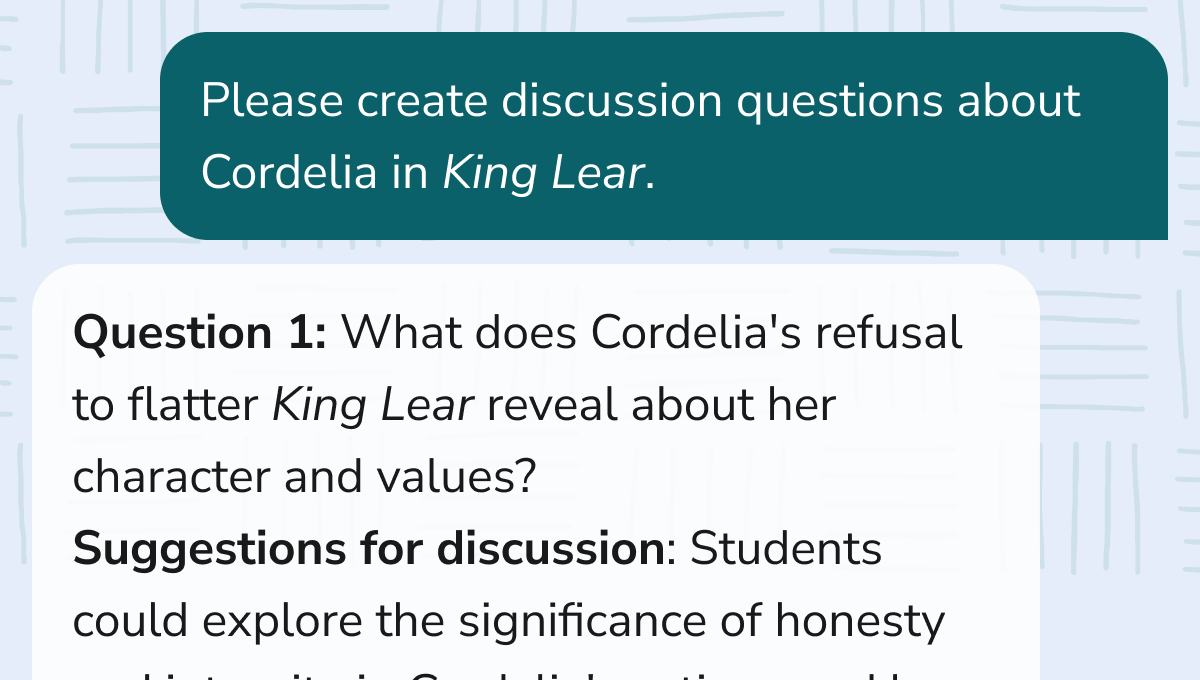
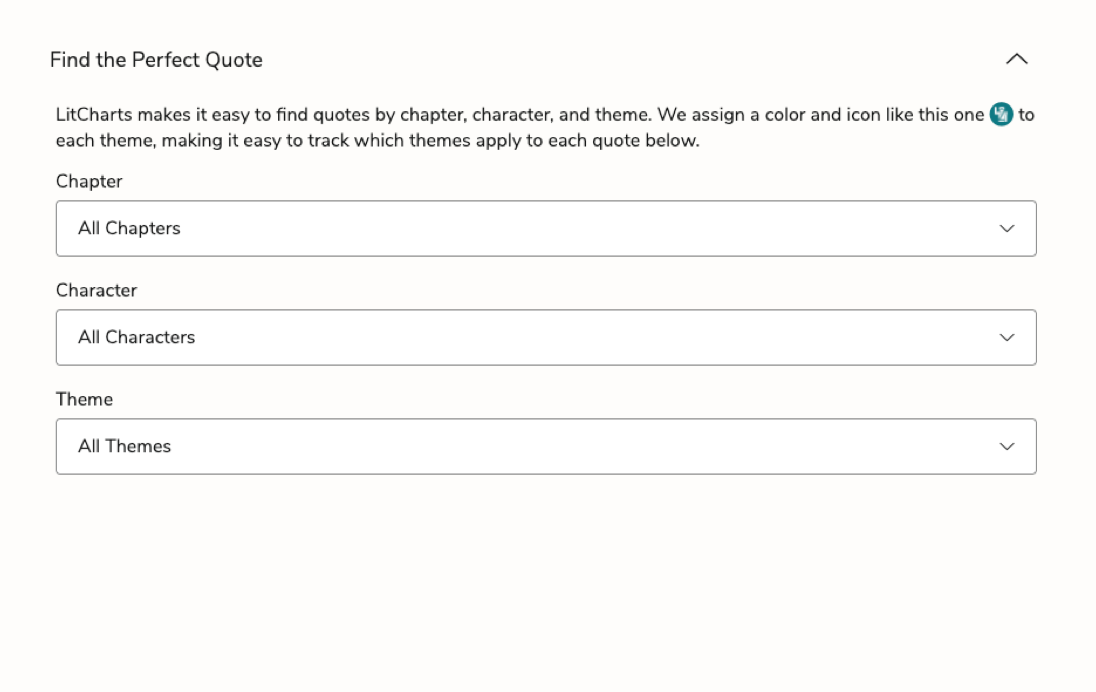
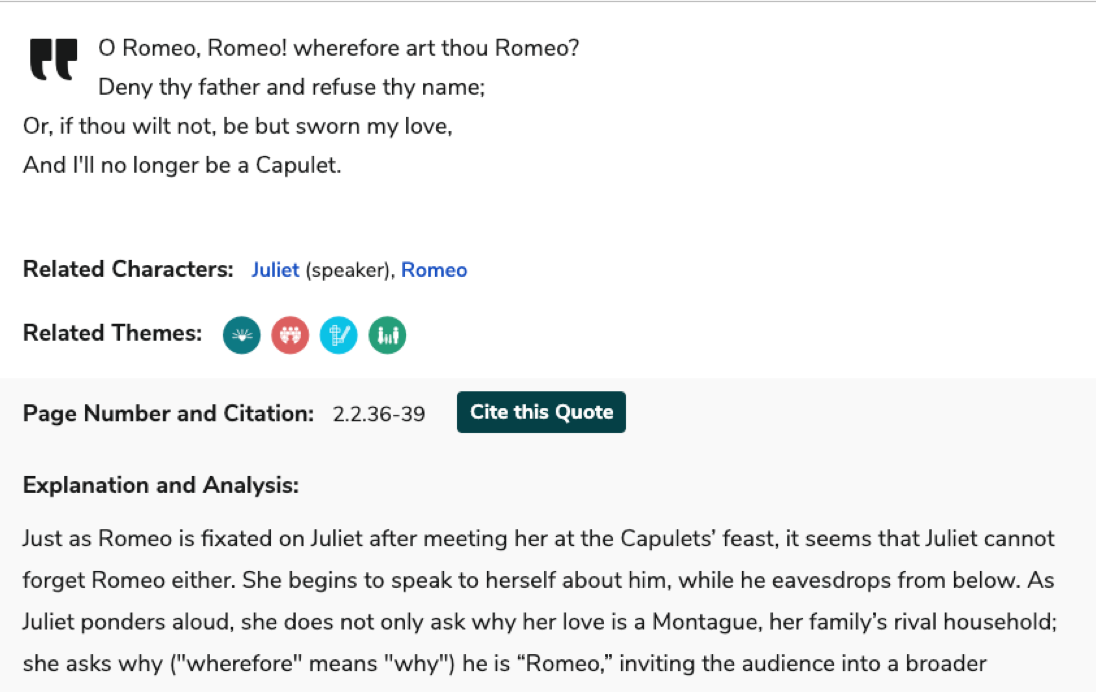
Quotes Explanations
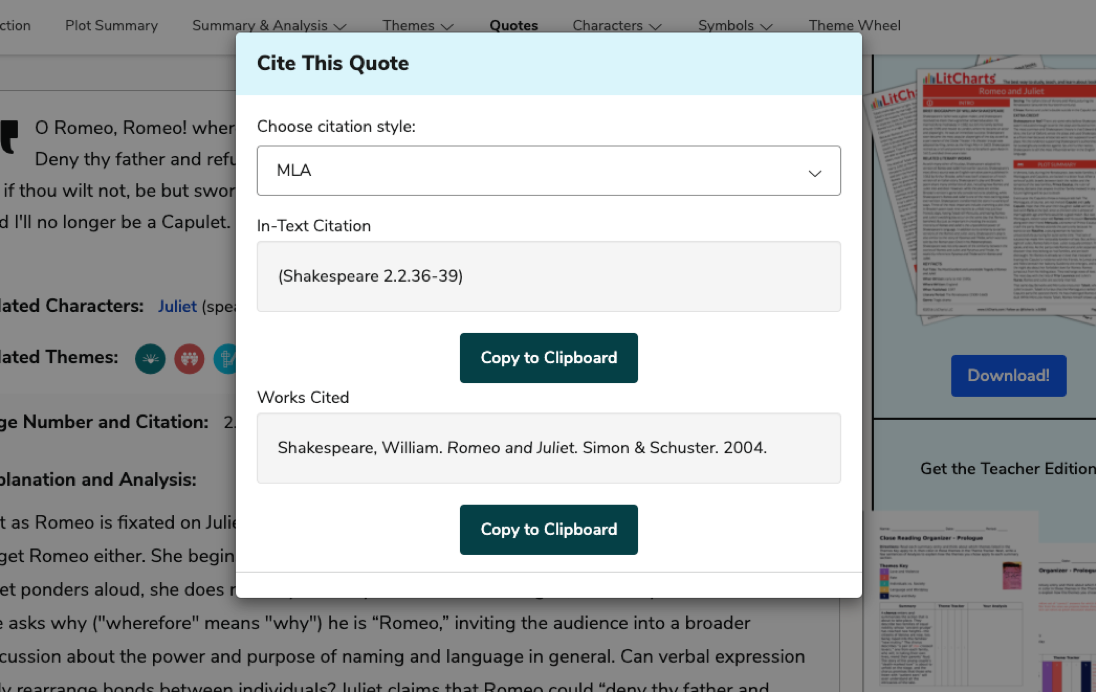
Find the perfect quote. Understand it perfectly. Then rock the citation, too.
For all 50,238 quotes we cover.
For all 50,238 quotes we cover.


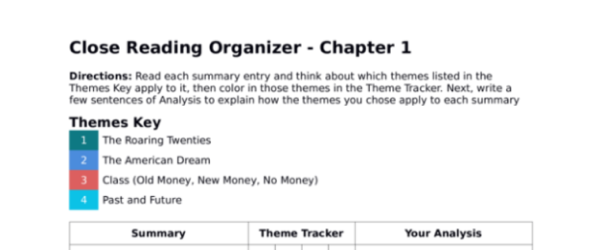
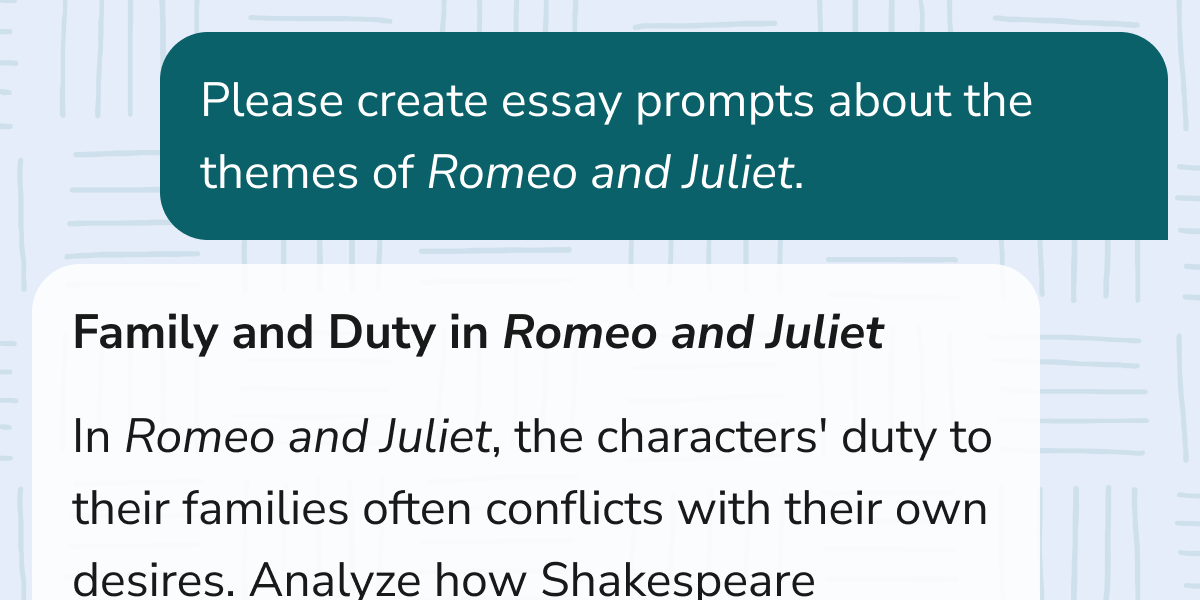
Teacher Editions
Close reading made easy for students.
Time saved for teachers.
For every book we cover.
Time saved for teachers.
For every book we cover.


Common Core-aligned


PDFs of modern translations of every one of Shakespeare's 37 plays, 154 sonnets, and 3 longer poems.

Literary Terms and Devices
Definitions and examples for every literary term and device you need to know.
Plus a quick-reference PDF with concise definitions of all 136 terms in one place.
Plus a quick-reference PDF with concise definitions of all 136 terms in one place.
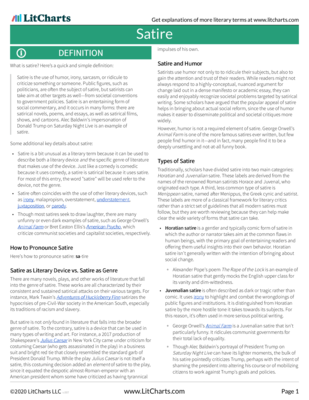
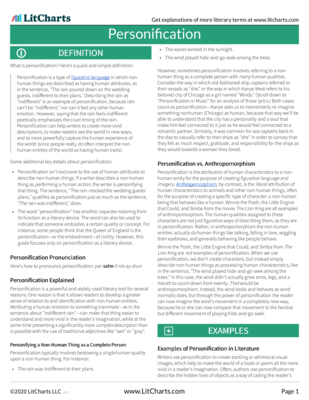
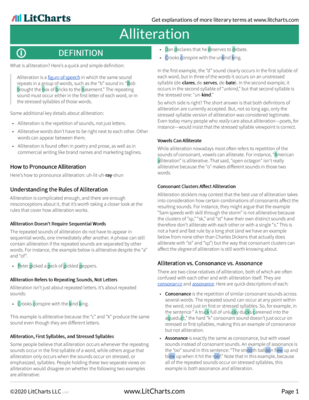
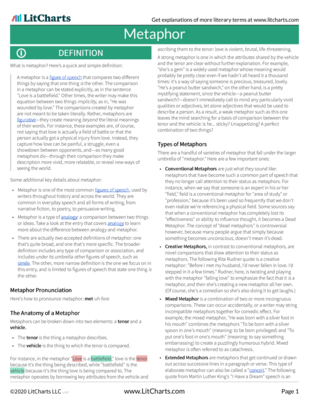
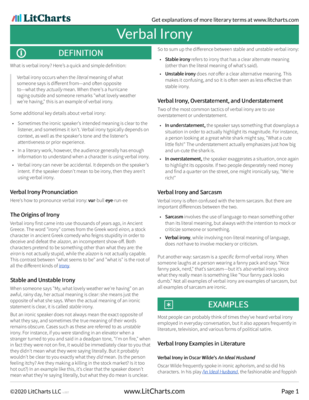
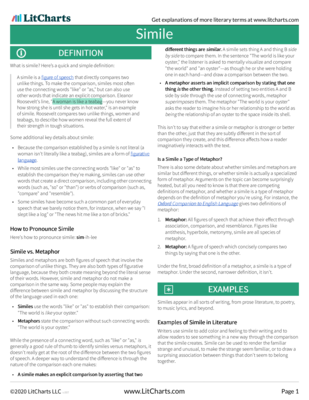
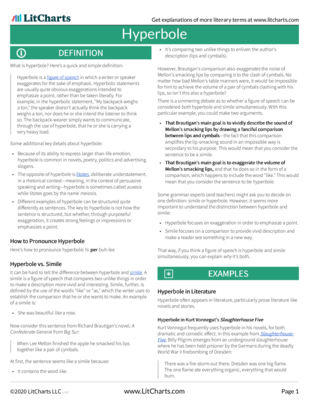
Try a free sample literary term PDF.


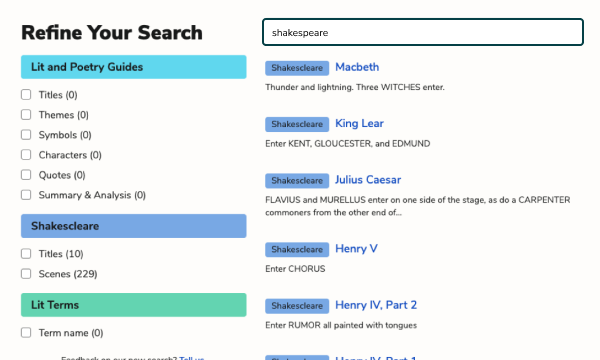
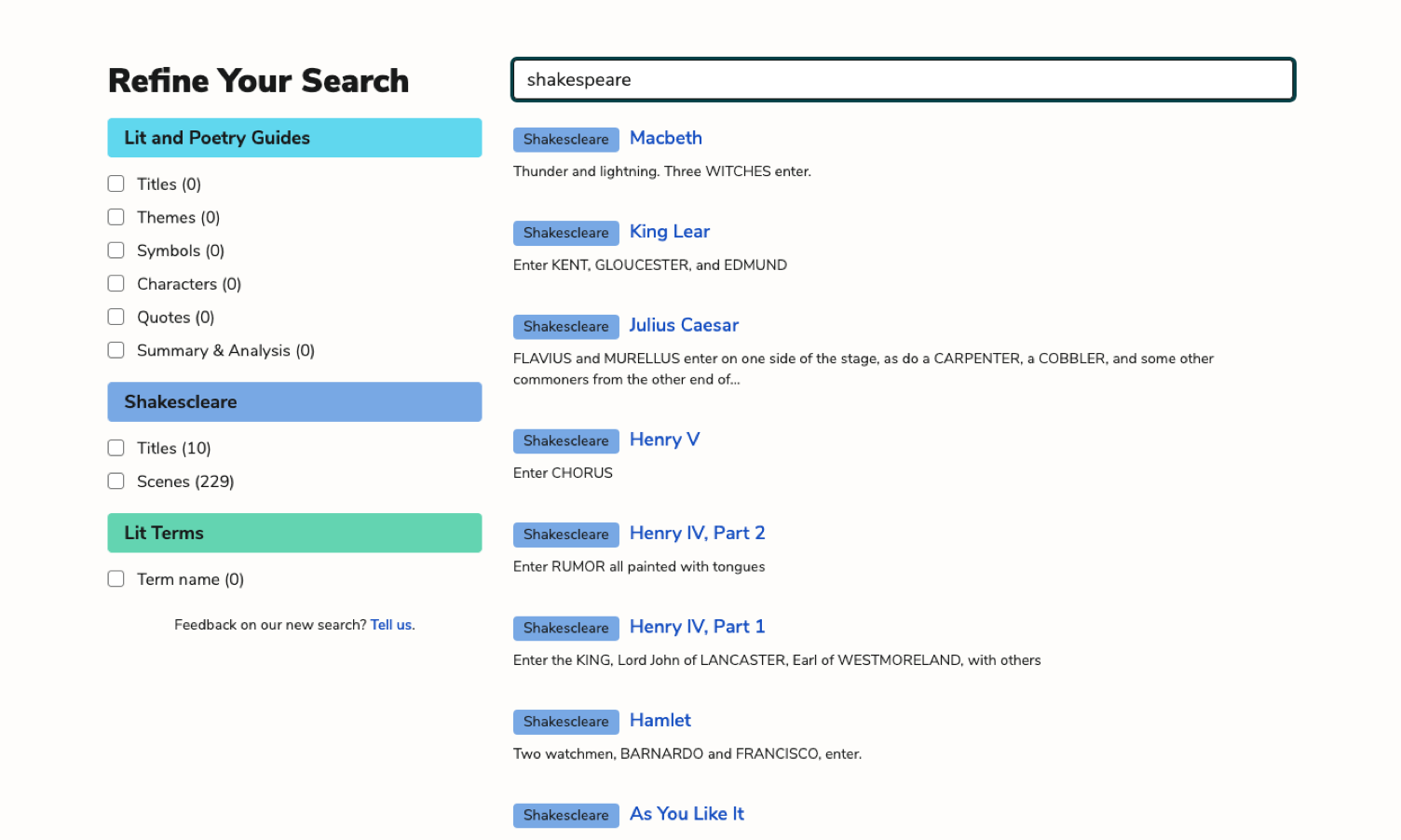
Advanced Search
Refine any search. Find related themes, quotes, symbols, characters, and more.

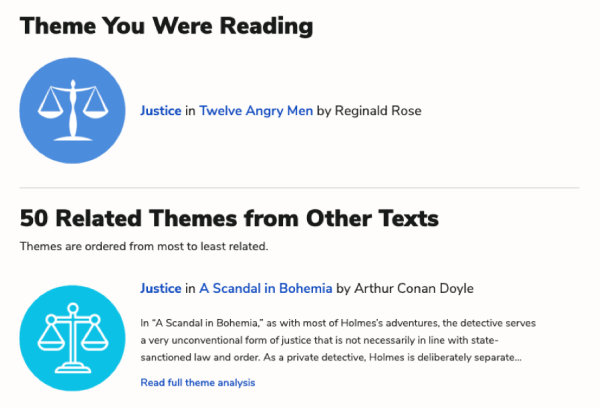
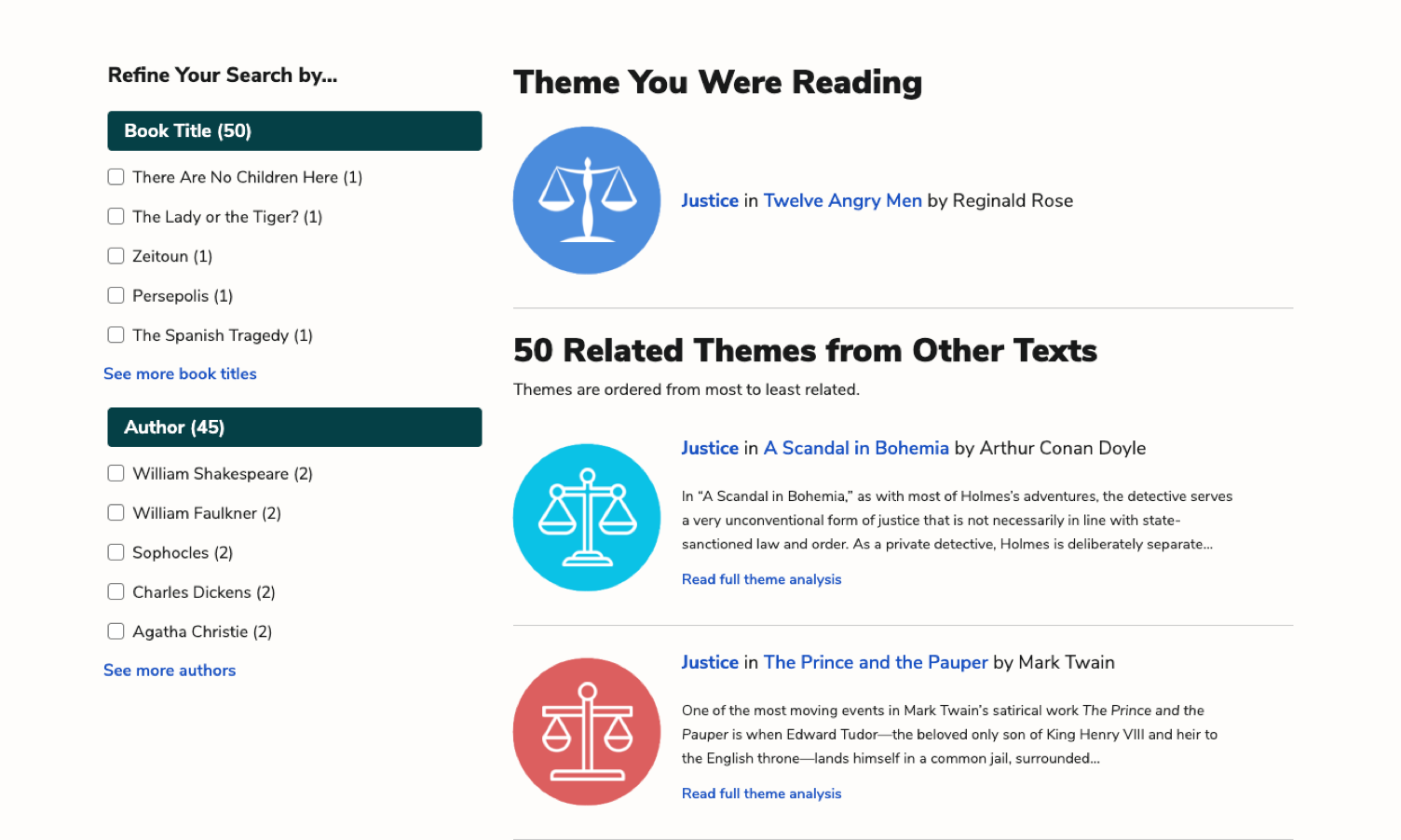
Related Themes
Comparing and contrasting texts? Find where any theme occurs across all of LitCharts in seconds.


Poetry Guides
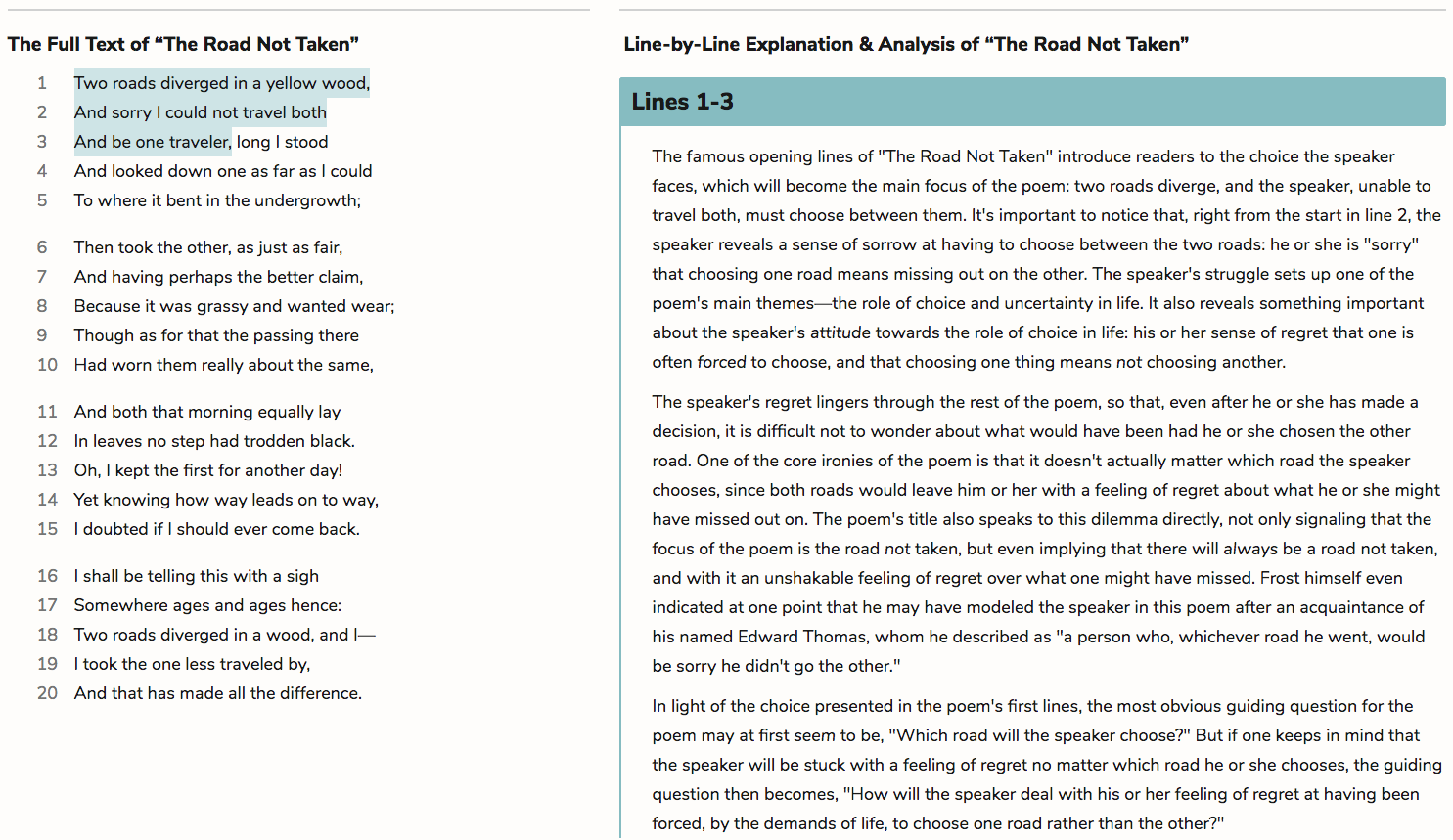
Line-by-line explanations and analysis of figurative language and poetic devices.
For every lyric poem we cover.
For every lyric poem we cover.