
|
Have questions?
Contact us
Already a member? Sign in
|
Get every literary device explanation for Hamlet
Plus so much more...
Sign up for LitCharts A+
Get instant access to every literary device explanation, plus so much more...
Soliloquy
Explanation and Analysis—Murder's Tongue:
Act 2, Scene 2 ends in a soliloquy from Hamlet in which he vows to use the players to find out whether his uncle is guilty. He berates himself for his previous inactivity and feels a sense of guilt, as though he has been a bad son for feeling unable to kill or confront his uncle. He runs over the plan in his mind and convinces himself that it will give him the opportunity to ascertain whether his uncle committed the deed he has been accused of. Using the players is the best way to do this, Hamlet says: "For murder, though it have no tongue, will speak / With most miraculous organ."
In this speech, Hamlet personifies murder by describing it as tongueless. Even though murder doesn’t have a tongue, Hamlet is convinced that murder will speak. He is convinced that if he puts on the play, he will give murder itself the agency to act through the players. If the players reenact the murderous act, Hamlet believes that murder will speak its truth and reveal the king’s misdeeds. Personifying murder this way helps communicate Hamlet’s obsession with the violence that predates the play’s plot. Through his speech, Hamlet is making murder out to be a character with agency and affect. His personification of murder gives it more power and lets it loom large in the audience’s imagination. It also makes it clear that Hamlet feels powerless against the larger forces at work, that he sees murder as a power separate from his uncle as an individual actor. His attitude and fearfulness are informed by this belief.
Monthly
Annual (Best Value)

$595USD/mo
Charged $71.40 USD every year
 Teacher
$795USD/mo
Charged $95.40 USD every year
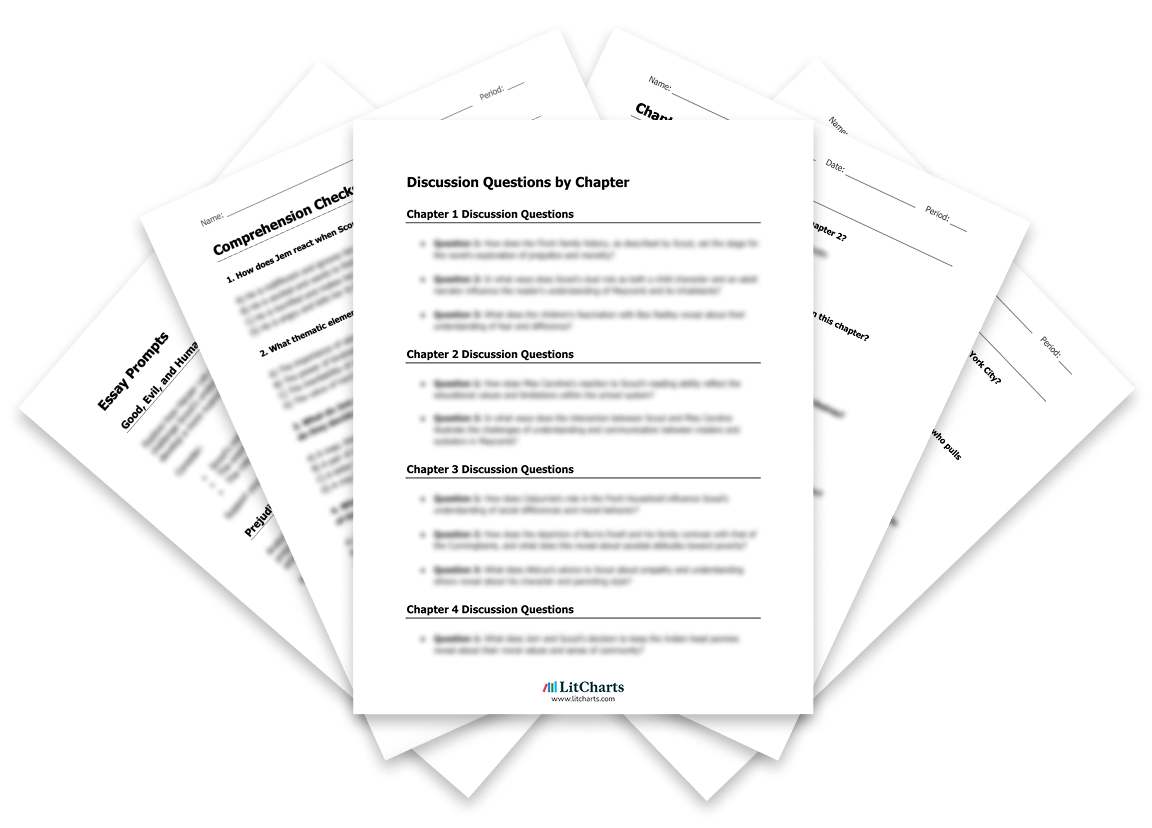


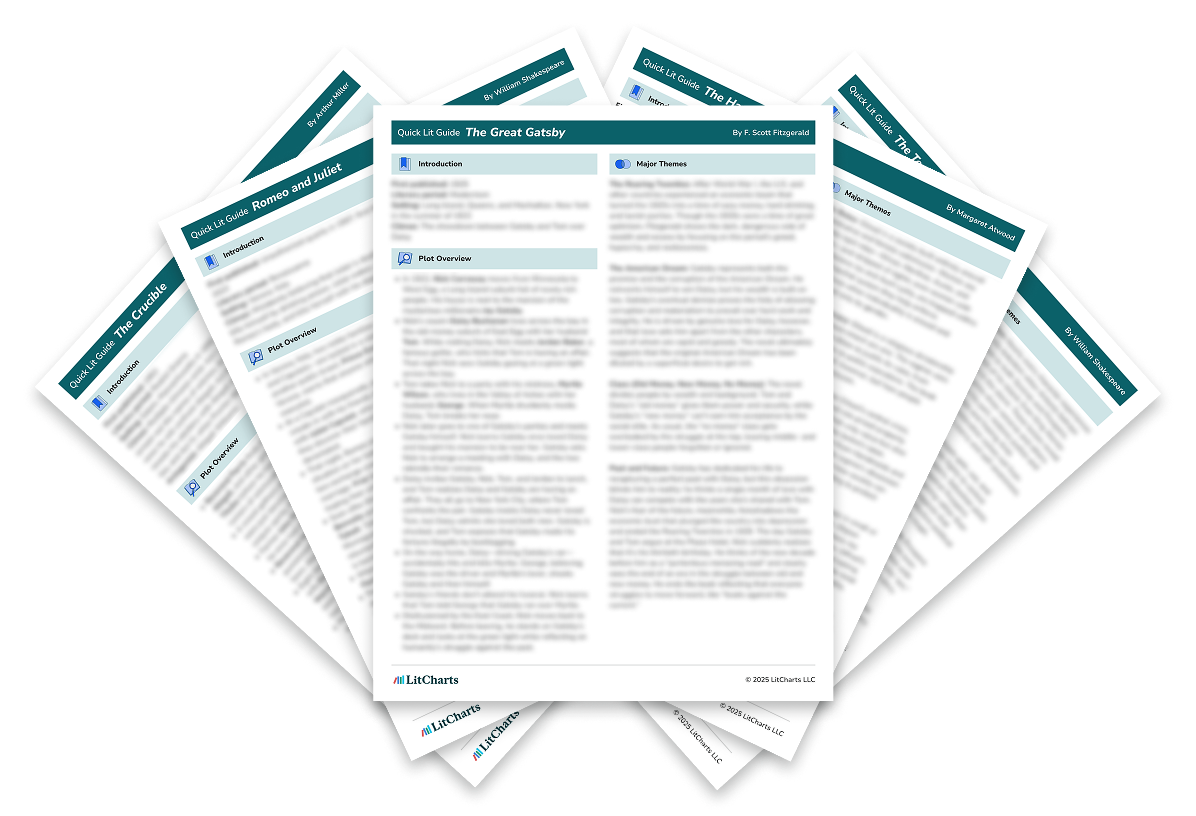
Literature Guide PDFs
LitCharts PDFs for every book you'll read this year.
Instant PDF downloads of all 2253 LitCharts literature guides and of every new one we publish. Try a free sample literature guide.
"Would not have made it through AP Literature without the printable PDFs. They're like having in-class notes for every discussion!"







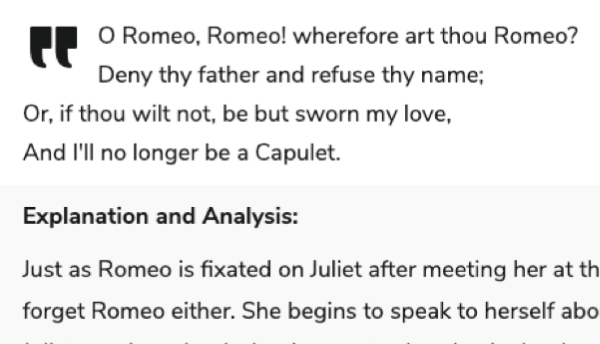
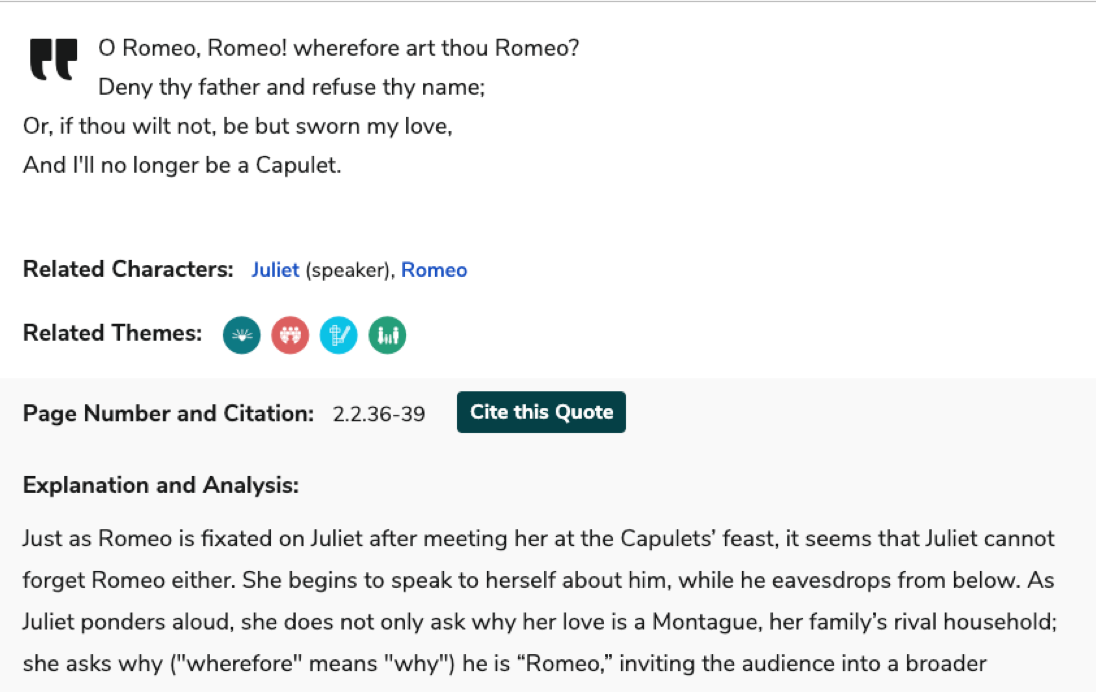
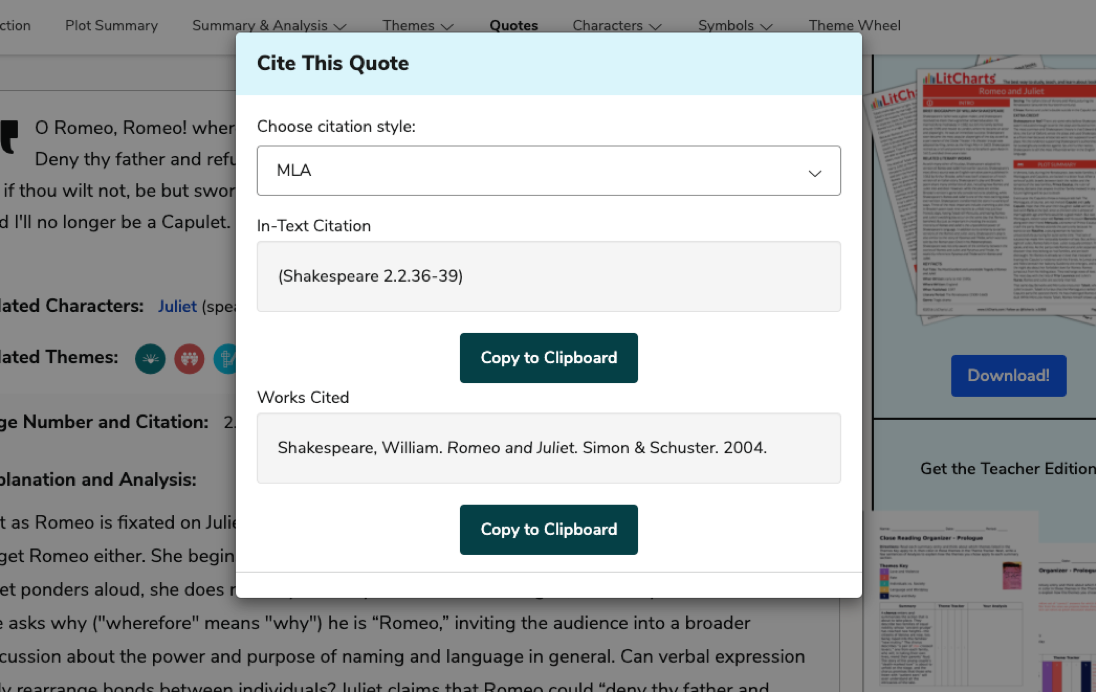
Quotes Explanations
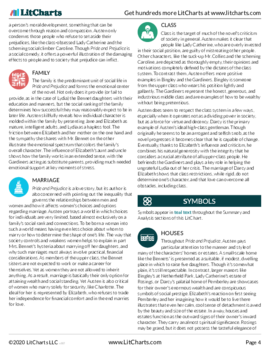
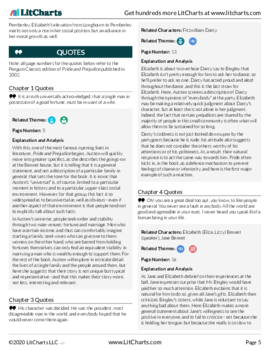
Find the perfect quote. Understand it perfectly. Then rock the citation, too.
For all 50,238 quotes we cover.
For all 50,238 quotes we cover.


Teacher Editions
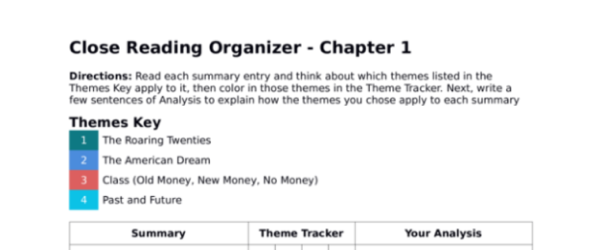
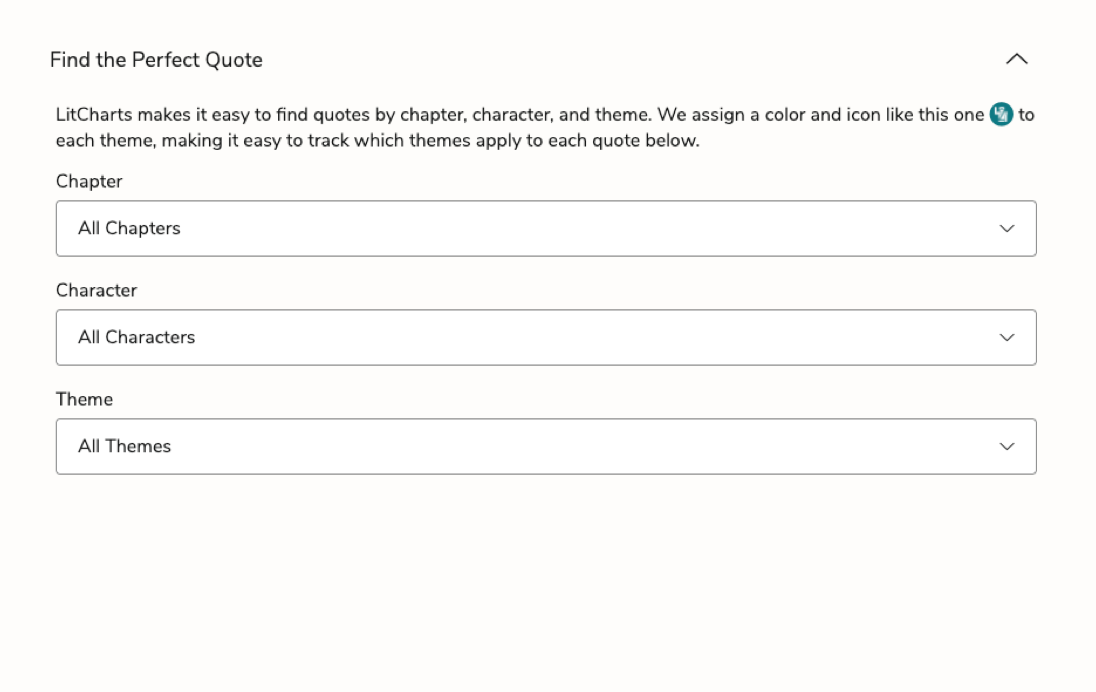
Close reading made easy for students.
Time saved for teachers.
For every book we cover.
Time saved for teachers.
For every book we cover.


Common Core-aligned


PDFs of modern translations of every one of Shakespeare's 37 plays, 154 sonnets, and 3 longer poems.

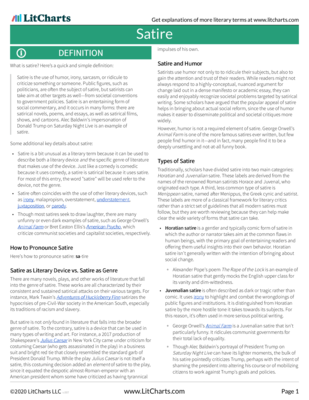
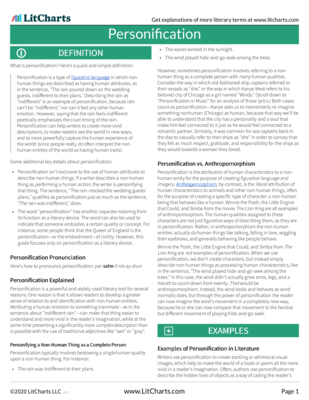
Literary Terms and Devices
Definitions and examples for every literary term and device you need to know.
Plus a quick-reference PDF with concise definitions of all 136 terms in one place.
Plus a quick-reference PDF with concise definitions of all 136 terms in one place.
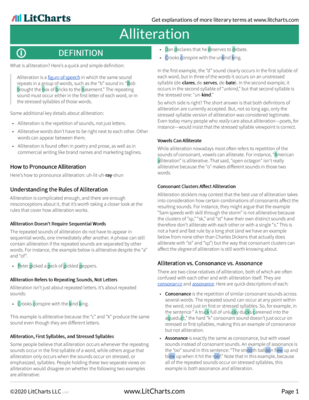
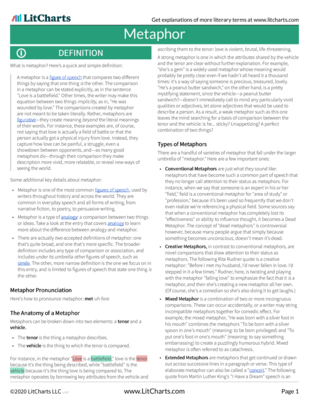
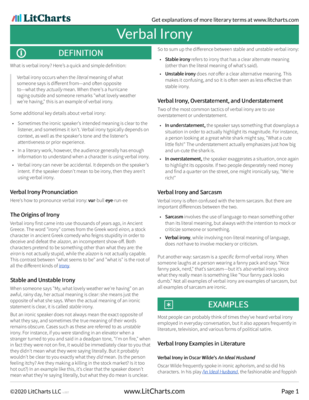
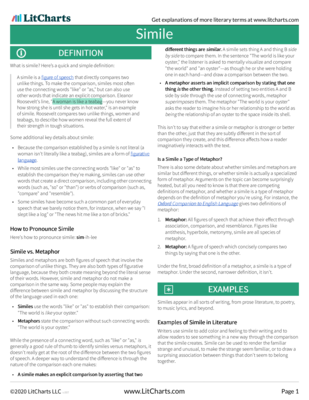
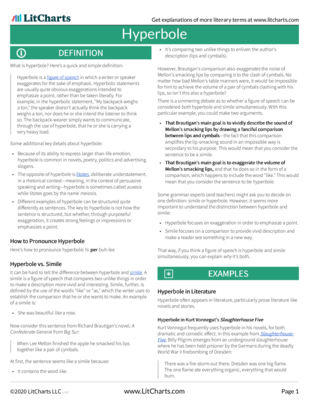
Try a free sample literary term PDF.


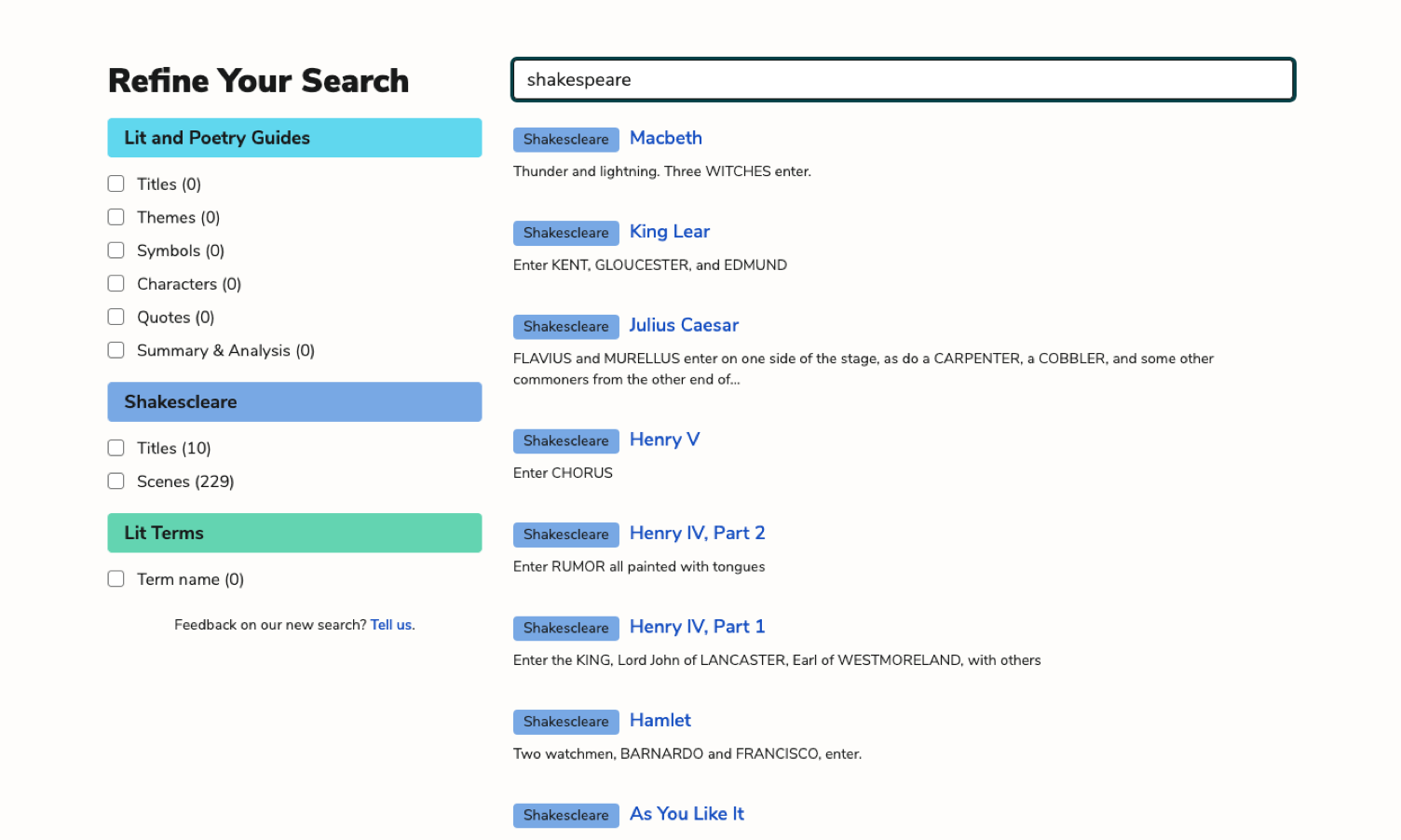
Advanced Search
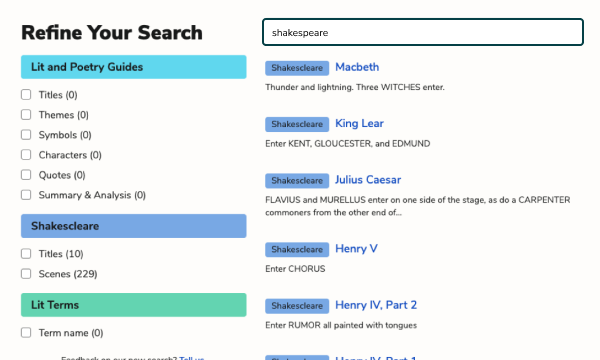
Refine any search. Find related themes, quotes, symbols, characters, and more.

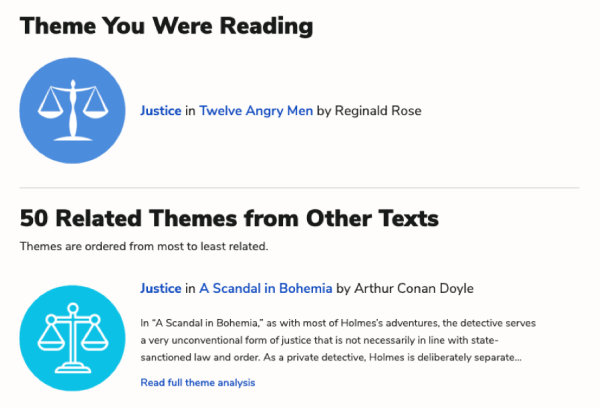
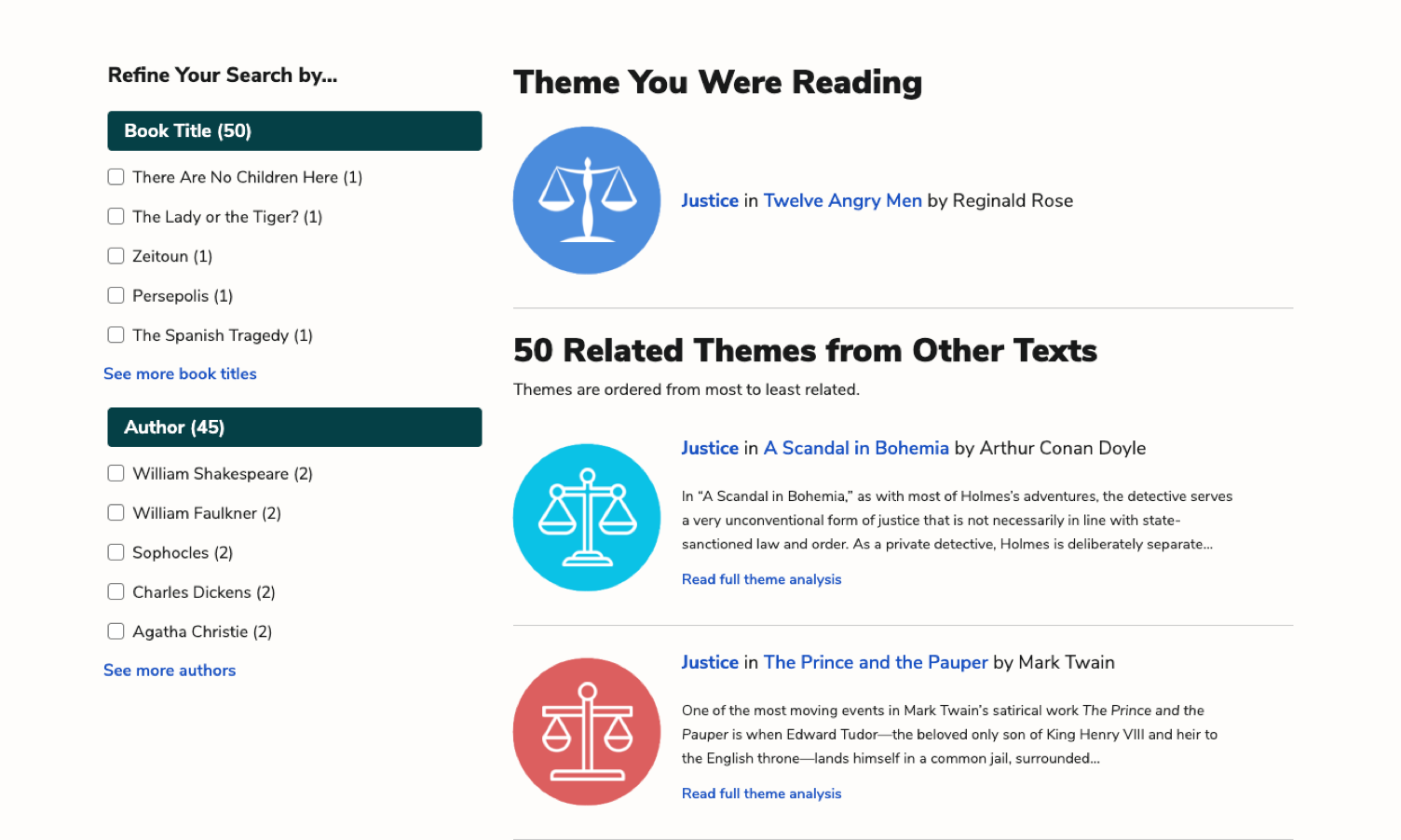
Related Themes
Comparing and contrasting texts? Find where any theme occurs across all of LitCharts in seconds.


Poetry Guides
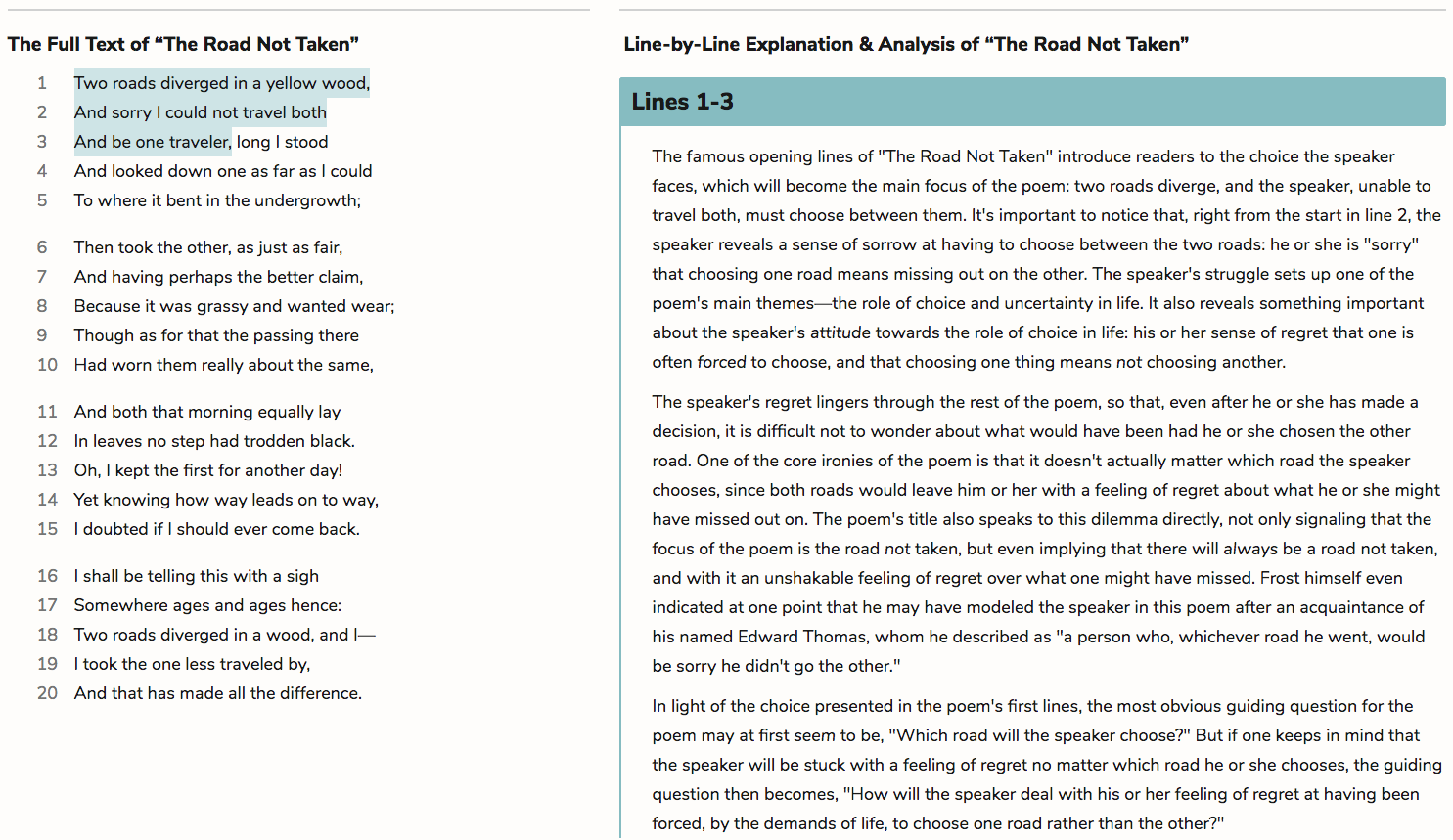
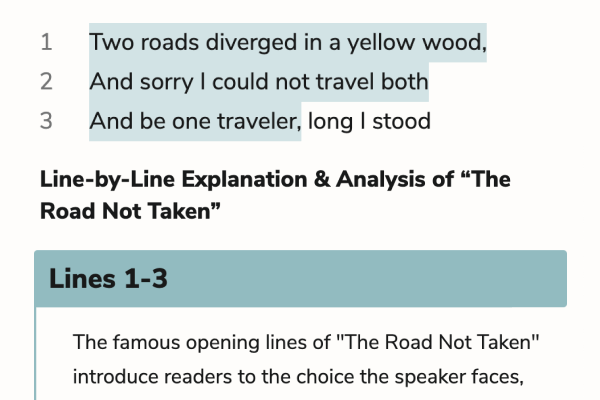
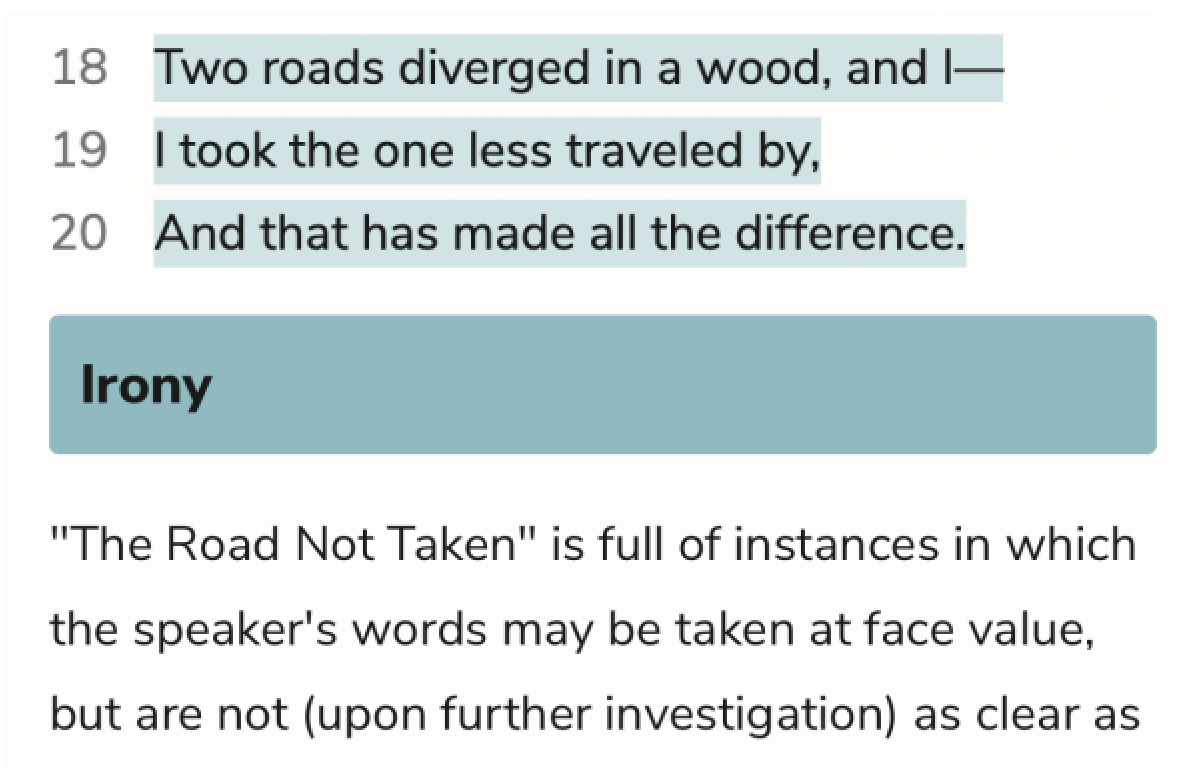
Line-by-line explanations and analysis of figurative language and poetic devices.
For every lyric poem we cover.
For every lyric poem we cover.