
|
Have questions?
Contact us
Already a member? Sign in
|
Get every literary device explanation for Everyman
Plus so much more...
Sign up for LitCharts A+
Get instant access to every literary device explanation, plus so much more...
Soliloquy
Explanation and Analysis—God's Lament:
In the soliloquy that opens the play, God reflects unhappily upon his creation of humanity, chastising humans for the spiritually impoverished attitudes and conduct that he has observed on Earth:
How that all creatures be to me unkind,
Living without dread in worldly prosperity:
Of ghostly sight the people be so blind,
Drowned in sin, they know me not for their God;
In worldly riches is all their mind,
They fear not my rightwiseness, the sharp rod;
My law that I shewed, when I for them died,
They forget clean, and shedding of my blood red;
I hanged between two, it cannot be denied;
To get them life I suffered to be dead;
I healed their feet, with thorns hurt was my head.
God argues that humans are “unkind” to him, having lost their fear of eternal damnation and therefore failing to uphold his commandments. Because they are distracted by riches, or “worldly prosperity,” they have become “blind” to God and no longer worship him, nor do they even recognize him as their creator. In keeping with the Christian notion of the Trinity (made up of the Father, the Son, and the Holy Spirit), God notes that he and Jesus Christ are one in the same, reflecting upon the execution and resurrection of Christ as described in the Bible. “To get them life,” God states, “I suffered to be dead.” In this soliloquy, then, God argues that the painful crucifixion of Christ was a self-sacrifice for humanity that has been forgotten about by those currently living.
Monthly
Annual (Best Value)

$595USD/mo
Charged $71.40 USD every year
 Teacher
$795USD/mo
Charged $95.40 USD every year
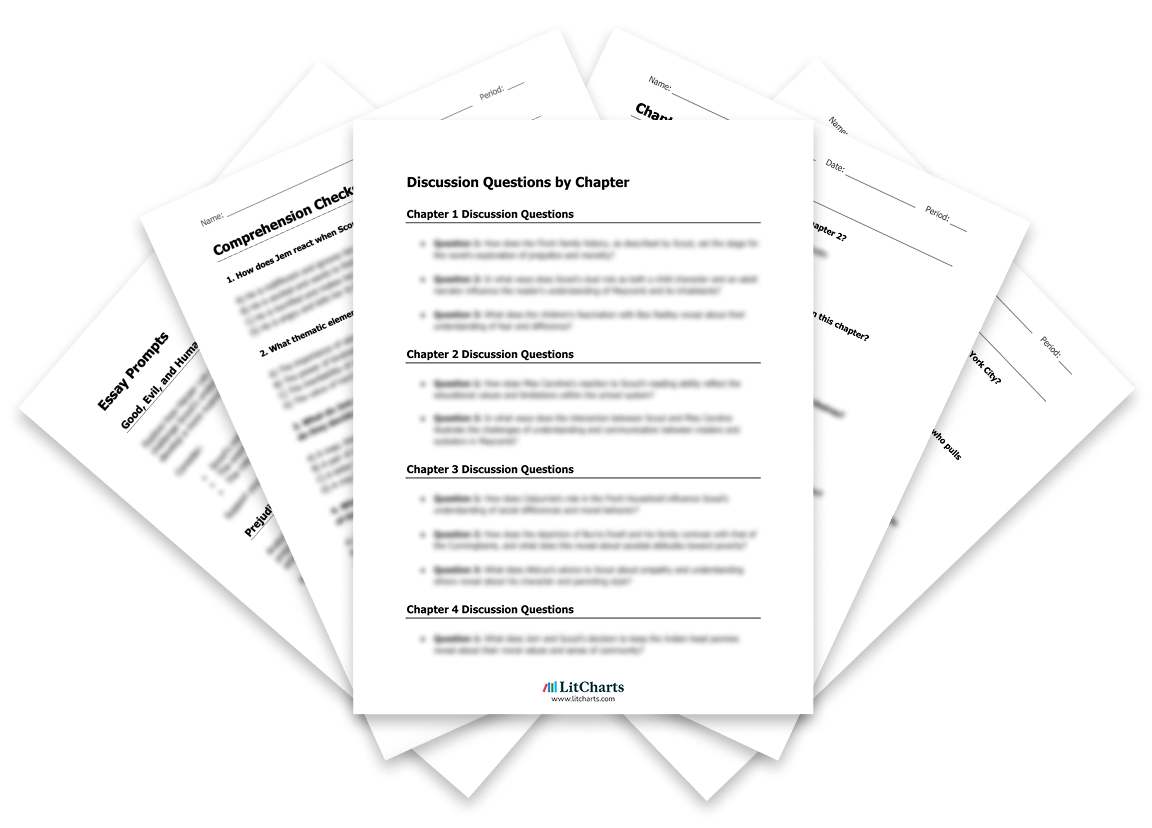


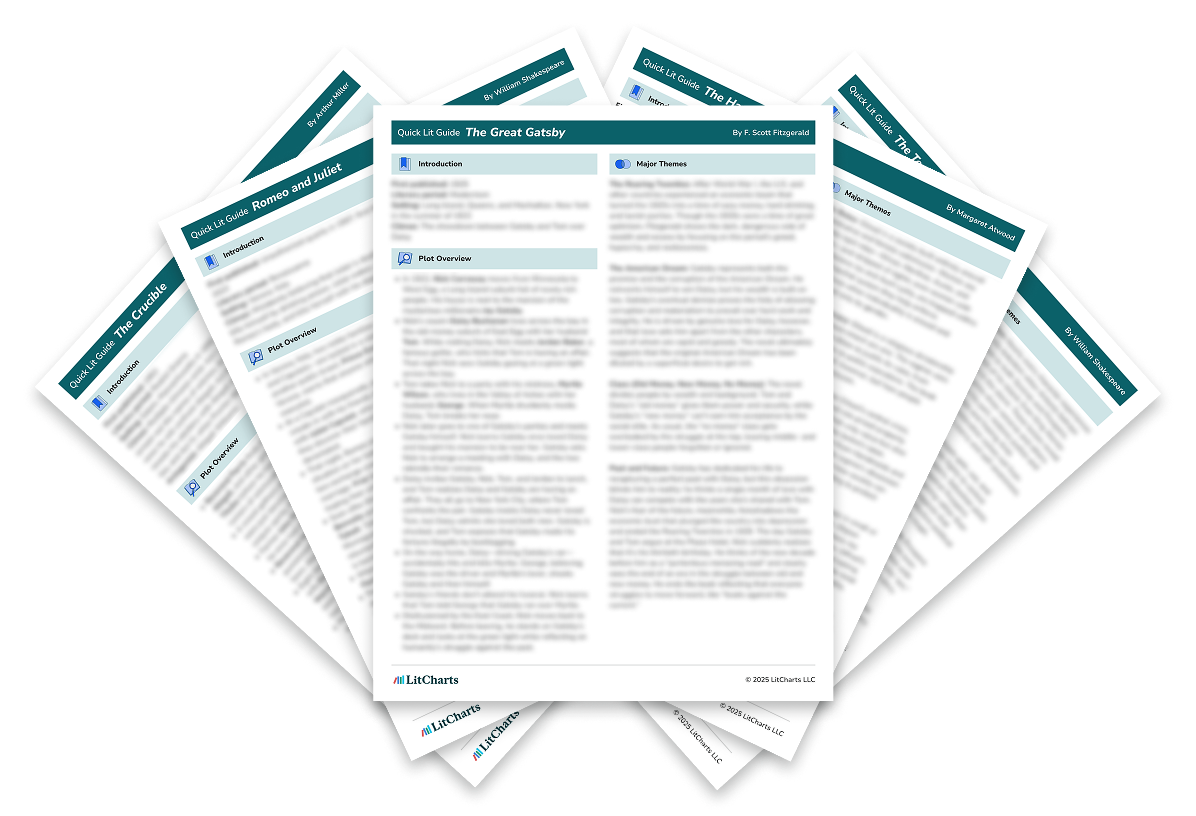
Literature Guide PDFs
LitCharts PDFs for every book you'll read this year.
Instant PDF downloads of all 2256 LitCharts literature guides and of every new one we publish. Try a free sample literature guide.
"Would not have made it through AP Literature without the printable PDFs. They're like having in-class notes for every discussion!"






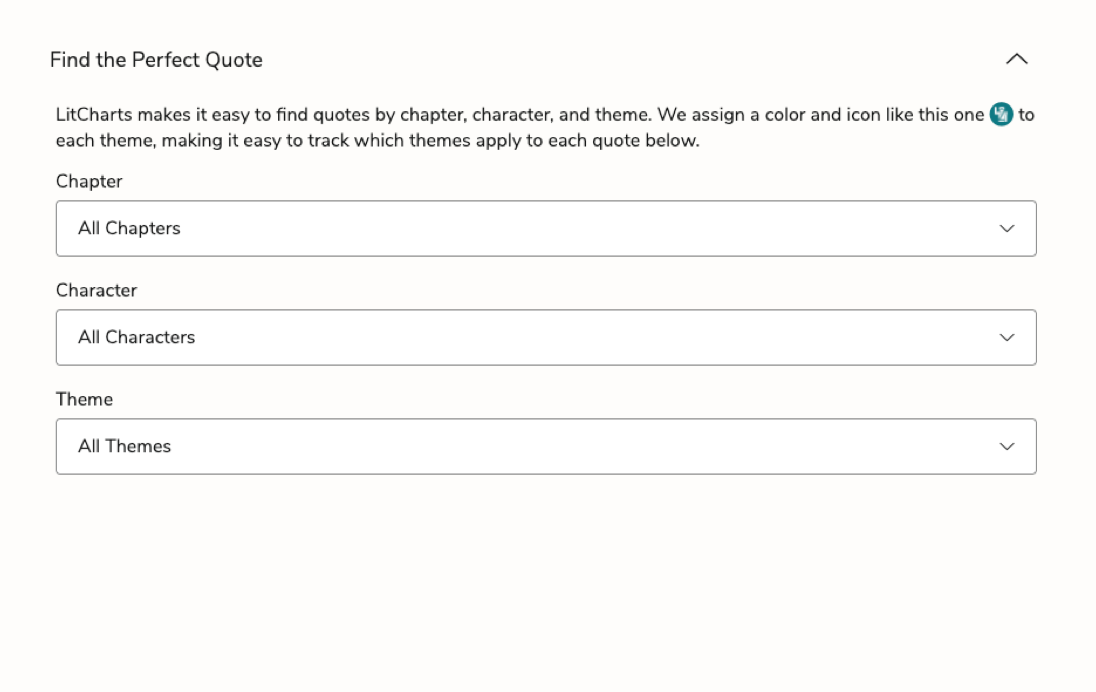
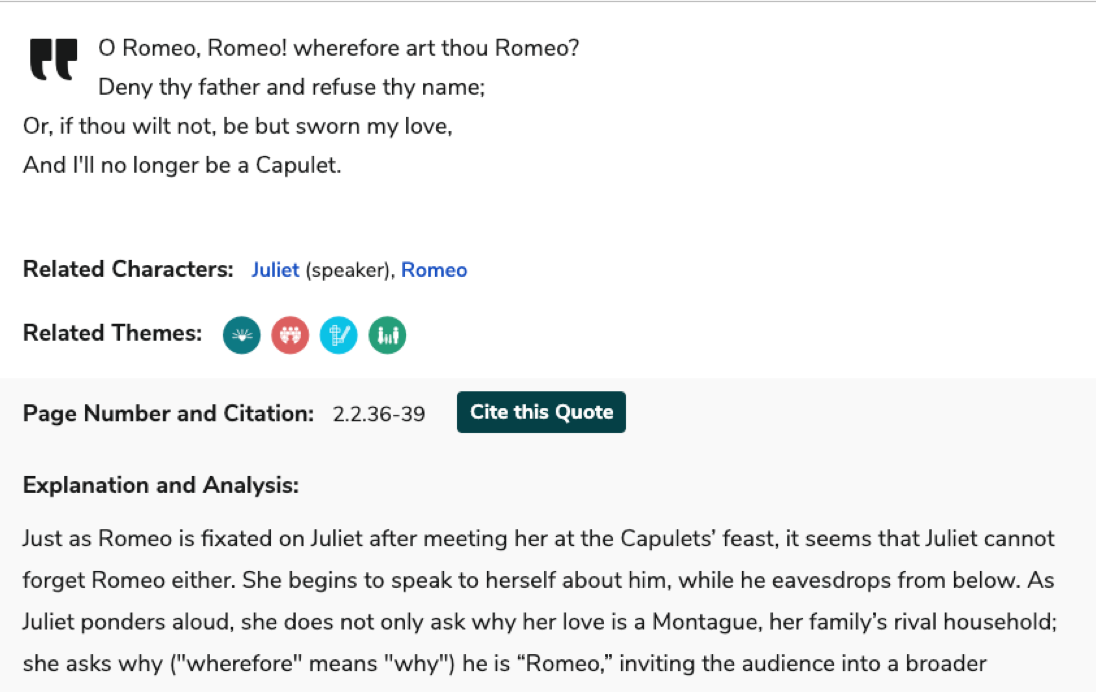
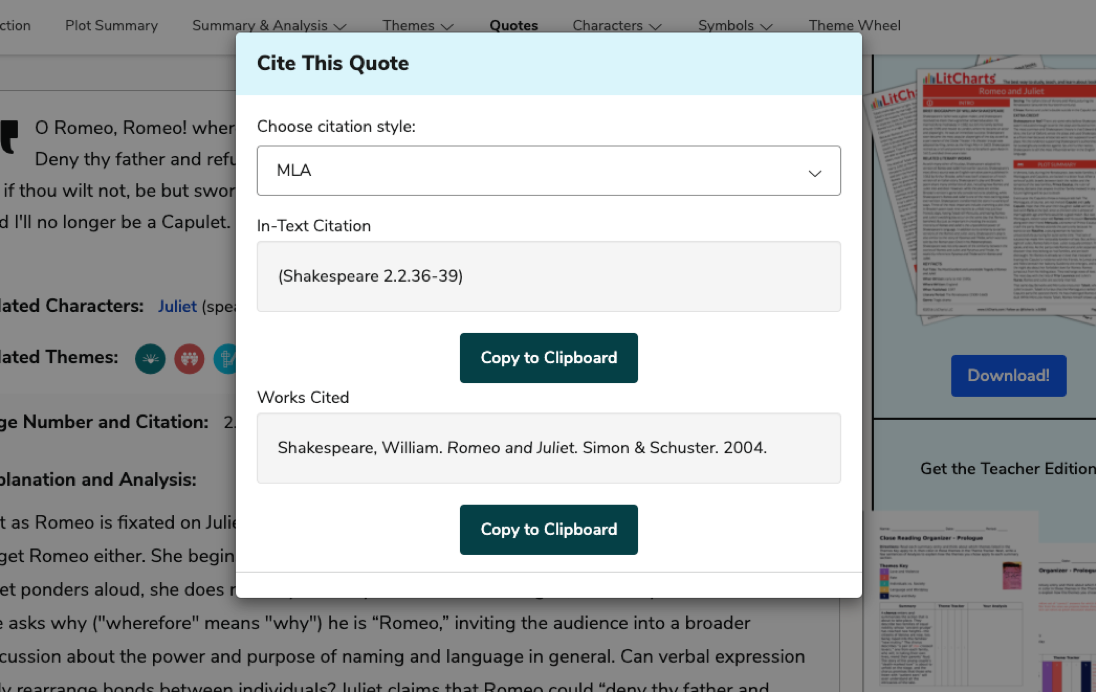
Quotes Explanations
Find the perfect quote. Understand it perfectly. Then rock the citation, too.
For all 50,308 quotes we cover.
For all 50,308 quotes we cover.


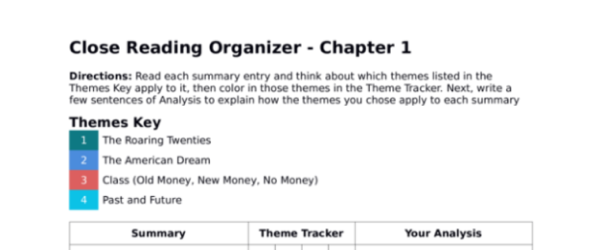
Teacher Editions
Close reading made easy for students.
Time saved for teachers.
For every book we cover.
Time saved for teachers.
For every book we cover.


Common Core-aligned


PDFs of modern translations of every one of Shakespeare's 37 plays, 154 sonnets, and 3 longer poems.

Literary Terms and Devices
Definitions and examples for every literary term and device you need to know.
Plus a quick-reference PDF with concise definitions of all 136 terms in one place.
Plus a quick-reference PDF with concise definitions of all 136 terms in one place.
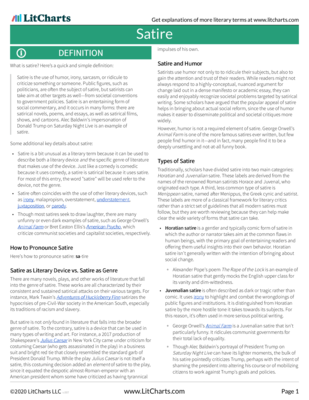
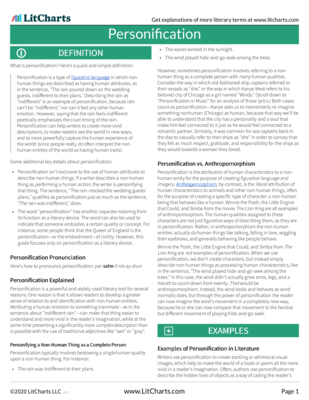
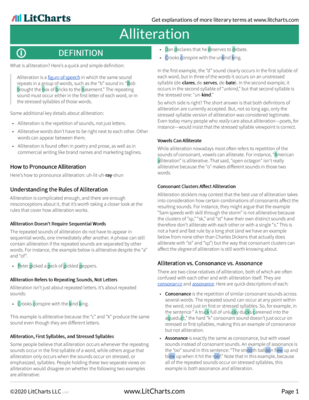
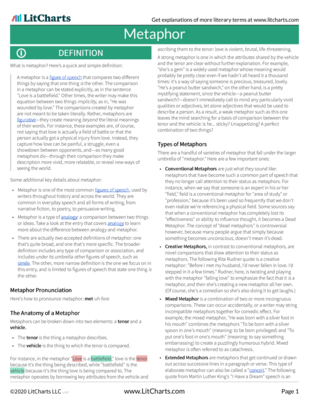
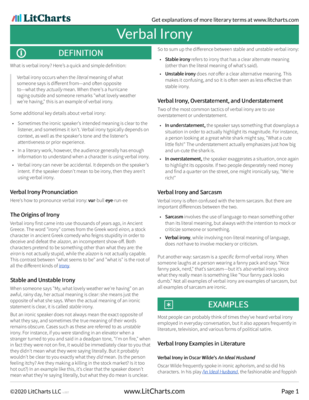
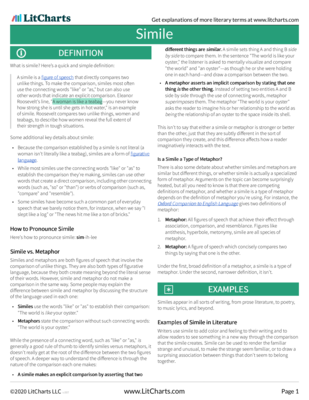
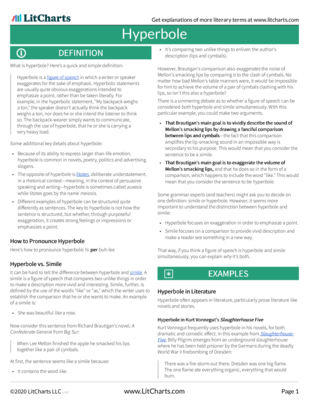
Try a free sample literary term PDF.


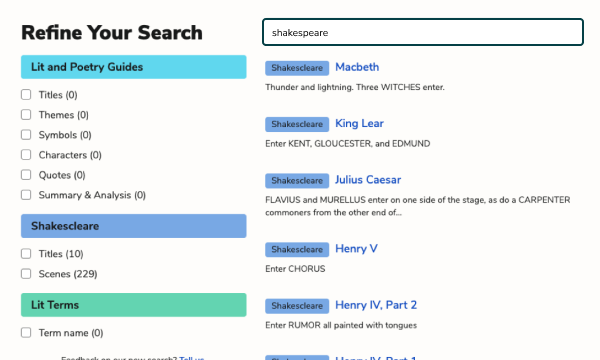
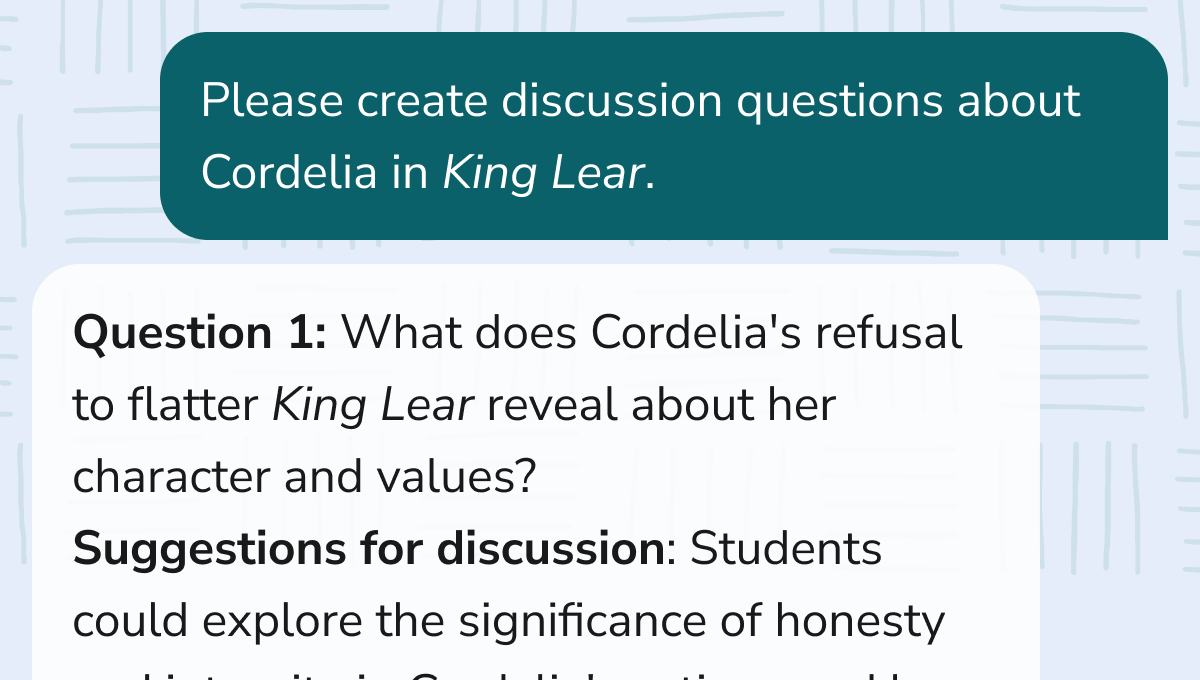
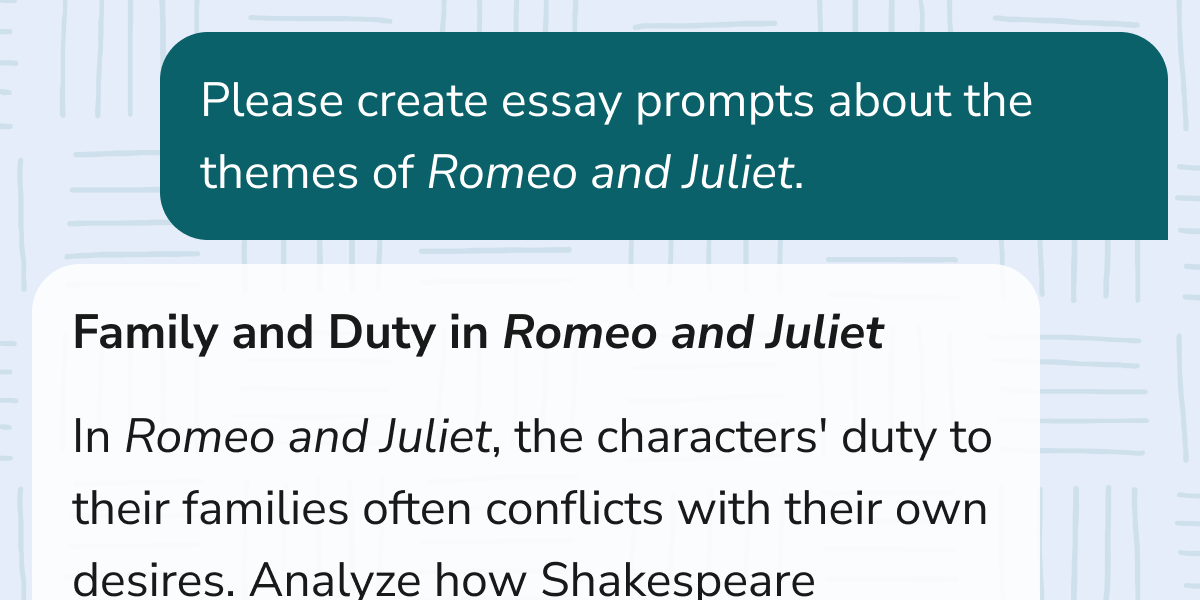
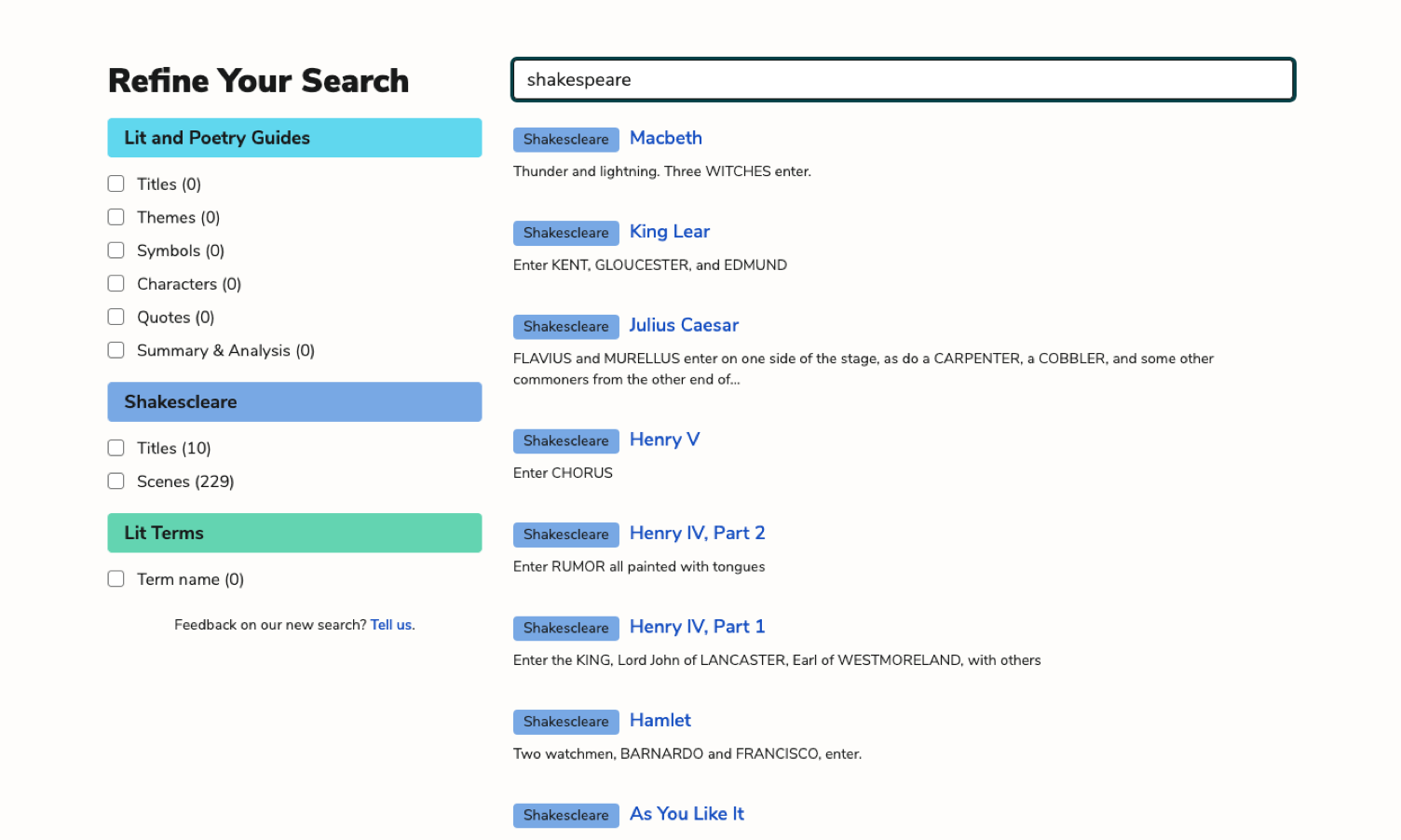
Advanced Search
Refine any search. Find related themes, quotes, symbols, characters, and more.

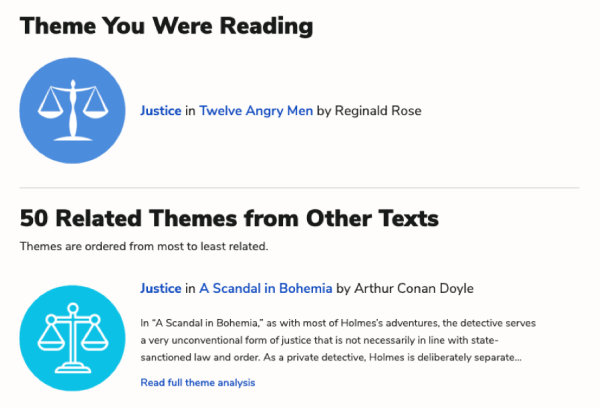
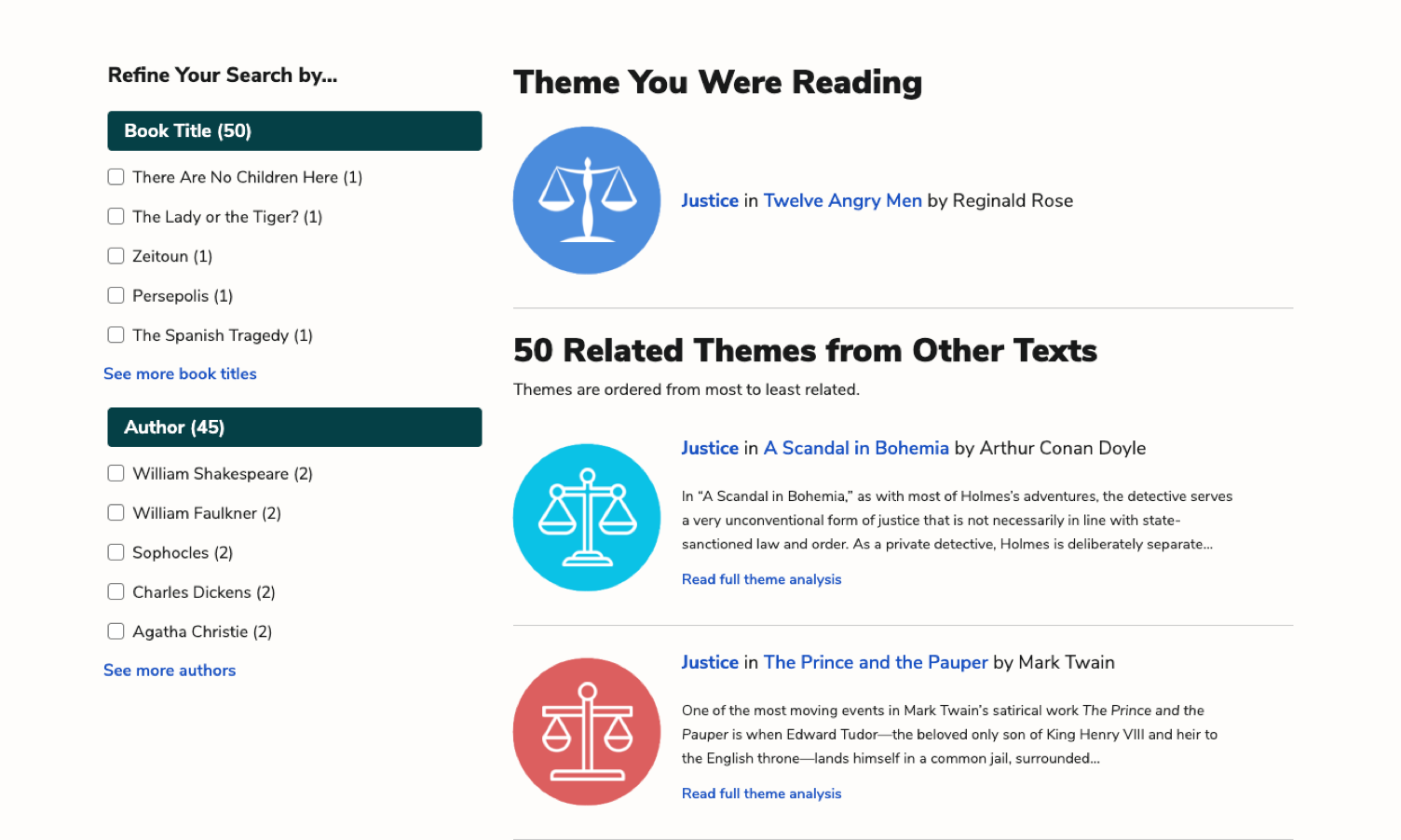
Related Themes
Comparing and contrasting texts? Find where any theme occurs across all of LitCharts in seconds.


Poetry Guides
Line-by-line explanations and analysis of figurative language and poetic devices.
For every lyric poem we cover.
For every lyric poem we cover.