
The LitCharts.com logo. Have questions? Contact us
Already a member? Sign in
Sign in
Get every literary device explanation for EmmaPlus so much more...
Sign up for LitCharts A+Get instant access to every literary device explanation, plus so much more...
Style
Explanation and Analysis:

Emma is written in the third-person omniscient point of view, meaning the narrator knows various characters' thoughts and feelings, though they spend the most time with Emma (and, to a much lesser extent, Knightley). Throughout the novel, Austen uses a technique called “free indirect discourse,” whereby Emma’s thoughts and the third person omniscient narrator’s commentary tend to merge, such as in the following passage from Chapter 30 when Emma reflects on Frank’s feelings for her:

He stopt again, rose again, and seemed quite embarrassed.—He was more in love with her than Emma had supposed; and who can say how it might have ended, if his father had not made his appearance? Mr. Woodhouse soon followed; and the necessity of exertion made him composed.

Though Emma believes that Frank is in love with her at this point in the novel, it is revealed later that he has been in love with Jane the entire time. This excerpt is an example of free indirect discourse because, though the narrator is omniscient (and therefore has access to Frank’s inner thoughts about how he is not in love with Emma), they still describe the scene as if from Emma’s limited perspective, writing, “He was more in love with her than Emma had supposed” as if it were fact. This creates tension such that readers fully believe Emma’s misperceptions alongside her and, later, have to confront her pride and vanity along with her, too.

Another notable aspect of Austen’s style is that in both dialogue and strict narration, she uses dashes to capture anxious and hurried thoughts or conversations. For example, here is Emma worrying about how her father will react to her engagement to Knightley in Chapter 53:

Did not he love Mr. Knightley very much?—He would not deny that he did, she was sure.—Whom did he ever want to consult on business but Mr. Knightley?—Who was so useful to him, who so ready to write his letters, who so glad to assist him?—Who so cheerful, so attentive, so attached to him?—Would not he like to have him always on the spot?—Yes. That was all very true.

The dashes in this paragraph communicate that Emma’s thoughts are racing, as each thought cuts off the previous one.

Overall, like in Austen’s other novels, she spends much more time capturing her characters' thoughts and the social dynamics of the interactions between them than using lyrical language or flowery imagery to describe the world around them.

Monthly
Annual (Best Value)
A+ logo.
$595USD/mo
Charged $71.40 USD every year
  • Quote explanations & citation info
    Arrow Icon

    Find the perfect quote

    Then understand it perfectly. And get the citation, too. For all 35,000+ quotes we cover.

    Quote explanations & citation info
  • Every PDF download
    Arrow Icon

    Printable PDFs for every guide

    "Would not have made it through without the printable PDFs. They're like having in-class notes for every discussion!"

    – LitCharts A⁺ user

    Every PDF download
  • One-page Quick Lit Guides
    Arrow Icon

    Understand key basics—fast

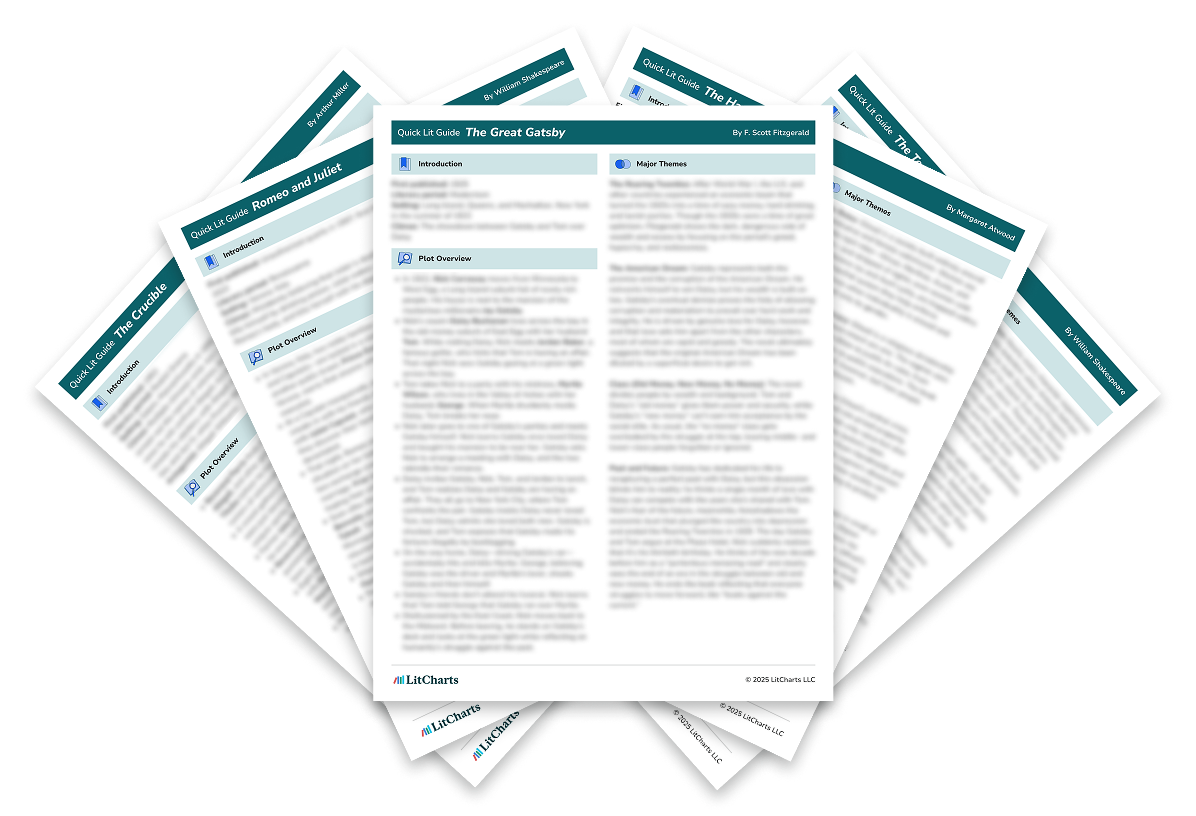
    Printable, one-page guides that cover the plot points, themes, and ideas you need to know.

    One-page Quick Lit Guides
  • Detailed chapter analysis
    Arrow Icon

    Get what happens and what it means

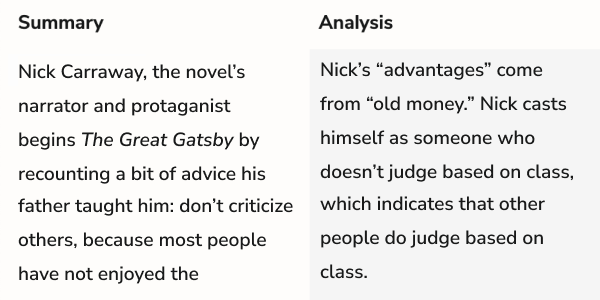
    Targeted analysis next to the summary ensures you’ll understand more than just the plot.

    Detailed chapter analysis
  • Line-by-line poetry analysis
    Arrow Icon

    Get the meaning in every line

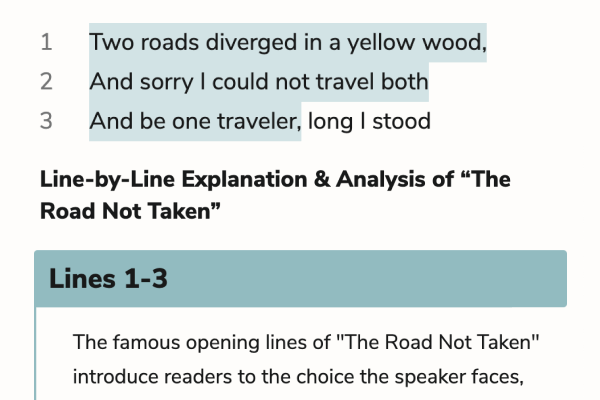
    Never feel lost reading a poem again with clear and in-depth analysis of each and every line.

    Line-by-line poetry analysis
  • Literary & poetic device analysis
    Arrow Icon

    Decode the author’s language

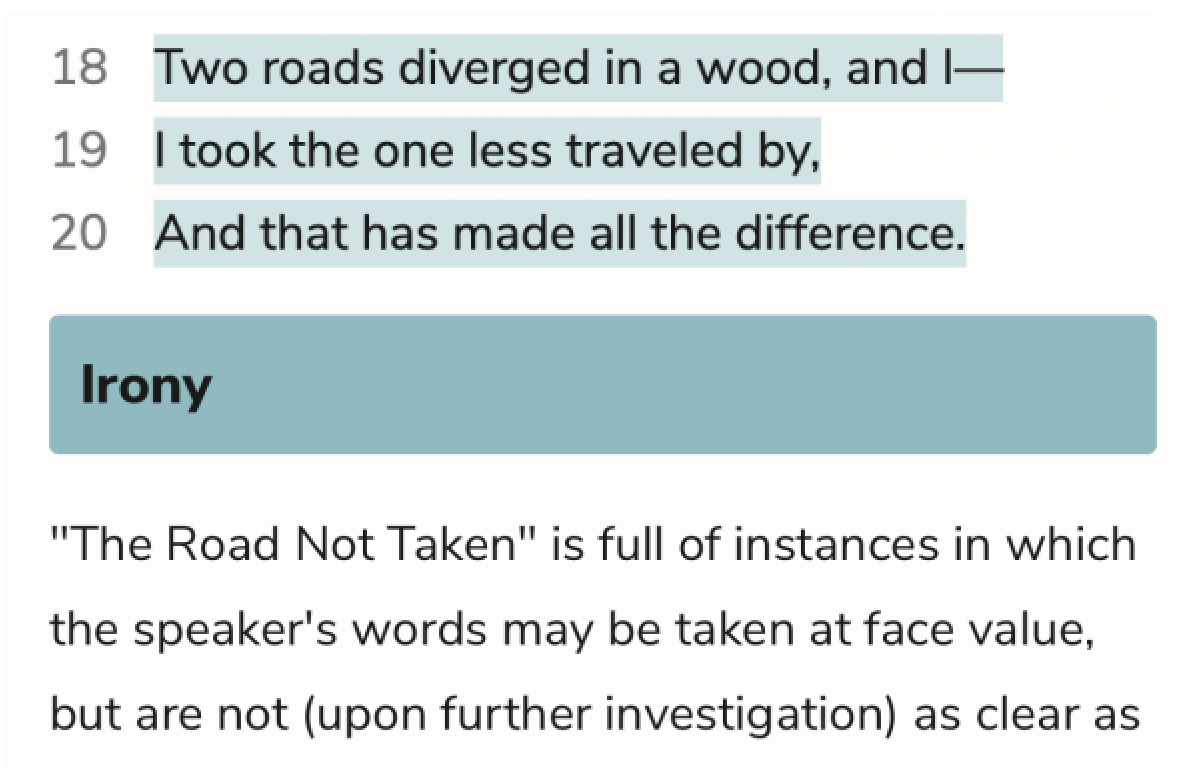
    Quickly find and understand the key devices in whatever you’re reading.

    Literary & poetic device analysis
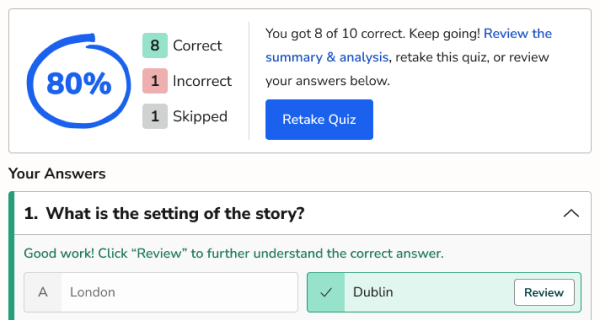
  • Unlimited quizzes
    Arrow Icon

    Unlimited quizzes and feedback

    Boost your learning with quizzes that pinpoint and address knowledge gaps.

    Unlimited quizzes
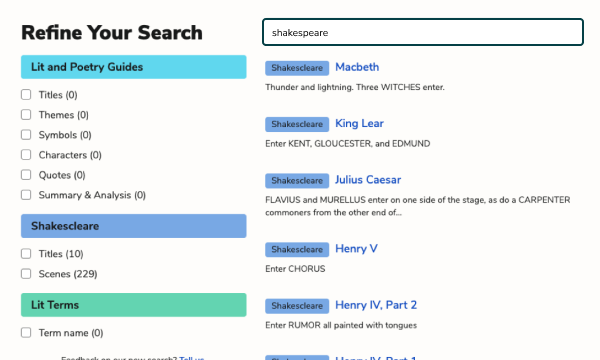
  • Advanced search
    Arrow Icon

    Find exactly what you need

    Refine your search using advanced filters like genre, time period, literary movement, author context, grade level, and more.

    Advanced search
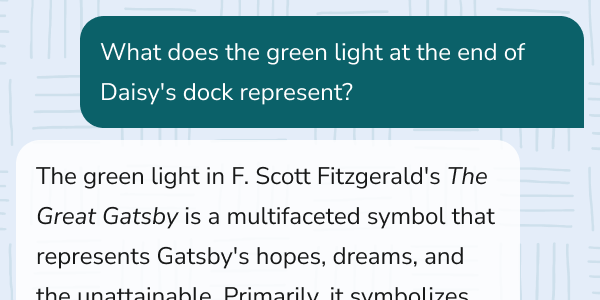
  • Ask LitCharts AI
    Arrow Icon

    Ask LitCharts AI

    Instant answers to all your lit questions. Powered by LitCharts content and AI.

    Ask LitCharts AI
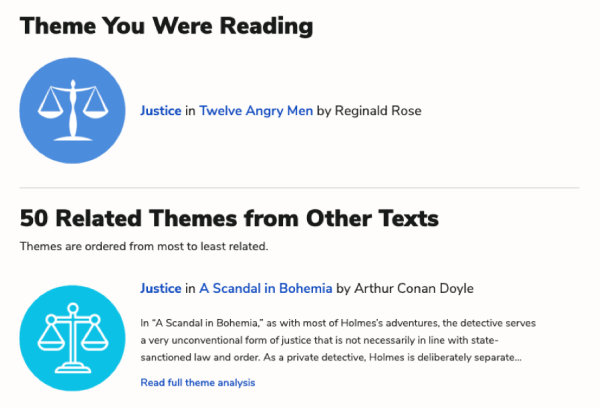
  • Theme comparisons across books
    Arrow Icon

    Compare and contrast

    Identify similar themes across books, making comparisons fast and simple.

    Theme comparisons across books
  • Highlight, take notes, & save guides
    Arrow Icon

    Make LitCharts your own

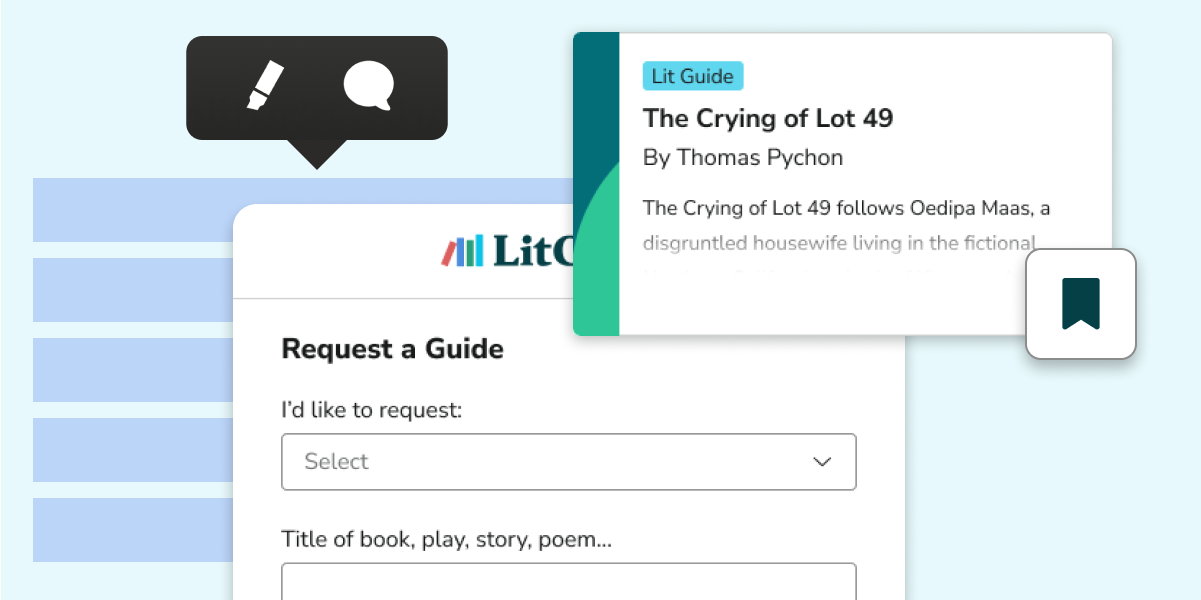
    Add highlights or notes, save guides for easy access later, and request new titles.

    Highlight, take notes, & save guides
  • A+ logo.Teacher
    $795USD/mo
    Charged $95.40 USD every year
  • Quote explanations & citation info
    Arrow Icon

    Find the perfect quote

    Then understand it perfectly. And get the citation, too. For all 35,000+ quotes we cover.

    Quote explanations & citation info
  • Every PDF download
    Arrow Icon

    Printable PDFs for every guide

    "Would not have made it through without the printable PDFs. They're like having in-class notes for every discussion!"

    – LitCharts A⁺ user

    Every PDF download
  • One-page Quick Lit Guides
    Arrow Icon

    Understand key basics—fast

    Printable, one-page guides that cover the plot points, themes, and ideas you need to know.

    One-page Quick Lit Guides
  • Detailed chapter analysis
    Arrow Icon

    Get what happens and what it means

    Targeted analysis next to the summary ensures you’ll understand more than just the plot.

    Detailed chapter analysis
  • Line-by-line poetry analysis
    Arrow Icon

    Get the meaning in every line

    Never feel lost reading a poem again with clear and in-depth analysis of each and every line.

    Line-by-line poetry analysis
  • Literary & poetic device analysis
    Arrow Icon

    Decode the author’s language

    Quickly find and understand the key devices in whatever you’re reading.

    Literary & poetic device analysis
  • Unlimited quizzes
    Arrow Icon

    Unlimited quizzes and feedback

    Boost your learning with quizzes that pinpoint and address knowledge gaps.

    Unlimited quizzes
  • Advanced search
    Arrow Icon

    Find exactly what you need

    Refine your search using advanced filters like genre, time period, literary movement, author context, grade level, and more.

    Advanced search
  • Ask LitCharts AI
    Arrow Icon

    Ask LitCharts AI

    Instant answers to all your lit questions. Powered by LitCharts content and AI.

    Ask LitCharts AI
  • Theme comparisons across books
    Arrow Icon

    Compare and contrast

    Identify similar themes across books, making comparisons fast and simple.

    Theme comparisons across books
  • Highlight, take notes, & save guides
    Arrow Icon

    Make LitCharts your own

    Add highlights or notes, save guides for easy access later, and request new titles.

    Highlight, take notes, & save guides
  • Teacher editions
    Arrow Icon

    Save time with in-depth organizers

    "THE best teaching resource I have ever used. My students love the handouts."

    – LitCharts A⁺ User

    Teacher editions
  • Printable classroom resources
    Arrow Icon

    Cut prep time in half

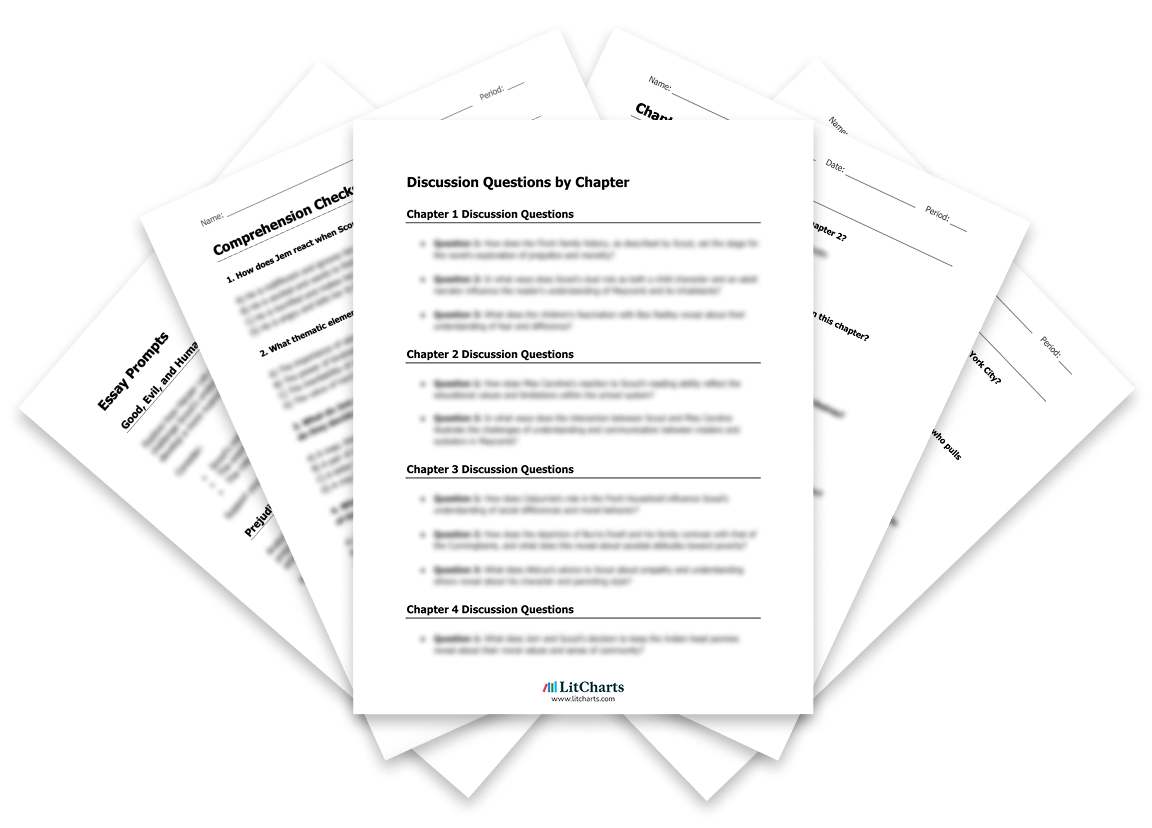
    Essay prompts, discussion questions, and comprehension checks—easy to print and ready to use in class.

    Printable classroom resources
  • Discussion question generator
    Arrow Icon

    Discussion question generator

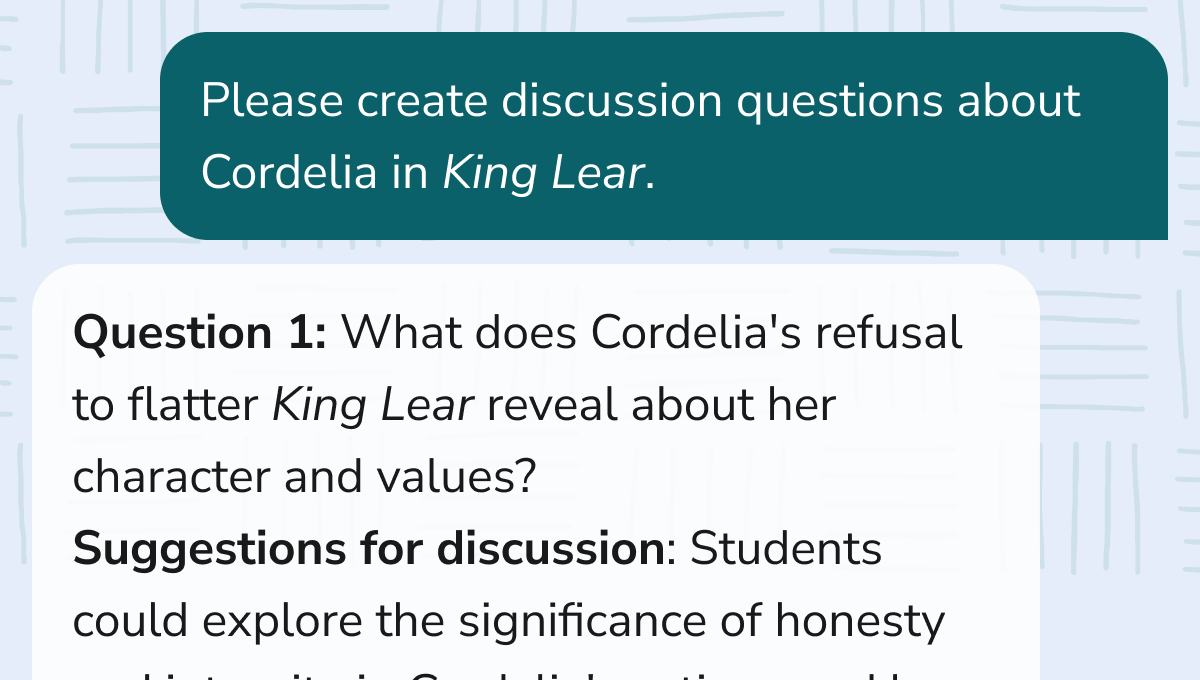
    Instantly create discussion questions that get people talking, through the power of LitCharts analysis and AI.

    Discussion question generator
  • Essay prompt generator
    Arrow Icon

    Essay prompt generator

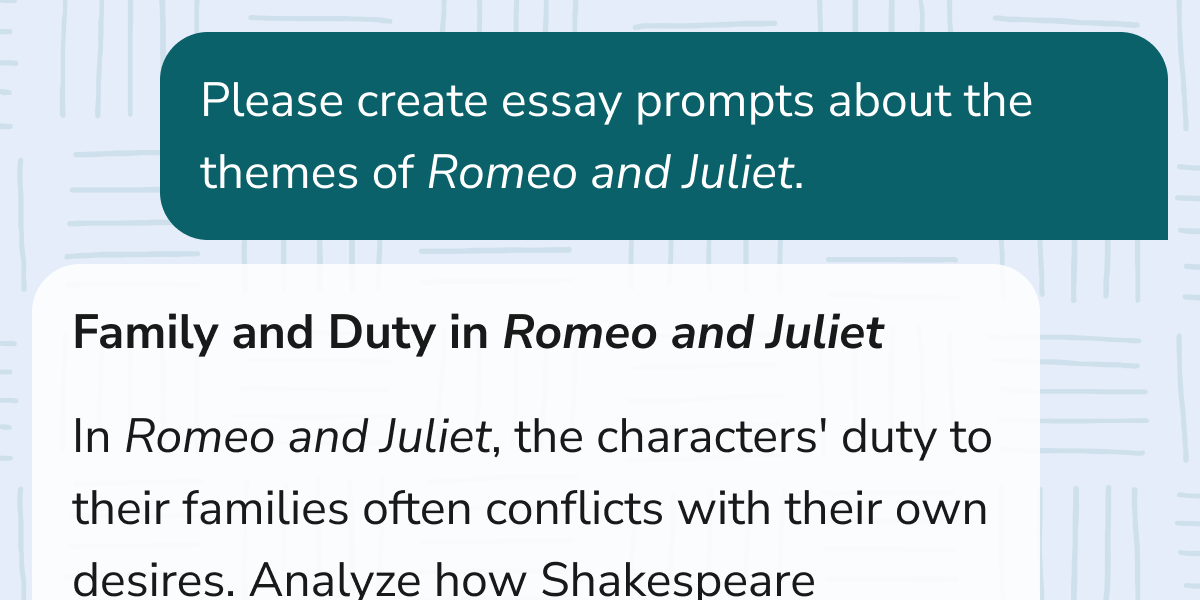
    Quickly create thought-provoking essay prompts that will get your students writing, powered by LitCharts analysis and AI.

    Essay prompt generator
  • Quiz question generator
    Arrow Icon

    Quiz question generator

    Effortlessly generate targeted quiz questions, powered by the world’s best literary analysis and AI.

    Quiz question generator
  • PDFs

    Literature Guide PDFs

    LitCharts PDFs for every book you'll read this year.

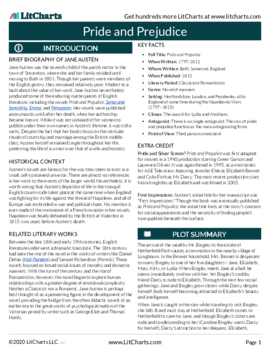
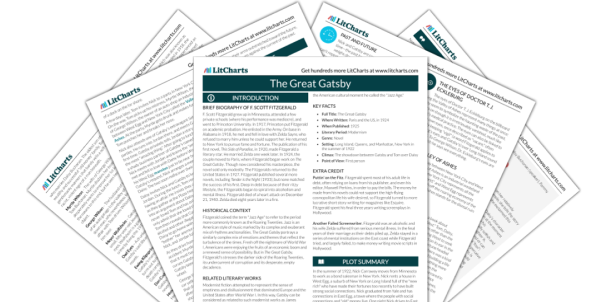
    Instant PDF downloads of all 2240 LitCharts literature guides and of every new one we publish. Try a free sample literature guide.
    "Would not have made it through AP Literature without the printable PDFs. They're like having in-class notes for every discussion!"
    Pride and Prejudice PDF
    Quotes

    Quotes Explanations

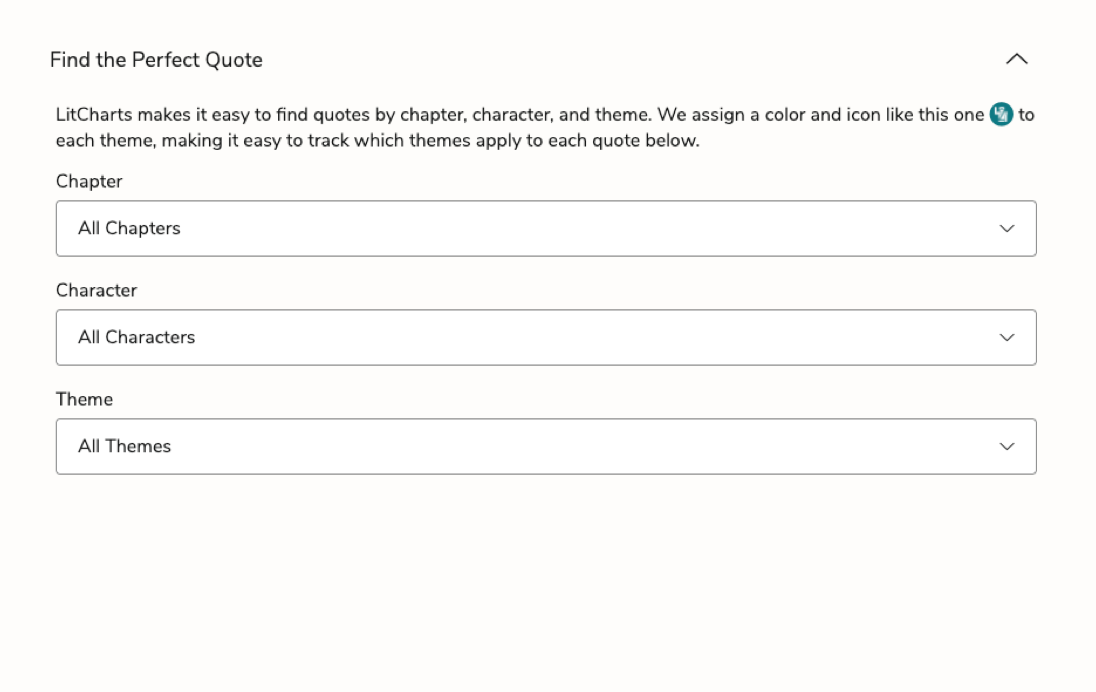
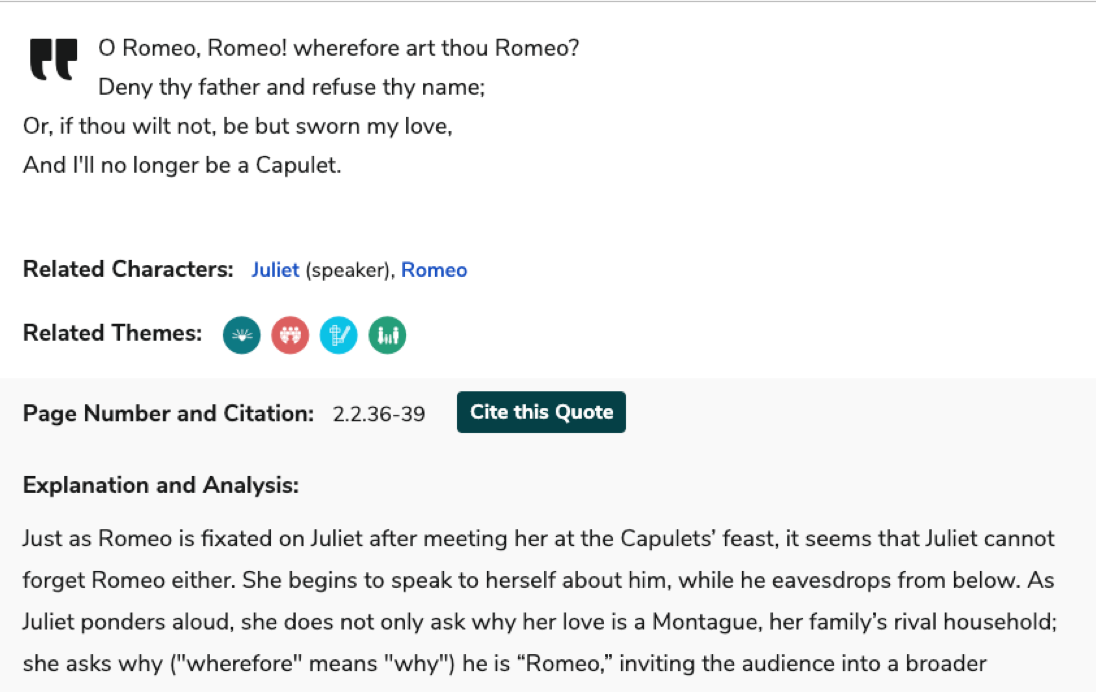
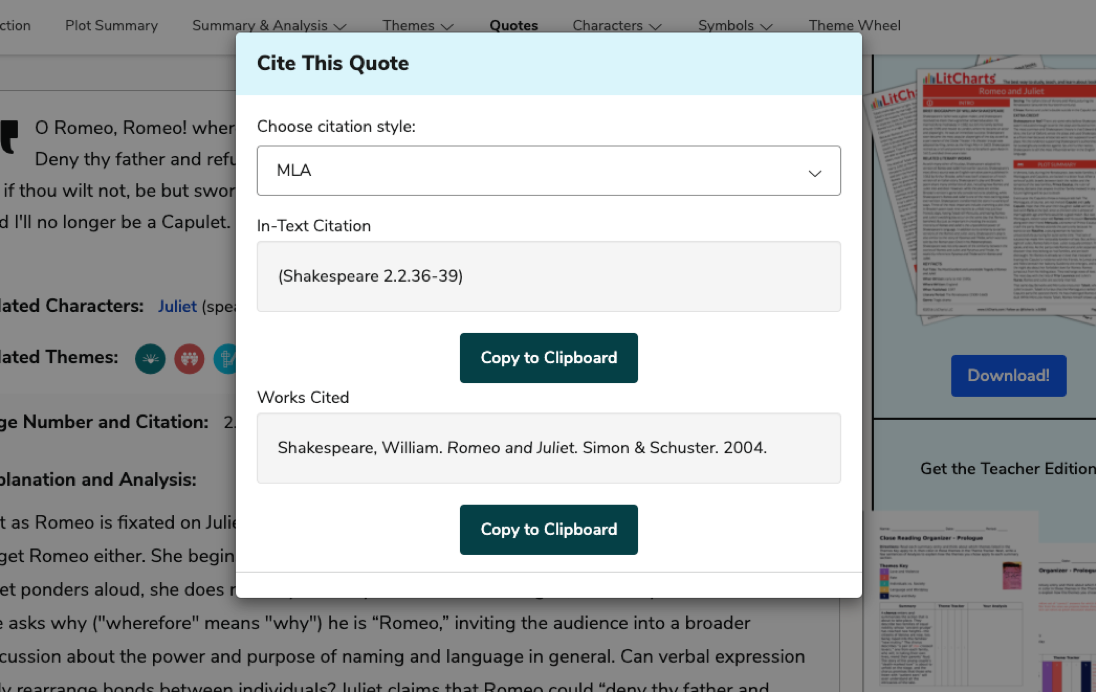
    Find the perfect quote. Understand it perfectly. Then rock the citation, too.
    For all 49,945 quotes we cover.
    Find. Search every LitChart by chapter, theme, or character to find just the quote you need.
    Understand. Grasp the quote's significance with our detailed Explanation and Analysis.
    Cite. Get the quote's page or line number, or a perfect citation with our Cite this Quote button.
    Teacher editions

    Teacher Editions

    Close reading made easy for students.
    Time saved for teachers.
    For every book we cover.

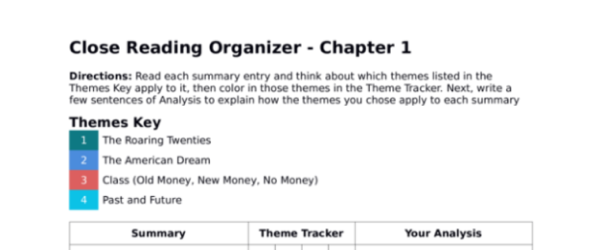
    Teacher Edition Contents

    Close Reading Organizers
    Character Analysis Organizers
    Symbol Analysis Organizers
    Theme Analysis Organizers
    Quote Analysis Organizers

    Common Core-aligned

    ""
    Try a free and complete sample Teacher Edition.

    PDFs of modern translations of every one of Shakespeare's 37 plays, 154 sonnets, and 3 longer poems.

    Every translation available to download as a PDF. Try a free sample Shakespeare translation.
    "Every teacher of literature should use these translations. They completely demystify Shakespeare. Students love them!"
    Original
    Romeo
    (aside) She speaks.
    O, speak again, bright angel! For thou art
    As glorious to this night, being o’er my head,
    As is a winged messenger of heaven
    Unto the white, upturnèd, wondering eyes
    Of mortals that fall back to gaze on him
    When he bestrides the lazy-puffing clouds
    And sails upon the bosom of the air.
    Juliet
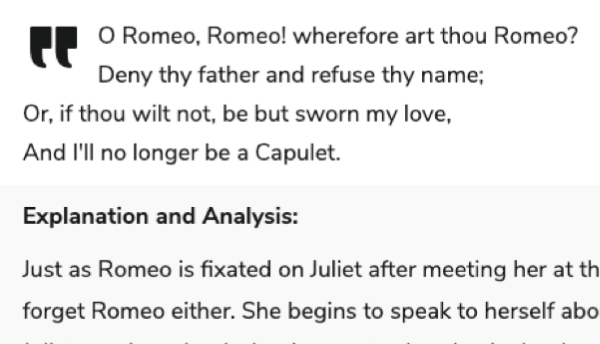
    O Romeo, Romeo! Wherefore art though Romeo?
    Deny they father and refuse they name.
    Or, if thou wilt not, be but sworn my love,
    And I’ll no longer be a Capulet.
    Modern
    Romeo
    (to himself) She speaks. Speak again, bright angel! For tonight you are as glorious, there up above me, as a winged messenger of heaven who makes mortals fall onto their backs to gaze up with awestruck eyes as he strides across the lazy clouds and sails through the air.
    Juliet
    O Romeo, Romeo! Why must you be Romeo? Deny your father and give up your name. Or, if you won’t change your name, just swear your love to me and I’ll give up being a Capulet.
    Lit terms
    Literary Terms and Devices
    Definitions and examples for every literary term and device you need to know.
    Plus a quick-reference PDF with concise definitions of all 136 terms in one place.
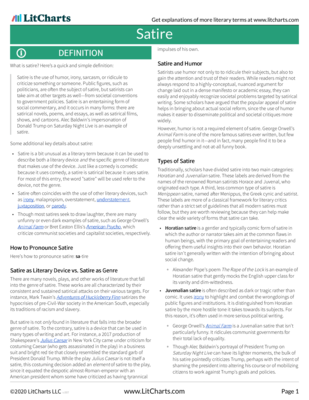
    Try a free sample literary term PDF.

    Advanced search
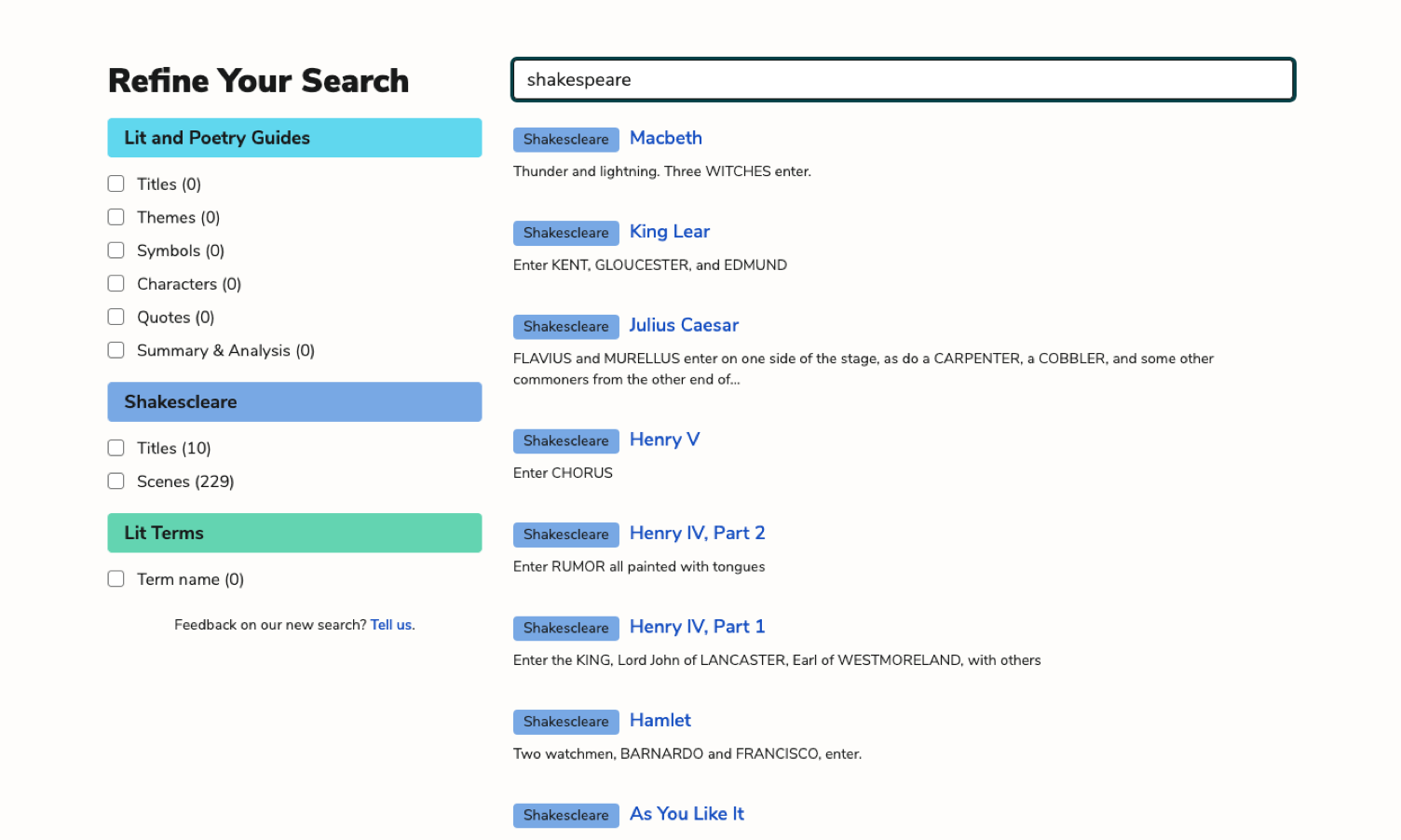
    Advanced Search
    Refine any search. Find related themes, quotes, symbols, characters, and more.
    Advanced search
    Related themes
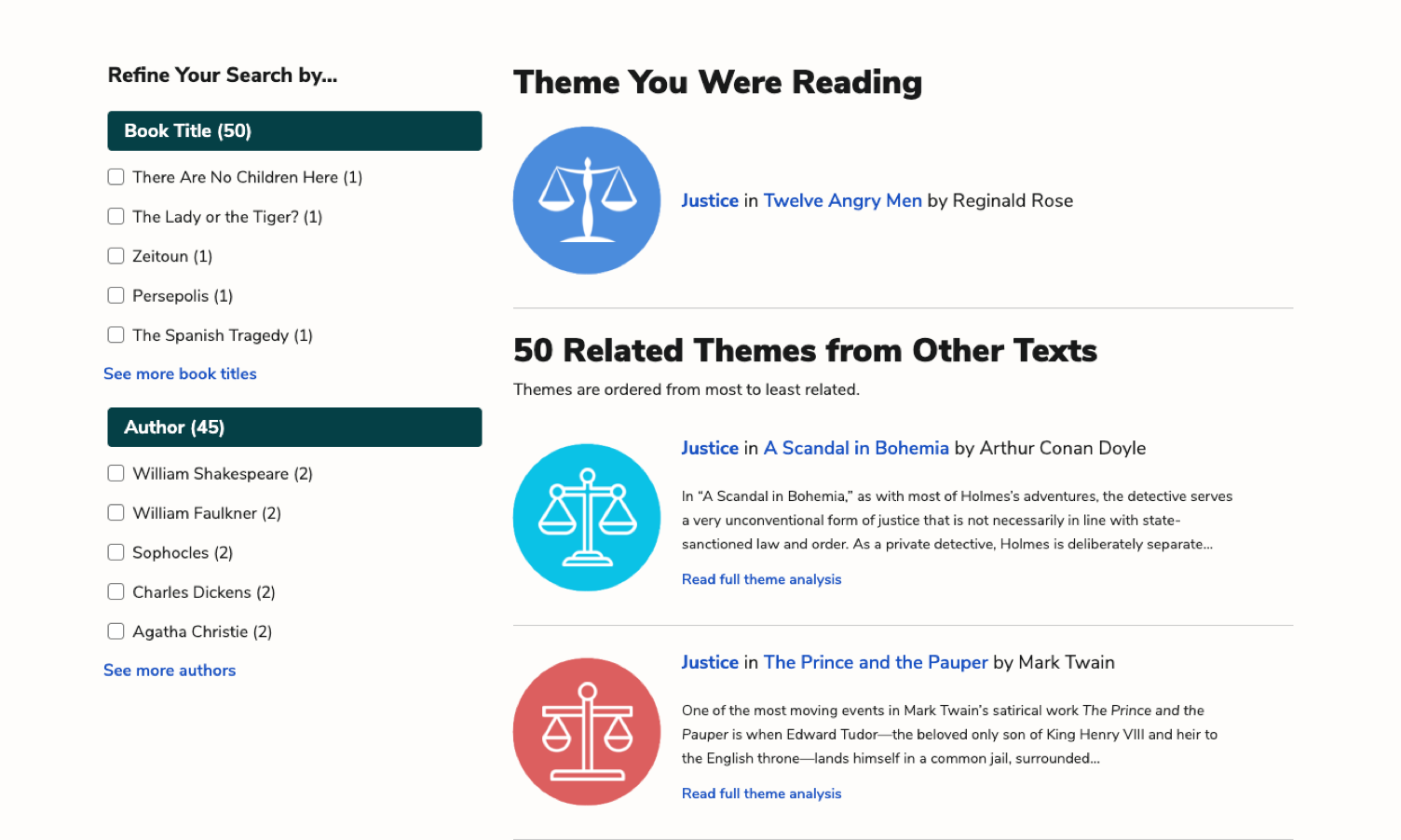
    Related Themes
    Comparing and contrasting texts? Find where any theme occurs across all of LitCharts in seconds.
    Related themes
    Poetry guides
    Poetry Guides
    Line-by-line explanations and analysis of figurative language and poetic devices.
    For every lyric poem we cover.
    Poetry guides
    Sign up for LitCharts A+
    Company
    About Us Our Story
    Support
    Help Center Contact Us
    Connect
    Facebook Twitter
    Legal
    Terms of Service Privacy Policy Privacy Request
    Home About Contact Help
    LitCharts, a Learneo, Inc. business
    Copyright © 2025 All Rights Reserved
    Terms Privacy Privacy Request