
|
Have questions?
Contact us
Already a member? Sign in
|
Get every literary device explanation for Pride and PrejudicePlus so much more...
Sign up for LitCharts A+Get instant access to every literary device explanation, plus so much more...
Verbal Irony
Explanation and Analysis—No Defect:
While staying at Netherfield to take care of a sick Jane, Elizabeth spends more time with Darcy and witnesses more of his prideful behavior firsthand. In an example of verbal irony, Elizabeth states the following to Caroline Bingley in front of Darcy:
“I am perfectly convinced by it that Mr. Darcy has no defect. He owns it himself without disguise.”
This statement is ironic because Elizabeth clearly does not believe Darcy "has no defect." She is using sarcasm to make it clear that she believes the opposite—that Darcy is overly prideful and should be willing to own up to his flaws. Darcy, recognizing her sarcasm and feeling embarrassed, responds that he does have flaws, including his temper and inability to forgive people who have hurt him.
This moment highlights the ways that Elizabeth and Darcy provoke each other, each (at this point) unwilling to let go of prejudices they have of the other. As the two of them come to develop romantic feelings for each other later in the novel and move toward marriage, these moments of biting verbal irony decrease in frequency.
Monthly
Annual (Best Value)

$595USD/mo
Charged $71.40 USD every year
 Teacher
$795USD/mo
Charged $95.40 USD every year
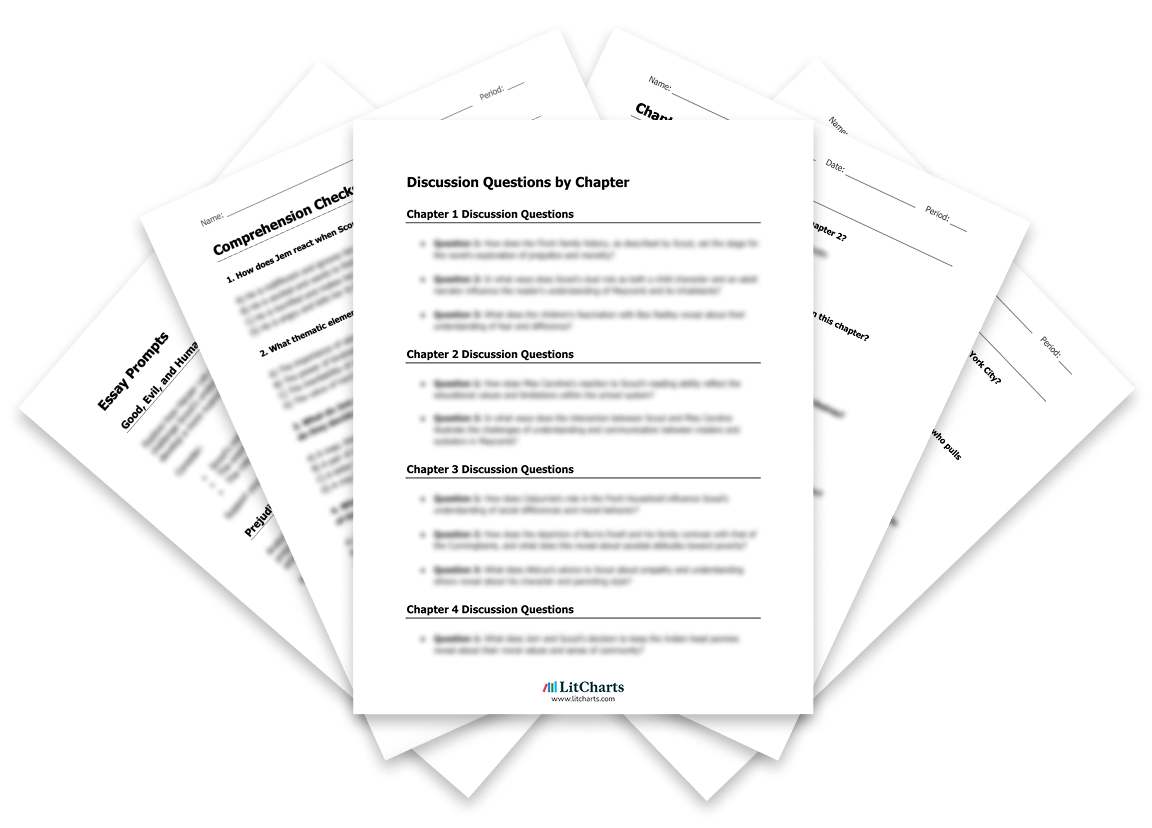


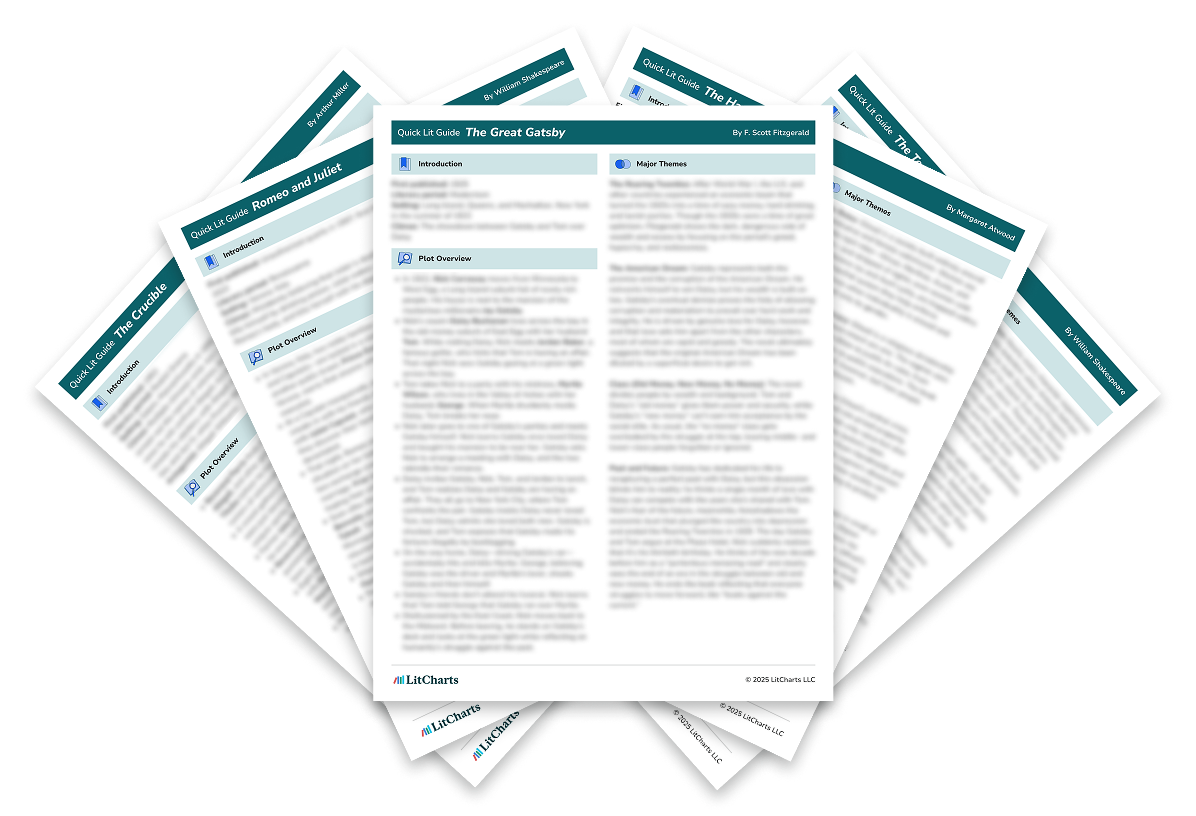
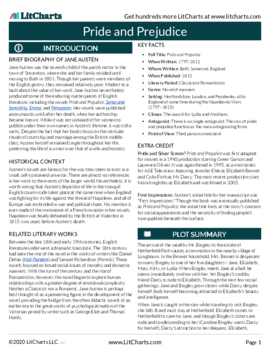
Literature Guide PDFs
LitCharts PDFs for every book you'll read this year.
Instant PDF downloads of all 2251 LitCharts literature guides and of every new one we publish. Try a free sample literature guide.
"Would not have made it through AP Literature without the printable PDFs. They're like having in-class notes for every discussion!"





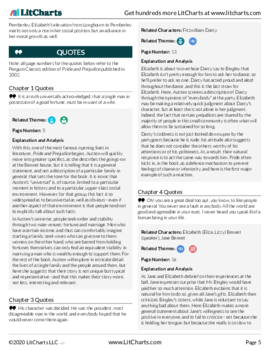


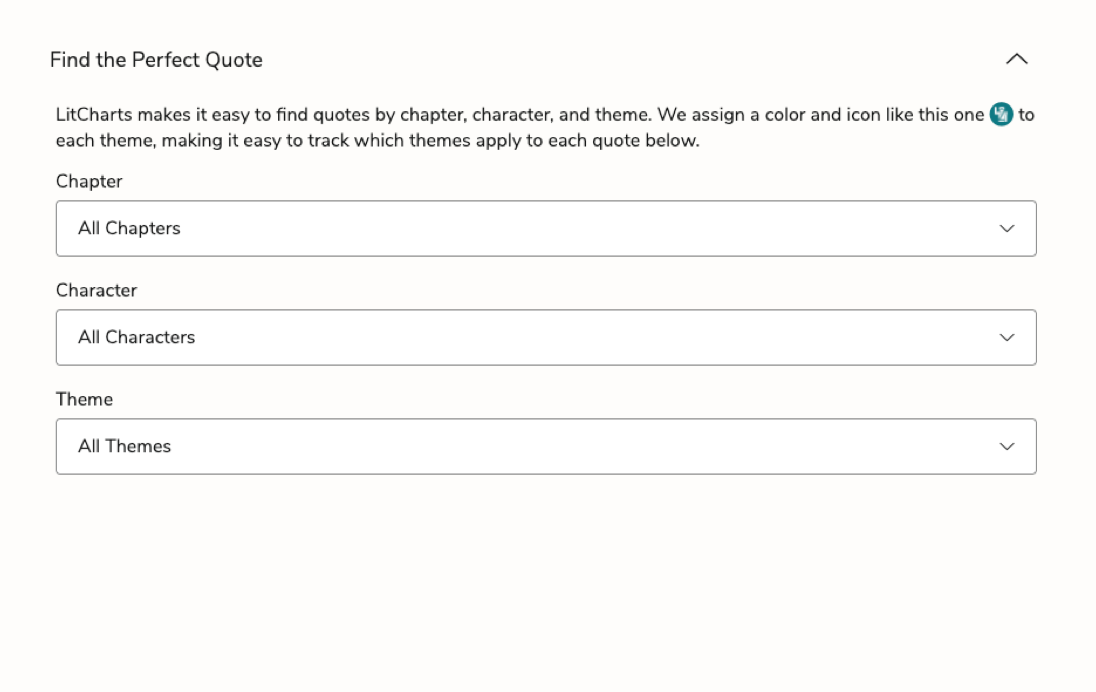
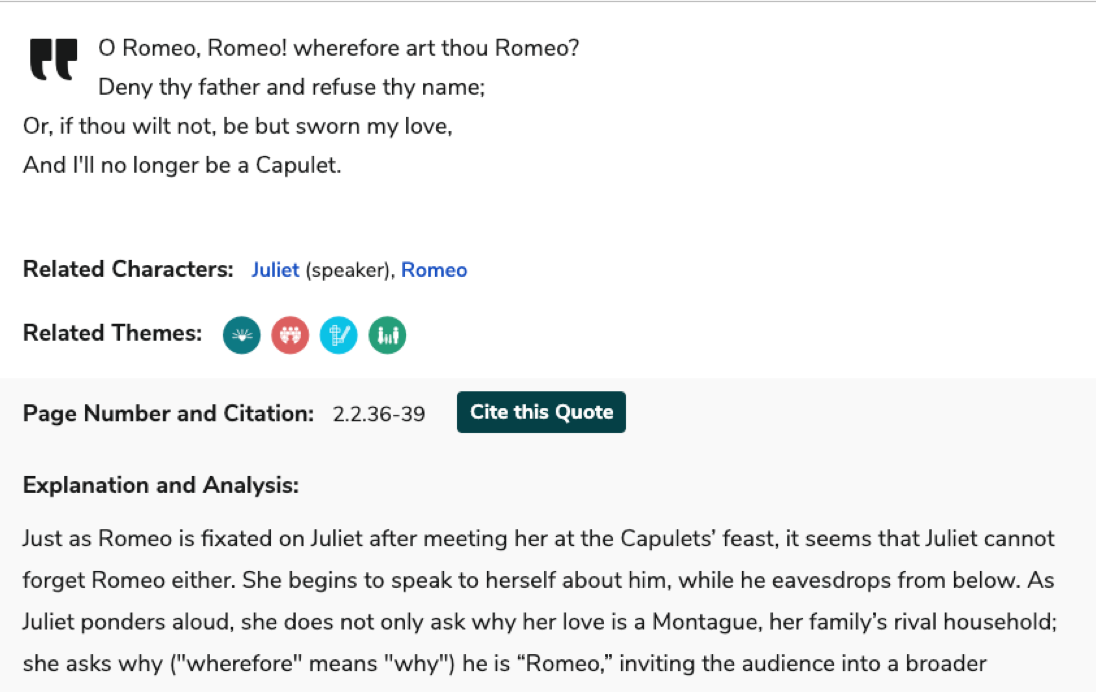
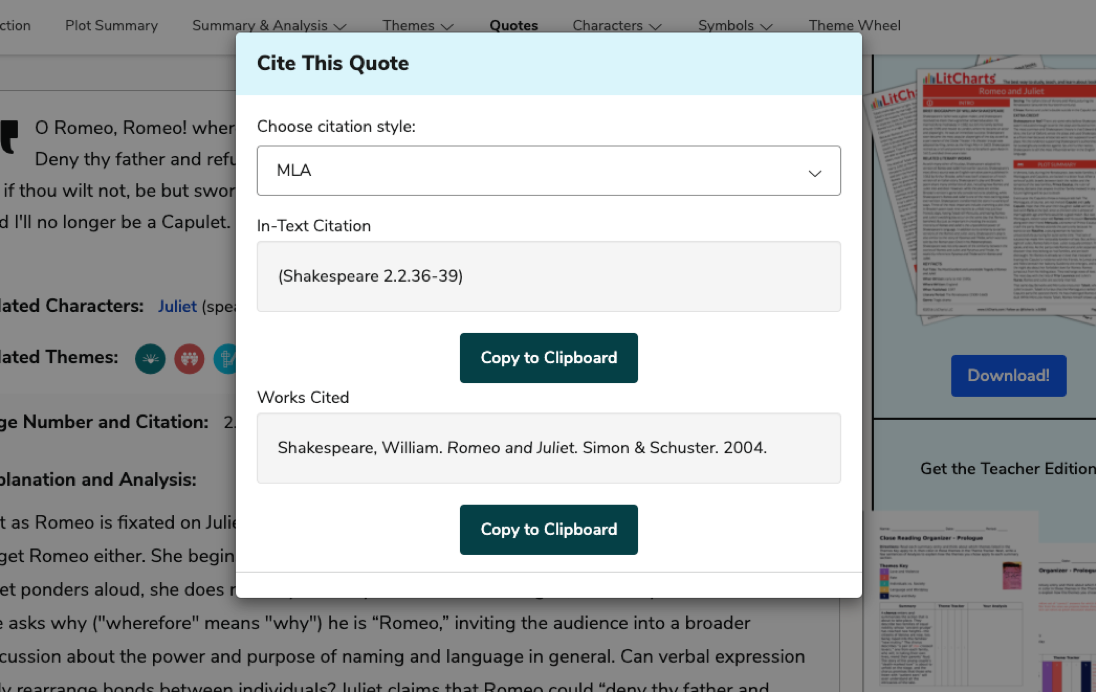
Quotes Explanations
Find the perfect quote. Understand it perfectly. Then rock the citation, too.
For all 50,202 quotes we cover.
For all 50,202 quotes we cover.


Teacher Editions
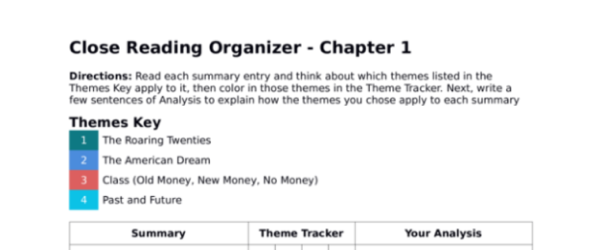
Close reading made easy for students.
Time saved for teachers.
For every book we cover.
Time saved for teachers.
For every book we cover.


Common Core-aligned


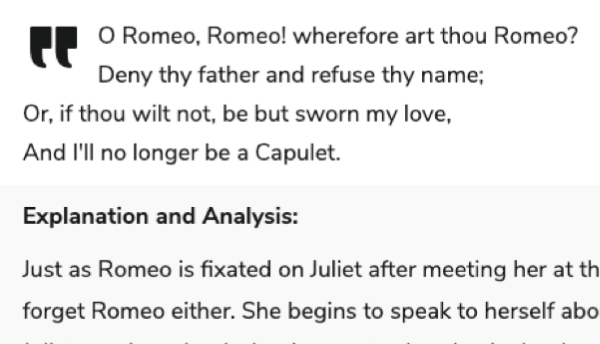
PDFs of modern translations of every one of Shakespeare's 37 plays, 154 sonnets, and 3 longer poems.

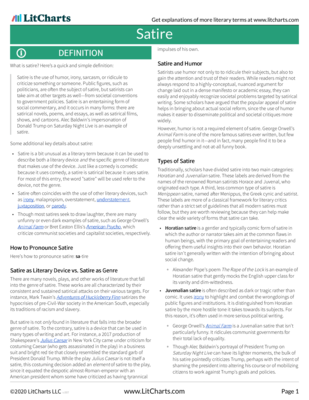
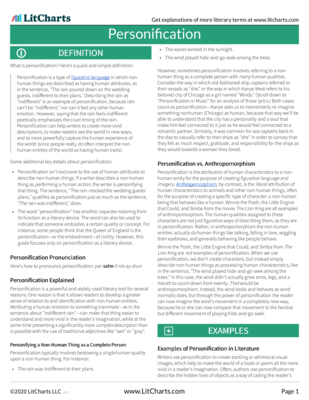
Literary Terms and Devices
Definitions and examples for every literary term and device you need to know.
Plus a quick-reference PDF with concise definitions of all 136 terms in one place.
Plus a quick-reference PDF with concise definitions of all 136 terms in one place.
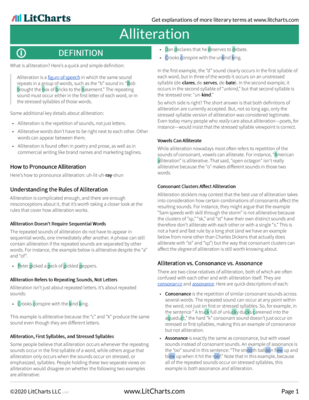
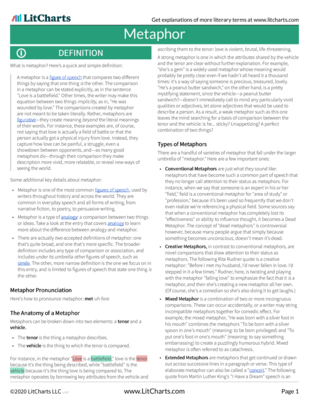
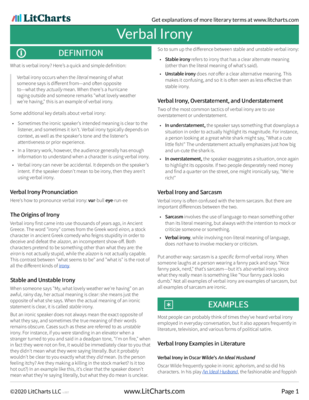
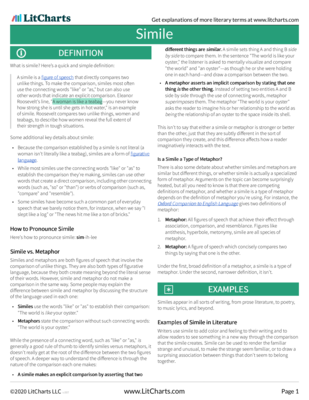
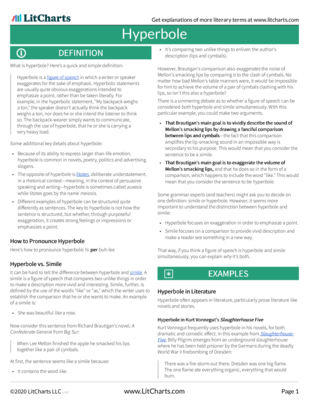
Try a free sample literary term PDF.


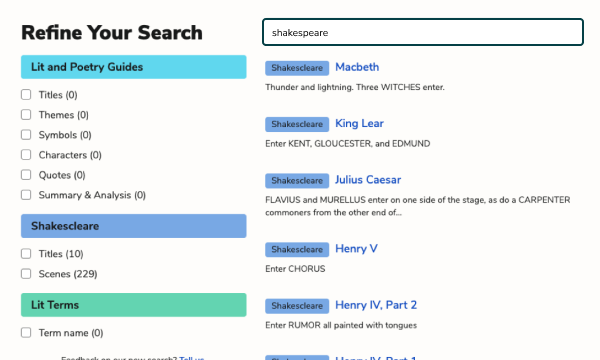
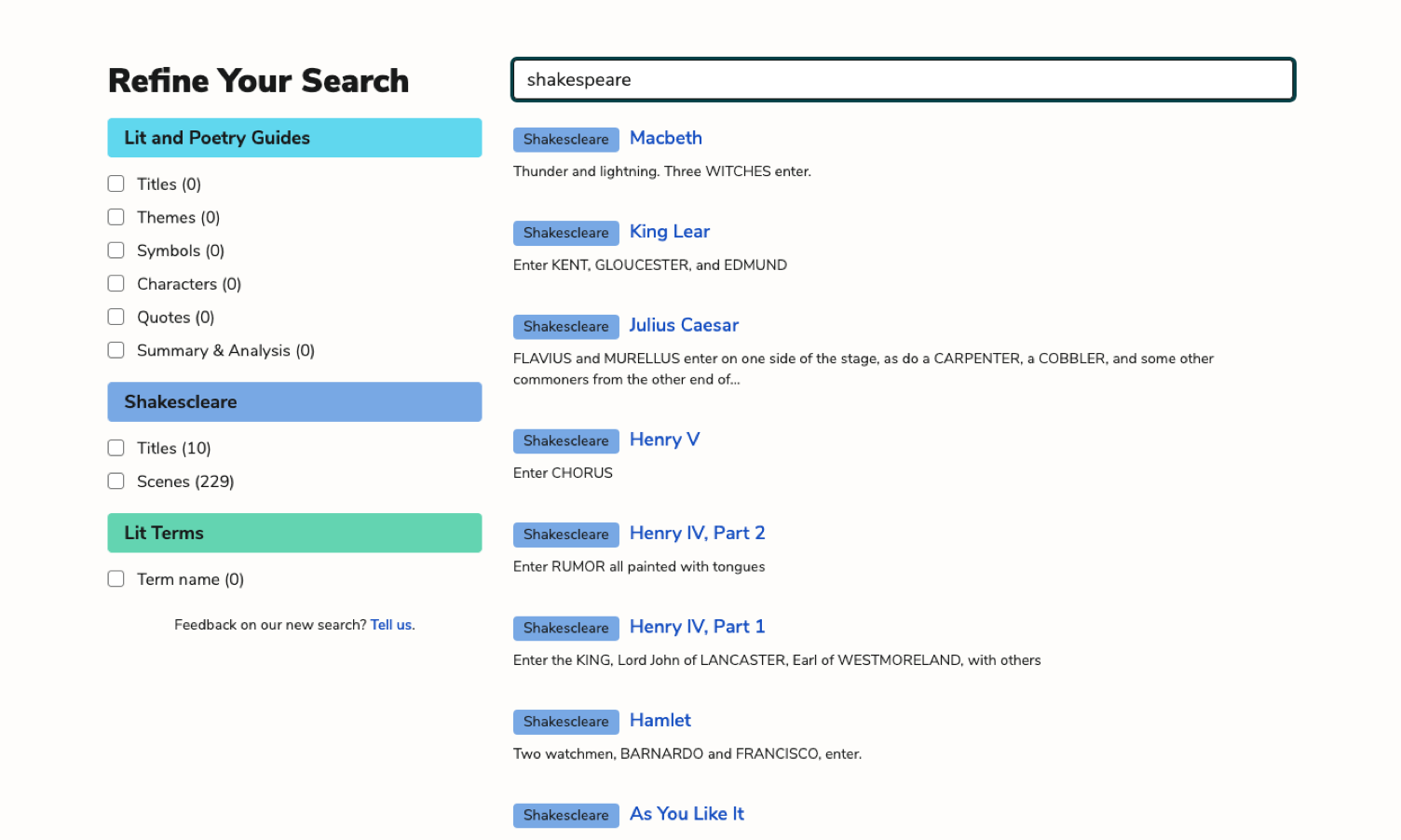
Advanced Search
Refine any search. Find related themes, quotes, symbols, characters, and more.

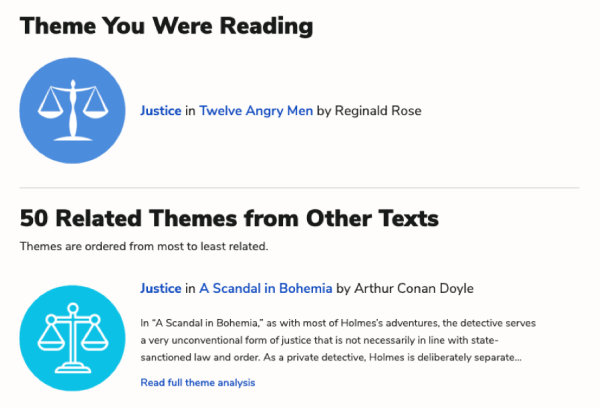
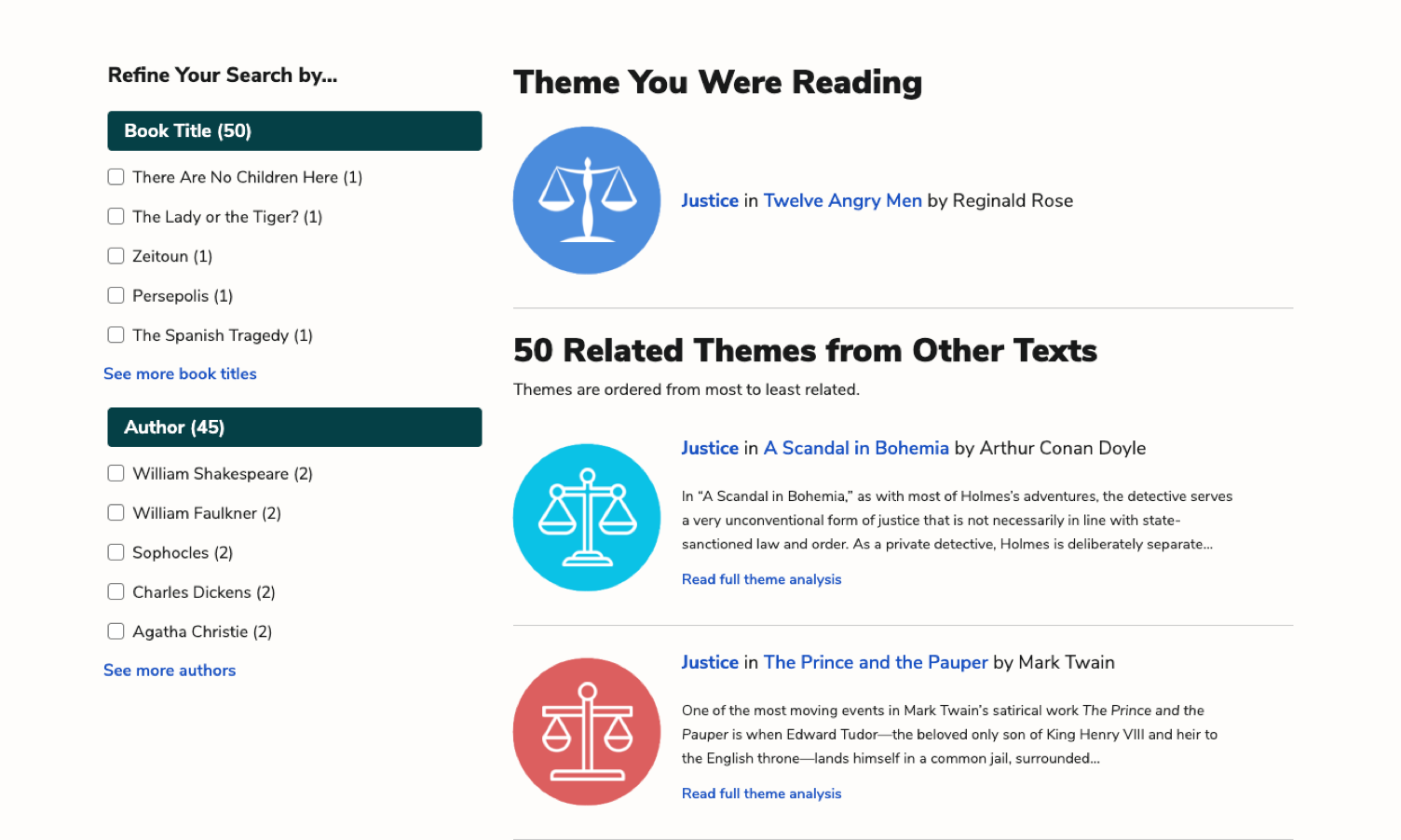
Related Themes
Comparing and contrasting texts? Find where any theme occurs across all of LitCharts in seconds.


Poetry Guides
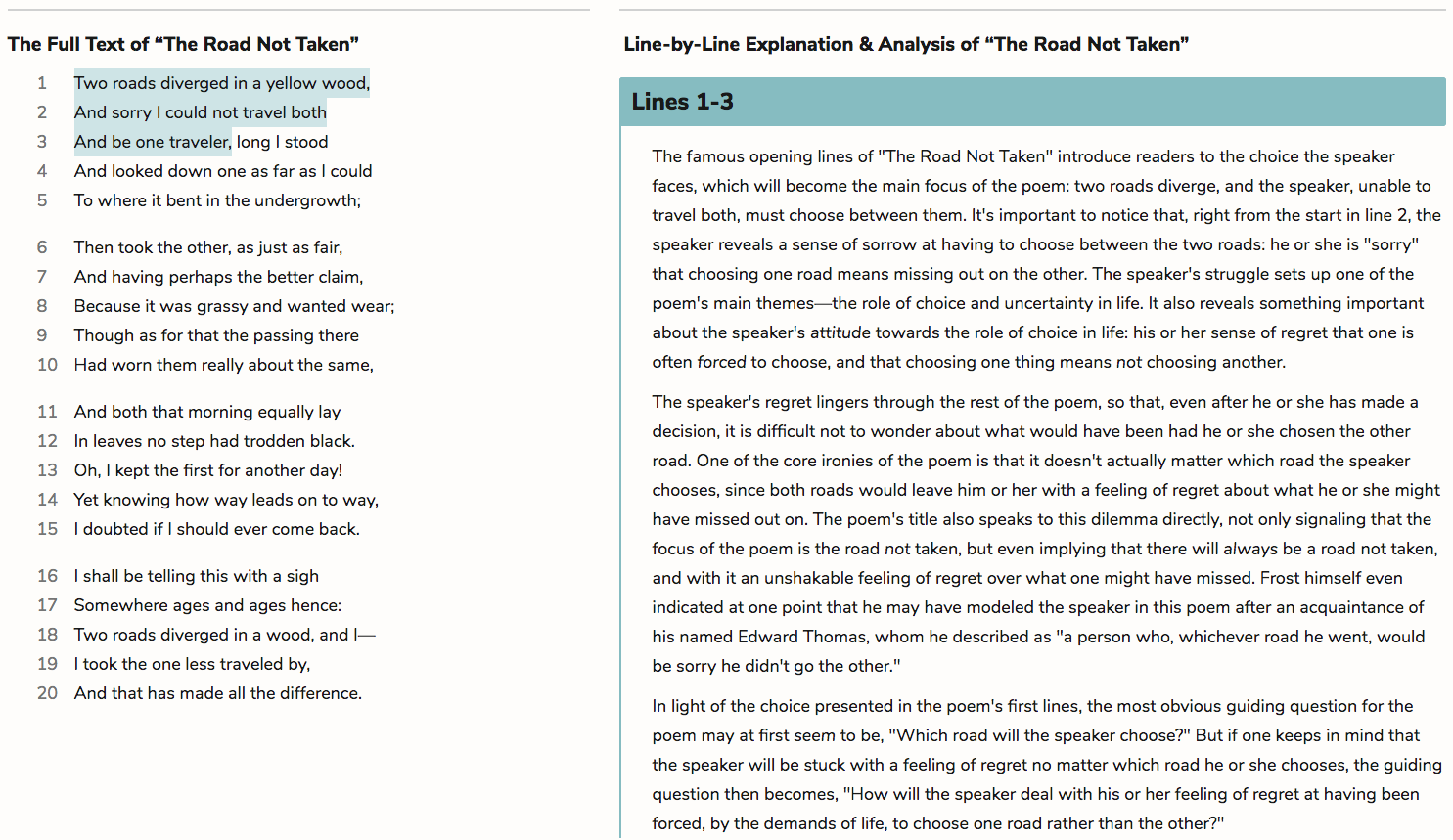
Line-by-line explanations and analysis of figurative language and poetic devices.
For every lyric poem we cover.
For every lyric poem we cover.