
|
Have questions?
Contact us
Already a member? Sign in
|
Get every literary device explanation for Richard III
Plus so much more...
Sign up for LitCharts A+
Get instant access to every literary device explanation, plus so much more...
Verbal Irony
Explanation and Analysis—Endure the Load:
Near the beginning of Act 4, Richard feigns reluctance to the Duke of Buckingham in accepting the crown, personifying "fortune" as a being who deposits burdens on unwitting folk. It's a scene of dramatic and verbal irony because—while the audience knows Richard's true intentions—his apparent unwillingness makes him seem like an ideal candidate for kingship:
Since you will buckle fortune on my back,
To bear her burden, whe’er I will or no,
I must have patience to endure the load;
In this passage, Richard makes it seem as if he is taking on a great burden for the sake of the people. This is dramatically ironic because he has been telling the audience he's plotting to obtain the crown throughout the play. Here, he pretends to be burdened by the crown. Saying that the responsibility of statehood is a heavy, unappealing burden implies that he is accepting it as a duty rather than out of ambition.
However, the audience knows that Richard has been manipulating everyone to obtain the crown for himself. By personifying "fortune" here, he puts himself at an even further remove from responsibility. If a powerful entity like "fortune" is forcing this "burden" on him, he is powerless to say no and must somehow find the "patience" to be king.
Monthly
Annual (Best Value)

$595USD/mo
Charged $71.40 USD every year
 Teacher
$795USD/mo
Charged $95.40 USD every year
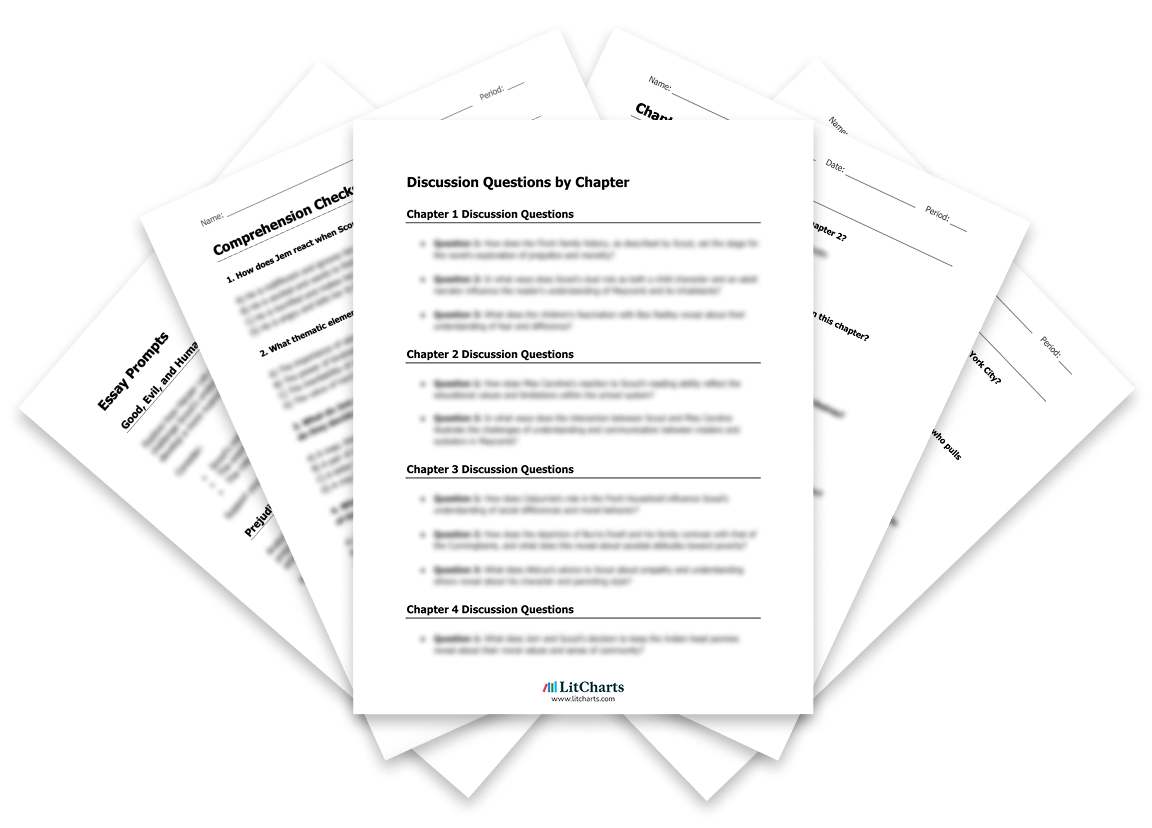


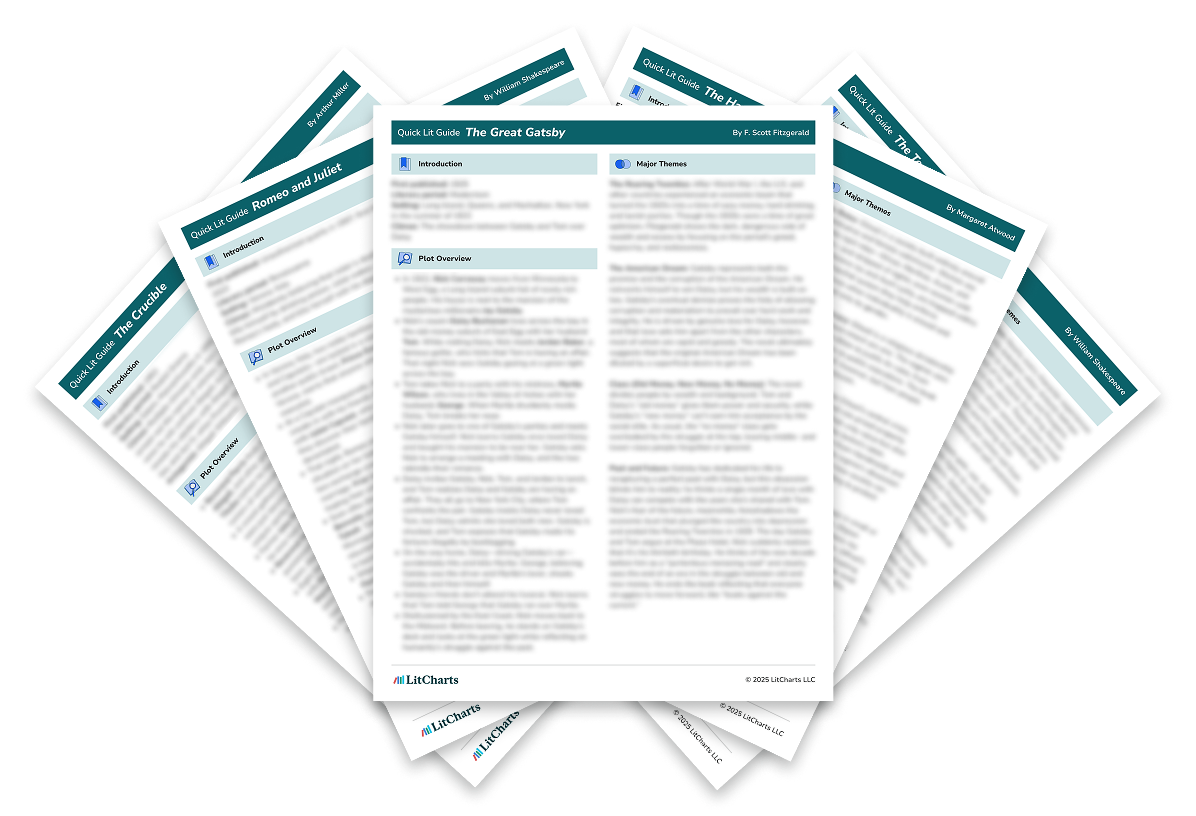
Literature Guide PDFs
LitCharts PDFs for every book you'll read this year.
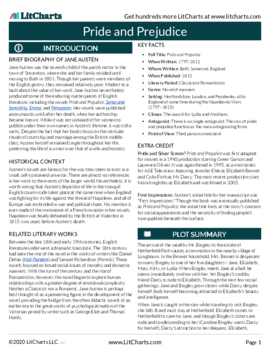
Instant PDF downloads of all 2256 LitCharts literature guides and of every new one we publish. Try a free sample literature guide.
"Would not have made it through AP Literature without the printable PDFs. They're like having in-class notes for every discussion!"





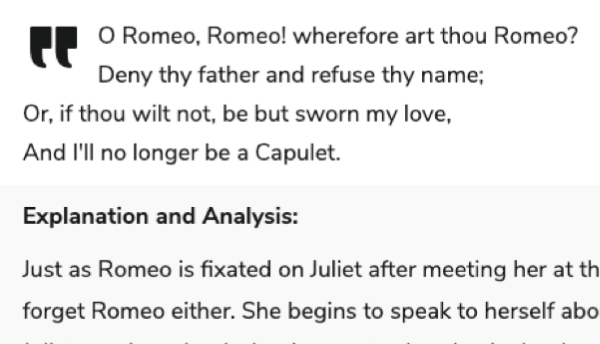
Quotes Explanations
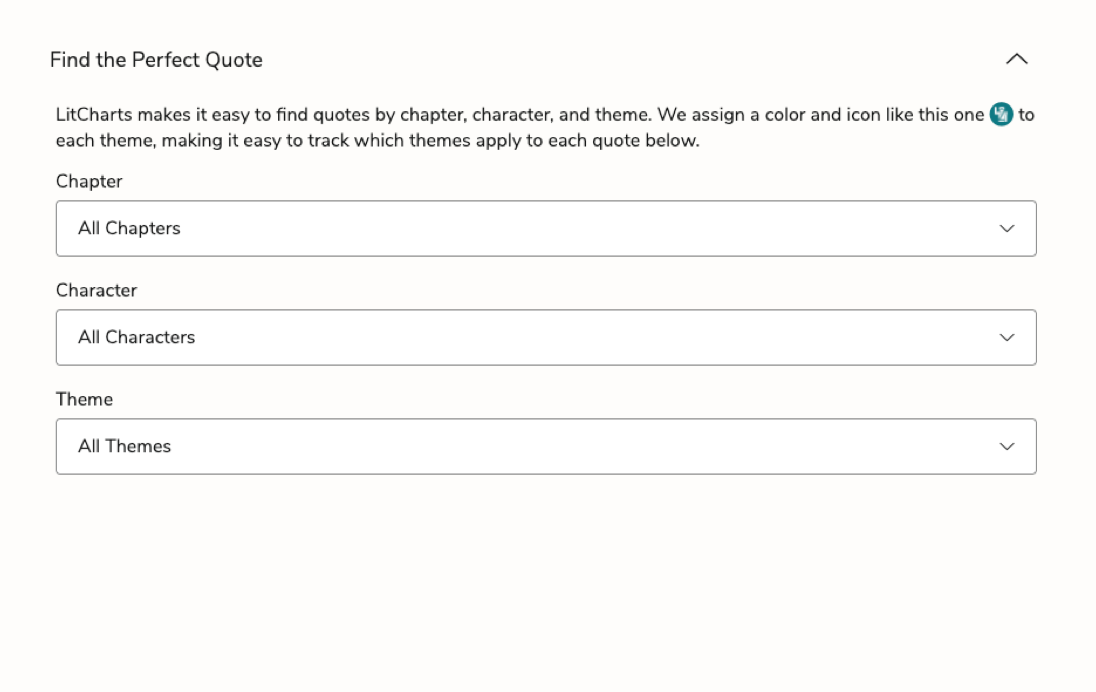
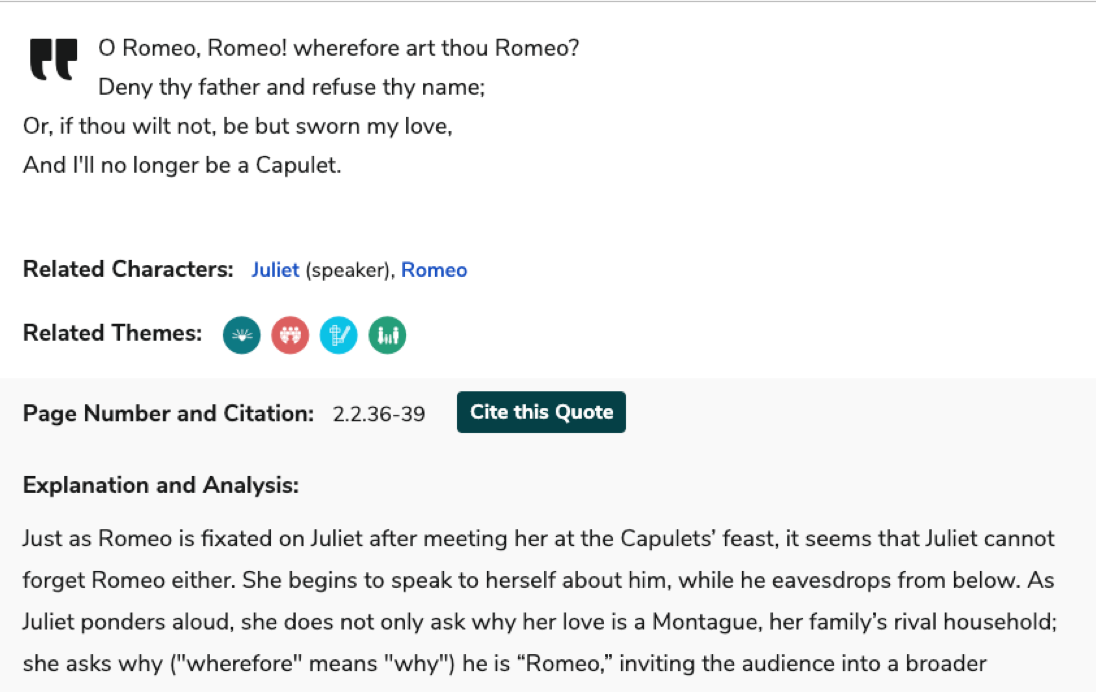
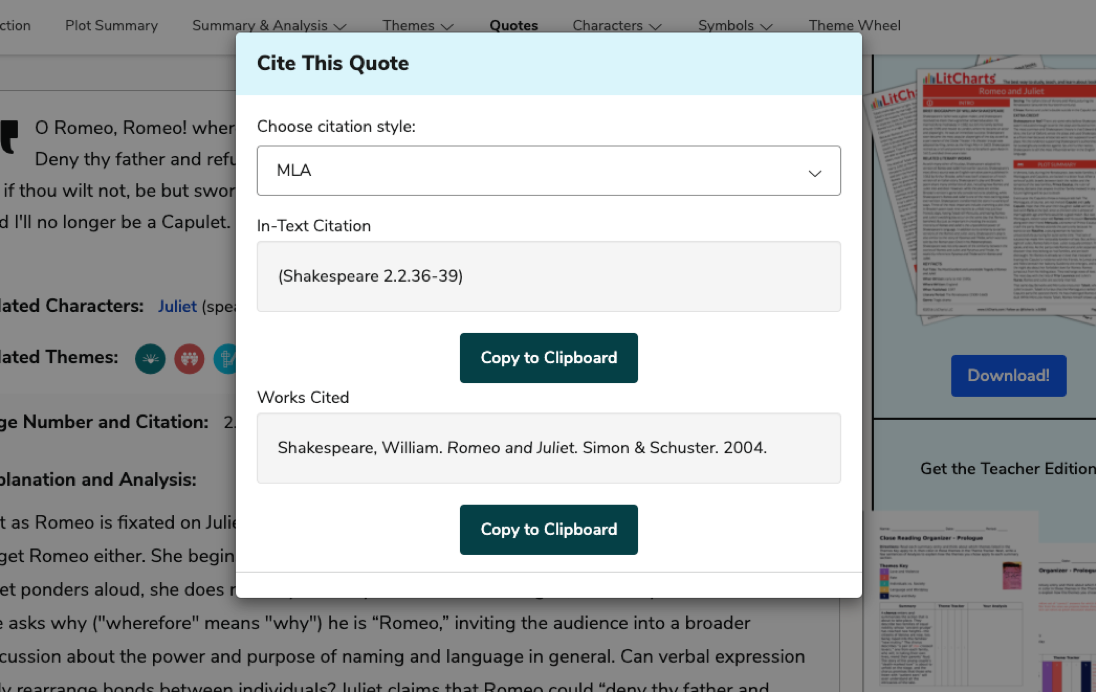
Find the perfect quote. Understand it perfectly. Then rock the citation, too.
For all 50,308 quotes we cover.
For all 50,308 quotes we cover.


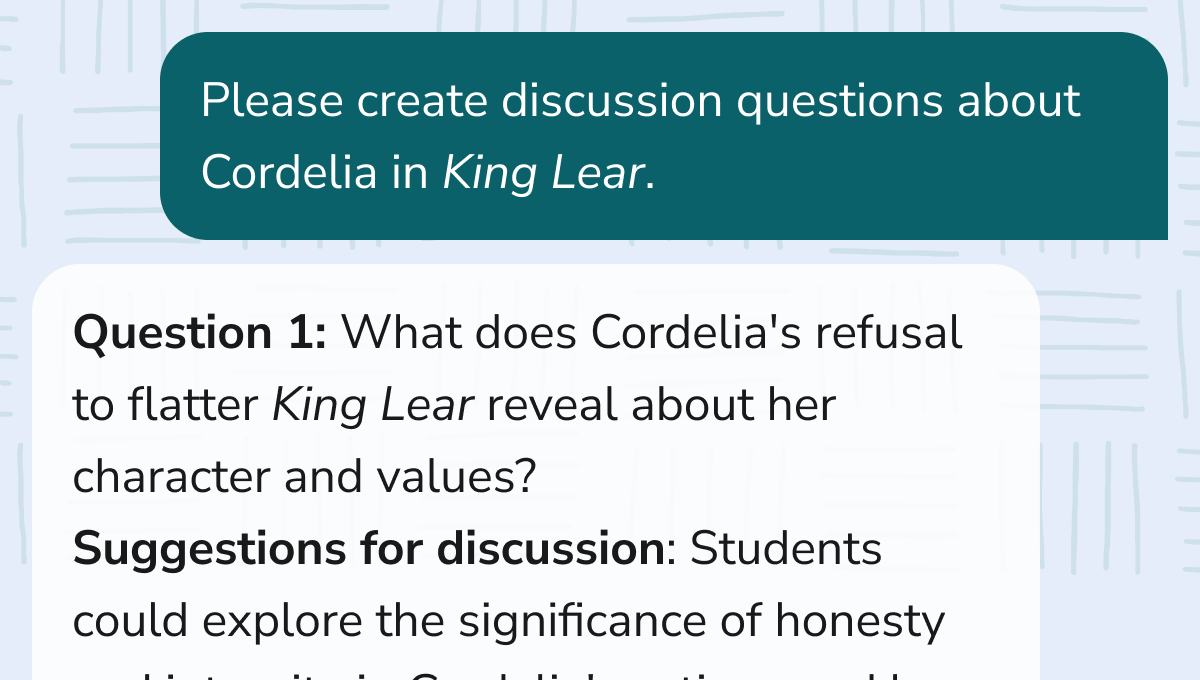
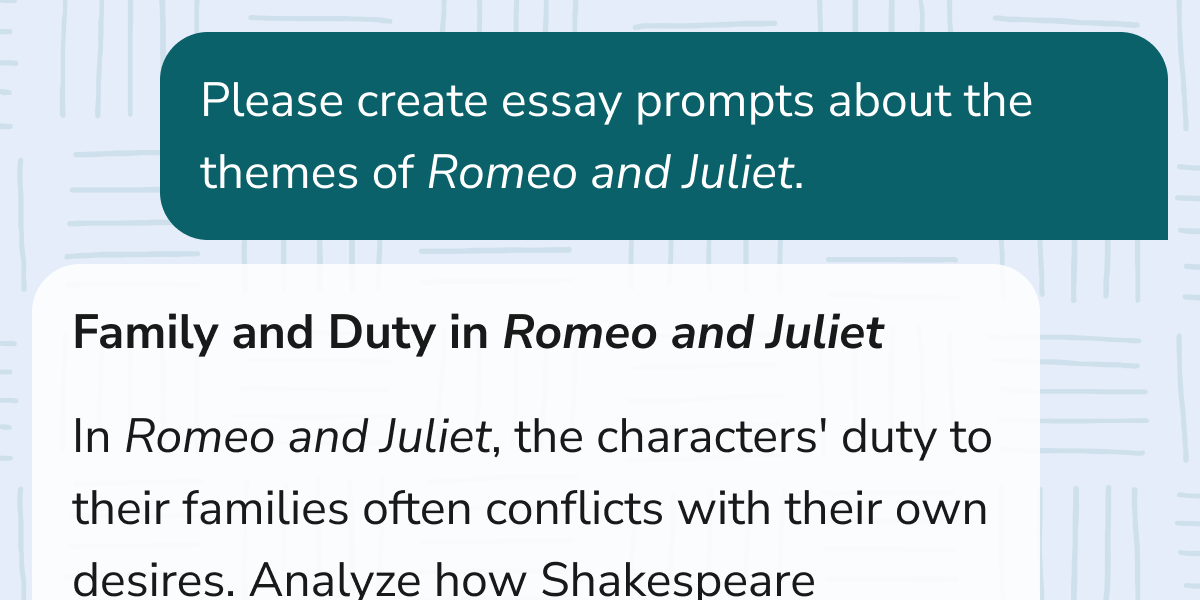
Teacher Editions
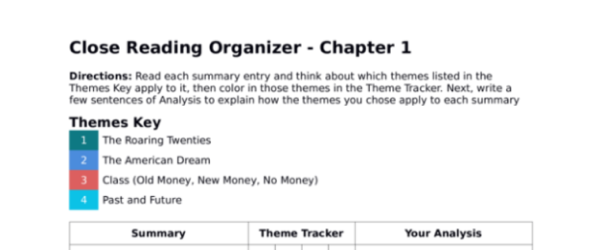
Close reading made easy for students.
Time saved for teachers.
For every book we cover.
Time saved for teachers.
For every book we cover.


Common Core-aligned


PDFs of modern translations of every one of Shakespeare's 37 plays, 154 sonnets, and 3 longer poems.

Literary Terms and Devices
Definitions and examples for every literary term and device you need to know.
Plus a quick-reference PDF with concise definitions of all 136 terms in one place.
Plus a quick-reference PDF with concise definitions of all 136 terms in one place.
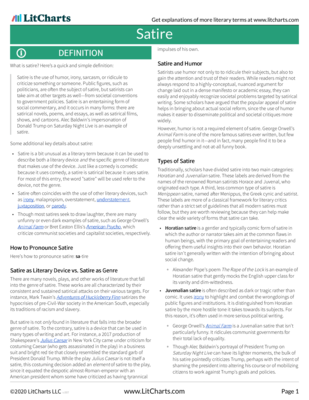
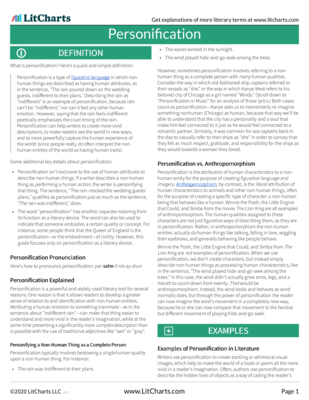
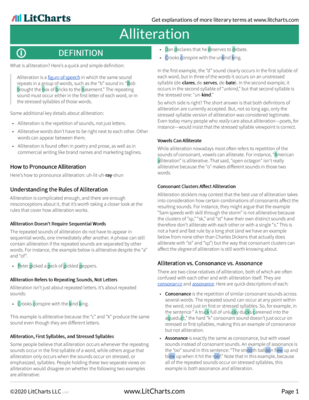
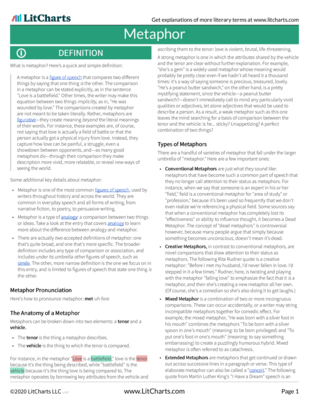
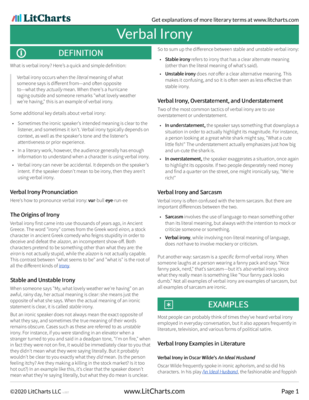
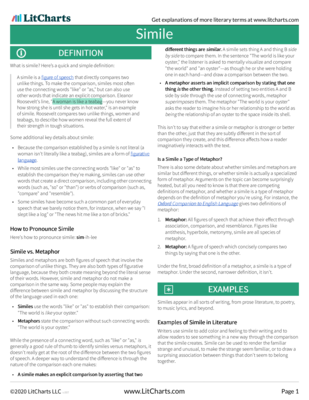
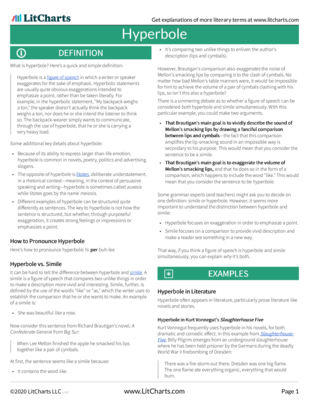
Try a free sample literary term PDF.


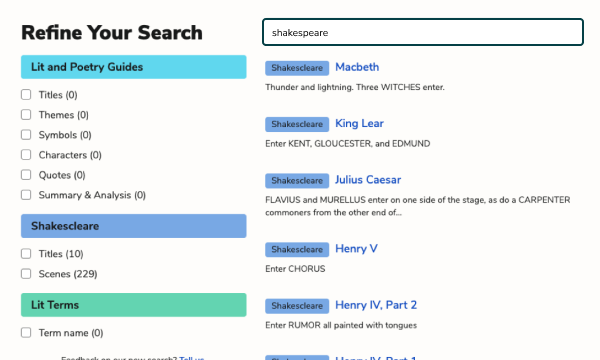
Advanced Search
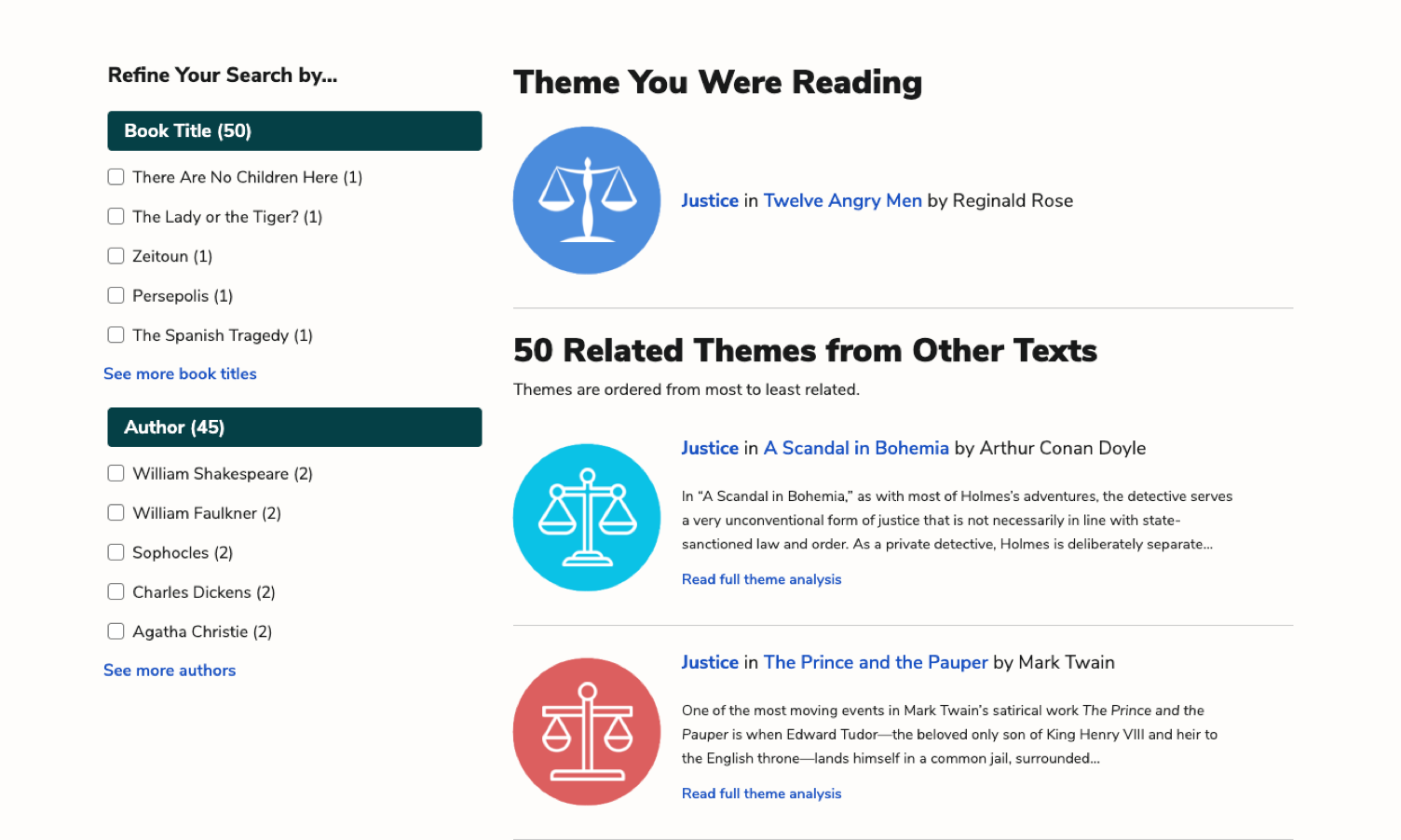
Refine any search. Find related themes, quotes, symbols, characters, and more.
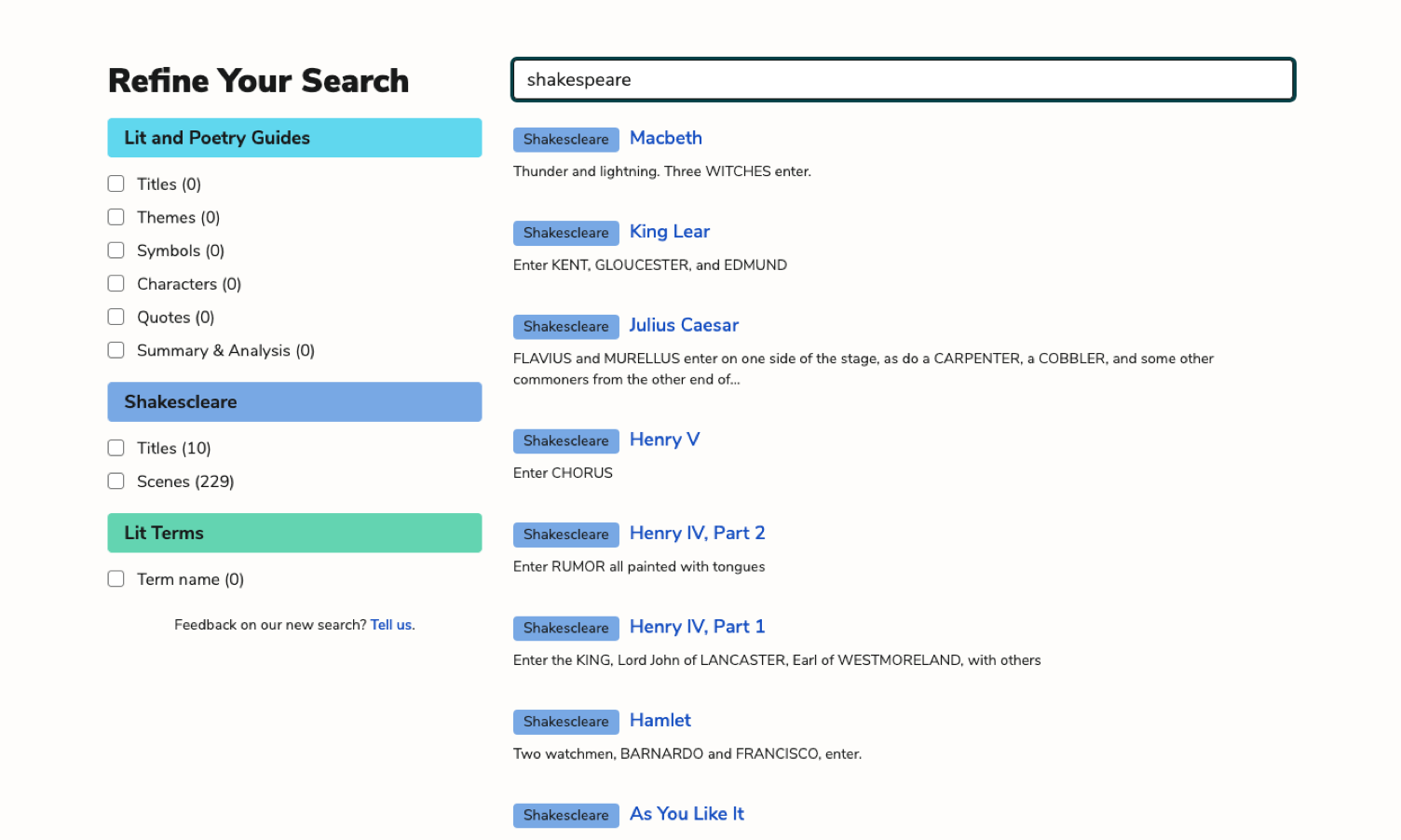
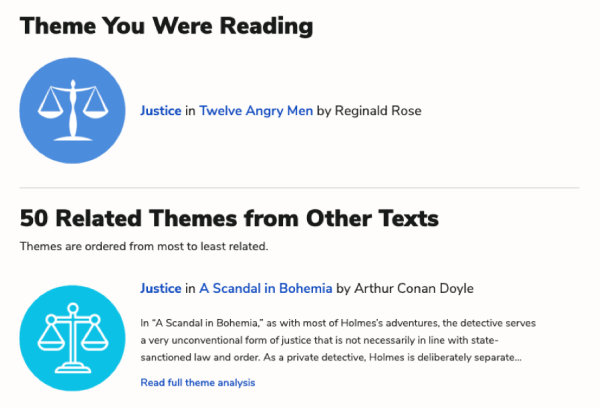
Related Themes
Comparing and contrasting texts? Find where any theme occurs across all of LitCharts in seconds.


Poetry Guides
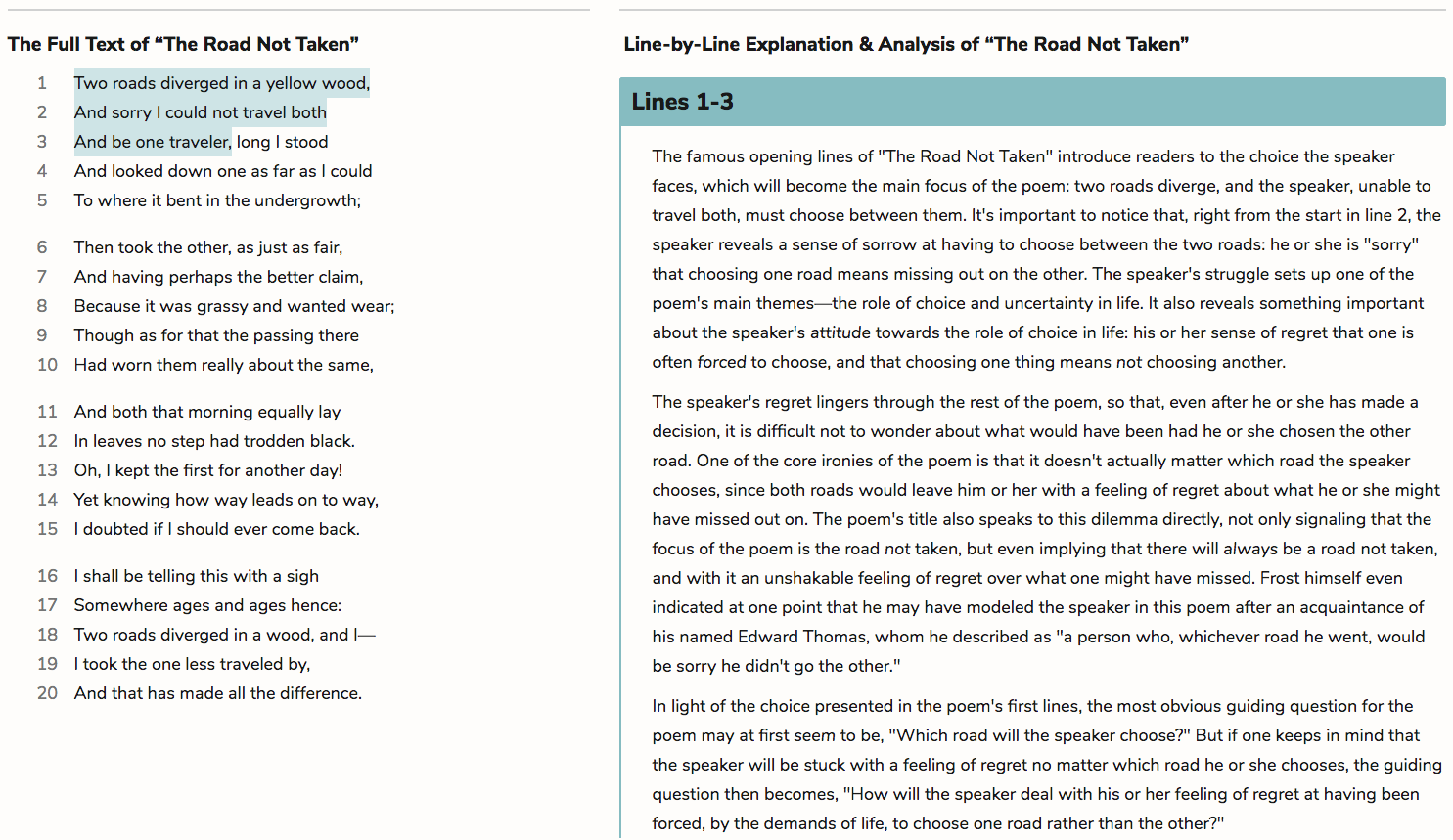
Line-by-line explanations and analysis of figurative language and poetic devices.
For every lyric poem we cover.
For every lyric poem we cover.