
|
Have questions?
Contact us
Already a member? Sign in
|
Get every literary device explanation for Richard III
Plus so much more...
Sign up for LitCharts A+
Get instant access to every literary device explanation, plus so much more...
Verbal Irony
Explanation and Analysis—An Honest Tale:
In this passage, Queen Elizabeth is attempting to fend off Richard's desire to court her daughter. She throws a barb at Richard using verbal irony, hinting that she understands he's trying to deceive her:
An honest tale speeds best being plainly told.
Elizabeth's assertion is laced with verbal irony. On the surface, her statement praises the virtue of honesty and straightforwardness in storytelling. However, the irony here lies in the context. The "tale" being referred to is anything but honest, given Richard's notorious reputation for cunning and deception. This remark is verbally ironic as it creates a stark contrast between the ideal—an honest courtship of her daughter by a good man—and the reality of the situation. Queen Elizabeth knows she isn’t about to hear an "honest tale," because she’s aware of Richard's manipulative and dishonest tendencies.
Elizabeth's use of verbal irony is much more than a casual remark; it is a subtle yet pointed critique of Richard's character. The irony serves to highlight the deceit underlying Richard's actions. It underlines the disparity between his outwardly projected persona and his true nature. Elizabeth is implying, here, that she is aware of the masks he wears to achieve his ends. This statement also demonstrates Elizabeth’s resilience and wit in dealing with his cunning tactics. She knows that, because of her vulnerable position and the fact that she's a woman, calling him out directly might be disastrous. Because of this, she hides her insults behind innocuous proverbs.
Monthly
Annual (Best Value)

$595USD/mo
Charged $71.40 USD every year
 Teacher
$795USD/mo
Charged $95.40 USD every year
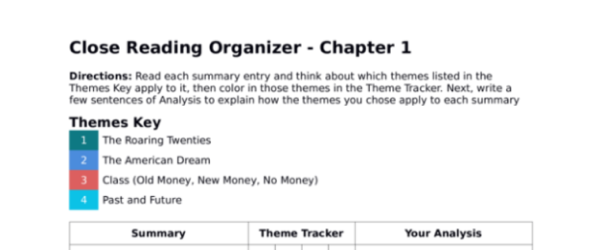
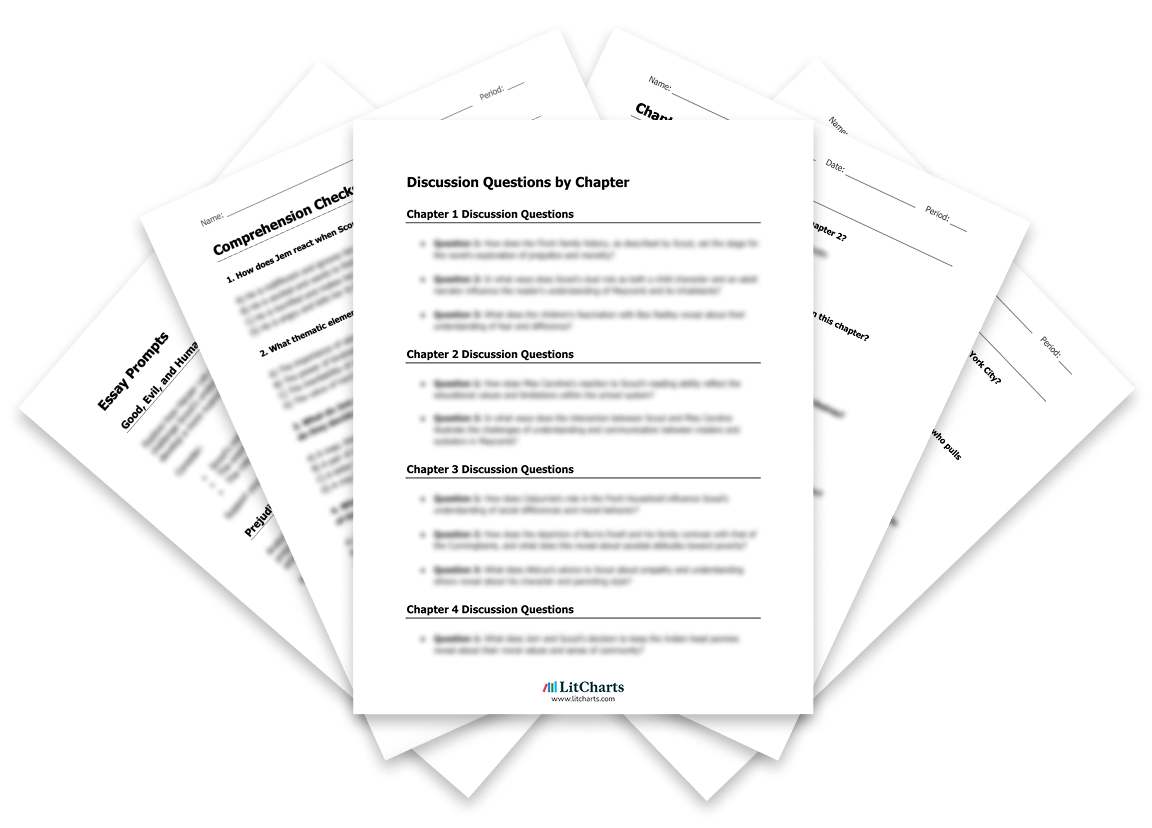
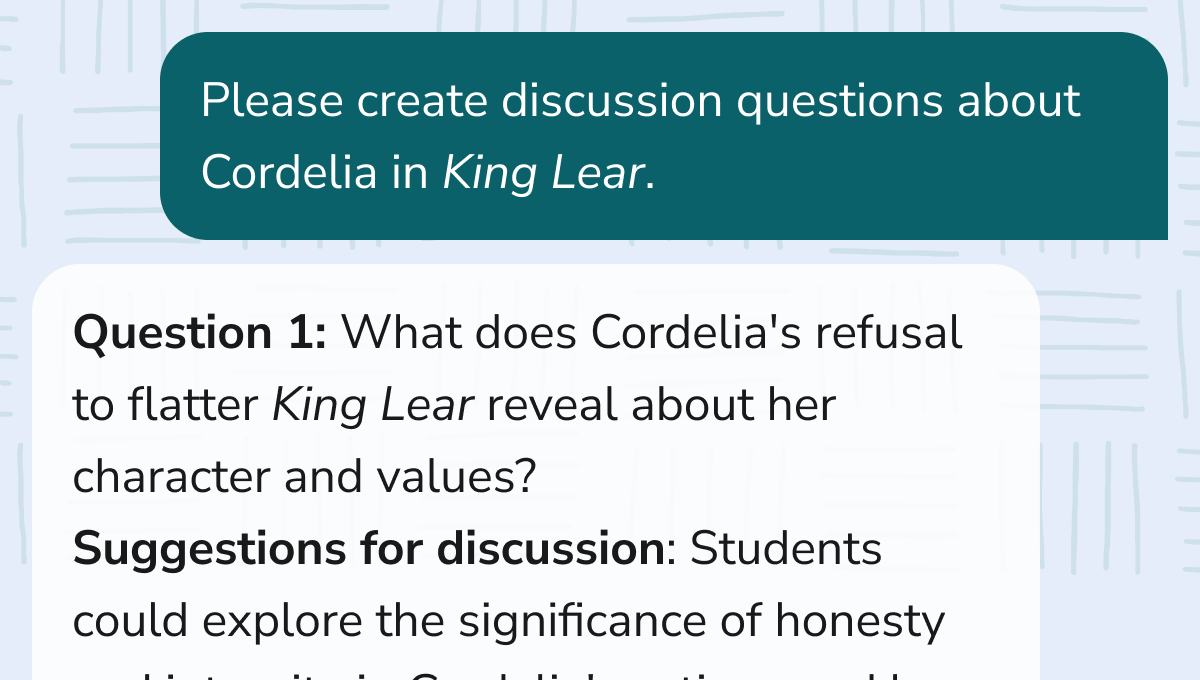
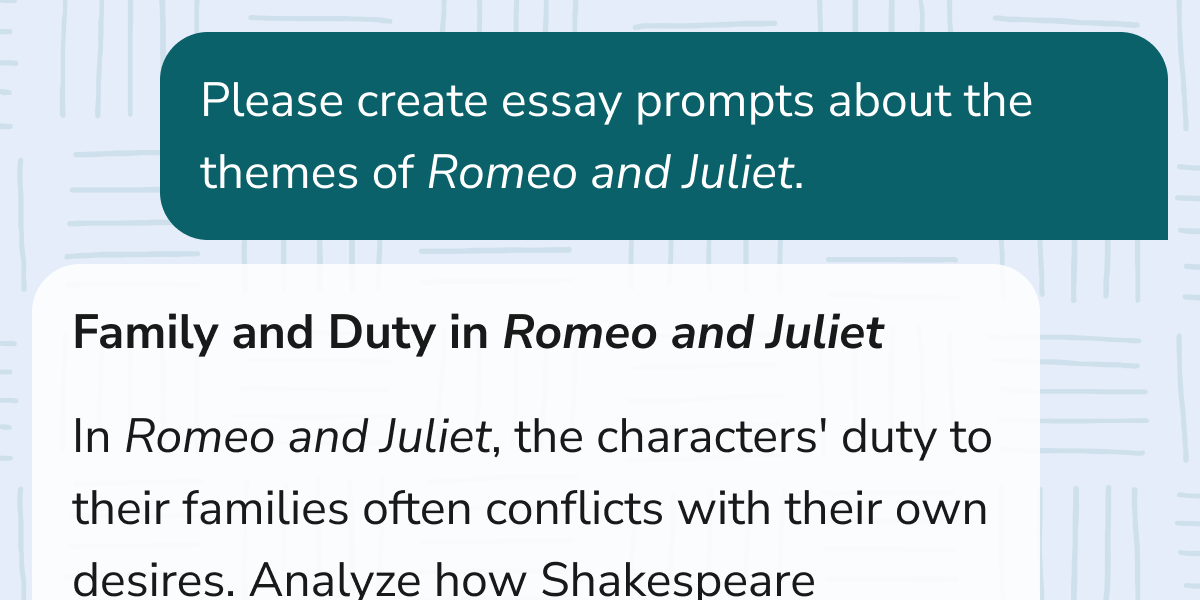


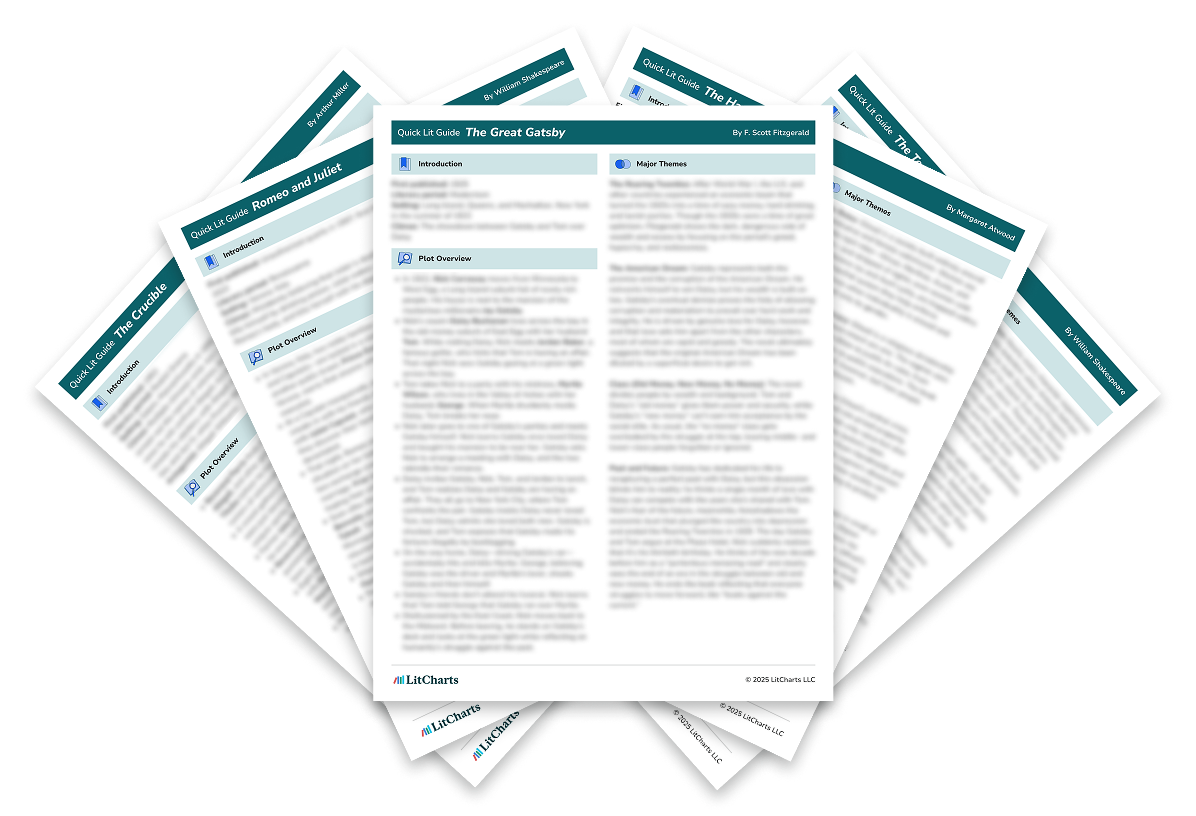
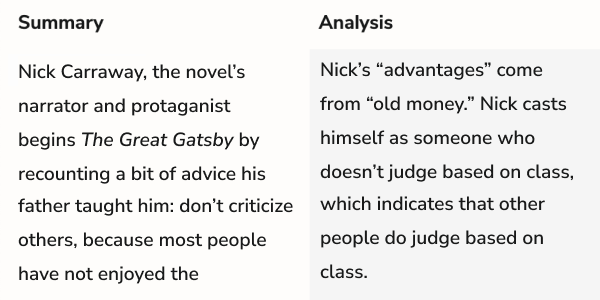
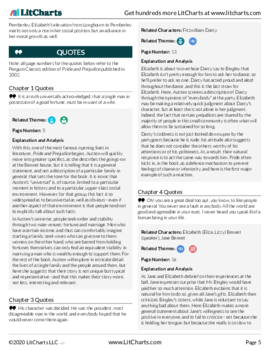
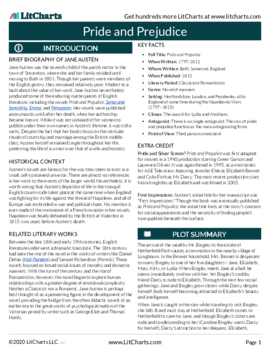
Literature Guide PDFs
LitCharts PDFs for every book you'll read this year.
Instant PDF downloads of all 2256 LitCharts literature guides and of every new one we publish. Try a free sample literature guide.
"Would not have made it through AP Literature without the printable PDFs. They're like having in-class notes for every discussion!"







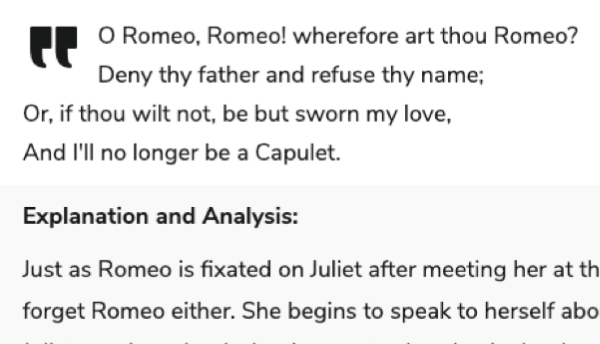
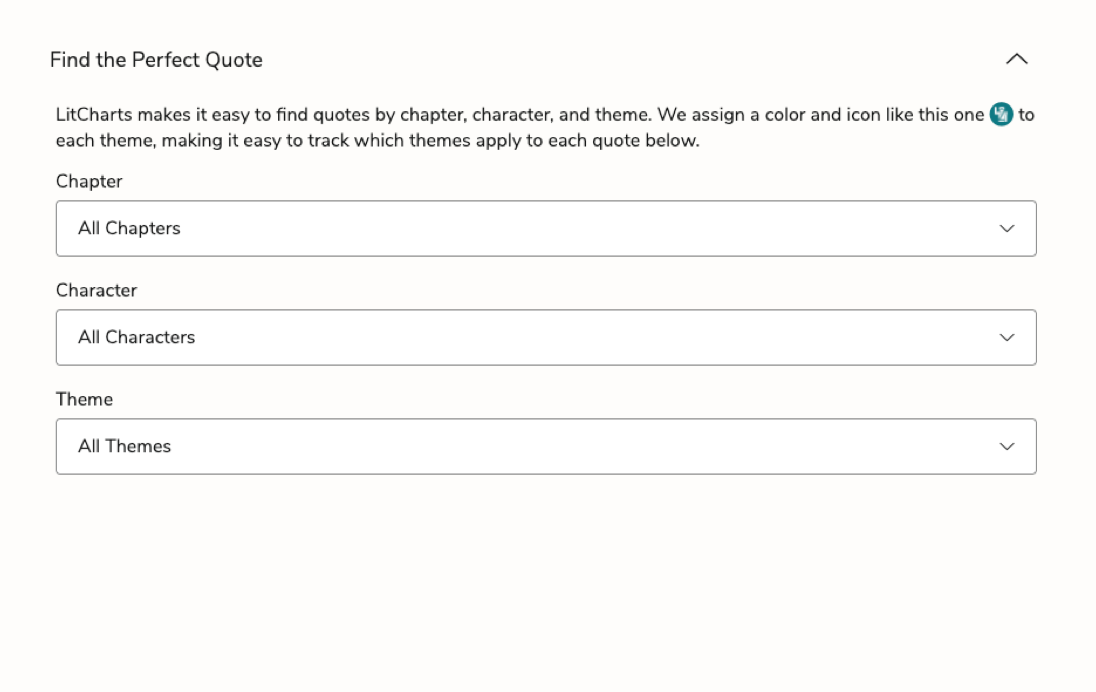
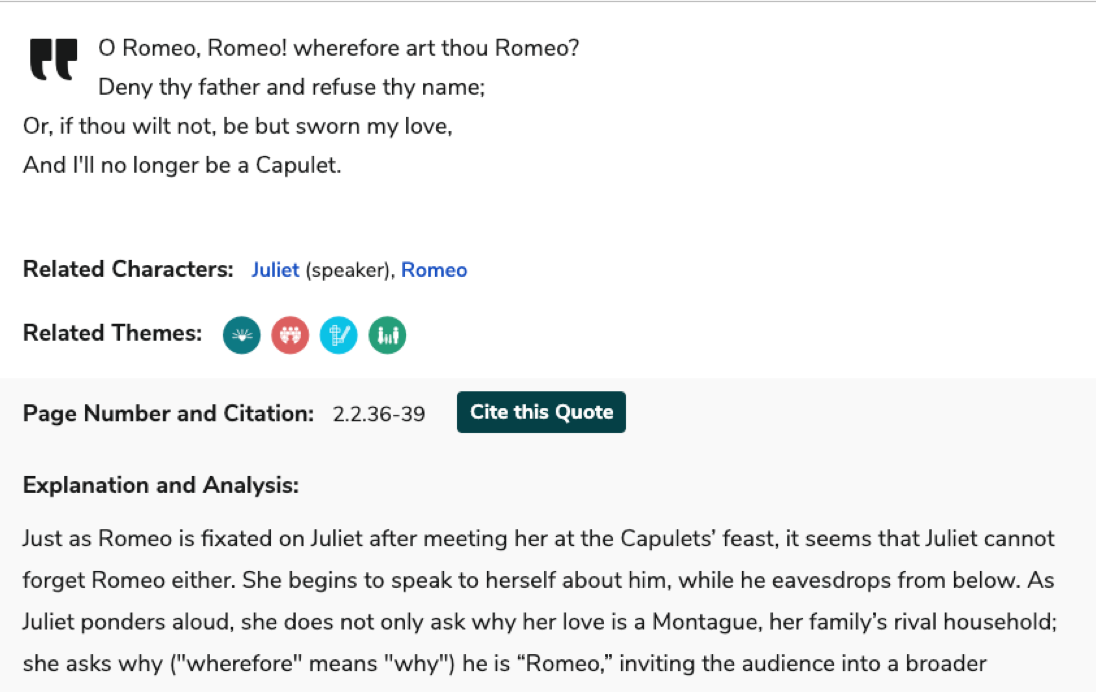
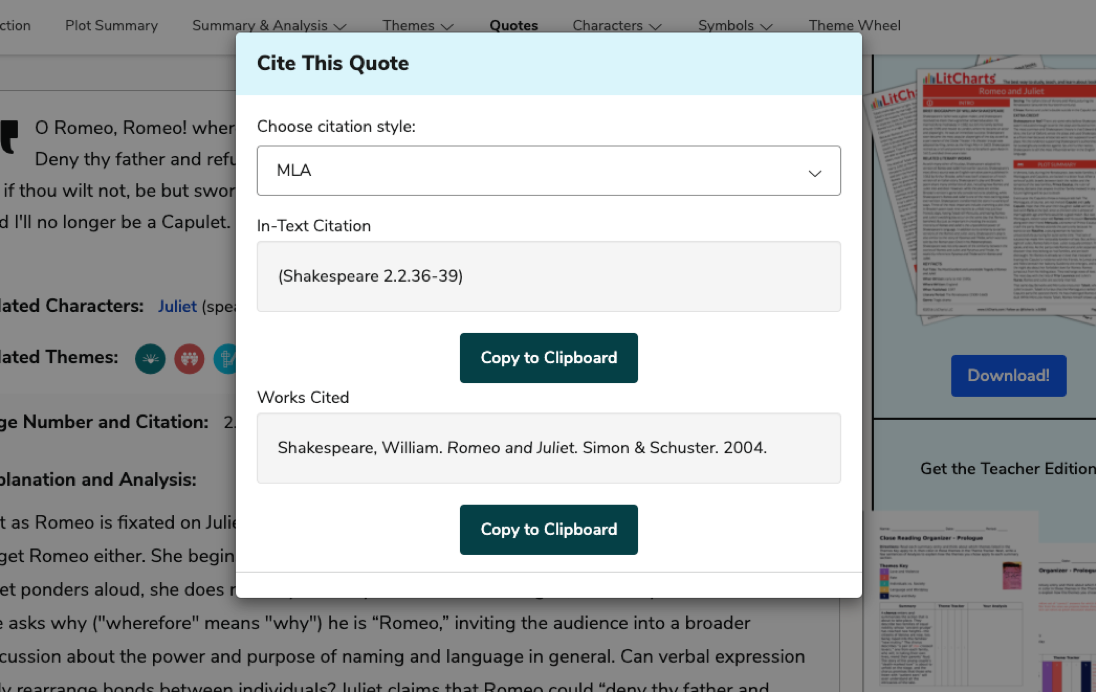
Quotes Explanations
Find the perfect quote. Understand it perfectly. Then rock the citation, too.
For all 50,308 quotes we cover.
For all 50,308 quotes we cover.


Teacher Editions
Close reading made easy for students.
Time saved for teachers.
For every book we cover.
Time saved for teachers.
For every book we cover.


Common Core-aligned


PDFs of modern translations of every one of Shakespeare's 37 plays, 154 sonnets, and 3 longer poems.

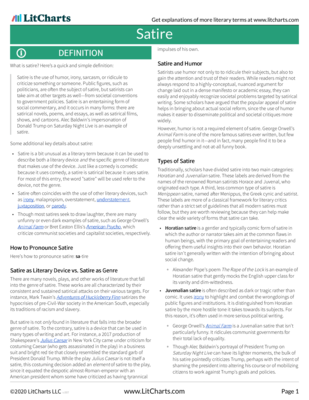
Literary Terms and Devices
Definitions and examples for every literary term and device you need to know.
Plus a quick-reference PDF with concise definitions of all 136 terms in one place.
Plus a quick-reference PDF with concise definitions of all 136 terms in one place.
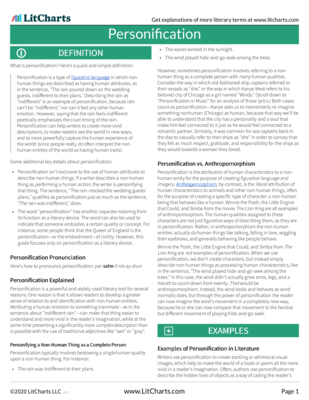
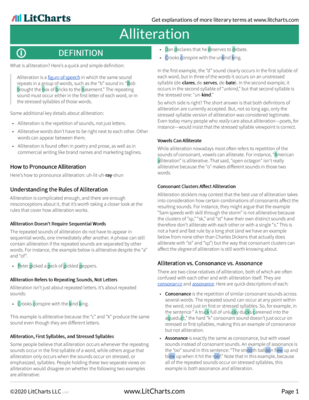
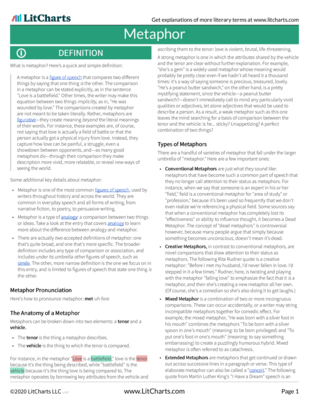
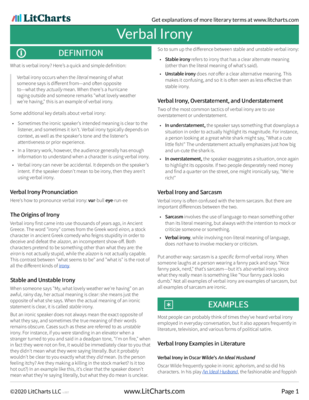
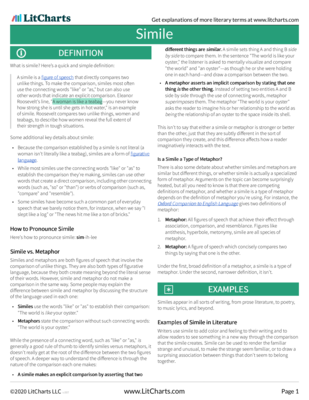
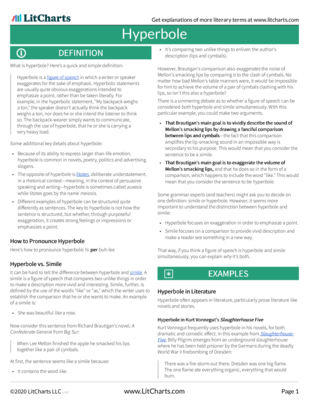
Try a free sample literary term PDF.


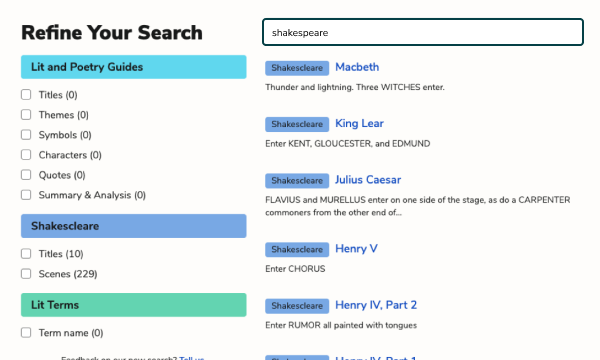
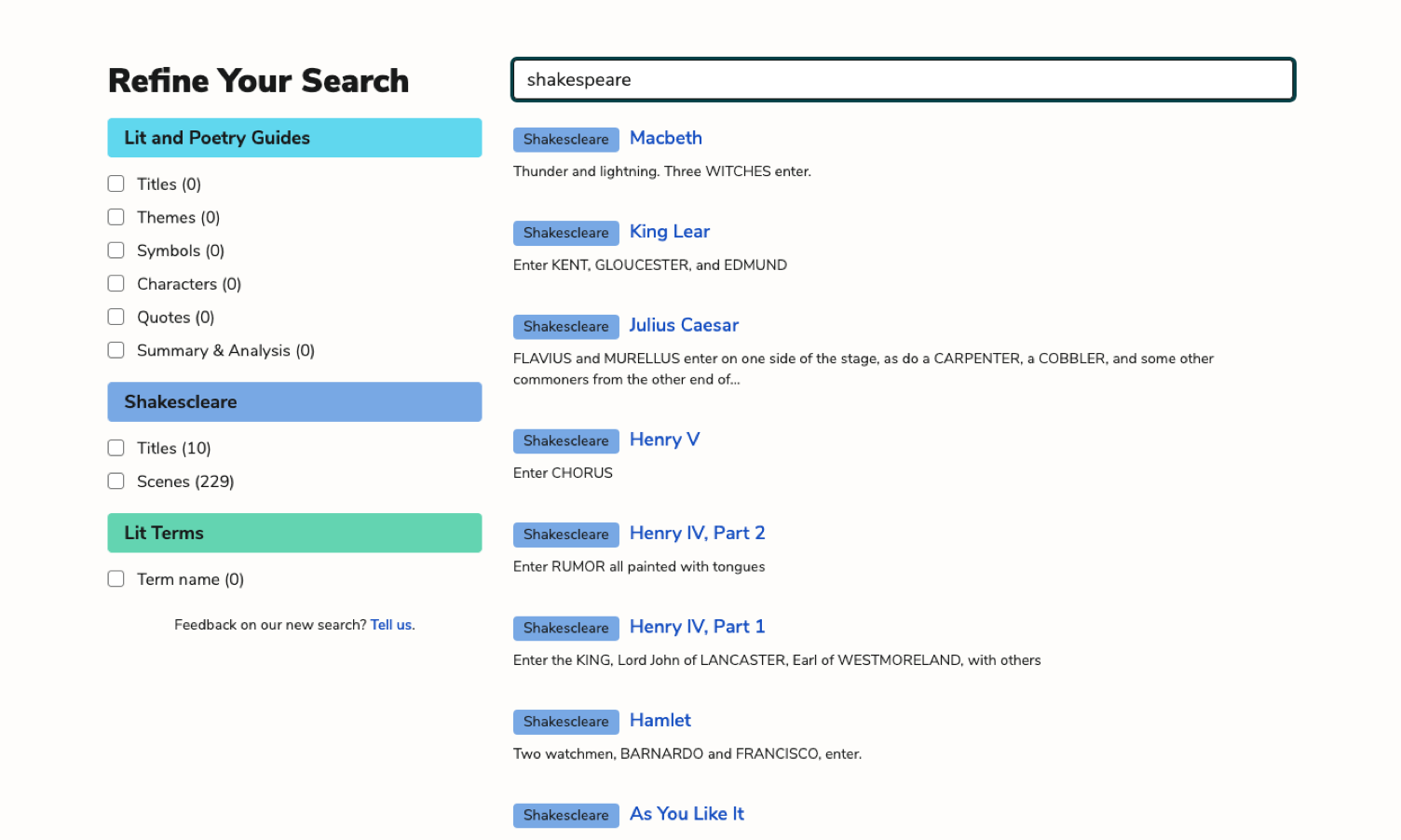
Advanced Search
Refine any search. Find related themes, quotes, symbols, characters, and more.

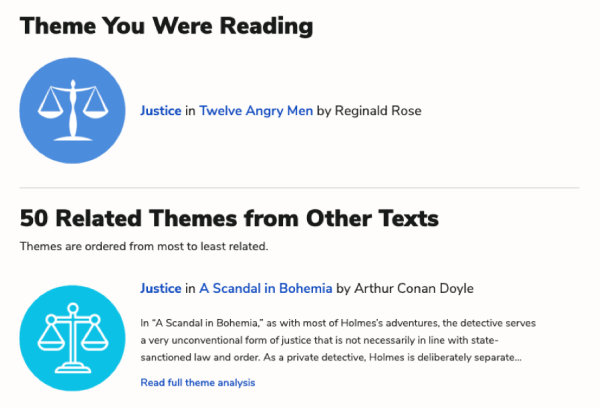
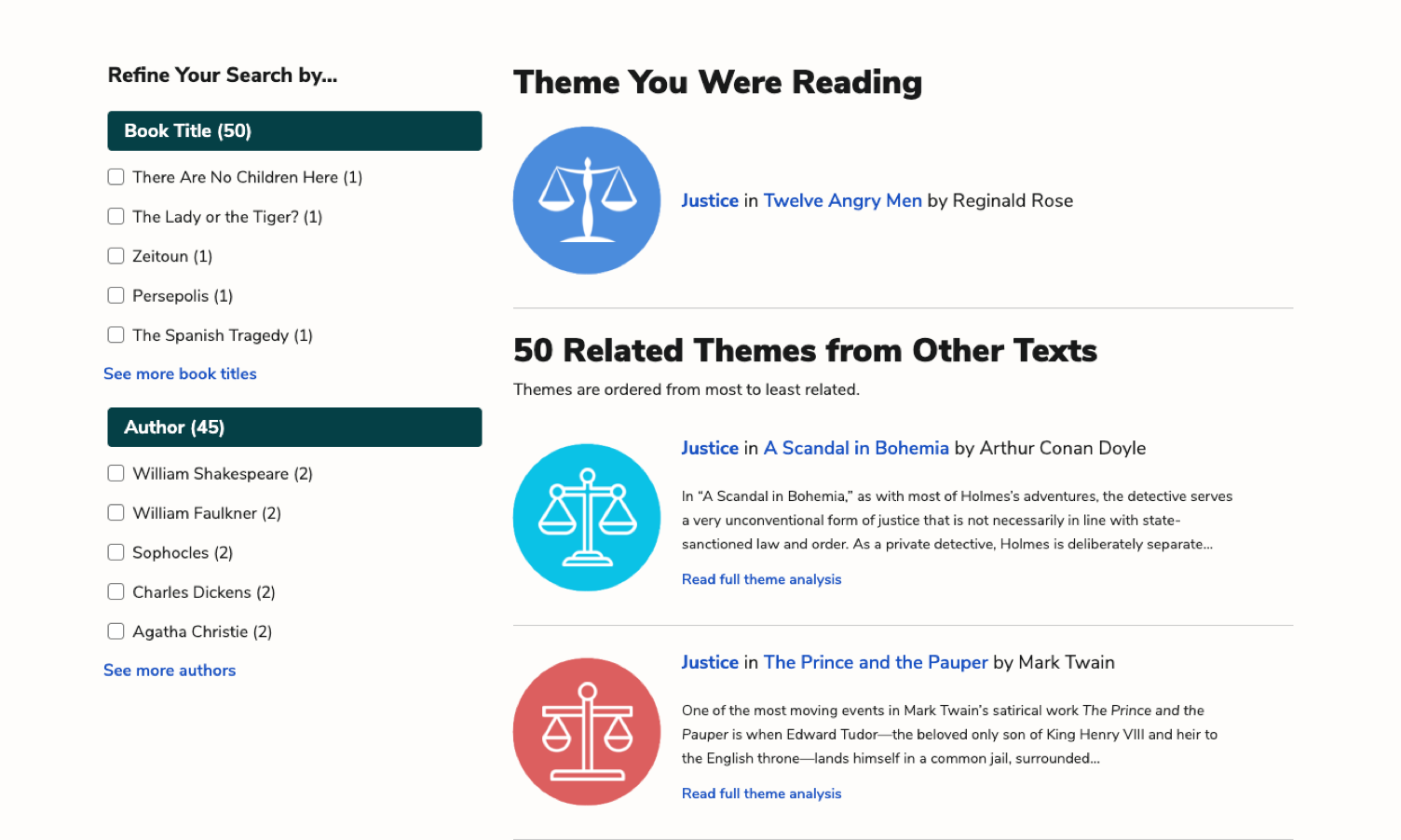
Related Themes
Comparing and contrasting texts? Find where any theme occurs across all of LitCharts in seconds.


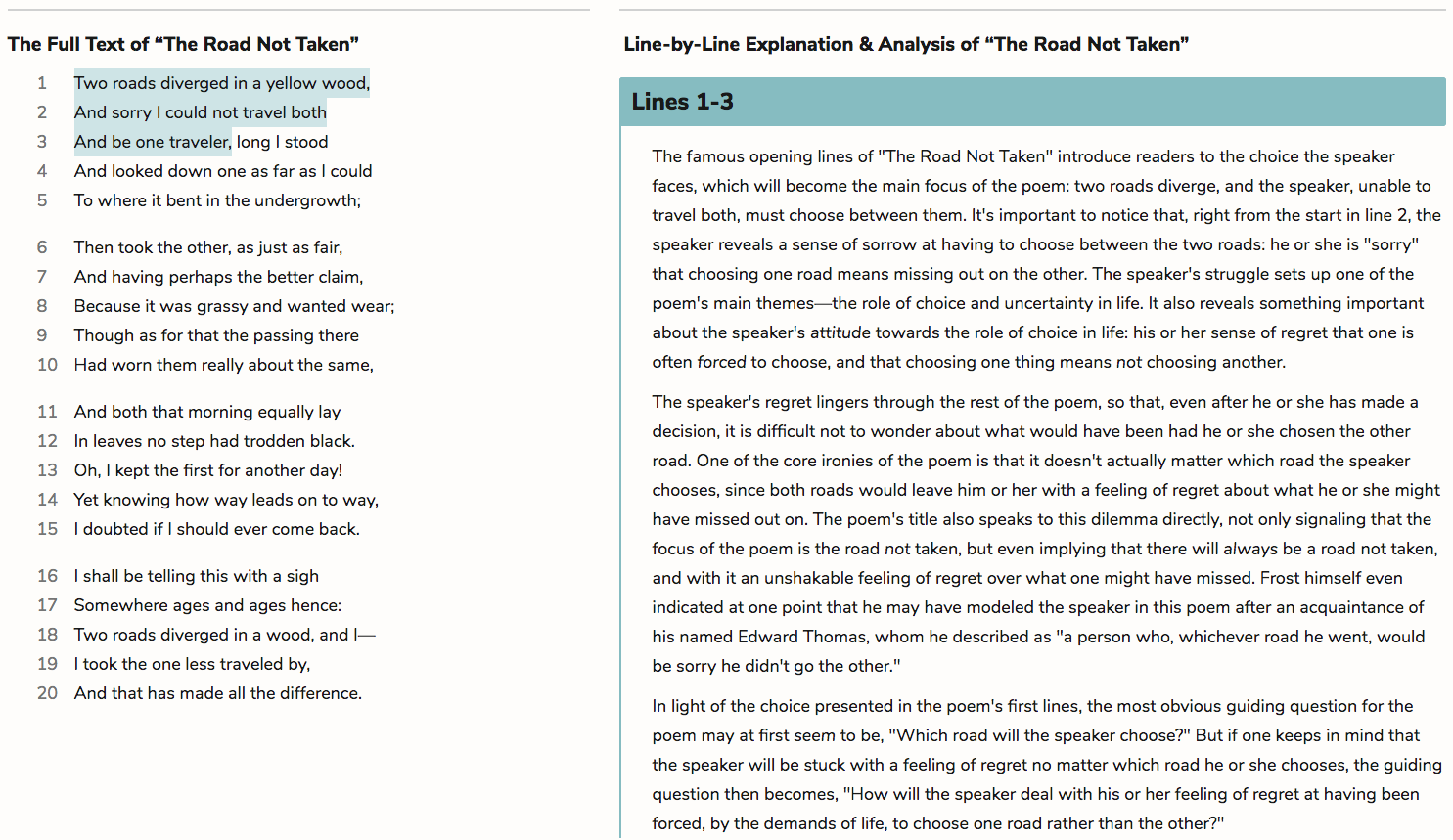
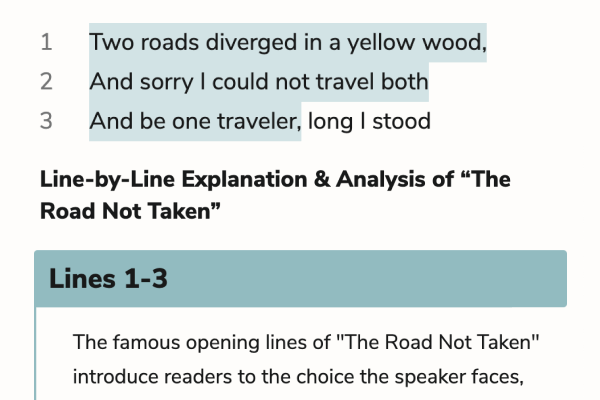
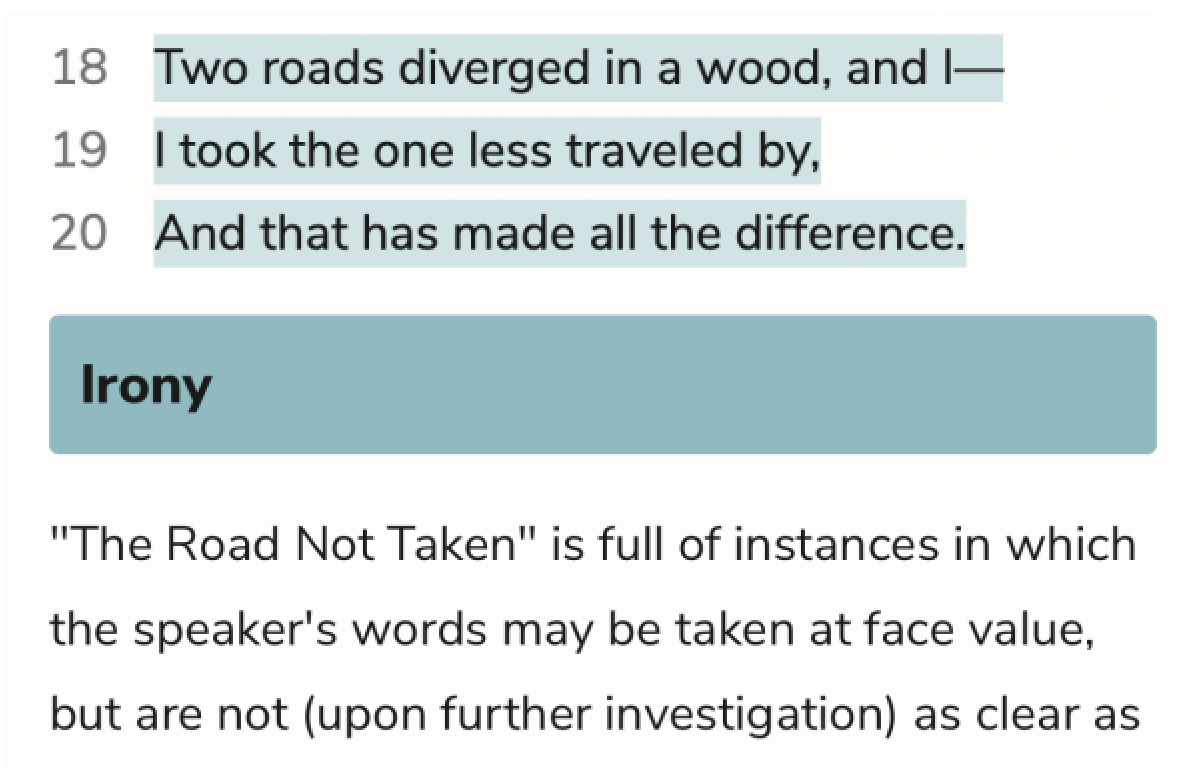
Poetry Guides
Line-by-line explanations and analysis of figurative language and poetic devices.
For every lyric poem we cover.
For every lyric poem we cover.